2,422 videos 1,389,747,653 views US Joined Aug 30, 2018
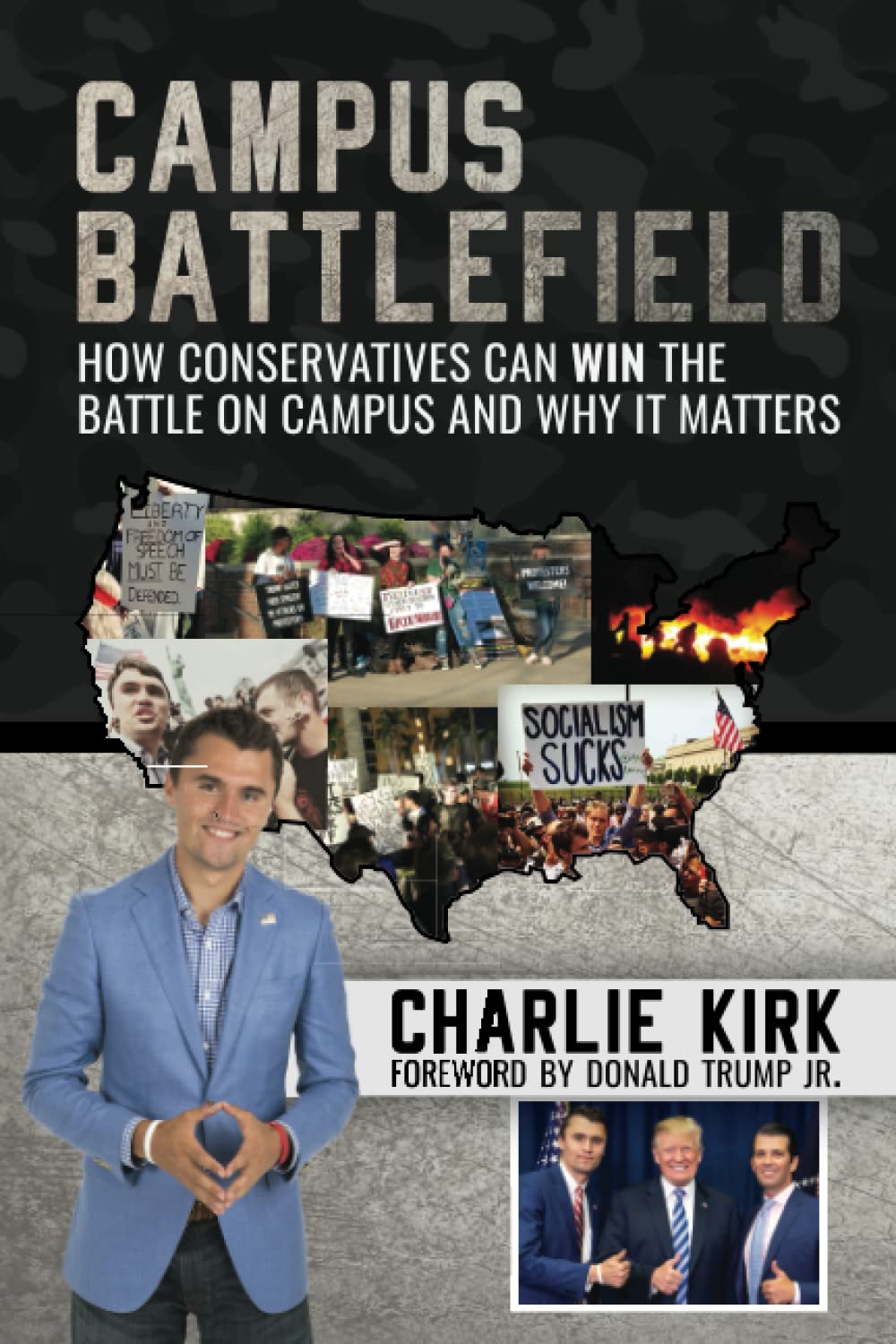
Charlie Kirk is the Founder and President of Turning Point USA, the largest and fastest growing conservative youth activist organization in the country with over 250,000 student members, over 150 full-time staff, and a presence on over 2,000 high school and college campuses nationwide. Charlie is also the Chairman of Students for Trump, which aims to activate one million new college voters on campuses in battleground states in the lead up to the 2020 presidential election. His social media reaches over 100 million people per month and according to Axios, he is one of the "top 10 most engaged" Twitter handles in the world. He is also the host of “The Charlie Kirk Show,” which regularly ranks among the top news shows on Apple podcast charts.
Charlie Kirk Breaks Down America's Capital Expenditure Boom with Treasury Counselor Joe Lavorgna
Charlie Kirk sits down with Joe Lavorgna, counselor to US Treasury Secretary Scott Bessent, to discuss an economic story the mainstream media won't tell you. Capital expenditures in America are surging at rates not seen in nearly three decades, rising 24% in the first quarter alone. Lavorgna explains how the Trump administration's policies are driving this investment boom, why bluecollar workers are seeing real wage increases for the first time in decades, and how America's AI revolution is giving the country a competitive edge in the global economy. This conversation reveals the direct connection between business investment, worker prosperity, and America's economic future.
The Capital Expenditure Story Mainstream Media Won't Cover
Capital expenditures, or capex, represent a critical data point in understanding how much companies are investing in America. According to Joe Lavorgna, counselor to US Treasury Secretary Scott Bessent, the numbers tell a remarkable story that mainstream media outlets have largely ignored.
In the first quarter, capital expenditures rose at a 24% annualized rate. Federal Reserve figures suggest the second quarter showed another 11% increase. Combined, this brings first-half capital expenditures to a 17% annualized rate, the fastest two-quarter gain excluding the pandemic since late 1997—almost 30 years ago. Most remarkably, these gains occurred before the "one big beautiful bill" was signed into law.
The AI Revolution as an American Phenomenon
Palantir CEO Alex Karp praised President Trump's leadership in AI innovation, emphasizing that the AI revolution is distinctly American. "The AI revolution is an American phenomenon. It is something we are leading in," Karp stated. He drew parallels to America's underdog status at the dawn of World War II, when the country had only the 17th largest army but rose to meet the challenge.
Karp emphasized that AI allows America to give workers "superpowers" and compete in a completely asymmetric way. The technology revolution isn't about catching up to competitors—America is already leading the race.
Bluecollar Workers See Real Wage Gains
The capital expenditure boom translates directly into benefits for working-class Americans. Lavorgna explained that in the first six months of President Trump's term, bluecollar workers—those not part of the professional managerial class and often living paycheck to paycheck—saw their real wages, adjusted for inflation, increase by 1.2%.
The only time real wages grew faster at the start of a new administration was during Trump's first term, when they increased 1.3%. These numbers stand in stark contrast to much of the historical data going back to the 1960s, when workers frequently experienced real wage declines, not increases.
When companies invest in tools and machinery to produce more efficiently, the result is higher productivity and higher profits. By definition, this means higher wages for workers. Technology booms, particularly those centered on AI, tend to be disinflationary, which further lifts real wages while benefiting the middle class significantly.
Why America Is Winning the Investment Contest
Lavorgna outlined several factors making America the destination of choice for capital investment. The foundation begins with the Tax Cuts and Jobs Act of 2017, which significantly cut the corporate tax rate to one of the lowest in the world. While there's desire to see it even lower, it provides a strong competitive advantage.
Pro-business regulation plays a crucial role. The Trump administration is working to shorten the permitting process, which had gotten out of control. For companies looking to build AI infrastructure or become leaders in crypto, data centers are essential. Data centers require abundant, cheap energy—something America has in abundance.
The newly signed legislation includes full expensing of capex and, notably, full expensing of structures. Companies can now deduct the building of a plant or factory, an innovative policy that will accelerate the AI race and digital asset development. Tax credits for building plants or investing in capex provide additional incentives, and tariffs create further motivation to bring operations to America.
Business Investment Surges at Historic Pace
Business investment is surging at the fastest pace since 1997, with equipment production jumping 17% year-over-year. This surge is powered by retroactive incentives in the newly signed bill, designed to boost productivity, lift bluecollar wages, and establish groundwork for longer-term economic growth.
The combination of low corporate tax rates, pro-business regulation, cheap and abundant energy, tax credits for investment, and strategic tariff policy creates an environment where companies want to bring their money to America. This explains the numerous announcements of countries and companies wanting to invest directly in the US, and why Treasury Secretary Bessent has been working to secure trade deals.
Benefits Already Materializing
Unlike typical economic policy changes that take 12 to 18 months to show results, the benefits of this capital expenditure boom are already appearing. The significant gains in the first quarter, which continued into the second, stem partly from the retroactivity of the tax cuts.
Additionally, because President Trump has successfully reduced the inflation rate, real wages are increasing. The widespread availability and understanding of AI technology has shortened the time period for realizing benefits from investment.
Lavorgna projects that strong second-half numbers will continue, with the economy expected to grow at 3% or higher. Looking ahead, 2025 could mark the beginning of an extended boom. With current policies in place, there's a long runway for higher living standards, higher wages, and Americans feeling substantially wealthier and healthier as a result of these economic fundamentals.