2,387 videos 1,376,944,188 views US Joined Aug 30, 2018
Charlie Kirk is the Founder and President of Turning Point USA, the largest and fastest growing conservative youth activist organization in the country with over 250,000 student members, over 150 full-time staff, and a presence on over 2,000 high school and college campuses nationwide. Charlie is also the Chairman of Students for Trump, which aims to activate one million new college voters on campuses in battleground states in the lead up to the 2020 presidential election. His social media reaches over 100 million people per month and according to Axios, he is one of the "top 10 most engaged" Twitter handles in the world. He is also the host of “The Charlie Kirk Show,” which regularly ranks among the top news shows on Apple podcast charts.
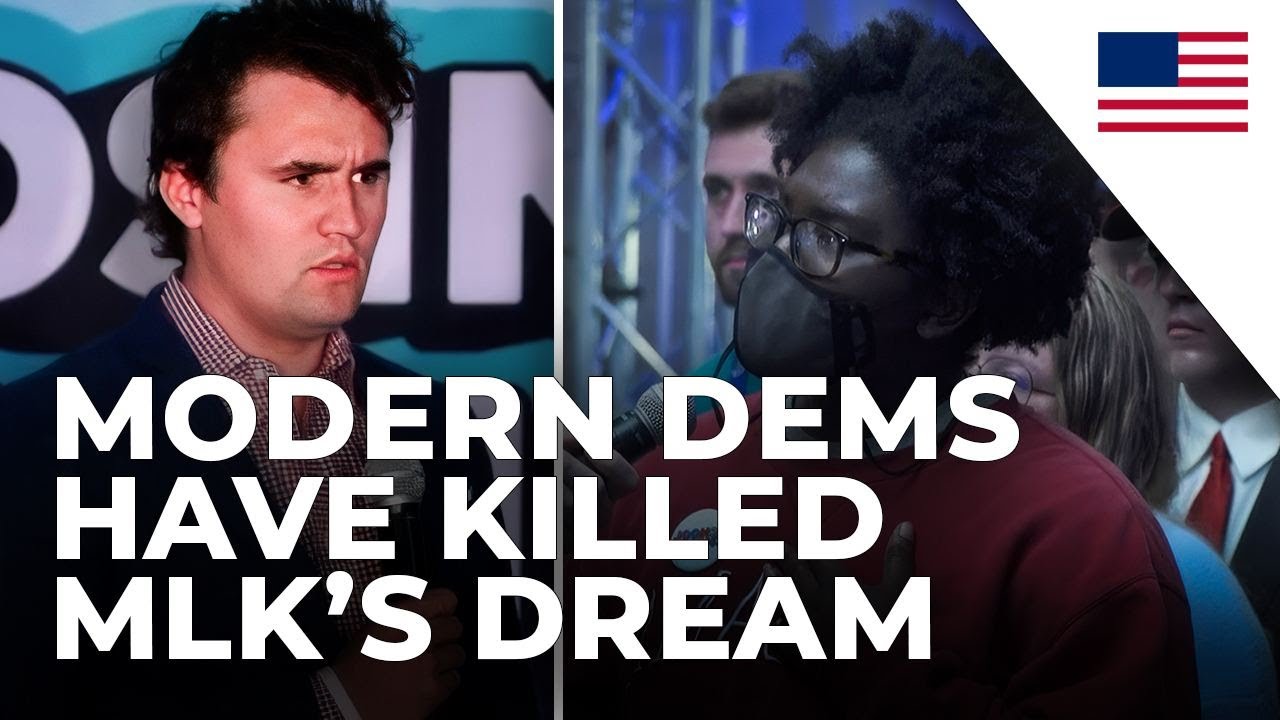
Charlie Kirk Confronts Student on Police Brutality Claims and the George Floyd Narrative with Hard Data
Charlie Kirk engages with Andrew, a student challenging his views on police brutality and the 2020 George Floyd protests. What starts as a discussion about the nuclear family quickly shifts to a data-driven examination of policing in America. Kirk presents statistics showing only 15 unarmed black Americans are killed by police annually, challenges the narrative around George Floyd's death with medical examiner reports, and argues that Americans have been fed propaganda rather than facts. The exchange reveals how two people can view the same events through completely different lenses.
The conversation begins with Andrew acknowledging that nobody was talking about the nuclear family during the 2020 George Floyd protests. Charlie Kirk agrees completely, pointing out the lack of public discussion about this fundamental institution. When asked why the nuclear family isn't discussed publicly, Andrew suggests it may be a lack of emphasis on its importance, though he acknowledges having both a father and mother is crucial to childhood development.
Riots or Protests: Framing the 2020 Events
Andrew attempts to separate police brutality from issues surrounding the nuclear family, describing the 2020 George Floyd events as protests. Kirk immediately reframes them as riots. When Andrew claims they were mostly peaceful, the disagreement highlights the fundamental difference in how the events are remembered and characterized. This framing dispute sets the stage for a deeper examination of the underlying claims about policing in America.
The Overpolicing Claim Falls Apart
Andrew argues there is overpolicing in black neighborhoods, but Kirk pushes back immediately with hard data. He points to Chicago, where half of all murders go unsolved, and Baltimore, where only 60% are solved. Kirk makes a simple but powerful point: solving murders requires detectives, who are police officers. If half the murders aren't being solved, that suggests underpolicing, not overpolicing.
When pressed to name a specific city that is overpoliced, Andrew admits he cannot provide any specific examples. Kirk drives the point home: there is no city in America that is overpoliced. The country faces a police staffing shortage, not an excess of law enforcement.
The George Floyd Case Reexamined
Andrew pivots to discuss police brutality as separate from black culture, citing the George Floyd case where an officer knelt on someone's neck for nine minutes. Kirk challenges the accepted narrative by asking what George Floyd's cause of death was. When Andrew responds with asphyxiation, Kirk reveals that the original medical report by the Hennepin County examiner indicated a drug overdose.
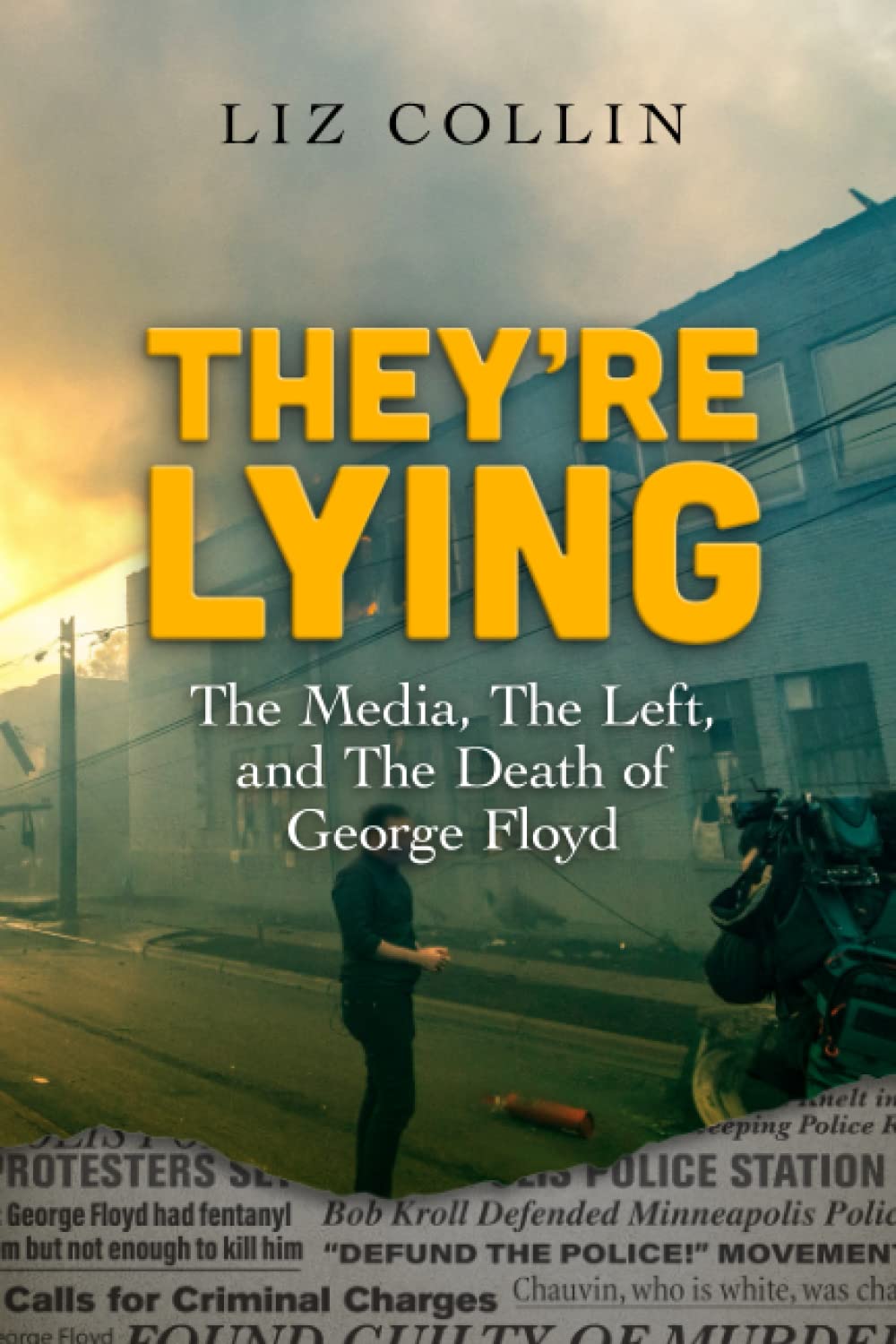
Kirk goes further, stating that what Derek Chauvin did to George Floyd was actually in the police manual training and was completely justified according to his training. He encourages the audience to investigate the Derek Chauvin court documents and watch "The Biggest Lie Ever Told: The George Floyd Documentary" to understand there's much more to the situation than what was presented in mainstream coverage.
The Shocking Statistics on Police Killings
Kirk then asks Andrew to estimate how many unarmed black people are killed by police annually. Andrew guesses probably over 50%. The actual number, according to the Washington Post's national crime survey, is 15 people per year. Kirk emphasizes this is not a conservative source but a left-wing publication, and the definition of "unarmed" was generous, including situations where someone had a weapon nearby or had dropped a knife.
In a country of 350 million people, 15 incidents per year is statistically insignificant. Kirk poses the question: if this happens so rarely, why does it seem so common on social media? His answer: propaganda and brainwashing. People are being shown targeted videos designed to make them believe something exists at a scale that it doesn't.
What We Don't Talk About
Kirk contrasts the attention given to police brutality with issues that affect far more people. Over 100,000 drug overdoses occur every year in America, yet this receives far less attention. More children are killed in urban violence while going to school or walking to the playground than unarmed blacks are killed by police. The question becomes: why are certain narratives amplified while others are ignored?
The Democrat Party's Use of Black America
Kirk offers his belief about why this happens: black America has been abused by the mainstream media and the Democrat Party. He argues that black Americans have been used as pawns by the Democrat Party for the last 60 years, with the party actively discouraging free and independent thinking. The amplification of police brutality narratives, despite the minimal statistical occurrence, serves a political purpose rather than addressing the real issues facing black communities.
The Challenge to Do Independent Research
When Andrew says that independent research can be used to skew data in any direction, Kirk counters by pointing out he's using left-wing sources like the Washington Post, not conservative outlets. He's not cherry-picking data but responding directly to Andrew's claims about police brutality with the most relevant statistics available.
Kirk ends by encouraging Andrew to fact-check everything discussed: the unsolved murder rate in Chicago, the Washington Post crime database showing the number of unarmed blacks killed by police year by year (ranging from 8 to 20, averaging around 15), and the original Hennepin County Medical Examiner's report on George Floyd. He frames this research as "taking the red pill" and discovering how deep the rabbit hole of media manipulation goes.
A Moment of Courage
Throughout the exchange, Kirk acknowledges that it takes courage for Andrew to come up and engage in public disagreement. When the audience reacts, Kirk defends Andrew's right to speak and make his points. The conversation demonstrates the value of civil discourse even when two people fundamentally disagree on how to interpret events and data.