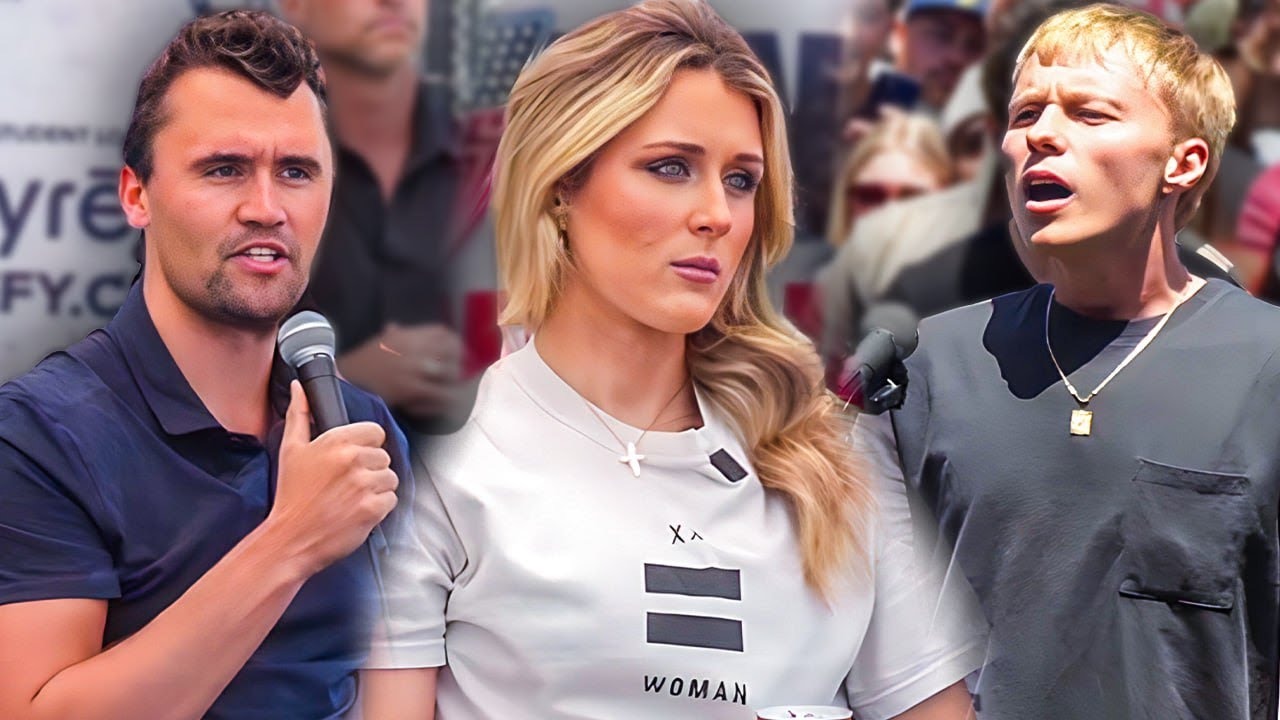
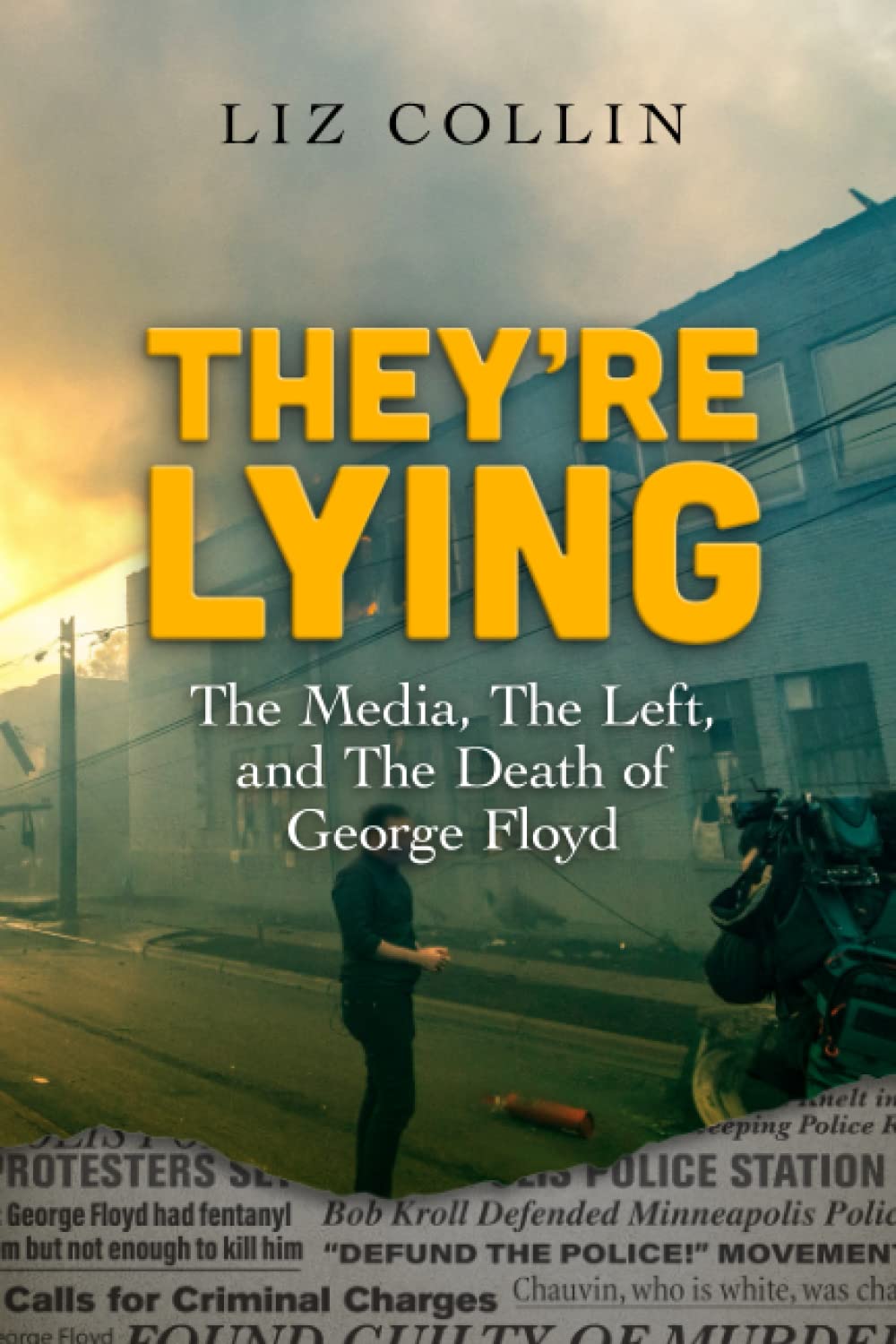
0:00
I saw a clip somewhere that you were
0:01
trying to get the officer who murdered
0:03
George Floyd pardoned and I just want to
0:05
know what your reasoning was that about
0:07
that.
0:07
Well, George Floyd didn't die because of
0:09
the police officer. He died largely
0:10
because of a drug overdose,
0:12
but he had his knee on his neck. We all
0:14
saw the video,
0:14
but the knee on the neck is actually an
0:16
approved police technique that police
0:17
departments taught Derek Schovin to use.
0:19
Do you know that George Floyd was
0:20
saying, "I couldn't breathe." Well,
0:22
before that restraining technique. And
0:24
so why' they use the technique if he
0:25
already couldn't breathe? Well, well,
0:27
cuz he was actually resisting arrest and
0:29
they had to restrain him and they
0:30
restrained him in a way that they were
0:31
taught to do, which is the knee on the
0:33
neck technique.
0:33
Okay. So, when is when does the like
0:35
technique end? Like when they die, like
0:37
he said he could have
0:38
No, I mean the technique ends when when
0:40
the individual stops resisting arrest.
0:43
His cause of death was not
0:44
asphixyxiation. It was drug overdose. He
0:46
had
0:46
that was a part of it. Like he also had
0:47
a heart a heart like thing and like he
0:50
was on drugs, but like he wouldn't have
0:52
just died if he was standing there. like
0:53
they had his
0:54
actually there's an argument to be made
0:56
according to the medical examiner he was
0:57
drug overdosing in real time that it
0:59
wasn't because of the police officer
1:01
Derek Schovin that put his knee on the
1:02
neck and he again they were taught to do
1:04
that according to the Henipin County
1:06
police department they they teach that
1:08
as an approved restraint technique and
1:10
by the way this is just a broader point
1:12
our whole country blew up because of
1:14
this incident and it was largely based
1:16
on a lie largely based on a lie we were
1:18
all
1:18
What was the lie
1:19
the lie is that there was a white police
1:21
officer that went after a black person
1:23
just cuz he was black and it just wasn't
1:25
true. He was resisting arrest.
1:26
Okay. But but he killed him. Like that
1:28
doesn't
1:28
Well, again, the the the county the
1:30
county medical examiner disagrees. The
1:32
county medical examiner in the original
1:33
report.
1:34
So then why was he why why did he get
1:36
sentenced?
1:36
Exactly. That's a good question. It's
1:38
because because it was largely a show
1:40
trial where actually they were not
1:42
allowed to submit a show trial. A a show
1:44
trial is an example where you put people
1:46
on display or a show for a political
1:48
purpose or political means. And this is
1:50
an example of that where Derek Schovin
1:53
was not given a fair hearing in this in
1:56
this trial. He was not even allowed to
1:57
use the police training handbook in his
1:59
trial to show that he was taught to use
2:01
that restraining technique.
2:02
Okay. So, what do you want to happen to
2:04
Derek Chovvin? Like,
2:05
pardon.
2:06
So, he's just free. What does that
2:07
Yes.
2:08
What message does that send to like
2:09
It should It's a message that you should
2:12
get an actual fair trial and that you're
2:13
not going to get a trial by media.
2:15
Are you actually going to let me talk
2:16
for longer than 5 seconds?
2:17
Go ahead.
2:19
You keep interrupting me. Every time I
2:21
actually try to
2:25
Every time I try to actually explain my
2:28
point and have a reasonable conversation
2:31
with you, you cut me off.
2:34
I was trying to explain. You cut me off.
2:37
Started talking about something
2:38
completely different.
2:41
You started bringing up random stats and
2:43
random facts to try to make me look
2:45
stupid.
2:46
Nice outfit. Thank you.
2:49
What's on your mind?
2:50
What is your persona?
2:52
I
2:53
So persona is like what animal really
2:55
speaks to you? No, no, no, no. I need
2:56
this for an argument. Please, come on.
2:59
Come on, man.
2:59
I I
3:00
Come on, man.
3:01
I I got a good answer, guys.
3:02
Okay. What is What is it? I got to know.
3:05
It's the beaver.
3:06
Okay.
3:09
All right. Thank you, man.