2,422 videos 1,389,747,653 views US Joined Aug 30, 2018
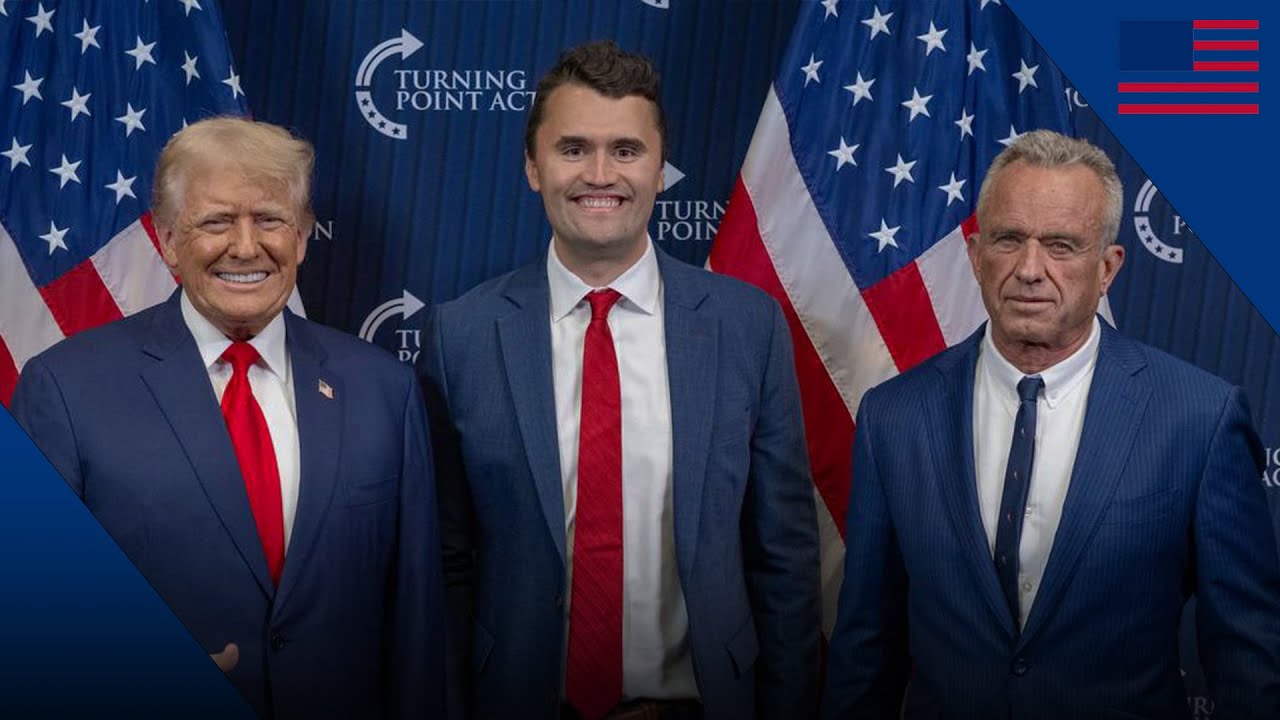
Charlie Kirk is the Founder and President of Turning Point USA, the largest and fastest growing conservative youth activist organization in the country with over 250,000 student members, over 150 full-time staff, and a presence on over 2,000 high school and college campuses nationwide. Charlie is also the Chairman of Students for Trump, which aims to activate one million new college voters on campuses in battleground states in the lead up to the 2020 presidential election. His social media reaches over 100 million people per month and according to Axios, he is one of the "top 10 most engaged" Twitter handles in the world. He is also the host of “The Charlie Kirk Show,” which regularly ranks among the top news shows on Apple podcast charts.
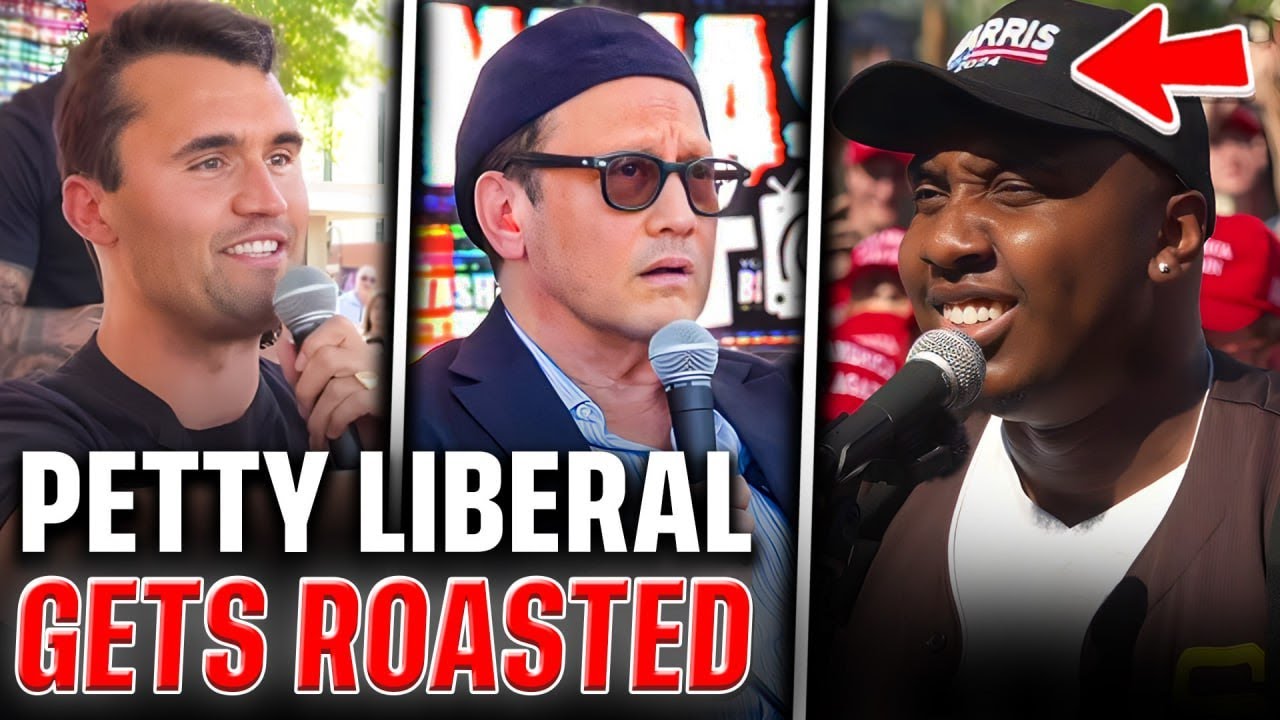
Charlie Kirk Debates Student on Brainwashing, Soviet-Style Intimidation, and Thomas Jefferson's Legacy at Campus Event
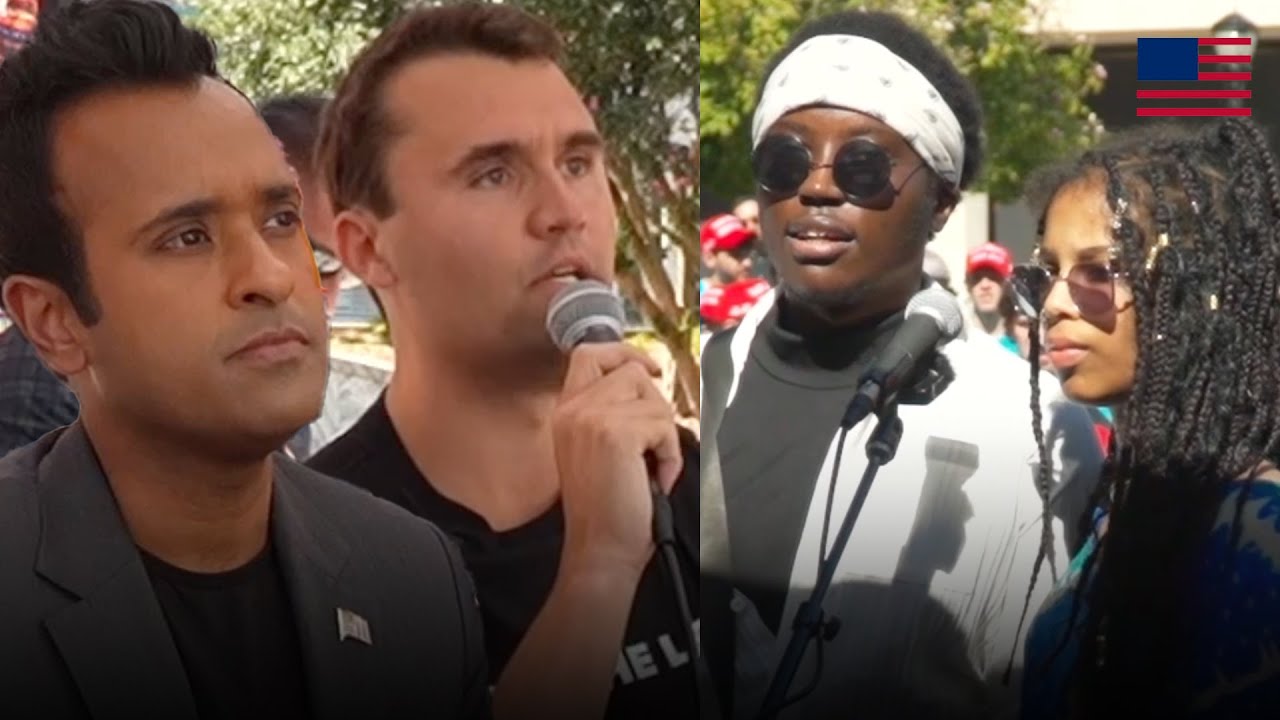
Charlie Kirk faces off with a student who challenges his use of the term "brainwashing" to describe college campuses. What begins as a debate about campus culture quickly expands into a heated exchange about Soviet-style intimidation tactics, whether conservatives face discrimination in academia, and how American heroes like Thomas Jefferson should be taught in schools. Kirk argues that silencing conservative viewpoints through grade penalties and social pressure mirrors totalitarian tactics, while the student pushes back on the comparison. The conversation reveals the deep divide over free speech, historical education, and what constitutes genuine intellectual diversity on campus.
A student challenged Charlie Kirk on his use of the term "brainwashing" to describe what happens on college campuses. The student's parents had lived in the Soviet Union, giving them a personal perspective on what actual Soviet-style intimidation looked like. They argued that "brainwashing" was too harsh a term for what occurs in American universities.
Kirk defended his language, explaining that brainwashing means not allowing dissident ideas, different perspectives, or worldviews. He argued that on college campuses, students typically learn "some of the worst most parasitic ideas imaginable" without exposure to alternative viewpoints.
Conservative Students and Grade Discrimination
Kirk turned the question back to the audience, asking conservative students to raise their hands if they believed they get graded fairly on campus. The implication was clear: many students felt they faced academic penalties for their political beliefs.
When the student argued this wasn't Soviet-style intimidation, Kirk countered by listing examples of what he saw as political persecution in America. He mentioned Stephen Bannon going to federal prison, Peter Navarro going to federal prison, Donald Trump facing 700 years in federal prison across multiple cases, and 280 January 6 pre-trial prisoners held for nonviolent offenses in what he described as conditions similar to Soviet gulags.
Kirk continued with the example of Douglas Mackey, who went to federal prison for making a meme during the 2016 election. He argued that America no longer respects freedom of speech or dissident voices, pointing to prominent figures like Elon Musk, Bobby Kennedy, and Tulsi Gabbard leaving the Democrat Party because they believe it has become totalitarian.
The Timeline of Indoctrination
The student argued that brainwashing couldn't happen overnight or even in four years, and that alternating political parties made systematic indoctrination impossible. Kirk agreed—but with a twist. He said the brainwashing doesn't happen in four years; it happens through K-12 education followed by college.
According to Kirk, most public schools teach students to hate America, tell them the country is systemically racist, and fail to properly educate them about the Founding Fathers like Thomas Jefferson, James Madison, John Jay, or The Federalist Papers.
The Thomas Jefferson Debate
The student challenged Kirk's assertion, claiming it was "simply false" that schools don't teach about Thomas Jefferson. Kirk asked whether schools teach Jefferson as a hero or a villain. The student countered that there must be a "gray area"—you can't say someone is definitively a hero or villain.
Kirk responded that while Jefferson did things that were wrong, he helped found "the greatest country ever to exist in the history of the world," which is "pretty heroic." He emphasized that historical figures must be understood in the context of their times. While slavery was widespread in Jefferson's era, Jefferson released his slaves at the end of his life and created a free society that allowed people to escape places like the Soviet Union.
The student agreed there should be a middle ground, but Kirk argued the problem is emphasis. Schools are removing references to Thomas Jefferson's positive contributions from curriculum. He cited Monticello being "littered with slave references" that portray Jefferson as an awful person.
When the student pointed out that you can't erase uncomfortable parts of history, Kirk clarified he wasn't advocating erasure—he was opposing overemphasis. By emphasizing the negative over heroic accomplishments, Kirk argued, educators dilute the triumph of someone's contribution to society. He noted that while many people in history owned slaves, very few started the greatest country ever to exist. America, he said, actually started the end of slavery thanks to people like Jefferson, Washington, Madison, and Jay.
What Students Don't Know
Kirk asked a serious question: Could most college students recite the Preamble to the Declaration of Independence? The student said no. Could they name how many articles are in the Constitution? The student guessed five. Kirk corrected them—it's seven.
Kirk's point wasn't to play "Trivial Pursuit," but to highlight that most students know nothing about their country's founding documents, yet they know plenty about systemic racism, marginalized transgender people, and climate change as an existential threat.
When challenged on whether he had the Constitution memorized, Kirk said "pretty close" and proceeded to recite much of the Preamble to the Declaration of Independence from memory: "We hold these truths to be self-evident, that all men are created equal, that they are endowed by their Creator with certain unalienable Rights, that among these are Life, Liberty and the pursuit of Happiness..."
Soviet-Style Tactics on Campus
Kirk's central thesis was that the education system deemphasizes the brilliance of America and makes students feel ashamed to be American patriots. It prioritizes what he called "parasitic" thinking while using force to suppress dissident opinions—a Soviet tactic that is totalitarian in nature.
As evidence, he pointed to the students around them who believe they're graded differently because they're conservative. He asked the audience: If you wore a Trump hat in class, do you think you'd be graded differently or downgraded?
The audience response was telling—students indicated they believed they would face consequences. Kirk emphasized that these students can't wear a hat supporting someone who was president and might become president again without being kicked out of libraries or graded differently.
Degrees of Totalitarianism
The student pushed back, noting that in the Soviet Union, wearing a dissident's hat would get you disappeared, not just told you can't go to the library. Kirk acknowledged this was an "introductory step"—he wasn't claiming America had reached Stalinist levels. But he argued the student was "cheapening down what is now the gateway drug to Soviet totality."
Kirk stated clearly: "We are closer to that than people would ever realize where you can't wear this hat right here in a class without some teacher grading you down, without somebody calling you a terrible name, or fearing for your safety. That's not a free society."
He said this is one reason Donald Trump is doing so well—because "we're going to take this country back from these Savages."
Defining 'Savages'
When challenged on calling non-conservatives "Savages," Kirk clarified he meant people who cancel others. If a professor grades you down for your political beliefs, they are a savage. If somebody punches you for wearing a Trump hat, they are a savage. If somebody fires you from a job because you support Donald Trump, they are a savage.
Kirk offered more examples: performing late-term abortions makes you a savage, sex-trafficking kids makes you a savage.
The student tried to turn this around, pointing out that Trump fired people who didn't agree with him, including Mike Pence. Wasn't that savage by Kirk's standards?
Kirk called this a false equivalence. Trump firing people from his administration who don't agree with him is completely different from someone with a neutral job—an engineer, data scientist, janitor, police officer, or custodian—getting fired for believing Trump is a good president.
The Double Standard
Kirk asked the student: Do you know anybody who gets fired from their job for a Harris-Walz sticker? For a gay pride flag? For a Black Lives Matter flag? The answer was no. But Kirk said he knows people who get fired for wearing a MAGA hat, displaying a Thin Blue Line flag, or having a "Don't Tread on Me" flag.
His conclusion: "We as conservatives are not going to take this anymore, and we're sending a message this election season that free speech is respected and just because you support Donald Trump does not mean that your livelihood is going to be eliminated."
The student argued these were choices of individuals, but Kirk countered that publicly funded universities that students pay for should not be punishing their customers. When the student said to appeal such decisions, Kirk was skeptical anything would change.
The Kamala Harris Question
The conversation shifted when Kirk learned the student was voting for Kamala Harris. He asked: What is her greatest accomplishment?
The audience booed, but Kirk defended the student's right to speak. After some back and forth, the student cited Harris's work as Attorney General of California fighting insurance companies to prevent price gouging.
Kirk asked what Harris had done as vice president to earn the student's vote. The student explained that the vice president's role is largely ceremonial—they're president of the Senate but don't have much actual power.
Kirk challenged this. If it's just a ceremonial role, why have a VP at all? He noted that Harris was tasked with controlling the border. How has she done?
The student argued the vice president doesn't control the border. Kirk clarified that VPs get portfolio projects from the president, and she was given the border as her portfolio project.
When pressed on whether Kamala Harris had done an objectively good job managing the border, the student finally answered: No.
Kirk thanked them for their honesty as the exchange concluded.