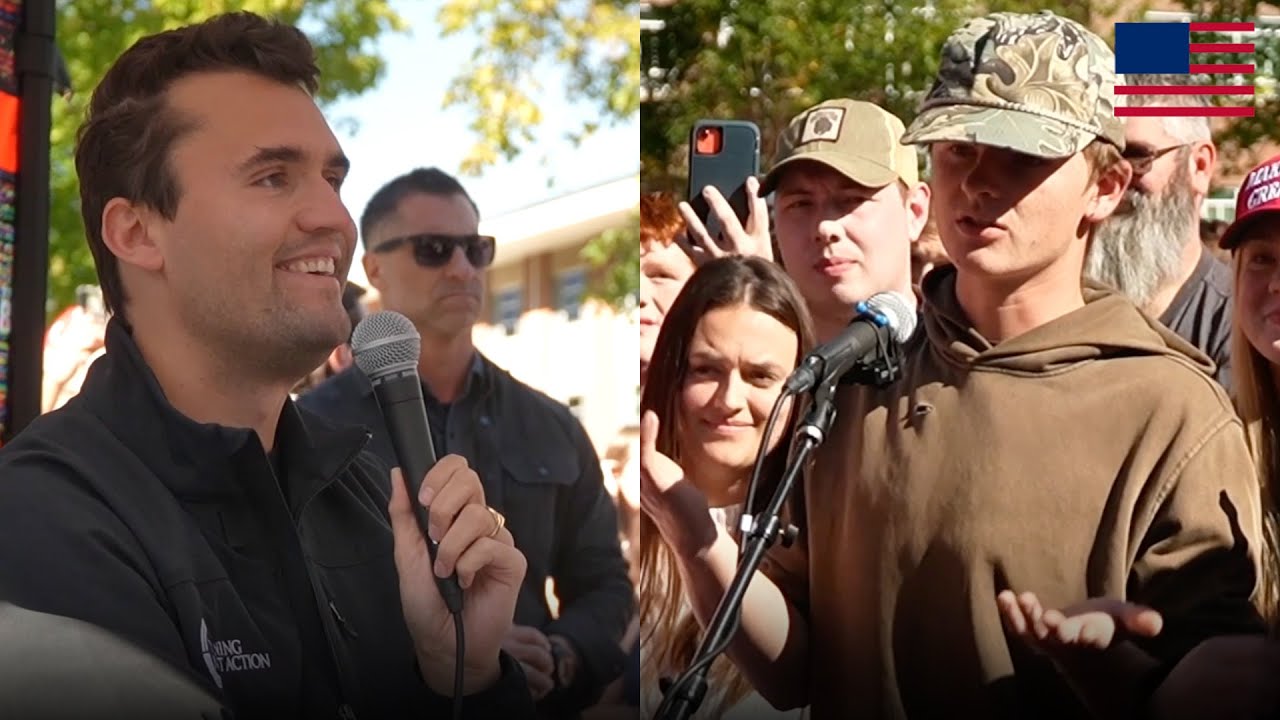
Charlie Kirk Defends Free Speech Absolutism: Why Even Hate Speech Should Be Protected in America
Enjoying this? Share it with someone who needs to see it.
Up Next
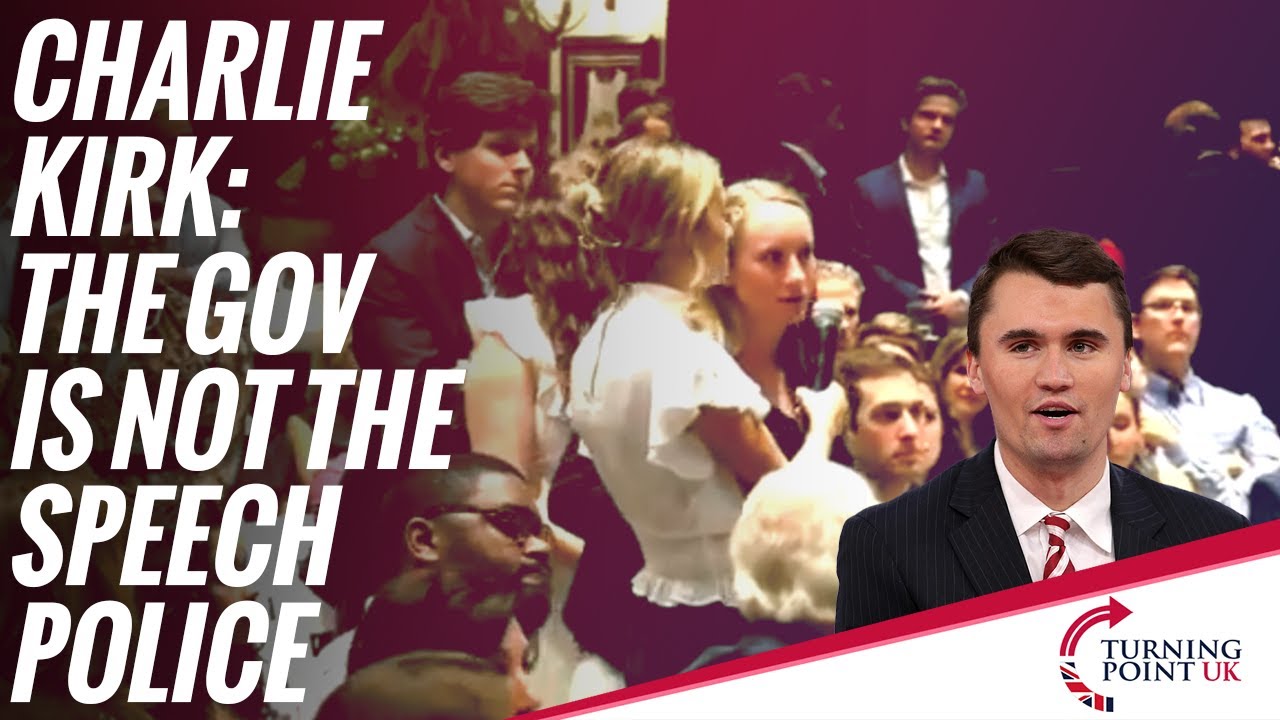
Charlie Kirk Defends Professor Watchlist Against Student Claiming It Inhibits Free Speech on Campus
4:31
Charlie Kirk Exposes Cornell's Social Justice Roundtable Comparing GOP to ISIS While Silencing Conservative Speech
3:25
Charlie Kirk Explains Why Hate Speech Should Be Protected and How Censorship Backfires in America
3:51
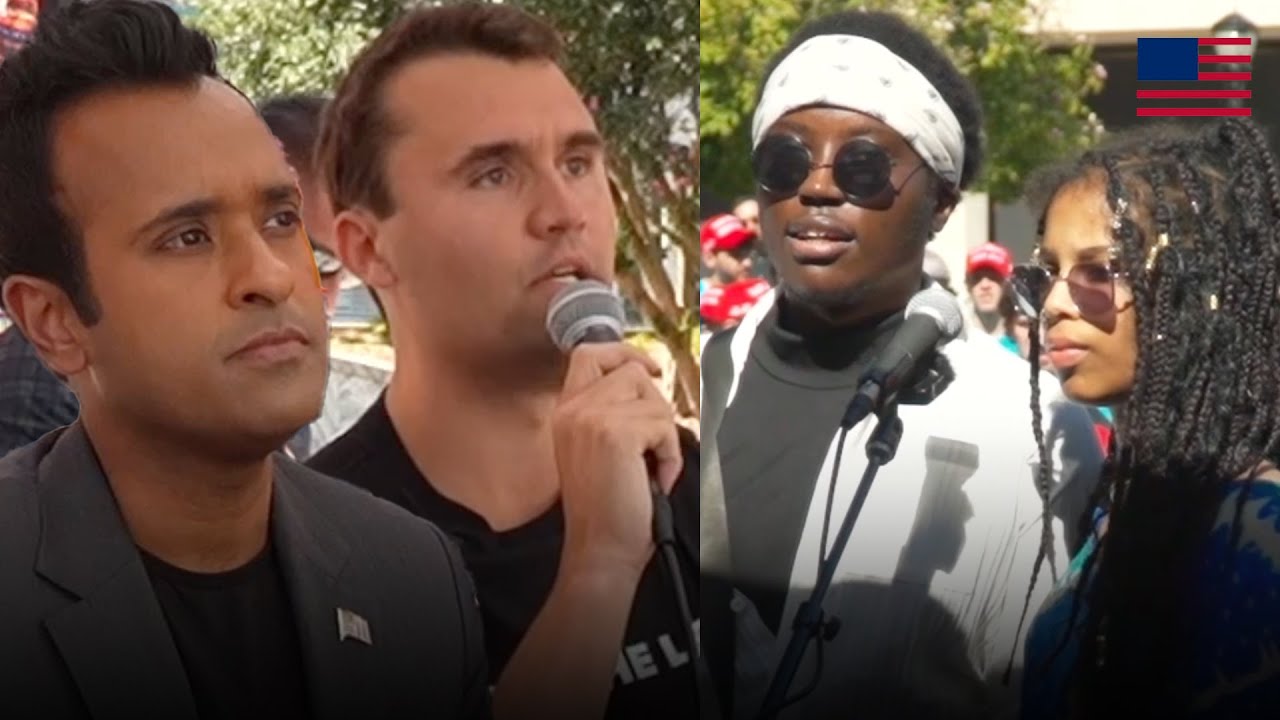
Charlie Kirk Defends Free Speech Absolutism: Why Even Hate Speech Should Be Protected in America
Charlie Kirk makes a case for unrestricted free speech, arguing that even the most reprehensible ideas should be protected under the First Amendment. Drawing on examples from the ACLU's defense of Nazi marchers in Skokie to the Westboro Baptist Church, Kirk contends that censorship only empowers extremists by allowing them to claim victimhood. He believes a true marketplace of ideas, where bad speech is countered with better speech rather than silenced by government, creates a more engaged citizenry. Kirk distinguishes between protected speech and actionable slander, noting that knowingly publishing false information should face legal consequences. His perspective challenges contemporary debates about hate speech laws and content moderation.
Charlie Kirk holds an uncompromising position on free speech: even hate speech should be completely and totally allowed in America. He argues that the most disgusting speech should absolutely be protected, a viewpoint he notes is no longer held by the political left or even by organizations that once championed it.
Kirk references the American Civil Liberties Union (ACLU) as a historical example of principled free speech defense. The organization once sued to allow legitimate Nazis to march through downtown Skokie in the 1980s and 90s. The ACLU's reasoning, according to Kirk, was that as soon as you use the word "hate," it becomes a subjective term open to interpretation by whoever holds power.
The Marketplace of Ideas
Kirk's fundamental belief is simple: the more speech, the better. He uses the Westboro Baptist Church as a case study. While acknowledging that their message is disgusting and reprehensible, Kirk opposes making their speech illegal. Instead, he points to the organic response their appearances generate—multiple people show up peacefully to demonstrate how foolish the Westboro Baptist Church's message is.
In Kirk's view, a civil society allows the best ideas to win in the marketplace of ideas. This requires an open forum where all perspectives can be examined and debated.
The Unintended Consequences of Censorship
Kirk identifies what he considers the real issue with hate speech laws: shutting down such speech only makes those people more powerful. This represents the unintended consequence of censorship—giving more credence to the silenced person the moment you shut them up.
When someone is censored, Kirk argues, they can play the victim card. They claim authorities are trying to silence them because they have something everyone else wants and pose a threat to the establishment. Kirk's response: "No, you're not. You're just a fool and those people have too much power."
He points to Europe, particularly Germany, as evidence for his argument. In Germany, where swastikas and Nazi paraphernalia are not allowed, the white nationalist movement is actually gaining traction with a rebellious underbelly. Kirk suggests that prohibition creates allure rather than eliminating dangerous ideologies.
Public Examination Over Prohibition
Kirk's prescription is direct: bring your bad ideas publicly so decent people can cross-examine you, see who you are, and convince the public otherwise. He acknowledges this is a hard argument for some young people to hear, as they object that hateful speech deteriorates the country.
But Kirk counters that it's not the speech itself that deteriorates society—it's when those ideas spread unchallenged. Good people will speak in opposition when bad ideas are aired publicly, he argues, making him a self-described free speech absolutist through and through.
Speech as the Foundation of Citizenship
Drawing on classical philosophy, Kirk explains that the utility of speech is what makes human beings different from any other type of being on the planet. He references Aristotle, who said humans are the speaking beings, noting that our capacity to communicate defines who we are.
Kirk believes free speech creates an act of citizenry. When bad people are allowed to speak and really bad people are given permits, the entire population responds with disgust and mobilizes—making yard signs and speaking out against them. Citizens remain on their toes, looking out for threats to their values.
Conversely, when the government becomes the speech police and starts calling the shots, citizens become complacent. They think the government will get rid of the bad guys for them, becoming less active and less responsible for the country around them.
Where Kirk Does Draw the Line: Slander and Libel
While Kirk refuses to draw a line on speech content, he does distinguish between opinion and slander. When someone makes the intentional publication of false information through a news outlet—knowingly false information—Kirk believes they should be able to be sued in court more generously under libel laws.
The difference, as Kirk sees it, is clear: if you know you have materially false information and you publish it to a wide readership, that is not freedom of speech. That is slander, and it's clearly defined by Supreme Court precedent. Protected speech covers opinions, no matter how offensive, but knowingly publishing false facts crosses into actionable territory.