
Up Next

Charlie Kirk Debates Feminists on Gender Identity, Women's Happiness, and the Collapse of Western Civilization
21:14

Charlie Kirk Confronted on LGBT Stance: Woman Loses Instagram Friends for Attending Turning Point USA Event
1:54

Charlie Kirk Debates Feminism, What Is A Woman, and the Happiness Crisis Among Western Women
21:14
Charlie Kirk Debates Modern Dating, Pornography, Feminism, and Gender Ideology With Young Progressive Women
Charlie Kirk joins the Whatever podcast for a candid conversation with five young progressive women and content creators about the state of modern dating, hookup culture, and fundamental worldview differences. From discussions about pornography as a social addiction to debates over what defines a woman, Kirk offers a traditional Christian conservative perspective while engaging respectfully with views that sharply contrast his own. The conversation touches on marriage, family formation, political compatibility in relationships, and whether sex should be reserved for committed partnership. Kirk shares his personal experience of waiting until marriage and argues that building a family remains the most fulfilling pursuit, while his co-panelists defend their choices in adult entertainment, open relationships, and progressive values.
Introduction to the Conversation
Charlie Kirk, founder of Turning Point USA and host of The Charlie Kirk Show, appeared on the Whatever Dating Talk podcast for an unconventional discussion about modern dating culture. The 30-year-old conservative commentator from Arizona joined five young women—most involved in social media, content creation, and adult entertainment—to explore the fundamental disagreements shaping relationships in contemporary America. The panel included Sophia, a 21-year-old streamer from Chicago; Aaron (known as Straighter), a 25-year-old progressive political organizer from South Texas now based in Miami Beach; Savannah, a 26-year-old clothing designer and model from Los Angeles; Pixie, a 24-year-old from Puerto Rico working with Progressive Victory on streaming operations; Angel, a 19-year-old social media creator and piercing apprentice; Dina Snows, a 25-year-old content creator from Dublin, Ireland involved in adult films and influencer boxing; and Molly Little, a 20-year-old adult performer.
The conversation began with introductions and relationship statuses, revealing a mix of single participants, new relationships, and Kirk as the only married person at the table. Kirk described his marriage of nearly three years, his five-year relationship with his wife, and their daughter as the greatest source of joy in his life—setting the stage for deeper discussions about what constitutes fulfillment and how modern culture either supports or undermines the pursuit of lasting love.
Dating With Intent to Marry
Kirk opened by sharing his belief that people should date with the intent to marry, criticizing modern hookup culture as fundamentally incompatible with human flourishing. He described coming home to his daughter running up to squeeze his leg as more joyful than any professional accomplishment, including flying on Air Force One or meeting presidents. This prompted Molly to suggest that Kirk's hope for the panel to experience similar joy implied they wouldn't achieve it due to differing values—an interpretation Kirk quickly clarified wasn't his intent.
When Kirk asked Molly if she wanted to be a mother someday, she confirmed she did and believed her relationship was strengthening despite her work in adult entertainment. Molly explained that being in pornography and having what she described as an open relationship actually strengthened her bond with her boyfriend by forcing them to communicate about boundaries and focus on deeper connections beyond sex. Kirk challenged this perspective, suggesting that sex involves more than physical connection—it's an energy exchange that should ideally be reserved for one's soulmate. Molly countered that sex can exchange different types of energy and serve various purposes beyond intimate spiritual connection.
Kirk posed a hypothetical: if he could wave a magic wand and Molly could make a million dollars annually without doing adult content, would she quit? Molly's answer was an immediate no, explaining she's an exhibitionist who genuinely enjoys her work beyond financial compensation. Kirk acknowledged this showed principle rather than pure financial motivation, but asked whether Molly had considered that sex might be better saved exclusively for the person she loves most.
Defining Love
Kirk asked the panel to define love, noting it should be a fundamental goal in dating. The question proved challenging, prompting thoughtful responses around the table. Sophia described love as an emotional connection between two people who value and accept each other, including choosing to grow together despite discovering things you don't like about your partner. Aaron defined it as a connection existing between human beings rather than things, deliberately distinguishing love from materialism.
Savannah agreed with previous definitions, emphasizing that love means accepting someone for all of who they are, not just the good parts, and should be unconditional. Pixie acknowledged difficulty with the concept of love, describing herself as somewhat scared of it, focusing instead on self-love. She couldn't imagine loving someone unconditionally except herself. Other panelists agreed that fear of love stems from fear of happiness because happiness isn't permanent, and relationships inevitably end either through breakup or death.
Molly offered that the most beautiful aspect of love is that true love doesn't require being loved back—it hurts when unrequited, but you still love that person. She defined love as a deep understanding and acceptance of a human being. Kirk then explained that English has collapsed multiple concepts into one word, whereas ancient Greek distinguished four types: fileo (brotherly love, as in Philadelphia), storge (love for a child), eros (erotic love), and agape (self-sacrificing love where you'd give your life for someone). He identified agape as the highest form of love from a Christian perspective, the kind he has for his wife and daughter.
The Pornography Debate
Kirk pivoted to questioning whether hookup culture and platforms like OnlyFans make achieving agape love more or less likely. Angel argued that many people today struggle with relationships because they don't know how to love themselves, and social media plus dating apps have created so many options that people don't take relationships seriously—if they don't like one thing about someone, they simply move on to the next option. Dina acknowledged that OnlyFans creates obstacles for being taken seriously, though she noted it actually increases attention in her DMs, even if that attention is more about lust than love.
When Kirk asked if Dina would quit OnlyFans for a stable soulmate who fully supported her financially, she said yes but expressed skepticism about needing a soulmate at all. Raised by an independent single mother, Dina worried she'd eventually tire of marriage and regret it. Kirk responded that while marriage is incredibly difficult and the hardest thing he's ever done, it's also by far the most fulfilling—pushing back against what he characterized as a dark cultural view of marriage.
Kirk asked the panel if they believed people should wait until marriage to have sex. When asked if he had waited, Kirk confirmed he had, calling it the greatest decision of his life. The panel reacted with surprise, with some saying they couldn't imagine waiting until marriage only to discover sexual incompatibility. Kirk offered an alternative perspective: imagine entering the marriage bed knowing you both have each other for the first time, never having shared that intimacy with anyone else. Molly countered that it would also be great if your partner were experienced and an excellent lover while also having a deep connection.
Kirk acknowledged that men's minds are rather undisciplined when it comes to thinking about other women, but argued that without other experiences or pair bonds—which he noted are scientifically documented, especially for women—there's nothing to compare the relationship to. He reiterated that sex is a powerful thing, acknowledging how difficult it is to wait until marriage but suggesting it's a worthy aspiration worth discussing non-judgmentally.
Concerns About Children and Legacy
The conversation took a sobering turn when Kirk asked Molly if she'd considered how her work might affect future children. He shared a story about a young woman whose mother was an adult performer—the woman was relentlessly bullied in high school by boys who showed her pictures of her naked mother. Kirk asked if Molly worried about her future children being confronted, teased, or ridiculed because of her line of work.
Molly acknowledged her children will definitely be confronted with her work but said she doesn't really care. She explained her perspective: what matters more is how she raises her children and their character, versus the character of children who would instigate negative emotions because of what she does for work. Kirk then asked if Molly ever worried she might be producing content that seriously damages other people. Molly's answer was a simple no.
Kirk asked Dina if she regretted any of her past sexual encounters. She said she'd probably take back some people but wouldn't change who she is now since those experiences shaped her. She added that if she could start over, she'd probably lose her virginity for porn and do more adult work earlier, though she does regret some meaningless one-night stands—situations where she got too drunk or couldn't easily exit, or encounters with weird people.
Political Progressives Defend Adult Entertainment
Aaron, the progressive political organizer, pushed back on Kirk's comparison between Molly's work and parental choices, arguing that any career path could lead to children being confronted by their parents' actions. She asked Kirk if he worried that controversial political statements he's made might lead to his daughter being bullied by children whose parents have opposing political views. Kirk acknowledged his daughter will definitely face confrontation due to his public life, but noted the difference: it won't be videos of him having sex online.
Aaron pressed the question: given that Kirk's views are polarizing and controversial, does he worry about children confronting his daughter with these things before she's prepared, potentially causing her to feel bullied or embarrassed? Kirk acknowledged this is indeed a factor of public life and expressed hope that he'll build his daughter strong enough to endure it. Aaron suggested Molly likely thinks the same way about building resilience in her future children.
Kirk asked the panel if they thought public political commentary exists on the same moral plane as filming yourself having sex. To his surprise, the panel—including Aaron, Savannah, and Pixie—said yes, with some suggesting politics could sometimes be worse depending on what's being discussed. Pixie stated that politics is definitely heavier than porn, and Savannah agreed that Kirk's political work could be more disruptive to the world than someone having sex. Dina added that her having sex with men isn't disrupting the world or putting it into shambles—if anything, she's giving lonely men who can't get women in real life a sexual release.
Pornography as Social Addiction
Kirk acknowledged he's personally struggled with pornography addiction, creating common ground with the panel's acknowledgment that porn consumption isn't particularly healthy. He then posed a moral question: What do you think of drug dealers who push fentanyl? The panel agreed they're probably not good people. Kirk followed up: if porn is a drug, how is Molly not either a drug dealer or drug manufacturer?
The panel pushed back, noting different levels of addiction—weed isn't fentanyl, and porn addiction operates differently. Aaron noted that porn addiction isn't currently recognized in the DSM-5 as a legitimate addiction; the only behavioral addiction formally recognized is gambling addiction. She distinguished this from impulse control issues with porn consumption, which would be similar to difficulty controlling consumption of anything else.
Molly offered a historical comparison to Prohibition. She noted that when alcohol was banned despite being linked to deaths and arguments, people didn't stop drinking—they just started getting arrested for it, ruining livelihoods in a different way than if people had control to stop the addiction by getting help. She asked Kirk what his solution would be if porn is such a bad addiction, because banning it wouldn't make it disappear.
Kirk first established common ground: the panel agreed minors shouldn't view porn. He explained that Utah and Texas passed laws requiring robust age verification—actual ID provision—but Pornhub sued because it would limit their traffic. The panel agreed that age 18 is a reasonable line to draw. Kirk then addressed Molly's question about solutions, acknowledging he wouldn't claim porn is solely responsible for problems with American men, but arguing that porn consumption definitively doesn't make better men. The panel agreed with this assessment.
Kirk cited Gary Wilson's book "Your Brain on Porn," explaining that pornography triggers dopaminergic responses identical to cocaine—sometimes even more powerful. He noted this highly interactive three-dimensional video phenomenon is unlike anything humans have encountered before, with science still studying its effects. He pointed out that the average American male spends 45 to 90 minutes daily on porn websites, making it the most-used product among young men in the country. Kirk described it as a social toxin, particularly sneaky compared to something like fentanyl, affecting married men and creating depressive effects in about half of male consumers. He emphasized that men are 50 times more visually oriented than women, though he acknowledged women increasingly consume pornography as well.
Political Compatibility in Dating
The conversation shifted to whether people should date across political lines. Kirk asked each panelist about their political orientation and whether they'd date someone with opposing views. Sophia described herself as politically undefined or indecisive, saying she'd be open to dating someone with different views and trying to find common ground. Aaron identified as leftist, further left than her liberal boyfriend, joking that she loves him despite his "filthy filthy liberalism." She explained they align on social issues while disagreeing primarily on economic issues, and since social issues tend to be most polarizing, their relationship works harmoniously.
Savannah said she's in the middle politically, having voted for Biden but now regretting it given what she described as the current state of the world. She'd be open to dating across political lines depending on how hardcore the person is on either side. Angel said she doesn't really care about politics and feels she's in the middle. Pixie identified as progressive and shared that her most recent date lasted only 20 minutes after her conservative date—who turned out to be a huge fan of Charlie Kirk—revealed his political views. She explained that some conservatives just mean smaller government and lower taxes, which she can deal with, but this particular man described himself as hardcore conservative. She told him she'd probably make him more upset than he'd make her, and they mutually agreed to end the date.
Kirk observed that typically it seems liberals are less prepared to be friends with conservatives than the reverse, citing studies suggesting conservatives tend to disagree ideologically while still maintaining relationships, whereas liberals often outright hate conservatives and view them as evil. Aaron disagreed, saying she comes from a conservative family and has many conservative friends, so disagreeing with people is just part of life for her. However, she noted there are hard lines—for example, if a future child came out as gay and her partner wanted to send them to conversion therapy, that would be a dealbreaker.
Kirk actually agreed that political compatibility matters significantly in relationships, arguing that couples need value alignment and worldview harmony. He noted that hundreds of daily questions arise in marriage—whether to have kids, whether to raise them religiously—and seeing the world fundamentally differently creates a recipe for disaster. He thought Pixie and her conservative date made the right choice ending things early. When asked if one issue alone could be a dealbreaker, Kirk confirmed that abortion would be a dealbreaker for him even if everything else aligned, because it's not like disagreeing about tax rates—it's philosophical.
Why Women Are Shifting Left and Men Right
Kirk presented data showing young women becoming dramatically more progressive while young men become more conservative—a trend happening on every continent, including South Korea, the US, Germany, and the UK. He asked the panel why they thought this trend existed. Savannah suggested it's because the Democratic/Biden side has more pro-women rights positions while the conservative side really doesn't, so obviously women gravitate toward the side that supports them.
Aaron offered a different perspective, first noting she doesn't find it valuable to ask people to label themselves politically because terms like "conservative" are nebulous—someone might describe themselves as conservative meaning low taxes and small government, but when you dig deeper they might be pro-choice and anti-interventionist on foreign policy, which include progressive tenets. She then argued there's been a big push to radicalize young men online through figures like Andrew Tate and other forms of media—essentially propaganda networks specializing young men in ways they haven't equally focused on women. She also believes feminism has left men behind and hasn't given them answers they're seeking, so they turn to what she called toxic figures for guidance instead.
When Kirk asked what conservatives could do better to reach young women, Aaron initially joked she didn't want to give away the secret recipe but then explained: many conservatives villainize young women and shame their choices, with some podcasts promoting cultural hypocrisy—saying it's okay for men to be promiscuous but not women. She suggested that avoiding this hypocrisy and not shaming women for their past or current choices would be a better way to reach young women.
Defining Woman and Debating Gender Ideology
Kirk posed the fundamental question: What is a woman? Pixie answered that a woman is somebody who presents as society's conception of womanhood and acts in such a way. Kirk asked her to define it without using the word "woman" or "womanhood." She explained it's a functional definition—society has an understanding of what a woman is based on how someone functions and presents.
Kirk challenged this, noting she couldn't provide a definition without using the word "woman" for what he called the most important question in civilization. Pixie defended functional definitions, comparing it to how we define other concepts by their function. Kirk asked for an objective, biological, or utilitarian definition, questioning how they could debate feminism if they can't agree on what a woman is.
Aaron slightly modified the definition: a woman is a person who performs a set of social roles typically associated with feminine characteristics, though not necessarily because even cisgender women fall outside this—like butch lesbians who exhibit masculine characteristics but society still understands as women. Kirk interjected that he finds "cis" to be offensive, even calling it hate speech, to which Aaron jokingly apologized for triggering him.
Kirk asked if anyone can become a woman. Aaron said yes, but not everyone will. When asked at what point someone becomes a woman, Aaron said it depends on where they are in their gender transition. Kirk asked if drugs are required to become a woman; Aaron said no, describing it as a mindset, spiritual energy, or vibe. Kirk responded that sex is more than physical for him—it's the least important part because he gets to share it with his soulmate, his best friend.
When Kirk asked the other panelists to define woman, Sophia initially asked to be skipped, then answered "I am a woman"—which Kirk praised as the answer Ketanji Brown Jackson could have given during her Senate confirmation. Savannah also said "I'm a woman" and added that a woman is someone who identifies as a woman. Dina gave a more complex answer: theoretically it's someone born with a womb, but this generation has proven men can turn into women, so while trans women are technically a version of man, they can still be classed as women. Molly agreed with defining womanhood as the energy you give off and want to put out into the world.
Kirk then asked if being a woman is a mindset, can age also be a mindset? Could someone choose to feel 14? Molly acknowledged knowing people who act much younger or older than their actual age and pride themselves on it. Kirk pressed further: if a 35-year-old man claims he's 14, should we have a problem if he wants to have sex with another 14-year-old? The panel quickly said no, clarifying they weren't suggesting people should be able to have sex based on how old they feel—Molly distinguished between feeling a certain age and actually being that age legally.
Kirk challenged the logic: if identity is an energy or feeling that can change, why would it be wrong for a 35-year-old to say he's 14, but acceptable for someone with male biology to identify as a woman? The panel attempted to distinguish between age and gender, with some saying sex and gender are two separate things. Kirk firmly stated: "There are zero genders, two sexes, and infinite personalities." He explained that gender is a 1960s clinical term largely created by John Money and Alfred Kinsey and postmodern child psychiatrists, many of whom he noted were "not really great people." He argued that what actually exist are personalities, proclivities, interests, and likes—making gender identity really about personality rather than a separate category of being.
Concluding Thoughts
Throughout the conversation, Kirk maintained a respectful but firm traditional Christian conservative perspective while engaging with views fundamentally opposed to his own. He consistently returned to themes of sex as sacred, marriage as difficult but supremely fulfilling, and the importance of building families as the highest human pursuit. The progressive panelists defended personal autonomy, sexual freedom, gender self-identification, and the validity of diverse relationship structures including open relationships and sex work.
The discussion revealed not just political disagreement but fundamentally different metaphysical frameworks—Kirk operating from a worldview where biological sex is immutable and sex has inherent sacred meaning, versus panelists operating from frameworks where identity is self-determined and sex serves multiple legitimate purposes beyond procreation and pair bonding. Despite sharp disagreements, the conversation remained largely civil, with Kirk expressing sympathy for the panelists while maintaining his positions, and the panelists defending their choices while acknowledging some of Kirk's concerns about porn's effects and the challenges of modern dating culture.
Video Transcript
Welcome to the Whatever Dating Talk podcast where we try to make sense of the modern dating hellscape. Thanks for tuning in. Tonight we're going to have the guests introduce themselves. So, please tell us your name, age, location, so where you're from and occupation. Go ahead. >> Hi, my name is Sophia. I'm 21 and I'm from Chicago. I am a streamer and I do a lot of social media influencing. >> All right, welcome. >> Hi, my name is Aaron aka Straighter. I'm originally from South Texas, but now based in Miami Beach. I'm 25 and I work for Progressive Victory, which is a pack dedicated to helping get progressive politicians elected to office. >> All right, welcome back. >> Hi, I'm Savannah. I'm 20. My birthday just happened. 26. >> Uh, I'm 26. I'm from LA. Um, and I'm a clothing designer slashmodel. >> Okay, welcome. >> Hi, I'm Pixie. I'm 24. I currently live in Miami, but I was born and raised in Puerto Rico. I also work with Progressive Victory and the streaming operations, helping connect streamers to legislators to help pass progressive legislation. So, yeah, here I am. >> All right, welcome back. >> Hi, I'm Angel. I'm 19. Um, I do social media and I am a piercing apprentice. >> Okay, got it. >> Hi, I'm Dina Snows. I'm from Dublin, Ireland. I'm 25 and I'm a content creator on social media on Only Fans. I also work with productions on adult movies. Um, and I'm also involved in influencer boxing scene and I've just started streaming on Twitch. >> You do any boxing yourself or you're just involved in the promotion? >> I just started training. I took it up two months ago cuz I've already done the ring ring girl. I've done ring walks. So, I'm taking training now and seeing where I can go. Maybe 2024 you'll see me fighting in the ring. >> Who knows? >> Got it. Okay. >> Um, hi, I'm Molly Little. Um, I'm 20 and I'm a porn star and I do Only Fans. >> I'm Charlie. Um, Charlie Kirk, honored to be here. And I run Turning Point USA and also host a podcast, The Charlie Kirk Show, and have a YouTube channel, all that good stuff. >> Sweet. >> From Arizona. >> Age? >> I just turned 30, so I'm getting too old for this stuff. >> Oh, wow. Okay. Well, okay. >> 30. >> When was your birthday? >> October. >> Yeah. >> Great. So what we're going to do is we're going to go around the table once more. What is everyone's current relationship status? So are you single? Talking stage situationship, friends with benefits, relationship, married, polycool. Uh how long have you been single? If you're single, what's the longest relationship that you've ever been in? Starting with you. Go ahead. >> I am single. Um I've been single for about I would say four months now. And the longest relationship I've had would probably be a year. >> All right. I'm Taken. I'm in a relationship with my boyfriend like in cooks and we've been together for five months and this is my longest relationship and my first relationship. >> Congrats. There you go. >> Um I am in a relationship. Um what was the other question? >> What is your longest? >> Longest two and a half years. >> I'm single like Pringle. I'm looking to date. My longest relationship was like 3 to four years. You said longest relationship was three to four years. >> Yeah. >> And is this a new relationship for you? Okay. Because I think last time you were on you were not in a >> like Yeah. >> Okay. Got it. Uh so how new is this? Like a month or so? >> Uh >> oh. If you can can you scoot into the table just a tad. Oh, is there no space? That's fine. Um how new is the relationship? >> Uh not even a month. So >> Okay. Can I have you scoot your microphone that way just a tad? No. Other way. >> Oh, >> yep. Perfect. What about you? >> I'm single. Well, I've been single for a year and my longest relationship was a year and a half. >> All right. >> Um, I've been single for about 2 years, a little bit over two years. And my longest relationship is between 6 months and a year. >> Yeah. And they usually always cap at that. I've only had like three relationships and they never last longer than that. I get bored too easily. I guess >> you get bored too easily. >> I think I don't know. >> And you said from 6 months to a year, you seem a little uncertain about the length of your longest relationship. Is is it a bit hazy in the sense of was it on again off again? Is that kind of what you're >> It wasn't really on and on on and off, but it was kind of like we dated for 6 months and then we were in a relationship. Okay. >> For a couple more months, so the total of kind of being in a situation and dating and stuff. >> Got it. >> Can be up to a year. Yeah. >> Okay. Molly, what about you? >> Um I'm in a relationship. It's been 10 months and my longest relationship was about a year. >> All right. Charlie, what about you? >> Happily married. Uh, okay. It's going. We've been together for 5 years and we'll be celebrating our three year anniversary in May and we have a beautiful daughter. >> All right. >> Well, I think um, you know, you're being the only married person here. I think that's perhaps a good jumping off point. Uh, I think a lot of people, both men and women, they're kind of frustrated with the current dating landscape. Do you have any thoughts on this? What's your diagnosis and any solutions? >> And we'll go we'll open it up. >> Sure. Yeah. Um, yeah, I think people need to date with the intent to marry. Yeah, I I'm a big critic of hookup culture in its current form. Um, I believe sex should be sacred and is sacred and it's it's really way thrown away way too generously in this society and culture. Um, and I can tell you I'm super blessed. I have the best wife in the world. We have an amazing life. Um, building a family is the coolest thing ever. And I my prayer for all of you is that you one day can do that. It's >> that's so cute. >> It's um it's honestly the most joyful thing. And I, you know, I've had some pretty amazing experiences. I've been very, very blessed. Very lucky, you could say, but very blessed is the word I would use. And the greatest joy I've ever had is coming home to my little daughter running up to my leg. There's nothing that even comes close to it. Not flying on Air Force One, not meeting with presidents. That's all that pales in comparison to your little girl coming up and squeezing your leg. >> Oh, >> okay. Got it. Uh, does anybody else have any thoughts on that with uh, you know? >> Yeah. So, I just wanted to circle back because you said something that caught my attention and I disagree with it. Um because you said something like um I hope all of you can like experience that and like >> you said something like I hope all of you can experience that. And I mean I don't disagree with that. I hope we can all experience joy in life like that. That's amazing. But I just feel like I don't know why you said it that way. like maybe we're not going to experience that because we don't have the same values as you. >> Is that what he said >> from that? I thought it was >> I don't I don't think that's >> I don't know. >> That's not the impression I got, but I'll if Charlie wants to answer. >> Well, if I said it that way, I didn't mean it that way. Um but do you feel is is that a goal that you have to be a mother? >> Uh there's a thing. >> Oh. Uh okay. The P star is giving Charlie a covert Well, okay. All right. Okay. Okay. Okay. All right. >> Uh, moving on. >> No, but but Molly, do do you think that >> keep keep it >> is that Okay. Oh, no. Sorry. Go ahead. Go ahead. >> Is that is that a goal that you would want for in your life to to be a mother? >> 100%. >> Yeah. >> Do you think that in your self-described current line of work that that is is more or less likely? >> What do you mean by likely? Like >> I mean maybe you can tell me more about your your line of work. >> What would you like to know? >> Um do you think that it's going to create a a good happy family in the future? >> Um right now I'm working on it. Yeah. Me and my uh boyfriend are doing really well in our relationship. And honestly, I think contrary to what most people would believe, I think um being in porn has strengthened us. >> What? Why is that? I I I've never heard that. Yeah. >> What can you tell me why? >> So, basically like being important and having sort of like this open type of relationship where you can have sex with other people. Um, obviously there are certain boundaries in the relationship, but it really makes you think about um, you know, what's important, why you love this person, and you know, you start to really hold things true that are deeper than just sex. And I think that on top of that, you can share sex with other people together, and that's really bonding. That's really fun. >> Are you ever worried that you do you ever get jealous of him if he has sex with other people? >> Yeah. Oh, you do? >> Yeah. >> So, how does that strengthen your relationship? >> Um, because we're able to talk about it and I think every time that I bring up a concern and he's able to soothe it and we're really able to like work on that bond, it just makes it stronger. >> Have you ever when you were having sex, do you ever think it's more than physical that maybe there's emotional and spiritual connections you might be introducing? >> No. >> So, it's a purely physical experience. Yeah. >> See, for me, sex is more than physical. It's actually that's the least part of sex for me because I get to share it with my soulmate. >> It's my best friend. >> It's definitely a big energy exchange. >> Yeah, it's a big energy exchange. And so, Molly, I would ask respectfully, you know, wouldn't you want to only share that energy exchange with the person that you love most and want to have children with? >> Um, I think sex can exchange different types of energies. So like you can exchange an intimate type of energy or you can exchange a really passionate like horny type of energy. You can exchange dull energy during sex. You can exchange manipulative energy during sex. Sex can be used for a wide variety of things. And I think the biggest one is like marital spiritual connection. But you can't deny that there's other benefits to it as well. If you if you could never if you could be with your boyfriend currently and I waved a magic wand and I said you can make a million dollars a year and never do porn again, would you? >> No. >> Yeah. >> Okay. >> Period. >> Okay. >> What are you making more than that a year, Molly? >> Uh, not yet. >> Oh, well then I mean aren't you doing that? That's your profession. So I assume you're doing that to make money, correct? >> Yeah, 100%. Well, just has a magical wand. He's got That's not the wand. Um >> he's for the sake of argument. >> He's used the wand. You can make a a million dollars a year. You don't have to do uh you know the adult content. >> Well, the thing is I wouldn't have to do it. That would be great, but I would still want to do it. I'm I mean personally like I'm an exhibitionist. I love like putting my sexual self out there for other people to see, for other people to like, you know, touch themselves to, have fun with. Huh? >> Can I ask you a question? Since you're about presenting yourself to the world, >> do you have a good relationship with your father? >> Okay, here we go. >> No, I don't talk to him. >> I I'm not surprised. >> Yeah, >> I actually think it's principled that you said you wouldn't give it up just for money because that shows that you do it for reasons beyond just like financial ones. That shows you have like a genuine passion and interest in it. >> Grid One Motorsports donated $200. In other words, sex is whatever she needs to make believe it is at the time she needs to rationalize it. It's called whole logic. >> Oh, I wouldn't use that language, but um Molly, what I would say is you seem like a sweet person. Maybe something to think about as the years go on that maybe sex should just be saved for the person you love most. I would ask you or the panel, what would your definition of love be? >> Me and the whole panel >> or just anyone? I mean, that's just a fundamental question with dating, right? answer. >> Is that a tough question, guys? What is >> kind of Yeah. >> Yeah. It's a very love answer. >> You know what? We Let's go around the table. Oh, no. It's great. It's great. It's great. We'll go around the table. Uh do you want to answer? So, your question is what is love? >> Yeah, that is a that's a song to love. >> It's a good song. >> Yeah. Or how would you define love? Because I think that define shouldn't that we all agree that's probably a good goal of dating to find love? Could we all agree on that? >> Yeah. I Yes. So, we'll start with you. We'll go around the table if you guys want to give your answers for for that. Go ahead. >> I feel like love is an emotional connection between two people that value each other and accept each other for who they are. I feel like that's what love is. I feel like real love is when you find kind of I guess things you don't like about the person you're with and you still choose to be with them and grow with them either way. I feel like that's real love. I feel like that's more of a romantic type of love. I feel like love is something that's going to transcend just romantic relationships. And I would say it's like an emotional bond that exists between human beings. And I say human beings just to specify that I don't think it exists between people and things cuz I think that's kind of materialistic. >> Oh, Flandife, thank you for the gifted 50 memberships. Appreciate it. Sorry. Go ahead, Aaron. Go ahead. Uh just that I think love is a connection that exists between people not things to get away from more of like a materialist understanding of like people saying like I love my car or I love this item or whatever. I don't really think that constitutes love but other than that I would not be able to really define it. It's a question that philosophers have been debating since the beginning of time. I don't know that it'll be answered on this podcast. >> Hold on. >> Donald Trump donated $200. I'm pleased to announce Charlie Kirk as my big announcement. It'll be the best. Big Trump Kirk 2024. Tremendous. We will make America great again. >> For the record, I'm not old enough for >> Oh, you're not old enough to be the VP pick. Okay. >> I thought we had a whatever exclusive here. Charlie Kirk. >> The VP pick. Okay. I'm sorry, Erin. Go ahead. >> No, just that. >> Oh, okay. What about you? >> I agree with both of them, so I like I don't really have anything else to add. >> Okay. All right. >> Yeah. There's different types of love. Obviously, we don't feel love for our parents the same way we do with a romantic partner or friend >> or friends. Yeah. >> Yeah. But with that being said, I would classify love as a deep connection and emotion that you share with someone and also kind of like really hoping for the best for that person for who they are and their future and just like what you hope you can do together as well. >> Okay. >> Um I agree with them as well. I think love is accepting someone for all of them, not just the good parts. Um, and I think that it should be like unconditional if you're gonna love someone that it should be, you know, the good and the bad. >> That's a tricky one for me cuz I have a hard um I'm difficult to kind of deal with the term love and things around it. I'm kind of scared of it. Um, but I feel like the main type of love that I like to focus on is just the self love. Like as the rest of the girls are saying, there's so many different types of love you can find in a partner. But I feel like I don't know. I couldn't imagine myself loving someone unconditionally, but myself, sure, I can find ways. >> Can I Can I ask a question? >> Absolutely. Go ahead. >> Um, why do you think you you're afraid of love? >> I don't know what it is. I think maybe the commitment >> is like Yeah, it's scary, isn't it? >> Would you say other people are you afraid of love? >> I feel like that way. >> I feel like people are afraid of happiness cuz happiness isn't long term. You can't stay happy forever, especially with the person. And it's not always going to be perfect. So, I feel like a lot of people are scared of love because I feel like, well, let's say you're in a relationship with somebody, right? And I guess the best thing you can hope for is to end up dying together. It's no matter what, it's never like forever lasting. So, I don't know. I think that's how it is. >> And it's also scary cuz like if you give more to someone and they like don't >> give it back, like that hurts a lot. I think I think honestly that's the most beautiful part about love because true love um doesn't really care whether you're loved back. Um it hurts if you're not loved back, but you're still going to love that person or >> yourself or whatever. Um but I think that >> love in general is just a deep understanding and acceptance of a human being. >> Yeah. >> Yeah. The uh the Greeks had four words for love. English has screwed this up. So in Greek, the first word would be fileo, which is the brotherly love, the city of brotherly love, Philadelphia, right? So we all know that what that's like to love a sibling, right? But that's a completely different type of love than sto in Greek, which is to love a child, which is my wish for all of you. It's a great thing as I said. Uh, also there is aeros, which some of you may have had before, which is erotic. We get the English word erotic from. But then there's this >> he looked at me. Uh >> did you look at her? >> I I did kind of glance right in her direction right as you said that. >> Um so and then the last is agape which I'm a Christian. We believe that's the highest form of love which you guys mentioned sort of which is you would give your life for that person >> and that's a very hard thing right I would give my life for my wife in a second and for my child >> and um I I guess my question is and we anyone can chime in through the current hookup culture only fans is it more or less likely to get towards that ideal self-sacrificing type of love >> I don't Personally, >> yeah, you got I was just going to say personally, I think that a lot of people today are so wrapped up and stuck because they don't know how to love themselves >> and that causes, you know, a lot of stuff to happen and it can uh cloud your mind from really being able to um what's the word I'm looking for? Pursue and look for a connection with another person. And also with like social media and like dating apps and stuff now, like people are so used to like having options and just like literally just having like whoever they really want to. >> So it's like a lot harder for people to be like I guess more serious because once >> Go ahead. Keep going. Keep going. Keep going. >> Uh because like one I don't know like for a lot of people that are into like hookup culture and stuff like I don't I don't know. I just feel like there's a lot of options and people don't take it serious cuz there's so many people to choose from and like if they don't like one thing about you, they're like, "Oh, okay. I'll just find someone else then." Like I don't know. It's kind of >> Yeah. But I think that goes in terms of like anybody, not just Only Fans people. Yeah. >> Um Only Fans obviously does get in the way of someone wanting to take you serious. But I've actually noticed Only Fans has got a lot more guys in my DMs. So when I post a booty pick, everyone is loving me. >> Well, do they love you or do they lust you? Well, it's yeah, probably more lust, but it's still something to feed my attention ego. >> If if you could find a stable soulmate, would you would you quit that line of work >> if you were if you were totally financially supported? Similar to the question of Molly. >> I mean, anything to make me stay in bed all day, I'll drink it. So, um, yeah, but in terms of a soulmate, I don't know. Like, I would I'd rather myself be my own soulmate. Like, I was raised by an independent mother. I haven't really seen much of a like kind of I guess a relationship, but I also feel like you don't really need it. My mom has done everything for herself and for me. Um, so I don't know. I just I feel like menopause as well. I'm going to get sick of them and I'll be in a marriage that I will regret. So, >> sick of who? >> If I get married, >> you guys have such a dark view of marriage. It's a beautiful thing. Everybody, it's this exciting amazing No, I trust me. And part of the problem is the culture is so dark and terrible. >> It is. >> It I will be per It's very hard. >> Marriage is very difficult. It's the hardest thing I've ever done. >> And raising kids is even harder than that. And I've done some difficult stuff. But it's by far the most fulfilling. >> Charlie, do you think people should wait until marriage to have sex? >> Ideally, of course. Yes. But I'm not here to judge people that. I mean, I'm not here to say that you're a bad person or whatever. That's I have my >> Sorry. Can I just ask? >> Yes. Did you wait till marriage? >> Oh, really? It >> was the greatest decision of my life. >> Wow. Wow. I would not be able Imagine you wait until marriage and you find out the >> I had other hate that. Like I would be so >> Well, there's more important things. >> I think more important things. >> Yeah. Yeah. Like >> you can't leave it up to the marriage day, man. Sexual interaction. >> Let's Let's play the other other side of it. Imagine going into the bedroom on your marriage night >> and knowing that you both have each other for the first time. You never had to share that human being. Yeah, true. But then again, I lost to a virgin as well. >> Or imagine if they were really experienced and they were an awesome lay and you guys also had a connection. That would also be really fun. >> Or if they're a man, they might be thinking about other women for the rest of your relationship. >> I don't think men stop thinking about other women just cuz they get married. >> I really doubt that. >> Will do that no matter what. >> No, men men's minds are rather undisiplined. You are right. That is true. But they don't have other experiences or pair bonds, especially for young women, which pair bonds are a real thing to compare that to. But look, I I will go back to what I said. Sex is a very powerful thing. We all agreed with that, right? >> And I think you have >> a tool. One might even say, >> yeah, >> it can be used. It could be abused. It could be but in its ideal, which is I fully acknowledge it's very, very hard to do. Very hard, very hard, very difficult, but should be a goal that I would like to see more people at least talk about in a non-judgmental way that is worth aspiring to. And it's not impossible. It's not impossible. It's It's not popular, but it's not impossible. >> Okay. Did you have a response, Aaron? Or I thought someone over here had a >> I don't think so. >> I feel like I had something to say about >> Oh, did you have Yeah, sorry. Did you have more? >> Does Does Did any of you could wipe the SL? I know this is hypothetical. That's okay. >> Well, I remember one time, you know, you were saying that like, oh, if you only have one partner, you're not going to think about other people, but I actually feel like that might make you wonder even more. >> Yeah. Yeah, >> you'll be seeing all these girls online. You'll be watching porn. You'll be thinking about all these other things and it's like all you have is one person and like >> I don't know. I feel like that would kind of open up a lot of curiosity. >> Yeah, that would drive me crazy. I would like always be wondering what I was missing and like did I miss out on something good because I was holding out for something that maybe turned out not to be what I thought it was. >> Yeah. Looking around, I can't say that I I think I'm missing much to be honest. Not around this table. I'm just saying no. Not around this table. I just say the country. Just in general, not around this table. I just What am I missing? Um, you know, I have a And by the way, >> is he missing anything? >> Yeah. What? Is he missing? >> I mean, if you're saying if you're saying that she's like, >> you want to person not every day is amazing, but >> Well, obviously you're missing out on some good threesomes. That's all I'm saying. >> Okay. Uh, >> if that is the compelling argument, >> then I don't know why that's not working. Our audience, >> look, everything in life is a choice. I get to have a soulmate that I get to go on adventure with and a beautiful daughter and you get to have orgies. >> You can still have a soulmate and a beautiful family and do porn. >> So, Molly, I don't think you're right. Um, and if it works for you, then you will definitely defy the odds. >> No, I think it does work. I think it can be proven that you can. >> I know for a fact it works. I have friends with with kids and like friends who are in relationships, getting married, and they're very prominent, doing porn, [ __ ] other people, having orgies. >> Let me tell you >> all that jazz. >> Yeah. Let me tell you a true story about a young young lady who went to high school near here when she started to get 15. Her mom was a a porn actress. Um, and all the other boys would constantly tease her and bully her because they would show pictures of her naked mother. Uh, and it really really hurt her. Do you ever wonder that for your future kids, they might have to be confronted by that or teased or ridiculed by your line of work? I know they will be confronted with it, but there's so many ways to answer this question, but honestly, for one, I don't really care because to me, the way that I look at it and the way that I'm going to raise my kids says a hell of a lot more to me about the child who is instigating negative emotions in my child because of what I do for work rather than my child minding their own business. >> Do you ever worry that you might be producing content that could be seriously damaging other people? No. >> Okay. >> Charlie, you were about to say a little earlier, if you could wipe the slate clean, what was the question you had there? >> If you could wipe the SL theoretically and revirginize yourself. >> Oh, wow. >> And And would you >> could you go back to the person you were as a virgin? >> No. >> No. >> I love who I am now. I feel like everything happened for a reason and I I don't know. I love who I am now. Mhm. >> Would I take back the people that I did? Probably. But >> yeah, like you said, it made like who I am. So, no. >> Okay. >> I think I would definitely do some things different. Um, it's it's kind of ironic because this probably isn't the answer you're looking for, but if I was to start again, I'd probably lose my virginity for porn and do more porn things earlier on. Um, but yeah, that's just me. But there's definitely some body counts that I do regret. Just one night stands and all them lame things. But >> what why what what about they did did you regret just the >> just the one night stands >> they weren't worthy or >> Yeah, just like bad time or like weird people or like you know you get too drunk and you get in a situation you can't really get out of and stuff like that. But um in terms of then all the stuff I do for work, I love that because that's like an art form for me. So yeah, >> I want to circle back to something you said earlier where you said that Molly Molly's children hypothetical future children could be confronted with like her work, right? And I think that that is not I don't think there's any career path that precludes your child from potentially being confronted with what their parents say. Like I know that you're involved in like political work and stuff like that. Do you ever worry that things that you've said online or done or political actions that you've taken might be like your daughter might be confronted by them by somebody who has like somebody's kid who has an opposing point of view? I feel like that would like Do you ever worry about something like that? >> Oh, she'll definitely be confronted. It's just it's not videos of me having sex online. No, but you've said like tons of controversial things, right? So, do you expect that any of that could like have negative effects on her well-being or like how she's raised or anything like that? Or do you think um and I say controversial like neutally and descriptively like objectively if your views are polarizing that's going to incite conversation, debate, discussion? Do you ever worry about like kids confronting her with these things and her not being prepared to know how to answer them or maybe feeling like bullied or embarrassed? >> Yeah, I mean that's that's a factor of being in in public life for sure. Yeah. And hopefully um hopefully I build her strong up enough to be able to endure that. Right. >> Then I bet Molly thinks probably the same thing, right? Like that sort of resiliency. >> Do you think public political commentary is morally on the same plane as filming yourself having sex? >> Yes. Yes. >> Yeah. I think people if anything it could sometimes be worse depending on what the person is talking about, you know. >> I agree. >> Worse. Okay. >> I think politics is definitely heavier than porn. >> You think politics does more damage than porn >> uh for the actual life like the world? Yes. >> Yeah. Yeah. >> Her having sex with other men is not disrupting the world. >> Well, not just sex, but filming it in December. >> Putting the world into shambles. >> Give a men a release of their semen that they can't girls to [ __ ] them. So, they go jerk off to me. >> Lonely boys, you know, we're we're helping them. So, >> also, I feel like it's their choice to watch. So it's, you know, it's not like >> Well, I was also going to ask how kids would know that someone's mom is a porn star. How do they know that? >> Internet's forever. >> Can you get your mic? Um, >> internet. >> I mean, obviously kids, >> it would be a parental failure basically like the parents are not monitoring their child's consumption of media good enough and therefore they find porn. >> Donated $200. >> I was I go, >> my sprinkler goes like this. Oh my god. >> They give $200 for this. >> I got some interesting uh I got some >> Okay. All right. Thank you. Uh thank you for that. Um okay. Uh where were we? >> I finished my thought. >> Okay. >> Do any of you think that a generation of young men and having struggled with porn myself, totally acknowledge it. So no one >> Have you jerked off to me? >> Oh my god, Molly. He's thinking >> I I've never heard of you before. So, um yeah, >> that's the answer. Cuz your wife is watching. >> That's true. I've never heard of you before. >> Yeah, >> that was kind of out of pocket, Molly. Um >> Okay. Um so, >> Charlie Kirk, your political commentator. Um >> can I say one thing? >> Absolutely. Go ahead. Go ahead. >> Molly, I have sympathy for you. I do. You're trying to cope with the suppression of your soul and filming yourself having sex with other men and filming it is not the highest and best use of the talents that God gave you. It's not. >> And that is a talent God gave me. >> Well, it's not the highest and best use and it's not a talent cuz as I said in my belief, it is should that should be saved in a sacred domain. We're not going to agree on that. But I hope uh I hope you change course. I think you'll be happier and more joyful and I pray you don't have to suffer too much to realize that. Well, in my belief, this is my most happy and joyful. >> So, if Molly made like a huge pivot and started doing politics, would you support her political like runs and bids? >> It's not a matter of politics. I mean, I I just I want what's best for all the all of you here. And I don't think filming yourself having sex with men is the highest and best use of your talents. In fact, I think it personally has done a lot of damage to a lot of young men. Um, and don't take my word for it. Look, I mean, you can read the book by Gary Wilson, Your Brain on Porn. It is the number one drug in America right now and it it impacts men. >> It definitely isn't healthy. >> Okay. So, it's not healthy. So, we agree. So, let me ask a moral question. What do you guys think of drug dealers that push fentanyl? >> Good people or not good people? >> Probably not. >> Not good people. >> So, if we agree that porn is a drug, but hold on hold on a second. If if porn is a drug, how is Molly not a either drug dealer or a drug manufacturer? >> It's different levels of addiction. No, there's so many other drugs like weed is not fentinyl. >> We agree. Well, I wouldn't say weed is fine, but it is not as bad as fentanyl. >> But to there's different levels. >> Do you believe porn is a drug? >> I think it's an addiction. A drug is a >> No. >> So, what is what does porn do to the the male mind? >> I don't know. I'm not a male. >> Okay. Okay. Yeah. It is the same biochemical release as cocaine. It's almost identical. In fact, it's even more powerful at time. Not to mention the damage it does to their relationships and how it has to rewire their brain. That that goes without saying. But >> I don't really see the the comparison with like fentanyl and porn though because fentanyl actually kills people and >> and it's highly addictive. I know right now currently like porn addiction is not recognized in the DSM5 as a legitimate addiction. The only behavioral based addiction would be drug addiction. Something like fentanyl or whatever. Every other type of addiction is something that's like that you can't or sorry not drug based uh gambling. That's what it is. Gambling addiction is very real, but I don't believe porn addiction is. I think you can have impulse control issues with porn, but that would be like any other thing that you could have difficulty controlling like your consumption of. >> Mhm. >> So, go ahead, Molly, please. >> So, my my question is like um I kind of have a comparison of my own and I'll I'll try and sum this up as best as I can, but basically >> when prohibition happened, you know, people said that alcohol it was not good for you. It led to deaths. It led to arguments, negative things, whatever. >> Prohibition happened. People still found ways to have parties with alcohol, drink alcohols. Speakies existed. The only thing that happened was people didn't stop drinking alcohol. People started getting arrested and punished for it. And it started ruining people's livelihoods in that way instead of in a way that they have control over. Meaning that they can stop the addiction by getting help at any time. Mhm. >> So my question is, if you think porn is so bad, like an addiction like that, what's your solution? Because if you're going to get rid of it, it's still going to exist. >> Well, the first solution, I mean, can you at least agree, Molly, that minor shouldn't be viewing porn? >> Of course. >> 100% for a reason. >> Well, the age verification's a little bit >> So, let's let's talk about that. Utah and Texas passed laws that Pornhub sued that made it more robust. you had to actually provide an ID and Pornhub didn't like that because they said it would limit their traffic. >> So would you all agree that if there was robust ID checking that would like 18 we can at least agree we could draw the line there. >> Yeah, I feel like that's the normal age for >> I I'm glad glad to hear that. Um, so on the other side though, I mean, I think we have to acknowledge that the average American male spending anywhere between 45 minutes to 90 minutes on porn websites, it's it varies. I mean, this is a new phenomenon, and I just want to reiterate it that highly interactive three-dimensional video that triggers dopamineergic responses in the brain is unlike anything we've encountered. The science is still being studied, and Gary Wilson's book is phenomenal on this. to our brain on porn. In fact, it is the most used, let's just say product. We don't have to say drug product for young men in this country. And I guess you would all say that, let me just ask you, how many of you are thrilled with the status of American men? >> You think that they're strong and confident and they tell the truth? >> I love an American man as an Irish girl. Definitely. >> Okay. Well, then you're the Americans are silent. >> Okay. Yeah. But hold on. And I'm not going to say it's only because of porn because that would not be fair. But porn consumption does not make better men. >> No. >> You agree? >> I agree 100%. >> So that's where I'm just trying to introduce into the conversation. You you said what is the solution? So I would just say Molly, my advice, well my ask for you is you know for people to stop participating in it for that's not going to happen because the money is so good. But we should draw the line at 18. There should even be it should be very very hard to access. But to your point Molly, you're not wrong. People would always find it. But we should we should try to draw a line in the sand somewhere, especially with minors or have some sort of, you know, we should have some sort of acknowledgement that this is destroying parts of society. And I won't say it's worse than fentinel, but in some ways it's very very sneaky. Um, a lot of married men watch pornography. As I said, I've had my own personal struggles with it. It's incredibly addictive. It's incredibly um powerful. It also creates depressive effects in about half of the men that consume pornography. And I would just say that, you know, young ladies, it affects women differently than men. Men are 50 times more visual oriented than women. And that's not to say that women don't consume pornography. They they do and increasingly higher rates. But I I think it's a it's a social toxin right now. >> I don't think that's a >> Hold on. Just >> Charlie Cook and Joyer donated $200. >> Hey Charlie, just want to say thank you for everything you do. You are a force for good in America. Great to see you on the Whatever podcast. Question. Would you ever consider running for office? >> It's It's so scripted. Uh, no, not anytime soon. But thank you for the $200 to >> Wait, I have a question for you actually, just cuz I don't really like know who you are, but there's like a lot of >> You're very lucky. You're very, very lucky. >> I was just like, what do you do? Cuz I've seen like you've mentioned politics and now that like what do you >> I I run an organization uh called Turning Point USA. I am a conservative if you haven't figured that out. uh and and a Christian and I host a three-hour show every day in my name. So, >> okay, cool. >> Yeah, >> let's uh switch. >> I I envy you that you don't know, but yes, I'm sorry. Totally fine. Let's uh switch gears a little bit here. So, >> going around the table asking all the girls here. >> Would you date someone who does not align with your politics? So, if you're a liberal, would you date a conservative? If you're conservative, would you date a liberal? If you're a communist, would you date an anarcho capitalist? I guess I don't know. Um, so tell us what your political orientation is going around the table and if you would date somebody who differed from you politically and if so, why not? Starting with you. Go ahead. >> Um, honestly, I feel like I it wouldn't be that big of a decision for me. I wouldn't mind. I feel like I'm not that um strict about certain things. And I feel like if I if I want to be with him, I'll be with him and accept him for whatever it is. And maybe maybe even try to I guess Well, no, we can't agree to disagree. I feel like on certain things I might actually I'm too indecisive. Never mind. >> Where do you fall politically? >> Um undefined. >> Okay. Undefined. >> I'm not gonna say it. >> Okay. An anarchy. Anarchist maybe. I don't know. Not even a hint. Um, maybe you guys can pick up randomly. >> Okay, that'd be fun. >> Comm I don't know. Okay, Aaron, what about you? What about you? >> Yeah, I'm fine dating somebody who disagrees with me politically. I already do. My boyfriend's like a liberal, you know, which is a filthy filthy liberal, even though I'm, you know, further left than him, but I love him in spite of that. So, >> Oh, wow. >> Okay. So, what if you were to put a word to how you would describe yourself politically? Are you a leftist? >> Yeah, I'd say I'm like on the left. and your boyfriend's liberal. >> Okay. What about you? >> Um, it it kind of depends how I honestly on both sides. It depends how like hardcore they are because a lot of like hardcore like stuff like that I don't even agree with like on both sides. So, it would kind of depend on like what they believe in or like how hardcore they are with it. But, I think I could. I don't really I mean I'm always down to have like discussions and conversations. I think I could. Uh, as for my like political, I don't really care. >> You don't care. >> I I would say I'm like in the middle, honestly. >> Who did you vote for in the last election? >> Or did you vote? Most people don't vote. >> I I regret I regret my vote now, but we we could >> Biden, unfortunately. >> Kanye, you voted for Kanye. >> I That would have been a better choice, honestly. No, I I voted for Biden, unfortunately. >> And you regret that? I do. >> Why do you regret that? >> Uh, do you see the state of the world? I mean, like, >> you're smart. >> That's why I'm just in the middle. I agree with side like stuff on both sides. >> Good for you. >> Pixie, what about you? >> I'm a progressive. Um, my last date actually lasted 20 minutes because of this. Um, >> oh, wait. We have the tweets. Nick, pull up her tweets really quick. I saw your tweets. >> The receipts about that. We have the receipts. Nick, go ahead. >> How much money is in your guys' bank account? What was that? >> We No, they we had like a YouTube video randomly start playing Nick. >> You got Make it swirl bigger. SW >> Okay. I'm convinced I have to move from Miami just so I can actually find someone to date next. Yeah, >> today my date lasted a total of 20 minutes because he found that I was progressive and that he was conservative. >> At least it was a mutual decision on both of our rather figure out long-term incompatibility quickly than waste each other's time. So on that date of yours where you were out on a date with a conservative man who like was it kind of you said you said it was a mutual thing, but was it more so you who had an issue with it? Was it him or was it mutual? >> It was pretty darn mutual. Like what happened was um we were in the car, we were going to go to a bar and he asked me what I did for work. So then I started talking about it and he was like, "Would it bother you if I'm a hardcore conservative?" And then I was like I was like, "Well, what do you mean by that?" Because some people are like, "I'm a hardcore conservative." And what they mean is like a smaller government and less taxes, which is, you know, something I can like deal with. >> Um and then some people are like, "Oh, you know, like Nick Fentes style, you know, like." So, I asked him and he actually he actually said he was a huge fan of yours, which is like fine. >> That's that's a deal killer of Charlie or whatever. >> Charlie. >> Oh, okay. Okay. If it was you, you'd be >> No, no, no. But um and he was saying like, "Oh, you know, I just like I'm really >> Did he actually say that?" >> Yeah. >> I like this. >> Huge fan. Okay. >> Um but he was like, "I'm just like really hardcore conservative." And I was like, "Well, honestly, at this point, I feel like I would make you more upset than you make me upset." And then, >> you think so? Probably. It seems It seems to me the ca it seems to me that typically it's liberals who are not prepared to be friends with conservatives versus the reverse. I actually think they've done studies on this, it's conservatives typically, from what I've seen, tend to, while they >> disagree ideologically, uh, liberals just will outright hate somebody who's conservative and think they're like evil. I think it's >> No, I don't like that. I want to get to be friends with them so I can convert them into my leftist ideology. So, >> um, how am I supposed to convert them? >> Yeah, I come from a conservative family. Um, I have a lot of close friends that are conservative. So, to me, that's like I'm not new to disagreeing with people. That's just part of life for me. Um, >> but yeah, it just like I'm okay dating somebody who believes in like some different things than me. It just depends on what extent. Like for example, if I I want to have children in the future and if my child let's say comes out as gay and my partner's like we have to send them to conversion therapy. To me that's like a hard line. To me that's like no like I couldn't put my child through that. >> We can we can uh maybe come back to that specific thing. Um but how just curious how did you meet him? >> Oh hinge. >> You met him on on Hinge. Doesn't doesn't it allow you to disclose your political leanings on >> Yeah. I disclose mine. He didn't disclose him. Ah, okay. >> So, why did he go on the D? >> Yeah, if he had such a big if he had such a big issue with it. Well, okay. Uh, we'll continue going around. And then did you did you have anything in response to her, Charlie, or >> No, I actually think you guys made the right choice, believe it or not. I think you have to have value alignment. I think you have to have worldview harmony that you shouldn't date or marry people. I mean, you're you have kids or are you going to have kids or are you going to raise them religious or not? I mean, just the amount of daily questions that come up in a marriage is I mean, it's 500 a day. And if you see the world differently, then that that's a recipe for disaster. So, I actually think you guys made the I I think you should end up if you want to if you end up marrying somebody who sees the world the way you do. >> Yeah. >> I it would make you a happier marriage in a >> What if it was just one issue? Like if I'm assuming that you're anti-choice, right? Or pro-life? >> Oh, yeah. Proife. Yeah. >> Okay. So, if your wife is not pro-life, but everything else you guys agree, would that be a dealbreaker for you? >> That one would be a dealbreaker. Yeah. Cuz that's that's not like taxes, right? That's not That's not like, hey, you know, I believe in a 35% tax rate and I believe in a 20% tax rate. >> It's like philosophical. >> That's right. >> That's correct. >> Ryan, I actually have a tweet up that might this conversation. >> Uh, what do you mean? >> You want to see the tweet end? It's about how women are becoming dramatically more leftwing. >> Dramatic. >> Um, sure. We can take a quick look at it. >> I think I saw this. Young women are becoming dramatically leftwing. Young men are becoming more right-wing. Uh this is happening on every continent. So there's South Korea, US, Germany, UK. Uh >> scroll down just a tad. So uh we can see the UK here. >> Uh okay. >> Yeah. So I'm curious why why and I'd love to I mean this like non-sarcastically. I'd love to learn why why do you think that trend is? >> I think it's because one side Wait. Okay. So left is >> so so um >> I'm not like a huge politician. >> That's all right. So young young women are getting more in like the Joe Biden direction of the Democrat party progressive >> and young men are coming more you could say in the Trump conservative direction. >> I think it's more of that reason because obviously the >> like the Biden side or whatever you want to say um that side has more of like women's like rights and stuff. So obviously like well not right now but um like just in general like that the ideas of like that side have more like pro-women things and the other side really doesn't. So I think that's why >> I'm going to ask my uh young progressive organizer. Why why do you think because it's something that is >> I personally don't think it's very valuable to ask people to label themselves politically. Mostly because if somebody does that, what I want them to do is like write it down on a piece of paper and then crumple it up and throw it away. And usually just go issue by issue because I found that when you ask people what they mean by conservative or whatever, like Pixie was saying earlier, sometimes they'll say, "Oh, like low taxes, small government or whatever, but these are very nebulous terms." But when you actually get into it, maybe they describe themselves as conservative but more the libertarian type. So they might be pro-choice still. They might actually be interested in like a less interventionist like foreign policy. And then at that point, those are some like liberal tenants to me. So I don't think it's very useful to even try to like have people do that. Or you might even find some liberals that are like anti-UN, for example. >> Yeah. >> Nick, what? >> We had like an audio issue for a moment, but it seems okay for now. >> Oh, okay. >> Um audio issue. >> Yeah, there was some echo. >> AB check. Thank you for the gifted 50 memberships. Hold that thought, everybody. uh chat one in the chat if the audio is okay. One in the chat if the audio is okay. Um we had a echo. >> Yep. It's cleared up. >> It's it's okay now. >> Are we able to keep talking or? >> Yeah. No, they can hear us, but apparently there's some reports uh that we're reverb issue. It's happened once at the beginning of the show and once just now. No complaints. Um is the chat is it fine? >> We're good now. >> Okay, we're good. Sorry. Go ahead. So, I was going to say um personally I think um there has been like a big push to like radicalize young men online. Um you see this with the Tates, you see this in some other forms of media. So, I think young men in particular have been um very what is it called? Specialized. You have like these giant propaganda centers and networks focusing on trying to radicalize them in a way that they haven't necessarily put the equal focus on women. So, I do think that there's been a lot of like online radicalization going on. I also think like personally I'm a feminist but I think um there has like feminism has kind of left men behind and kind of has not given them the answers that a lot of them are necessarily seeking. Um so then they turn into like these like more what I would call toxic figures instead for guidance. So that's my answer when it comes to like this increased like radicalization. What what could um what could conservatives do better to reach young women? >> What could conserv >> This not a trip trap question. I'm I'm honestly curious. Yeah. >> Um >> I kind of don't want to give you that. Well, I'll give you the answer. >> Oh, it's a secret recipe. >> I'll give I'm >> You're going to give it in front of five million people. >> No, but I think a lot of um conservatives really villainize young women and like the choices that they take. um you see this not in this particular podcast necessarily, but there's some that are more extreme than this that um really focus on like shaming women or putting some like basically cultural hypocrisy like saying it's okay for men to be promiscuous, but women aren't. >> One Lotus Sports donated $200. >> Hey, thank you. >> I would not say young men have been radicalized. I would say that young men are being reminded they are men and not women and that real men value women because we are not equal. Yo, thank you. Good one. Appreciate it. Go ahead, Pixie. And I I if you can't make your point quickly because I do want to bring in everybody else so they can answer the original question. Go ahead. >> Yeah, but long story short, I think um trying to not be hypocritical about how we treat men and women and not necessarily like shaming women for their past or how they currently are is probably a better way to reach to them in my humble opinion. >> Okay. >> Okay. So, honestly, I'm not too educated on politics that I can say I'm one thing. Um, but I do think that my views do lean um more progressive. Um, but again, I'm not too educated on the topic. Um, but I think I could date someone. I have dated someone who was um conservative. Um, but for me, it's more there's make or breaks like you were saying about um, you know, if your wife was, you know, pro-choice and you um are not, um, that would be something that I could be like, "Oh, you know, that's where I draw the line." just certain things that, you know, morally I could not be with someone who had those views. >> What about you? >> Um, I'm not really big into politics either. I don't really understand it. All I know is that I'm pro-choice. I like equality. Um, but yeah, I don't know. I do agree though that your partner, you need to have the like similar mindset. So, it might be a bit difficult if I was to be with somebody that had a very strong political opinion. Usually I just go for people that are quite open-minded and chill. Um, but I think I could be open still because I like to learn new things when I'm with partners. So, it could open my mind even a bit more and I could probably learn about politics then. >> Molly, what about you? >> Well, I kind of I agree with what you said. Um, I've actually my ex-boyfriend is very prominent in politics and he's very conservative and um I'm not at all. Um, so that was definitely like an interesting dynamic. But I think overall we like really like respected each other's perspective. Um, and you know, I don't think that like conservatives are evil or like they have like a a bad agenda. I just personally like I don't agree with what they would decide for me if you know. Um, and so I think that in a relationship when you're with someone that shares different values, it would be extremely hard to be married to someone for the rest of your life, it's doable. Um, especially, you know, if you have that type of curiosity with the other person, but I for sure would want to be with someone who shares my kind of openness as well. >> Okay. And then Charlie, I think you kind of maybe already went over it, but I mean, do you have any thoughts on, you know, do you do you think it's a better idea for people when it comes to relationships or marriage to I mean, I think I have I have a sense of what your answer would be, but to uh marry someone who shares their same political beliefs and >> don't don't try to change your partner. That's that's a bad idea. >> Agree. >> Yeah. Don't try to change your partner. Don't Yeah. Erin, you said earlier your your boyfriend, you said he's >> well, he's not conservative, but he's liberal and you're much further left. You're leftist. >> Um, and you said you would, you know, when it comes to perhaps people, you would be friends with someone who's maybe more conservative, so you can shift them more left. I said, but >> Oh, you said, well, I was going to ask, have you shifted your boyfriend more left? >> Okay. So, he's pretty firm in his liberal. >> He's firmly planted in his filthy filthy liberalism, but I love him in spite of that. >> I see. Okay, got it. >> But we align on a lot of social issues. So if we want to like create a dichotomy of like social and then economic issues, feel like the economic issues is primarily where we have disagreement and the social issues, those tend to be, I feel like, the most polarizing and contentious. So if we had more disagreement there, we probably would not be able to be in a relationship together harmoniously. So >> Okay, I see. >> But friends, yeah, I'm open to radicalizing them, I'm sure. >> Okay, got it. Got it. So who here I'm curious, who here considers themselves a feminist? Maybe just show of hands. Are you a feminist? >> I don't. >> That's it. Just Aaron and Pixie. Molly a little bit. >> Okay. All right. Uh so Charlie, we've got some feminists here. >> What do you think of uh what do you think of feminism? >> I want them to define the term first because there's no use in me. Sure. >> Giving thoughts on a abstract concept. >> Sure. I'm all yours. >> What's your sense? How do you define feminism? Feminism is just simply the advocacy of equality both social, political, economic, on the basis of all genders everywhere. So that's what feminism is to me. >> Do you concur? >> I concur. >> Do you concur? >> Concurred. >> Okay. Okay. >> So you want me to thought on that? >> Do you agree with their definition of feminism? >> Um she I mean that would probably be the most agreed upon definition. Um, so I do believe in equality under the law. Obviously, I believe in equality for representation or infranchisement to be able to vote. Obviously, um, but you said economic equality. That That's interesting. Do you think that female models and male models should be paid the same by law? >> Yeah. Yep. >> Okay. So we should make female actresses and models pay be paid less because they get they earn about 20 times more than men. >> I think when you get >> women would get a pay cut. You're okay with that? >> When it comes to creative fields like that, it's going to be very difficult to look at it on the basis of like sex or gender how you would pay somebody because that's going to have so many more factors and simply that. But if we're talking about equal economic opportunities, like for example, should like a man and woman doing the exact same position at a corporate office be paid the same if they're doing the same amount of work? Then >> well, it depend depends on what they study, depends how long they've been there, it depends if they're equally as good at the job. It depends on >> all all else being equal, I'm saying if all of those things are equal, can we at least agree they should be >> that's already that's already the law. So you're not allowed to discriminate based on gender, sex, based on a law passed in the 1970s. However, what is now being tried to be passed through other movements is to try to swoop in and say regardless of qualifications, how often you ask for a raise. So, I'll ask a question. Um, why why do you think, for example, the average male, it looks as if they earn more than an average woman in a city? Is it because of sexism or other factors? I think sometimes implicit bias can be one factor among many, but like all the things that you mentioned earlier, different qualifications, different uh business acumen, skills, um work output, numbers of hours work could all be things that impact pay, >> right? So, >> and like studies that like focus on the gaps between men and women like do make note of these differences. >> Okay. Uh Skiz, thank you for the gift to 100 subs. Uh Charlie, do you have a response? >> Uh no, I I hear that. I do want to actually get back to even more of a fundamental question and I'm sorry I didn't ask this. >> Sure. >> What is a woman? >> Oh, >> a woman is somebody who presents as our social conception of womanhood >> acts in such a way. >> So Pixie just can you answer that question without using the word woman or womanhood? >> It's because basically it would be a functional definition. So as a society we have an understanding of what woman is. >> Man yeah that's basically >> I am a man. >> Well done. XY X Y chromosomes. >> Okay. But the problem with that is that I didn't check your chromosomes before coming in here and calling you a man. And you didn't check my chromosomes before coming in here or genitals >> or genitals calling me a woman. >> So let me let me just play this out. So first of all, you can't give me a definition without using the word woman. >> That's a functional definition. Yeah, sure. Do you know what functional definitions are? >> I'm I'm very well aware and you should have a functional definition for the most important question in civilization. Right. Well, the point of a functional definition, functional definitions are >> a definition that is by the function of something. So like for example um >> no there's an objective one is like a like one is a function of one. Do you understand what I'm trying to say? >> Yeah, I I do. So then can you give me an objective a functional utilitarian any sort of biological definition of what a woman is? Because how how can we debate feminism if we can't agree what a woman is? I don't I would even like I feel like Pixie's definition absolutely satisfies the definition of what constitutes womanhood, but I would define it only slightly differently, which is that it's a person who performs a set of social roles that are typically associated with um with feminine characteristics, but not necessarily because there are even cis women who fall outside of this and we still consider them women nonetheless. Like butch lesbians, for example, are women that exhibit very masculine characteristics, but nonetheless, society understands them to be women. So, >> I find cis to be a very offensive word. By the way, I don't know how you feel about the cis. >> I don't I don't think I don't think >> I think it's hate speech to be honest. >> I didn't mean to trigger you, Brian. I would have given you a trigger warning before if I had. >> So, do you think anyone can become a woman? >> Yep. But not anyone will. >> Okay. So, then at what point do they become a woman? >> It will depend on where they are in their gender transition for the >> Does it require drugs to become a woman? >> No. Personally, I think it's a mindset. It's a It's a spiritual energy. It's it's the vibe that you give off, you know, like >> the the vibe. Um, before we continue on, I want to just give everyone an opportunity to answer No, totally fine. To answer Charlie's question, I know you two had already answered. Uh, what what is a woman? Starting with you. We'll go around the table. Go ahead. >> Um, can you um skip me? We'll come back to it. I I am a woman. >> That's that's the best answer. That's the one that Katangi Brown Jackson could have given in front of the Senate. So, come back to you or >> Yeah, come back to me. Come back to me. Let me go ahead. Same. I'm like I'm a woman. I >> is a woman. Like I don't >> What about you? >> Can I have you tilt your mic down just a tad? Perfect. Go ahead. >> Right there. >> Yeah. >> Um I'm a woman. Um but I also do think that um a woman is someone who identifies as a woman. Um, and that's that's that >> I mean theoretically it's someone who's born with a womb, but this generation obviously has proven that people men can turn into women. Um, so I'm not discluding that. I still think that they should be um perceived as what they're um portraying themselves as. But technically, I still think trans girls, they are a version of a man, but they can still be classed as a woman, which is a bit tricky, but yeah. Yeah. >> Molly, >> um, I'll say the same answer. I think I think what constitute as a woman is the energy that you give off and that you want to put out into the world. >> So, if being a woman or a female is a mindset, can your age also be a mindset? Can you choose to be can you just say I feel 14 which is a classifiable mental condition by the way of in it. >> So I I will say um yes I know people that act way younger than they actually are and they love acting way younger than they actually are and I know people that you know like act way older than they are and they you know and they pride themselves in that and I think >> okay fair enough. So, if a 35year-old man claims he's 14, should we have any problem if he wants to have sex with another 14-y old? >> No, no, no. I'm not saying that you should >> probably should have a problem. I think >> No, no. I'm not saying he should be able to have sex, but >> but they can they can feel 14 to >> Grid One Motorsports donated $200. The man who owns it paid himself 1A 3 mil a day last year. He loves feminism. Today men acting female can be better women than real women. Feminism has failed you. How can the patriarchy help you today? >> That was beautiful. Grid one. Thank you. Appreciate it. >> Given a lot. >> Yeah, he's um so going back. >> But if your identity can is an energy or a feeling that can change, why would it be wrong for a 35-year-old to say he's 14? Therefore, >> he's not. But then how is someone who has male parts a woman if he's not a woman? >> That's two different things. >> It's a mindset, isn't it? >> Your age isn't a mindset. >> I mean, but then why is why is your sex or your gender a mindset and your age isn't? >> I don't know which one is which. One of you could probably sex and agree at least acknowledge that sex and gender are two separate things. That's what I was going to say. >> There are zero genders, two sexes, and infinite personalities. >> Okay. >> Gender doesn't exist. >> What do you mean? Okay. >> Sex does. So the parts you're born with is who you are. >> How does gender not exist? >> It's a it's a 1960s clinical term largely made out of the academy of John Money and Alfred Kinsey and many postmodern child psychiatrists, many of whom, by the way, were not really great people, but we don't have to go into that. But gender is a a new term of the last 50 or 60 years. >> Yeah. But it still exists. >> But personalities exist. We can agree with that. Proclivities or interests or likes exist. So by that definition then you're if you're a woman or a man is your energy. It is your personality. >> Well yeah you're the the goal or what used to be the case is the vast vast vast majority 99.9% of all people their biology and their reality or their how they v
Related Books
Browse Conservative Books




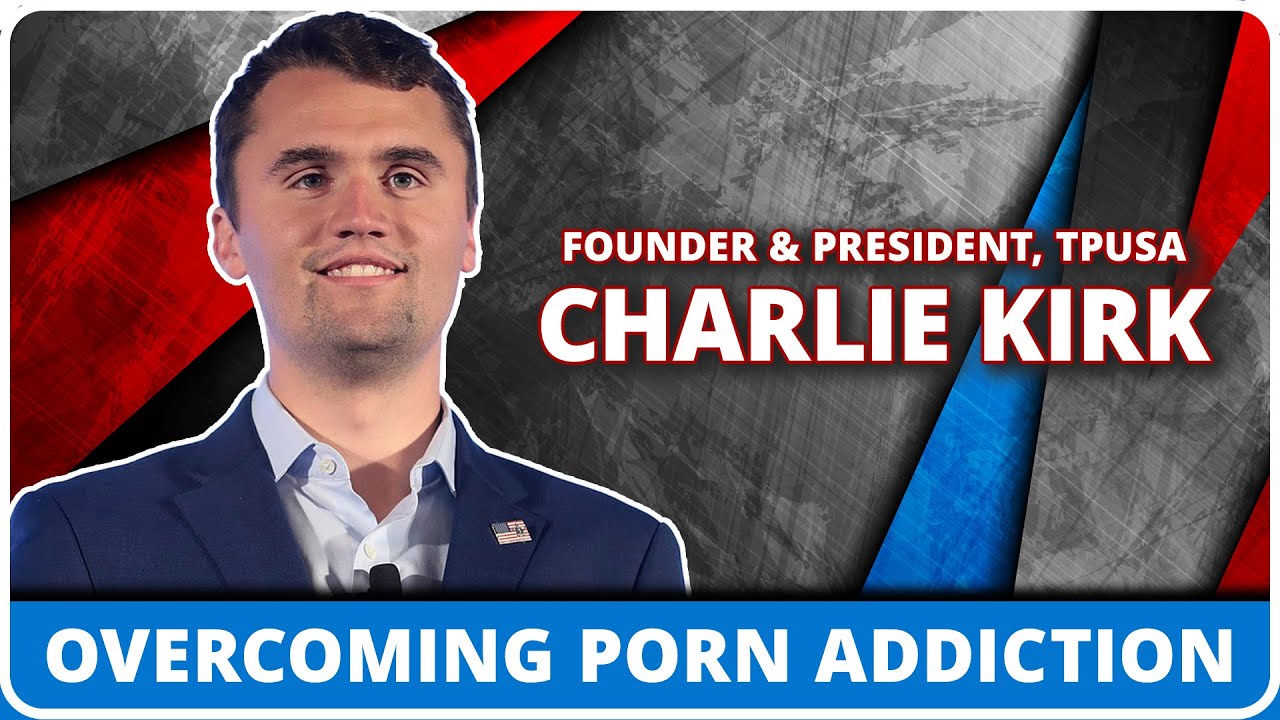


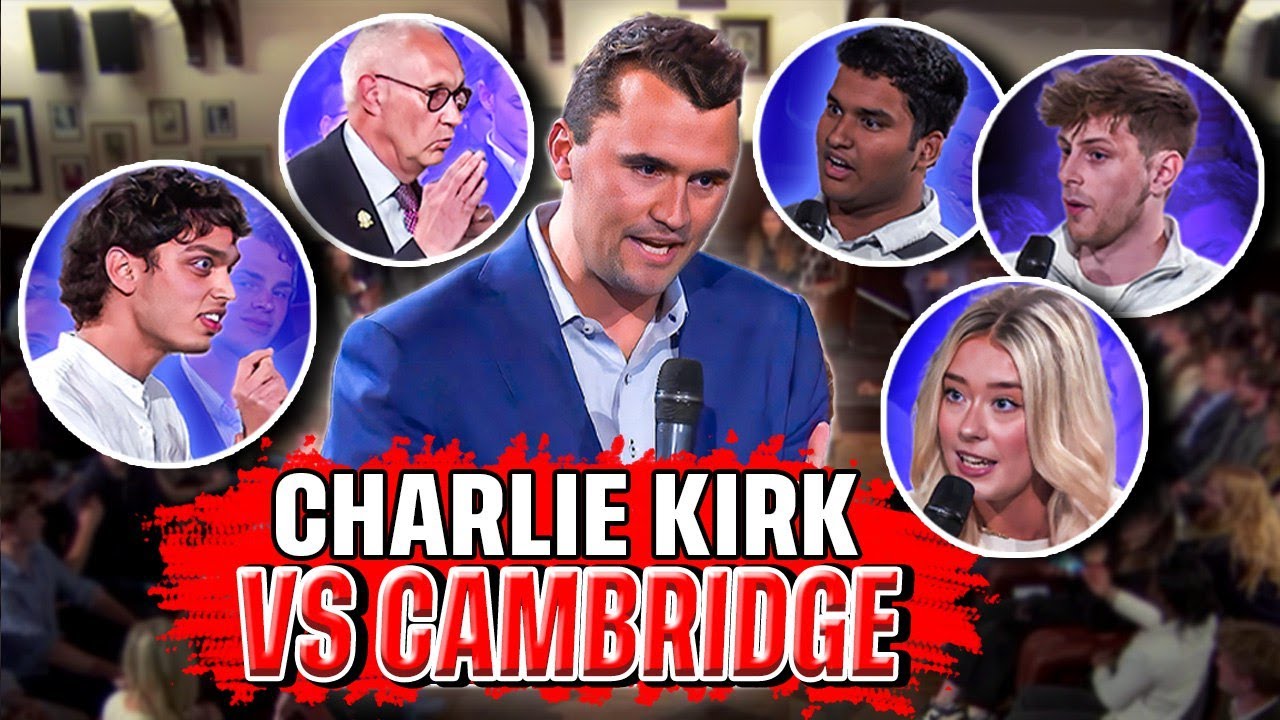


Comments
Be the first to comment on this video.