2,422 videos 1,389,747,653 views US Joined Aug 30, 2018
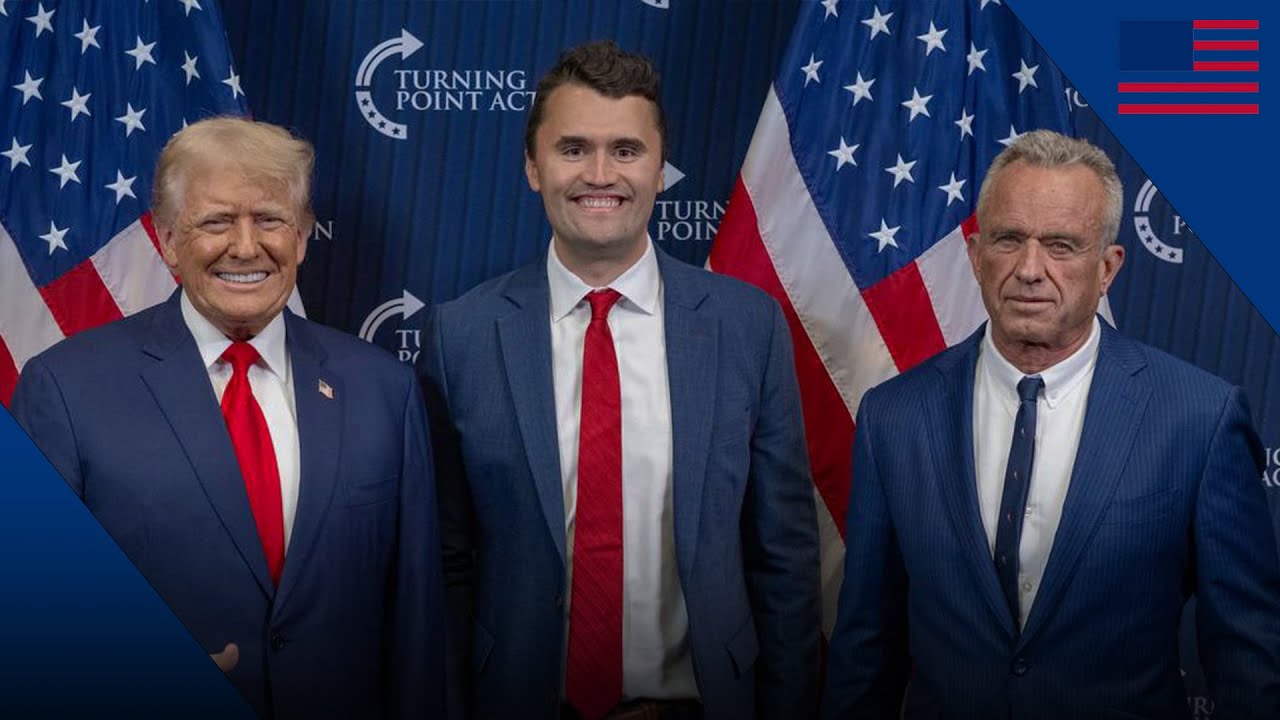
Charlie Kirk is the Founder and President of Turning Point USA, the largest and fastest growing conservative youth activist organization in the country with over 250,000 student members, over 150 full-time staff, and a presence on over 2,000 high school and college campuses nationwide. Charlie is also the Chairman of Students for Trump, which aims to activate one million new college voters on campuses in battleground states in the lead up to the 2020 presidential election. His social media reaches over 100 million people per month and according to Axios, he is one of the "top 10 most engaged" Twitter handles in the world. He is also the host of “The Charlie Kirk Show,” which regularly ranks among the top news shows on Apple podcast charts.
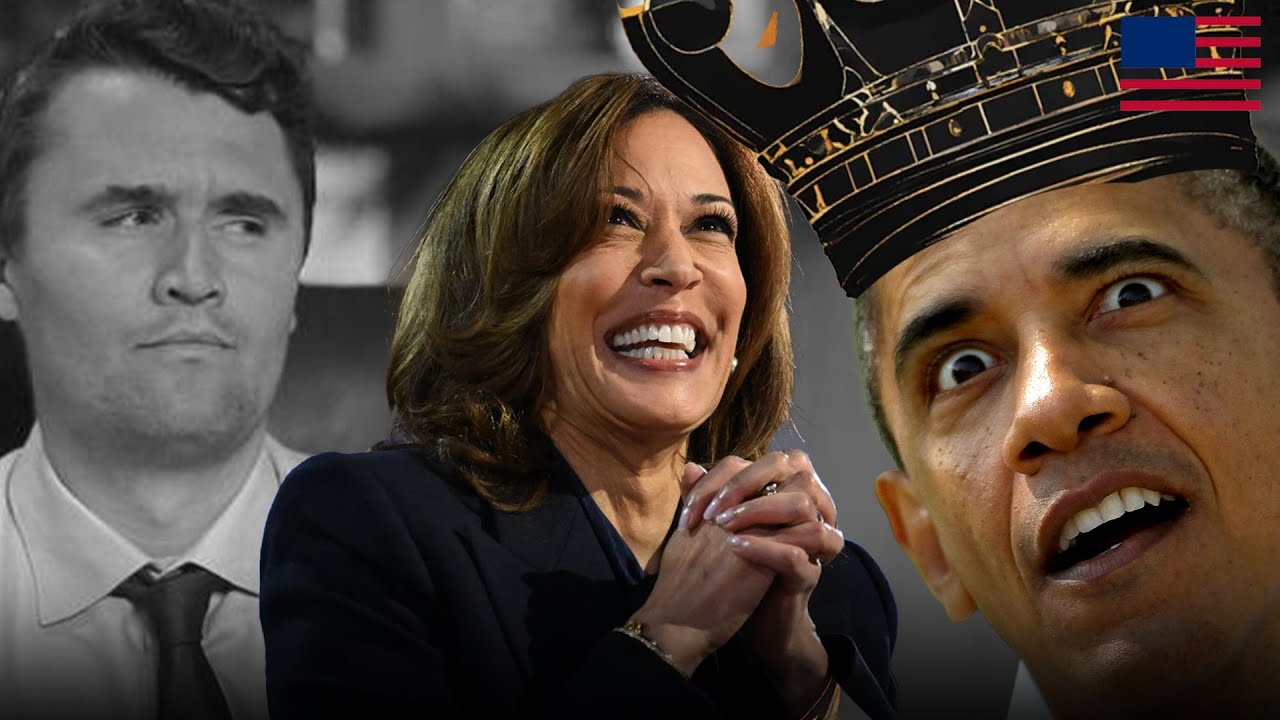
Charlie Kirk Exposes How Democrat Fundraising Creates Elite Disconnect From Real America According to Former Campaign Worker
Charlie Kirk highlights a viral confession from a former Democrat campaign fundraiser who reveals the troubling reality behind political campaigns. The former insider describes how candidates spend 8-10 hours daily calling wealthy donors, creating a system where rich elites control political priorities while everyday Americans are ignored. Kirk connects this revelation to the current state of the Democrat Party, contrasting their celebration of "brat summer" with Americans struggling under crushing debt, unaffordable housing, and skyrocketing interest rates. He argues the disconnect between political elites and working families has never been more apparent.
Former Democrat Insider Reveals the Money Machine Behind Politics
Charlie Kirk brings attention to a former Democrat campaign worker whose viral testimony exposes the inner workings of political fundraising. The former insider, who specialized in campaign fundraising throughout her career, provides a sobering look at how the political system actually operates behind closed doors.
"Throughout my career I've mostly done campaign fundraising so I've seen it the way that it works behind the scenes and I know that candidates spend eight 9 10 hours a day just calling donors and begging rich people for money," she explains. "It's pretty much the only people that they talk to and what this inevitably means is that we don't actually live in a democracy it's just rich people calling the shots and having the access to talk to the politicians they're the ones that basically get their ear all day they're the ones that can help shape and prioritize what the politician actually focuses on."
The DNC Disconnect From Real America
The former Democrat worker's disillusionment reached its peak at the Democratic National Convention, where she experienced a jarring disconnect between party elites and everyday Americans. Her observations paint a picture of a party leadership completely out of touch with the struggles facing ordinary citizens.
"When I first got into politics I thought that Democrats were the party of the people and at the DNC this week I felt like I was in a building with the most elite and out of touch people in the entire world," she states. "It very much felt like let's just have a huge party and forget all of our problems because the Vibes are brat when I was there I didn't feel any connection to real America or the place that I come from which is the midwest Kansas City Kansas and Missouri I don't think I can support Kamala Harris for president I don't even know if I can call myself a Democrat anymore."
Kirk emphasizes the significance of this testimony, noting that similar sentiments are emerging across the country beneath the surface of mainstream political discourse.
Let Them Eat Joy: The Economic Reality Behind the Campaign Rhetoric
Kirk draws a sharp contrast between the Democrat campaign's emphasis on "joy" and the harsh economic realities facing American families. He characterizes the disconnect as a modern version of Marie Antoinette's infamous indifference to struggling citizens.
"You will eat Joy let them eat Joy they say the whole campaign's about Joy look the country is not in a joyful state right now," Kirk argues. "People can't afford basic necessities people are going into debt to be able to make sure their kids have food on the table people had to cut back on their summer vacation people can't afford their home the next home they want to upgrade to they can't afford their car payment you got floating interest rates are around 18 to 20% right now people are getting crushed by this regime and they're dancing around as if it's brat summer."
He points out that while certain privileged groups are thriving, the average American is suffering. "If you are a lobbyist for Northrop Grumman if you are a tech bro for Dropbox or for Salesforce you're doing just fine but for the plumber or for the single mom or for the small business owner you are seeing your American Dream disappear in front of you."
Kamala Harris and the Impostor Syndrome Election
Kirk offers a pointed psychological analysis of Kamala Harris, arguing that her behavior reveals deep insecurity and a sense of being over-promoted. He connects this to broader concerns about leadership competence and the consequences of diversity, equity, and inclusion policies.
"The only thing Kamala is joyful about is that she somehow managed to become the candidate without winning a single vote and collapsing in the 2019 primary but deep down I I'm reading Kamala like a book I know her type," Kirk states. "Kamala Harris is a low confidence woman she does not believe in herself she's very anxious all the time constantly scared very paranoid you can read her like a book you can see it."
He argues that Harris's reluctance to give interviews or take unscripted questions stems from fundamental insecurity about her qualifications. "She's incredibly insecure you all know women like this in your life nothing against them I I have no problem with insecure women I mean we need places for a place for that but it's so clear that she's insecure she doesn't believe in herself she doesn't she thinks that she's over promoted she's low competence High insecurity and honestly that is a very dangerous combination when it comes to the president."
The Dangers of DEI in Leadership Positions
Kirk connects Harris's situation to his broader critique of diversity, equity, and inclusion policies, arguing that such systems create self-doubt in those who benefit from them. He suggests this insecurity becomes particularly dangerous when applied to positions of ultimate power.
"This is why DEI is bad because those who benefit actually secretly doubt themselves I don't know if I can do the heart surgery I don't know if I can do the thing I don't know if I can run the country because you can't you didn't earn it that's what DEI stands for didn't earn it," Kirk argues. "You didn't earn it Kamala Harris you didn't you didn't earn becoming VP you got appointed because you fit some sort of criteria based on melanin content you didn't earn this nomination you just kind of fell backwards into it no one voted for you was some sort of process or Zoom that no one still explained."
He points to Harris's management record as evidence of her incompetence, noting that 92% of her staff left under her leadership. Kirk suggests that her need for controlled environments and emotional support reflects this deep-seated insecurity about her abilities.
A Pattern of Insecurity in Political Leadership
Kirk broadens his analysis beyond Harris to identify what he calls "the impostor syndrome election," suggesting that insecurity affects multiple political figures across the spectrum. He references Pete Buttigieg as another example of this phenomenon, noting that both male and female politicians can exhibit these characteristics.
"Just so we're clear there's insecure men too A lot of them look at Pete Buttigieg it is the impostor syndrome election," he observes.
Kirk concludes by emphasizing that Harris's inability to handle unscripted situations reveals her awareness of her own limitations. "You can't do an interview you can't sit down you need a shepherd around you emotional support dog you can't take questions because you're an insecure radical person who thought that you would maybe become mayor of San Francisco now you could become president and your insecurity is showing I know your type."