Charlie Kirk Exposes Why College Should Be Three Years Not Four and How Students Are Being Squeezed
Enjoying this? Share it with someone who needs to see it.
Up Next
Charlie Kirk on What Americans Can Do About Leftist Indoctrination on College Campuses
1:53
The College Degree Myth: Why Employers Increasingly Prefer Non-College Graduates Over Ivy League Alumni
0:56
Charlie Kirk Rallies Thousands of Teenage Conservatives at Historic Turning Point USA High School Summit
19:09
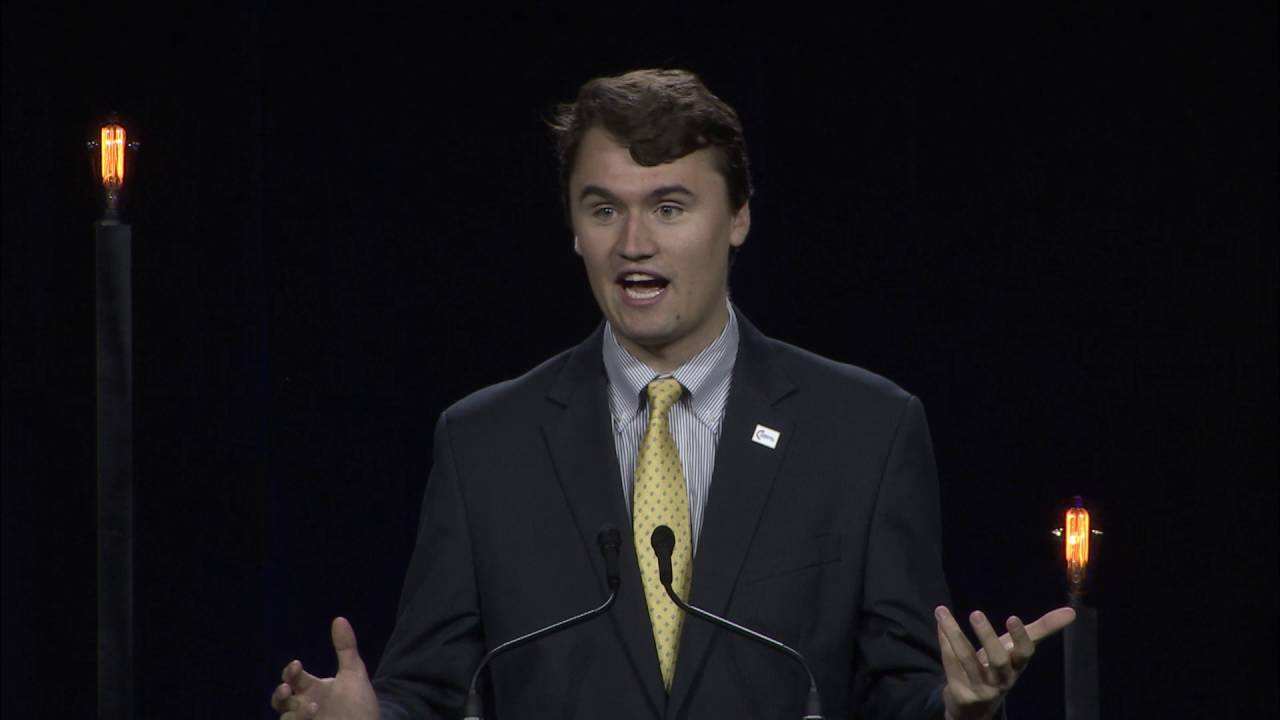
Charlie Kirk Exposes Why College Should Be Three Years Not Four and How Students Are Being Squeezed
Charlie Kirk argues that American students are being exploited by a broken college system that forces unnecessary requirements and inflates costs. While other industrialized nations complete college in three years, the United States mandates a fourth year of classes often irrelevant to students' majors. Kirk challenges the popular narratives around student loan forgiveness, pointing out the unfairness to those who worked multiple jobs or attended community college. He proposes cutting college to three years would immediately reduce costs by 25 percent across tuition, housing, and food. Kirk contends the current system represents anything but a free market, with federal government intervention, cultural pressure, and administrative cartels creating an environment where colleges have zero incentive to lower prices despite declining educational quality.
Charlie Kirk challenges the premise of free college education and blanket student loan forgiveness, calling it insulting to students who demonstrated personal responsibility. He questions what happens to those who worked three jobs to graduate with minimal debt, earned scholarships, or chose community college as an affordable path. Kirk asks where their rebate is and why responsible choices should be penalized while others receive government bailouts funded by taxpayer money.
The Three-Year College Model
Before any conversation about making college free by redistributing wealth, Kirk argues we must address why American students are required to take classes completely irrelevant to their chosen majors. He points out that every other industrialized, productive country in the world completes college in three years. In these systems, students can choose to take a fourth year as an optional enlightenment year, but it's not mandatory.
The common counterargument claims that additional coursework creates more well-rounded, worldly people. Kirk doesn't dispute the potential value of broad education but insists it should be optional, not compulsory. He cites Germany as an example where three-year college programs work effectively. Making this change would immediately lower the cost of college by 25 percent—25 percent less time in school, 25 percent less in housing costs, 25 percent less in food expenses, and 25 percent less of the overall time, energy, and capital students must invest.
The College Cartel Squeezing Students
Kirk directly addresses students, acknowledging they understand their generation is being squeezed by what he calls a cartel consisting of the federal government and college administrators. This entire system has been constructed in a way that benefits institutions at the expense of students. He emphasizes the critical need to reject the myth that a free market currently exists in higher education. The reality is the opposite.
Three forces have created this dysfunctional system:
A cultural expectation that college attendance is mandatory for success
Federal government pumping trillions of dollars into schools, making it too easy for institutions to raise tuition
Record numbers of students wanting to attend, all paying in full with federal money streaming in
From the perspective of college administrators, there is zero incentive to lower tuition when market forces that would normally encourage price competition have been completely eliminated. Kirk argues that no one can honestly claim the college experience, the actual delivery of degrees, and the preparation of students entering the job market is better today than it was 20 or 50 years ago. In fact, educational quality has been steadily declining.
Students Hold the Power
Kirk believes the root causes of declining quality and skyrocketing costs are excessive federal government funding, lack of genuine competition, and false cultural expectations that have been artificially constructed. His proposal centers on making college three years to liberate students, who he reminds are the actual customers with power over administration.
He poses a direct challenge to students: If you're studying engineering, demand to know why you must spend fourteen hundred dollars per semester studying subjects like western medieval history that have no relevance to your degree. While such subjects may be interesting, requiring them as mandatory coursework represents an unjust financial burden.
Additional Reforms Needed
Beyond the three-year model, Kirk believes many professors are far overpaid and should not be allowed to sell their own textbooks back to their students—a practice that creates an inherent conflict of interest and adds to the financial strain on young people already facing enormous education costs.