2,422 videos 1,389,747,653 views US Joined Aug 30, 2018
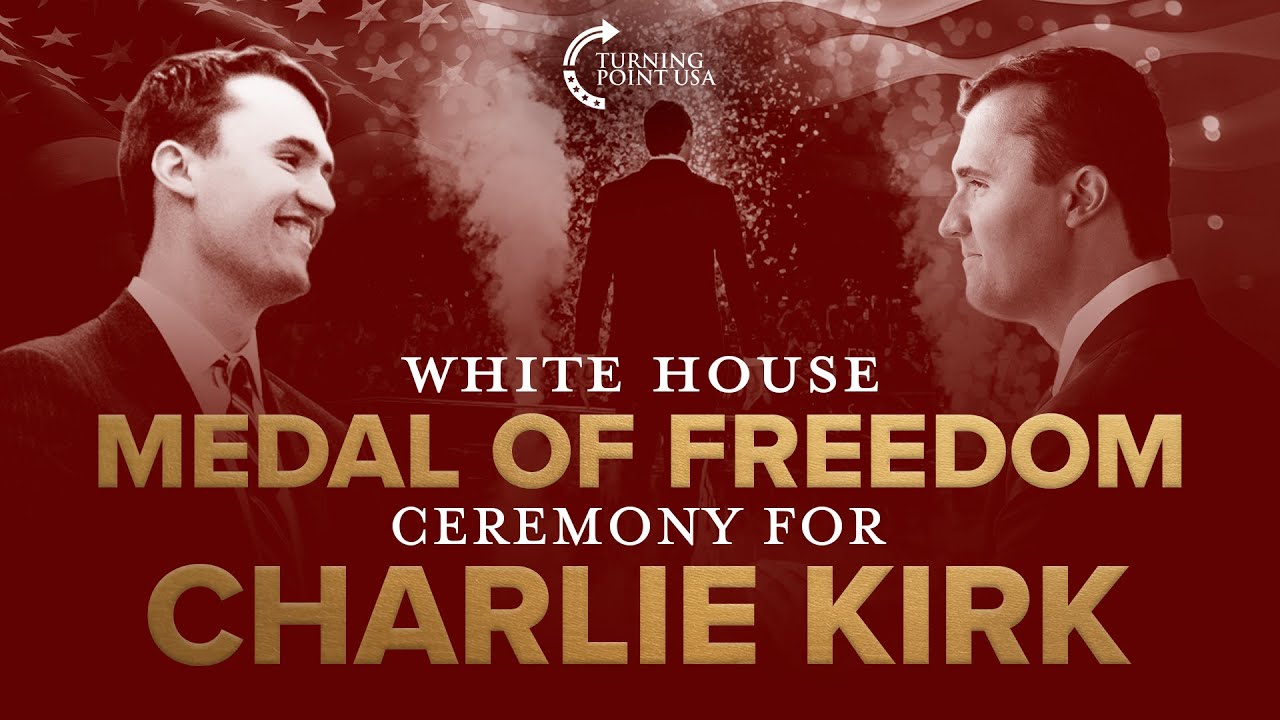
Charlie Kirk is the Founder and President of Turning Point USA, the largest and fastest growing conservative youth activist organization in the country with over 250,000 student members, over 150 full-time staff, and a presence on over 2,000 high school and college campuses nationwide. Charlie is also the Chairman of Students for Trump, which aims to activate one million new college voters on campuses in battleground states in the lead up to the 2020 presidential election. His social media reaches over 100 million people per month and according to Axios, he is one of the "top 10 most engaged" Twitter handles in the world. He is also the host of “The Charlie Kirk Show,” which regularly ranks among the top news shows on Apple podcast charts.
Charlie Kirk on Germany's Free Speech Crisis: Marie-Theres Kaiser Faces Prosecution for Social Media Post
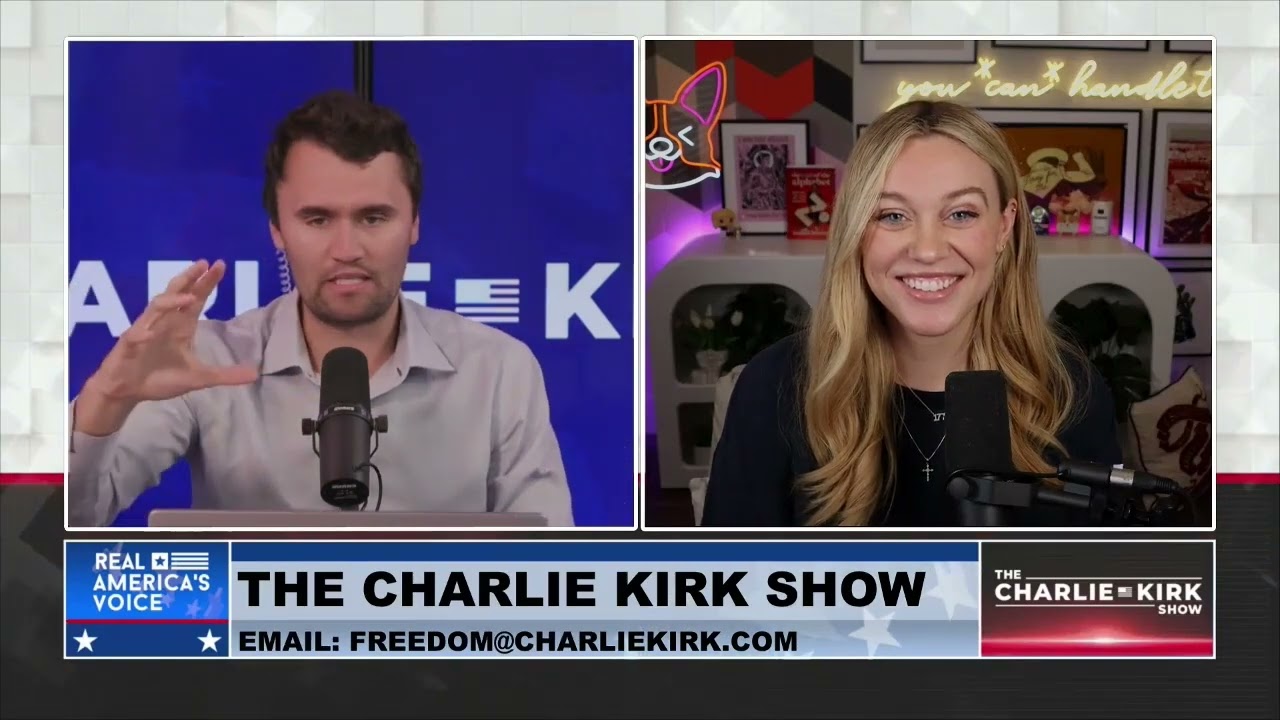
Charlie Kirk interviews Marie-Thérèse Kaiser, a member of Germany's AfD party, about her conviction and €6,000 fine for a social media post questioning immigration policy. Kaiser reveals that state security secretly recorded her explaining her case at a school event, triggering another investigation. With Germany's federal election approaching, Kirk examines the erosion of free speech in Germany, where citizens face raids and prosecution for online posts, and discusses how the AfD faces systemic barriers despite growing voter support.
Charlie Kirk opens by highlighting the significance of JD Vance's recent speech in Munich, calling it a game changer and realignment moment. He introduces Marie-Thérèse Kaiser, a member of Germany's AfD party, to discuss the deteriorating state of free speech in Germany and the upcoming federal election.
Kaiser recounts her case where she was fined €6,000 for asking a critical question on social media about immigration policy. She had questioned politicians who wanted to bring Afghan refugees to Germany without background or security checks, asking if they wanted a "welcome culture for rapists" given statistical data showing Afghan refugees were disproportionately committing sexual crimes.
The situation escalated when Kaiser participated in a panel discussion at a school during the election campaign. When a student asked about her conviction for sedition, she explained her previous case. Unbeknownst to her, state security was in the audience secretly recording her statement. They then reported it to the public prosecutor's office to initiate yet another investigation against her simply for explaining why she had been convicted in the past.
The Upcoming Federal Election
Kirk notes that Germany does not embrace freedom of speech and asks Kaiser about the stakes of Sunday's federal election. Kaiser explains that her party, the AfD, has come under major sanctions and investigations by the German government despite being the largest opposition party and second strongest political force in the country, with millions of voters supporting their positions.
The migration and refugee crisis stands as the top issue in the election. Kaiser emphasizes that more people are recognizing the dramatic conditions not only in bigger cities but also in villages and the countryside. Germany experienced three major terror attacks in recent months during the election campaign in Magdeburg, Solingen, and Munich, plus hundreds of knife crimes. Kaiser describes this as the great replacement happening in real time, a sad reality that everyone is facing on the streets.
Smears and Persecution
Despite addressing legitimate concerns, the AfD faces relentless smears. Kaiser explains that opponents call them National Socialists and right-wing extremists, though none of it is true. She believes other parties are genuinely scared because the AfD has grown so strong and continues to gain voters. Kaiser emphasizes that this election represents one chance to make Germany great again and make Europe great again.
The Reality of Speech Restrictions
Kirk asks what could happen to someone who publicly criticizes mass migration or states that it makes cities dirtier and increases rapes and crime. Kaiser responds that such a person could get sentenced or get into real trouble, including physical attacks. She confirms that Germany truly doesn't have free speech anymore.
When asked what decisions led to this erosion, Kaiser explains that political parties in power made new laws and strengthened existing ones to go after people who participate in free speech, especially online. Germany now has a new authority that monitors what people write online, making it dangerous both on the streets and in cyberspace.
60 Minutes Investigation
Kirk plays a clip from 60 Minutes that illustrates the severity of Germany's speech restrictions. The video reveals that insulting someone in public is a crime in Germany, and insulting them online carries even higher fines because the content remains permanently accessible. Even more shocking, if someone posts something deemed untrue and another person reposts or likes it, that person commits a crime as well. The reasoning given is that readers cannot distinguish whether the person invented the content or just reposted it, making reposting equivalent to original posting in the eyes of German law.
Kaiser confirms this description is accurate, leaving the American audience shocked at what appears to be Germany's descent into totalitarianism.
The Firewall Against Democracy
Kirk asks Kaiser to explain the concept that prevents the AfD from having a voice in government regardless of electoral performance. Kaiser describes the so-called firewall that the Christian Democrats maintain. She explains that CDU candidate Friedrich Merz and his party try to entice voters with empty promises while copying content from the AfD election program. Merz's five-point plan on migration and the refugee crisis is nothing more than a reformulated version of the AfD's remigration concept.
Despite these similarities, the CDU refuses to talk with the AfD to find compromises. They only want to maintain their power and don't aim for real political change. The CDU has openly announced that coalitions with the Greens or Social Democrats are certainly conceivable, effectively blocking the AfD from governance regardless of voter support.
Home Raids for Online Posts
Kirk plays another video showing German state police raiding homes at 6:01 AM on a Tuesday morning. Six armed officers searched a suspect's apartment and seized his laptop and cell phone. The crime? Posting a racist cartoon online. At the exact same time across Germany, more than 50 similar raids played out as part of what prosecutors describe as a coordinated effort to curb online hate speech.
Kaiser expresses that this reality frightens her because anyone could be next. No one knows when authorities might come for them, forcing everyone to be extremely careful about what they say.
Looking Ahead
Despite the concerning polling environment, Kaiser remains optimistic. She acknowledges that if the AfD doesn't succeed this time, they will try again in 2029 with Alice Weidel as chancellor candidate. She urges everyone to vote because their voice matters and counts.
Kirk announces his plans to visit Berlin in May to give a speech with Dr. Jordan Peterson, where they intend to say all the things that are forbidden to see if German authorities will arrest two Americans on stage. He expresses hope that the American government would have their back in such a scenario.
The Root of Germany's Problem
Kirk concludes by analyzing what he sees as the core issue. He contrasts Germany's situation with England and France, noting that Germans are productive, industrious people who work hard and are incredibly precise engineers with great companies. The difference, he argues, is one word: guilt.
Kirk explains that when you have a lot of guilt without Christianity, you embrace left-wing politics. Christianity or some form of belief in God allows people to deal with guilt constructively. Christ breaks people from shame and guilt, while left-wing politics does not provide this release. This analysis ties together why Germany, despite its capabilities, has descended into what Kirk describes as the subsidization of totalitarian speech restrictions funded by American taxpayer dollars.