
Up Next

Donald Trump Jr. on the Cultural Realignment, UFC Entrance, and Senate Republican Warning
11:27
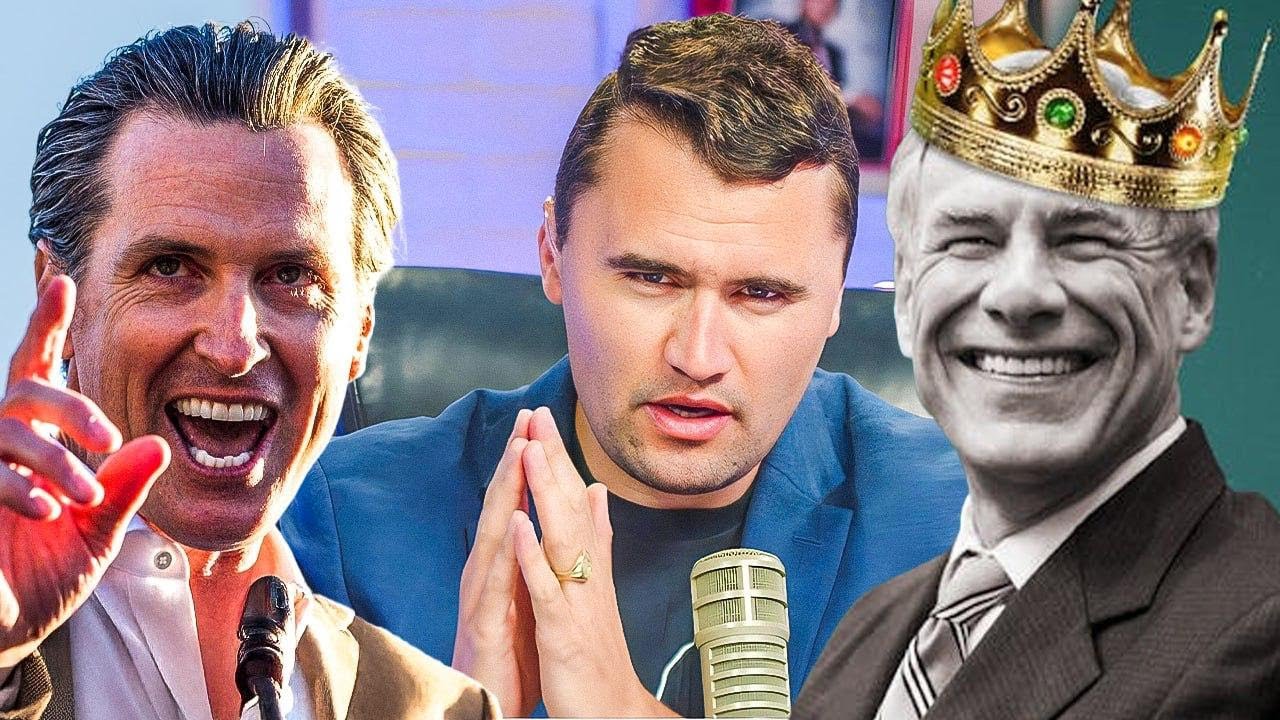
Charlie Kirk Reveals How Democrats Lost 2.1 Million Voters While Republicans Gained 2.4 Million Between 2020 and 2024
9:22

Charlie Kirk on Trump's Deportation Blitz and the Battle Tested Team Rolling Back Biden's Open Border Policies
10:23

Related Books
Browse Conservative Books


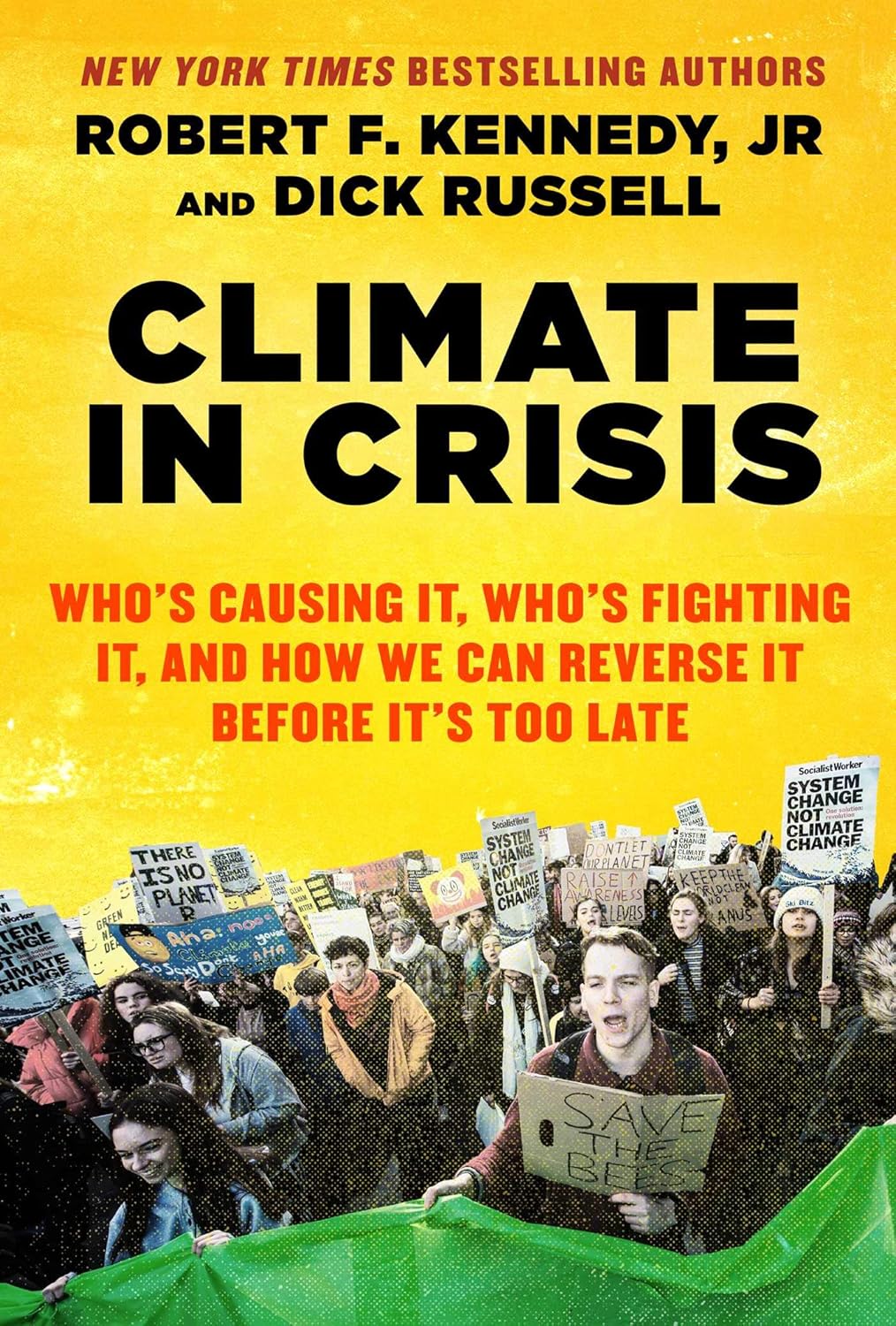


Charlie Kirk on Robert F Kennedy Jr for HHS Secretary and Why Big Pharma Is Fighting Him
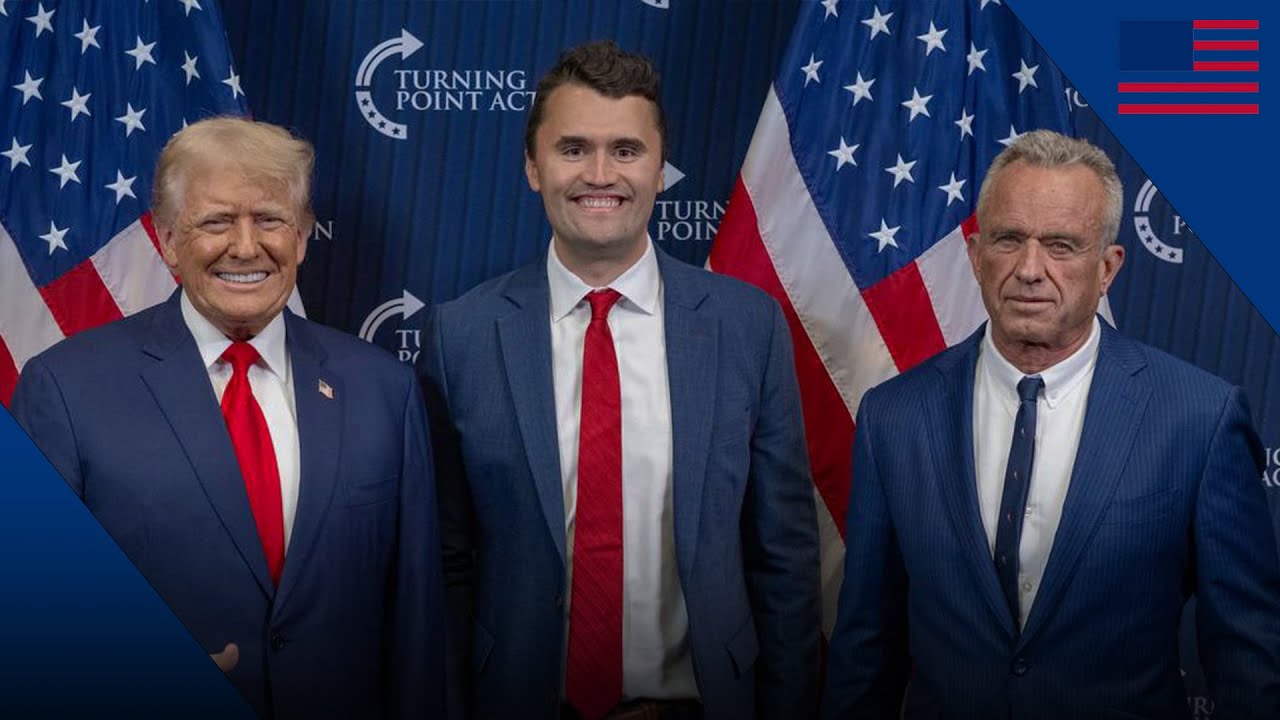
Charlie Kirk speaks with David Mansdoerfer, former Deputy Assistant Secretary for Health, about Robert F. Kennedy Jr.'s nomination as Secretary of Health and Human Services. The discussion covers Kennedy's lifelong advocacy against environmental toxins, his vision to address America's chronic disease epidemic, and the forces lined up against his confirmation, including pharmaceutical companies funding opposition through groups like Mike Pence's organization. Kirk emphasizes that Kennedy represents a once-in-a-generation opportunity to challenge the broken healthcare system that has left Americans sicker and more medicated than any other developed nation, despite spending trillions more on healthcare.
The Case for Robert F. Kennedy Jr. as HHS Secretary
Charlie Kirk opens his discussion with David Mansdoerfer, former Deputy Assistant Secretary for Health, by addressing Robert F. Kennedy Jr.'s nomination as Secretary of Health and Human Services. Menschel argues that Kennedy represents a unique opportunity to challenge the established public health paradigm that emerged during and after COVID-19.
According to Menschel, Kennedy brings to the table the ability to push evidence-based practices without censorship on topics that have traditionally been off-limits for discussion. He believes Kennedy has the potential to disrupt both the public health industry and the money interests that desperately need reform.
Who Opposes Kennedy and Why
The conversation turns to identifying Kennedy's opponents. Menschel points directly to pharmaceutical companies as the primary opposition force. He notes that Vice President Mike Pence's outrage campaign against Kennedy is being funded by pharmaceutical interests.
Menschel explains that there is substantial money in healthcare and numerous special interest groups deeply embedded within the U.S. Department of Health and Human Services who don't want their funding streams disrupted. He predicts that activist association groups like the American Medical Association will come out heavily against Kennedy, along with big money players who prefer to keep their financial dealings hidden. These groups will funnel their opposition through organizations like Mike Pence's group to create what Menschel calls "fake outrage."
Root Causes Over Pharmaceutical Interventions
Kirk raises the point that a healthy population represents a significant threat to big pharmaceutical profits. He asks about getting to root causes rather than relying on downstream interventions like Ozempic for childhood obesity.
Menschel responds by highlighting that one of Kennedy's first priorities would likely be reforming dietary guidelines, which have significant influence over school lunch programs in the United States—a major indicator of health outcomes. He points to America's obesity crisis and the military readiness crisis caused by lack of physical fitness among potential recruits.
Menschel emphasizes that Kennedy and the incoming Trump Administration could make significant progress on chronic disease prevention, an area that has been historically underfunded. He explains that the current system only funds disease treatment at the end stage rather than investing in prevention at the beginning.
Kennedy's Opening Remarks on Environmental Toxins
Kirk plays several clips from Kennedy's opening remarks. In the first, Kennedy describes his journey into health issues through his career as an environmental attorney working with hunters, fishermen, and mothers in small towns along the Hudson River. Kennedy learned early that human health and environmental injuries are intertwined—the same chemicals that kill fish make people sick.
In his second statement, Kennedy presents alarming statistics about American health: over 70% of adults and a third of children are overweight or obese. Diabetes is 10 times more prevalent than in the 1960s. Cancer among young people is rising by 1-2% annually. Autoimmune diseases, neurodevelopmental disorders, Alzheimer's, asthma, ADHD, depression, addiction, and numerous other physical and mental health conditions are all on the rise, some exponentially.
Kennedy's third statement addresses healthcare spending: The United States has worse health outcomes than any other developed nation, yet spends at least double and sometimes triple what other countries spend on healthcare. Last year alone, Americans spent $4.8 trillion on healthcare, not counting indirect costs like missed work.
Reaching Across the Aisle
Menschel analyzes Kennedy's opening statement as strategic outreach to Democrats. He notes that Kennedy is speaking directly about environmental toxins and social determinants of health—topics traditionally held as part of the Democratic platform on public health. Menschel sees this as Kennedy reaching across the aisle, essentially saying: "We've worked together on these issues before, and they haven't traditionally been Republican issues in public health, so why are you against me now?"
He views this as both genuine bipartisan outreach and a way to highlight the disingenuous nature of opposition to Kennedy's nomination. Menschel suggests that Kennedy may actually be the best HHS secretary Democrats could hope for, given his focus on these issues.
Rearranging Deck Chairs on the Titanic
Kirk plays Kennedy's closing statement, in which Kennedy argues that the nation has been locked in a divisive healthcare debate about who pays for care. When healthcare costs reach 20% of the economy, Kennedy says, there are no good options, only bad ones. Shifting the burden between government, corporations, insurers, providers, and families is like rearranging deck chairs on the Titanic. The country will sink beneath a sea of desperation and debt if the course isn't changed. Kennedy argues the real question should be: why are healthcare costs so high in the first place?
Menschel offers closing thoughts, highlighting what he considers Kennedy's most powerful statement: "Healthy people have a thousand dreams; sick people have one." He emphasizes that the United States needs a Secretary of Health willing to challenge everything from traditional public health notions to how industry has gained control over the economics of health in America. Menschel expresses confidence that President Trump and Secretary Kennedy will accomplish great things once Kennedy is confirmed.
Kirk's Final Warning to Republican Senators
Kirk concludes with a pointed message, reiterating that Mike Pence is raising money from pharmaceutical companies to run ads against Kennedy's nomination and confirmation. He characterizes America as "a sick, obese, medicated, alcohol-addicted, drug-addicted, slovenly country" that needs a public health authority who understands that "what you eat is who you become."
Kirk emphasizes the importance of organic food, proper vitamin D, and rejecting the notion that "you need a pill for every ill." He expresses confidence that Kennedy will do a phenomenal job as Secretary of Health and Human Services.
Kirk issues a direct warning to Republican senators: if you vote against Bobby Kennedy, there will be primaries. He emphasizes that there is a force behind Kennedy unlike anything they have experienced before—a grassroots movement ready to hold senators accountable for their votes.
Video Transcript
[00:00] uh joining us now is David mansd dorfer
[00:03] former deputy assistant secretary for
[00:05] health David welcome to the program uh
[00:08] on this program we're very much behind
[00:09] Bobby Kennedy becoming HHS secretary
[00:12] David make the case as to why you
[00:14] believe Bobby Kennedy uh should be
[00:15] installed as
[00:17] such I think that uh Bobby Kennedy has
[00:21] the chance to challenge all of the
[00:23] preconceived notions around Public
[00:26] Health as we've seen during covid and
[00:28] coming Beyond Co
[00:30] that we just saw such a Draconian use of
[00:34] Public Health in the United States and
[00:37] with this uh nomination which really
[00:40] brings together a unique movement around
[00:42] Health in America we're really at a
[00:45] flash point to make sure that we can
[00:50] push evidence-based practices and not be
[00:53] censored around topics that we have
[00:55] traditionally been not able to talk
[00:57] about and RFK brings all those to the
[01:00] table RFK brings every opportunity to uh
[01:06] to disrupt a public health industry and
[01:08] a money industry that is um in desperate
[01:12] need of
[01:14] Reform yeah and so the the I think the
[01:19] core issue here is Bobby Kennedy has
[01:21] been a lifelong Public Health Advocate
[01:25] he's been a lifelong advocate for moms
[01:29] and against environmental
[01:32] toxins what is it especially who is
[01:35] against him most forcefully and
[01:39] why well I think the pharmaceutical
[01:41] companies to start um as as you seen
[01:44] with um vice president Pence's kind of
[01:47] fake outrage campaign um which is being
[01:50] funded by Pharma uh you have a lot of
[01:53] money in healthc care and you have a lot
[01:54] of money and special interest groups
[01:56] that are deeply embedded in the US
[01:59] Department ofth and Human Services that
[02:01] do not want to see their money troughs
[02:03] being taken away from each other um and
[02:06] so I think you're going to see the
[02:08] activist Association groups uh come out
[02:11] heavily against him like the American
[02:13] Medical Association you're going to see
[02:14] Pharma come out against him um and
[02:17] you're going to see a lot of the big
[02:18] money players that don't want people to
[02:21] know where the money is and they're
[02:22] going to feed it through groups and
[02:24] organizations like Mike Pence's group
[02:27] that is coming out and creating all this
[02:29] fake outrage
[02:32] yeah I mean look a healthy population is
[02:33] the kiss of death for big Pharma talk
[02:36] about how if we actually get to root
[02:38] causes if we get down to the root issue
[02:42] then we don't need OIC for obesity for
[02:46] kids we don't need these other
[02:48] interventions down the
[02:51] road yeah I think one of the first
[02:53] things that a secretary Kennedy if
[02:56] confirmed will look at is the things
[02:57] like the dietary guidelines which go
[03:00] deeply into how we have um do school
[03:04] lunch programs here in the United States
[03:06] which is a big indicator of Health um as
[03:08] we've seen uh there is an obesity crisis
[03:11] in the United States there is a military
[03:13] Readiness crisis because the lack of
[03:16] folks that can enter the military based
[03:18] on physical fitness and I think a
[03:20] secretary Kennedy and the incoming Trump
[03:23] Administration will do wonders for
[03:26] chronic disease and prevention where
[03:28] historically it's wholly underfunded
[03:31] typically we only fund the disease at
[03:34] the end when you're having to deal with
[03:35] it not when we are um trying to prevent
[03:38] it to begin
[03:40] with so uh the the chances of his
[03:43] nomination hinge on a couple of
[03:45] Republican Senators who I don't think
[03:47] they've really experienced the energy of
[03:50] Maha before let's go through some of
[03:52] Bobby Kennedy's opening remarks here I
[03:54] think they're really dramatic play Cut
[03:56] 133
[03:59] my journey into the issue of Health
[04:01] began with my career as an environmental
[04:04] attorney working with hunters and
[04:07] fishmen and mothers in the small town in
[04:10] the Hudson Valley and along the Hudson
[04:12] River I learned very early on that human
[04:17] health and
[04:19] environmental injuries are intertwined
[04:22] the same chemicals that kill fish make
[04:25] people
[04:28] sick let's continue to to cut
[04:31] 134 today Americans overall health is in
[04:34] Grievous condition over 70% of adults
[04:37] and a third of children are overweight
[04:40] or
[04:41] obese diabetes is 10 times more
[04:43] prevalent than it was during the 1960s
[04:46] cancer among young people is Rising by 1
[04:49] or 2% a year autoimmune diseases
[04:52] neurodevelopmental disorders Alzheimer's
[04:56] asthma
[04:58] ADHD depression addiction and a host of
[05:01] other physical and mental health
[05:03] conditions are all on the rise some of
[05:06] them
[05:09] exponentially and finally let's go to
[05:11] this one here play cut
[05:14] 135 the United States has worse Health
[05:17] than any other developed Nation yet we
[05:19] spend more on Healthcare at least double
[05:21] and in some cases triple as other
[05:25] countries last year we spent 4.8
[05:28] trillion not coun in the indirect cause
[05:31] of missed
[05:34] work what is your reaction to this open
[05:38] the opening statement of Bobby Kennedy
[05:40] the idea of environmental toxins and how
[05:43] they are polluting both the the planet
[05:47] and not just the planet but the
[05:50] conditions of the people of
[05:53] America well what's interesting is that
[05:56] he's speaking directly to Democrats with
[05:58] that conversation um and public health
[06:00] those are topics considered under social
[06:02] determinance of Health which are L held
[06:05] you know parts of the democratic
[06:07] platform around public health and so I
[06:10] would think those types of conversations
[06:12] are basically a reach across the aisle
[06:15] that says hey we've worked together on
[06:17] issues like this before and they've not
[06:19] traditionally been some of the
[06:21] Republican issues in how we've
[06:22] approached public health so with that
[06:26] why why are you against me now when
[06:28] you've been working with me on all of
[06:30] these topics before I think it's a it's
[06:32] a reach across the aisle but it's also
[06:34] to point out the you know disingenuous
[06:36] nature of this hearing which will turn
[06:39] into multiple attacks on a variety of
[06:42] public health issues when I think in
[06:44] many ways RFK is probably the best
[06:47] secretary that the Democrats could ever
[06:49] hope
[06:52] for let's let's close here by playing
[06:54] cut 136 136
[06:56] please for a long time the nation has
[07:00] been locked in a divisive Health Care
[07:02] debate about who
[07:03] pays well when health care costs reach
[07:06] 20% there are no good options only bad
[07:11] ones Shifting the burden around between
[07:13] government and corporations and insurers
[07:16] and providers and families is like
[07:19] rearranging deck chairs on the
[07:21] Titanic our country will sink Beneath
[07:24] the Sea of desperation and debt if we
[07:27] don't change the course and ask I our
[07:30] healthc care cost so high in the first
[07:35] place closing thoughts
[07:38] David you know I think the most powerful
[07:40] thing that RFK has said in his opening
[07:42] is healthy people have a Thousand Dreams
[07:45] sick people have one with that I think
[07:49] the United States needs a secretary of
[07:51] Health that's willing to challenge
[07:54] everything um from the traditional
[07:57] conceived Notions of Public Health to
[08:00] how industry has gotten his hands over
[08:02] the economics of Health in the United
[08:04] States I look forward to the many great
[08:06] things that President Trump and
[08:08] secretary Kennedy will do when
[08:11] confirmed thank you David really
[08:12] appreciate it thanks for your time today
[08:15] yeah have a great
[08:17] day email us freedom Charle kirk.com I
[08:20] want to reiterate Something Mike
[08:24] Pence is raising money from
[08:26] pharmaceutical companies to try to go up
[08:28] against Bobby Ken
[08:30] I hope you all understand that that Mike
[08:32] Pence is raising money to go run ads
[08:36] against the nomination and confirmation
[08:38] of Bobby Kennedy we are a sick obese
[08:42] medicated alcohol addicted drug
[08:45] addicted slovenly
[08:49] country it's time for us to have a
[08:52] public health
[08:53] authority that understands that what you
[08:55] eat is who you
[08:57] become organic food
[09:00] getting proper vitamin D you do not need
[09:02] a pill for every
[09:05] ill and Bobby Kennedy will do a
[09:08] phenomenal job as Secretary of Health
[09:10] and Human Services he will do a
[09:12] phenomenal
[09:13] job and for any Republican senator out
[09:16] there if you vote against Bobby Kennedy
[09:18] there will be primaries there is a force
[09:20] behind Bobby Kennedy likes of which you
[09:22] have never experienced before


Comments
Be the first to comment on this video.