Charlie Kirk on the Church, the Sabbath, and How One Day Can Transform Your Life
Enjoying this? Share it with someone who needs to see it.
Up Next
Charlie Kirk Reveals How the Sabbath Commandment Saved His Life and Transformed His Career
1:06:23
Charlie Kirk on How Christianity Informs Politics and Why Biblical Principles Must Shape Western Civilization
9:19
Charlie Kirk Destroys the Myth That America Was Not Founded on Christian Principles With Historical Evidence
5:38
Charlie Kirk on the Church, the Sabbath, and How One Day Can Transform Your Life
Charlie Kirk explores the meaning of the church, tracing its roots to the Greek word 'ekklesia', a political gathering, and explains why Christ's call was for involvement in the public square. He shares how honoring the Sabbath has become one of the greatest blessings in his life, offering rest, deeper connection to God, and a weekly escape from the distractions destroying modern society. Kirk challenges Christians to rediscover this ancient gift, arguing that the missing link in many spiritual lives might be the one-day-a-week rest God commanded for all humanity.
Defining the Church: Ekklesia and the Public Square
When asked which church he refers to, Charlie Kirk clarifies that he means the universal body of believers, not a specific institution like the Vatican. He points to the word Christ used in scripture: ekklesia. This Greek term, Kirk explains, was not religious language but a secular political term meaning a gathering or assembly. Christ intentionally chose this word to call His followers into engagement with the public square and politics, not separation from it.
Kirk defines the church broadly as those who subscribe to the basic teachings of the Nicene Creed: belief in the death, burial, and resurrection of Jesus Christ, the inerrancy of scripture, the virgin birth, creation, and the Decalogue (Ten Commandments). The Nicene Creed itself references the "catholic church"—a term meaning universal, not the Roman Catholic institution. While Kirk speaks out against what he considers heretical teaching, such as denying the Old Testament or downplaying Christ's miracles, he leaves ultimate judgment to God. His litmus test is simple: if Jesus is King of your life, you honor His commands to the best of your ability, you believe in the inerrancy of scripture, and you teach these truths, you are part of the broader Christian family.
The Sabbath: Not a Burden But a Blessing
Kirk transitions to discussing the Sabbath, emphasizing that when you have a relationship with Jesus Christ, the Sabbath becomes a blessing, not a burden. One participant shares how growing up in the church meant learning a list of rules, but only when Jesus became Lord and Savior did keeping His law transform into something wonderful. God desires to integrate Himself into every aspect of life, from day one through day seven, and the Sabbath is a key part of that integration.
Kirk expresses gratitude for being welcomed to honor the Sabbath and delivers a message to churches: they are missing out by not honoring this day. He calls on Sabbath-keepers to become better evangelists for the practice, sharing how it strengthens marriages and deepens connection to God. For Christians who feel something is missing despite attending church, tithing, and singing songs, Kirk suggests the missing link might be not honoring the Sabbath.
Culture, Christianity, and the Lost Ground in Hollywood
The conversation turns to cultural influence. When the church was stronger in American culture—particularly in the early 1900s—figures like Cecil B. DeMille created Oscar-worthy blockbusters such as The Ten Commandments and Ben-Hur. Christianity had a presence in Hollywood and music, but somewhere along the way, Christians took their foot off the pedal. As nature abhors a vacuum, secularism and consumerism filled the void. Now in 2025, Hollywood is barely recognizable, with award shows often featuring what seems like diatribes against Christianity and America itself.
Kirk agrees wholeheartedly with this assessment. He identifies distraction as a core problem, especially regarding the Sabbath. The fundamental question remains: do you believe there is a God, and that you are not Him? If you believe those two things, honoring one day a week makes perfect sense. Kirk shares his own enthusiasm for Sabbath, noting how he looks forward to turning off his devices and entering what he describes as a "beautiful little mini heaven."
The Science and Benefits of Sabbath Rest
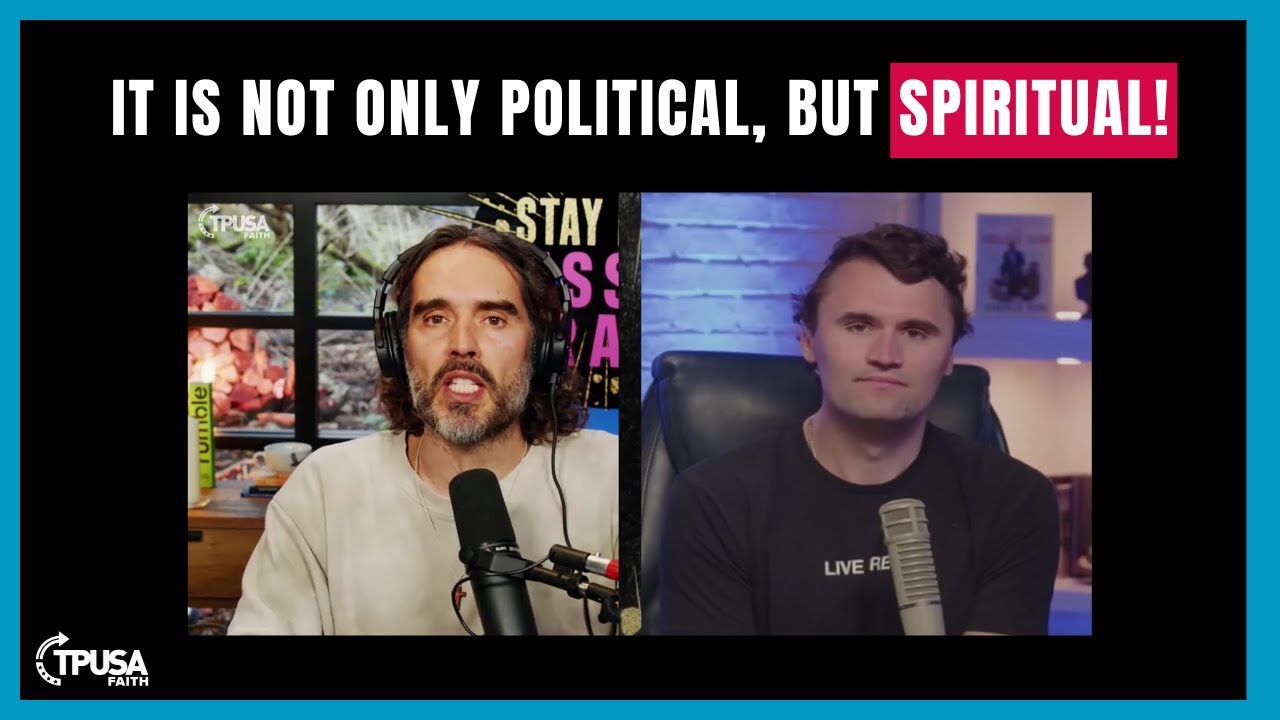
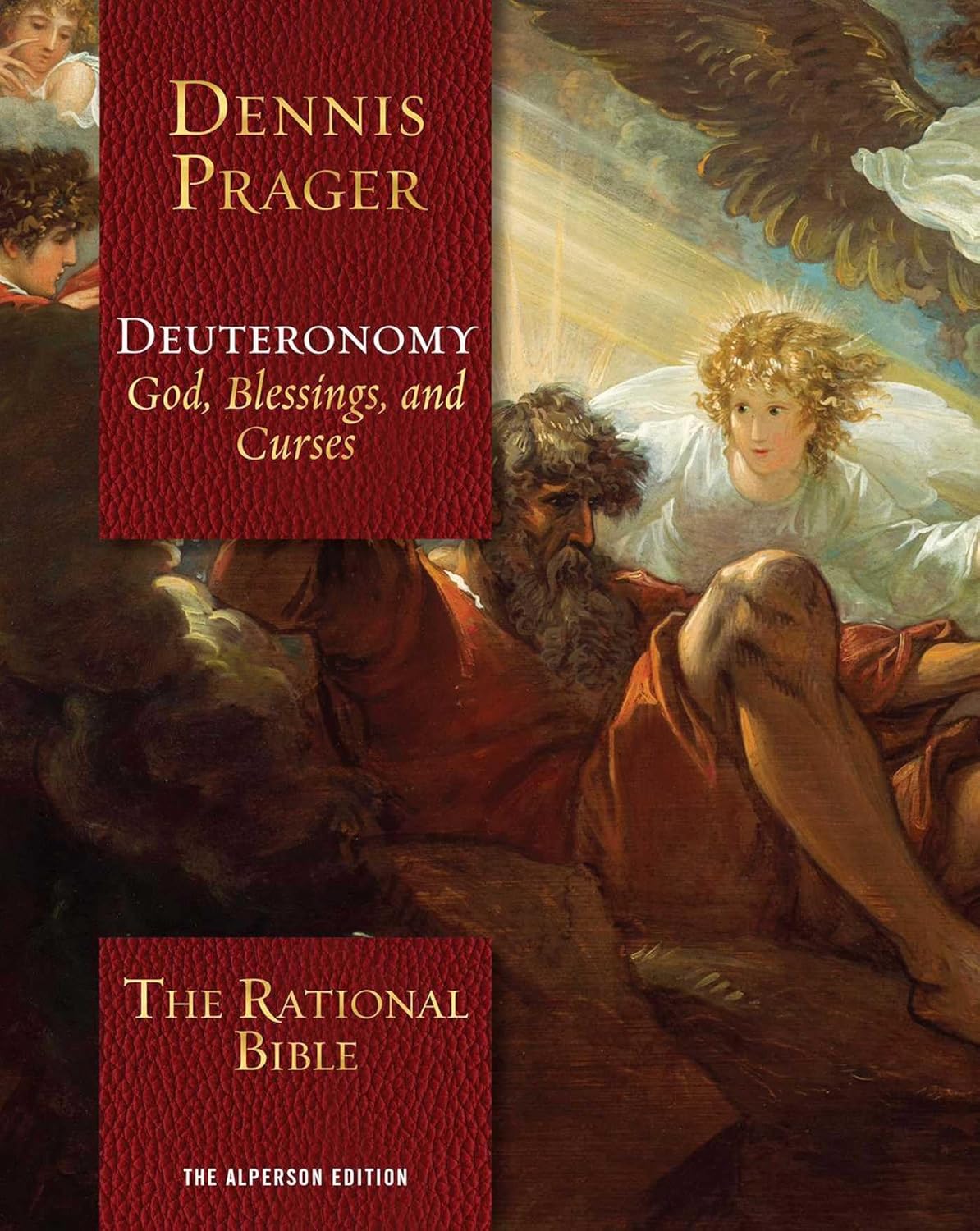
Kirk credits Dennis Prager, a religious Jew, with winning him over to Sabbath observance. Prager would say on his radio program that he doesn't "have to" observe the Sabbath—he "gets to." Prager expressed pity for those who couldn't experience this gift. Kirk references studies showing that Sabbath observers live longer, are happier, less likely to be depressed, on fewer antidepressants, and more present in their lives.
This data becomes especially significant in the context of what Kirk calls a "hyper sick society." Half of American kids are on antidepressants by age 18, and screens are destroying and frying young brains. Yet there exists this ancient gift, requiring no genome mapping or complex solutions—just honoring God's commands for one day a week. Kirk dedicates a whole chapter in his book to this topic.
Seventh Day Adventist Practice: A Family Affair
When Kirk asks about the Seventh Day Adventist approach to Sabbath, particularly regarding women's roles, he references what he calls the "Shabbat problem" in Judaism—where wives often work hardest on the Sabbath preparing elaborate meals. The response from the Seventh Day Adventist representatives is clear: this is not an issue in their practice. The man and woman together, joined in unity in Christ, approach the Sabbath as a team. The husband submits to God, the wife submits to the husband, but the entire unit rests together. Sabbath is not meant to be a place of labor for anyone.
Similarly, when Kirk asks about pastors and whether teaching on the Sabbath becomes laborious, he learns that in Seventh Day Adventist churches, everyone is involved. Pastors, elders, and lay members all participate in various functions. The work is delegated, and because everyone loves the Lord, they want to do His will. This contrasts with some Jewish practices where rabbis are exhausted by the end of Shabbat from conducting services all day. Kirk affirms his belief that Sabbath should be a rest for all followers of God—a complete cessation of regular operations. The word "Shabbat" itself means to stop, cease, cancel, and suspend.
Animals and the Sabbath: A Beautiful Teaching
Kirk makes a unique argument that many may never have considered: animals make an appearance in the Ten Commandments because they too get a Sabbath. This is the first time in the ancient world that the Almighty recognized animals as more than tools to be used constantly for human purposes. While not made in the image of God like humans, animals are created beings that deserve rest and should not be abused. Kirk calls this a lesser appreciated beauty of the Ten Commandments.
A Challenge to Try the Sabbath
In closing, Kirk issues a challenge to everyone, whether in the audience or watching from around the world: try the Sabbath. Keep 24 hours. Take your family, unplug from the internet, open your Bibles, congregate, and worship God in spirit and in truth. Kirk believes God will bless this experiment.
He expresses gratitude for the warm welcome he received and praises Dream City Church in Phoenix for hosting the event. He encourages those who honor the Sabbath to talk about it more—positively and favorably—to bring the Sabbath to the world. Kirk emphasizes that the Ten Commandments were written not just for Jews or Christians, but for all of humanity. Whether someone lives in Tokyo, New Delhi, or London, they would be blessed by honoring the Sabbath.
For anyone watching who feels depression, exhaustion, and fatigue, Kirk offers hope: there is something that costs nothing and requires no loan. Simply commit to God and stop what you are doing for one day a week. This practice will change your life, grow you closer to the divine, and strengthen your faith. Kirk challenges those who say they're too busy to work on that day, promising that God will bless immeasurably—perhaps not with a bigger bank account, but with more peace and rest. He concludes with his belief that returning one day—the seventh day—back to the Lord will enrich our country, nation, and civilization. The result, as scripture promises, is "the peace that passes all understanding."