Charlie Kirk's Campus Dialogue on Gender, Biology, and Parental Rights in Medical Decisions for Minors
Enjoying this? Share it with someone who needs to see it.
Up Next
When Gender Ideology Meets Chromosomal Reality: A College Campus Debate on Identity Politics
3:35
Andrew Kolvet and Blake Neff on Political Violence, Montana State Rally, and Red Mass Explosives Plot
9:16
Charlie Kirk on Critical Race Theory's Attack on Free Discussion and Civil Discourse in America
1:34
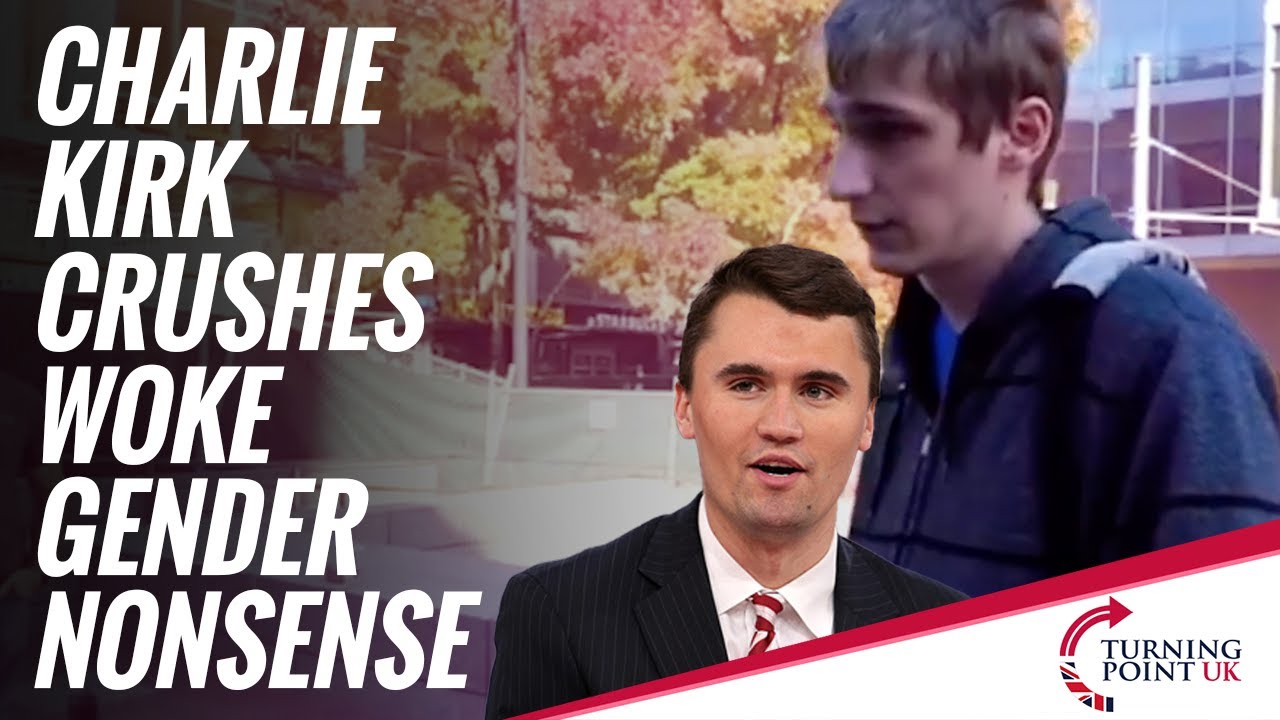
Charlie Kirk's Campus Dialogue on Gender, Biology, and Parental Rights in Medical Decisions for Minors
Charlie Kirk engages with students on a college campus about biological definitions of gender, chromosome structures, and the intersection of science and policy. The conversation addresses three core concerns: sex reassignment surgery for minors without parental consent, age-appropriate education for young children, and the ability to discuss controversial ideas openly. Despite opposition and chanting from the crowd, Charlie Kirk maintains that different perspectives should be heard without resorting to name-calling or shutting down dialogue.
January 25, 2019
The Question of Evidence and Biology
During a campus dialogue, Kirk was asked what evidence could change their mind about gender definitions. Kirk responded that compelling evidence would need to demonstrate either that there is something beyond the chromosomal structures of XX and XY (excluding intersex chromosomal variations), or that there are no differences between males and females. When pressed on whether chromosomes determine gender, Kirk affirmed their belief that XY indicates male, acknowledging intersex individuals as exceptions to the general rule but maintaining this as their understanding of biology.
Three Core Policy Concerns
Charlie Kirk outlined three major societal questions that motivated their engagement on this topic. First, they expressed opposition to sex reassignment surgery for fifteen-year-olds without parental consent, particularly when taxpayers fund such procedures. Kirk believes parents should be informed and involved in such significant medical decisions for their children.
Second, Kirk addressed education policy, specifically in public schools. They argued that four, five, and six-year-old children should be raised with an understanding that young boys and young girls are fundamentally different. According to Kirk, recognizing these differences is essential to helping children find their place in what they described as a chaotic and confused world. They acknowledged that others might disagree with this approach but maintained their position.
The Importance of Open Dialogue
The third concern raised was about tolerance for different ideas in American society. As people in the crowd chanted and screamed during the exchange, Charlie Kirk emphasized that individuals should be allowed to express these views without being subjected to name-calling. Kirk noted that despite the hostile reception, they had not called anyone names and suggested this kind of civil discourse is something the country is losing.
Throughout the interaction, Kirk maintained that these questions about medical consent for minors, educational approaches for young children, and free speech deserve thoughtful discussion rather than immediate dismissal or personal attacks.