Charlie Kirk's Head of Security Brian Harpole Breaks Silence and Debunks Conspiracy Theories Surrounding the Assassination
Enjoying this? Share it with someone who needs to see it.
Up Next
Brian Harpole's Shawn Ryan Interview: Integrity Security Reveals What Happened During Charlie Kirk's Final Moments
32:39
Candace Owens Reveals Never-Before-Seen SUV Evidence in Charlie Kirk Case as Turning Point USA Threatens Sandy Hook-Style Lawsuit
1:07:04
Breaking Down the Probable Cause Statement in Charlie Kirk's Shooting Case with DNA and Surveillance Evidence
37:54
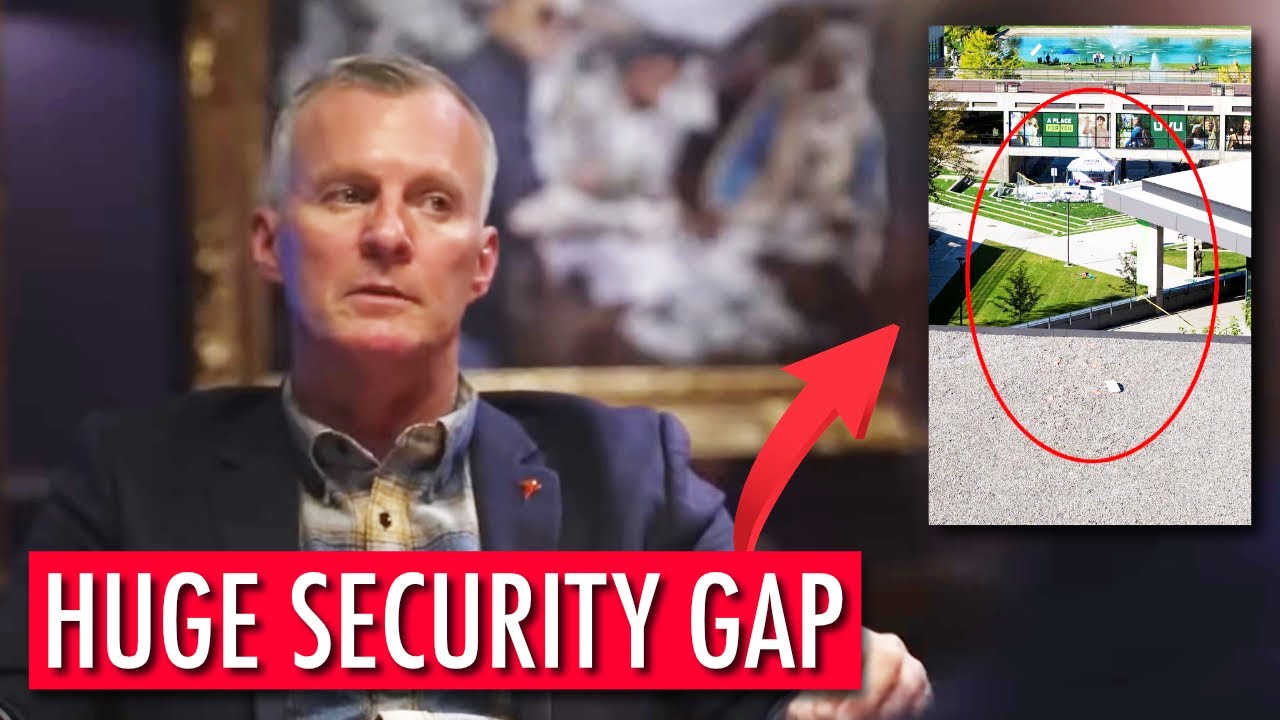
Charlie Kirk's Head of Security Brian Harpole Breaks Silence and Debunks Conspiracy Theories Surrounding the Assassination
Brian Harpole, Charlie Kirk's head of security and a highly decorated law enforcement veteran with 14 years of police experience, sits down for an emotional interview to address the conspiracy theories circulating about Kirk's assassination. Harpole provides a detailed account of the September 10th shooting, describing how he dove on top of Kirk within five seconds, placed his hand in the wound to stop arterial bleeding, and evacuated him in under 16 seconds. He directly refutes claims about foreign intelligence involvement, inside jobs, trap doors, Erika Kirk's supposed involvement, and questions about the crime scene. Harpole emphasizes the autopsy revealed the bullet entered Kirk's neck, hit his vertebrae, fragmented, and traveled down to C6 with no exit wound, similar to Martin Luther King Jr.'s assassination with a .306 rifle.
Brian Harpole is not just another security contractor. He's a highly decorated law enforcement veteran who served as a police officer in Texas for 14 years. In 2008, he transitioned to the private security world as operations manager for an elite Texas-based security firm, specializing in executive and personal protection. He now runs his own company, Integrity Security Solutions, operating across five continents. A graduate of Columbia College, Harpole earned a master peace officer license from the state of Texas, graduated from the International Law Enforcement School of Police Supervision, and completed Southern Methodist University's Cape Intelligence Program. Most importantly, he was on stage with Charlie Kirk on September 10th as the head of his contracted security detail when Kirk was assassinated.
Two months after the tragedy, Harpole sat down for an emotional interview to address the countless conspiracy theories and provide answers to questions that have haunted Kirk's supporters. His credentials speak for themselves—you don't run an executive protection company across multiple continents without knowing exactly what you're doing.
The Moments After the Shot
Harpole was positioned about 10 meters to Kirk's right, watching a large crowd coming up staircases, when he heard the gunfire. "I heard the bullet slap," Harpole recalls. "You hear two sounds actually. You hear the actual shot and then you hear the bullet hit him in the neck like you hear it." In his mind, this was a live fire event—not a single-shot assassination. "There's fire there. There's more to come, right?"
Dan, the security team member standing directly next to Charlie, grabbed him as Harpole turned and saw Kirk going to the ground. "I jump down on top of Charlie to cover him because where we're at, it's concealment at best. It's a table with cloth on it, so it's not hard cover." Other team members began piling in, creating a human shield, but it was still just concealment, not cover.
"I initially dove down on top of him and just was on him almost face to face. And then when I was doing that, I went down, I could see the wound. So I immediately shoved my hand into the wound to stop the bleeding. Just trying to find the pressure." The blood was still coming out as Harpole pressed into the wound. "It squirted through my fingers and I could taste it on my lips and so I was like man this is a bad wound."
Five Seconds to Save a Life
Harpole was on Kirk within five seconds and had his hands in the wound immediately. He carries medical supplies on his person at all times for exactly this reason. "I remember pulling back away and thinking, 'Damn, this is bad.' Like it's coming out." Though he doesn't remember saying it, team members and video footage confirm he said "prep the car," and two security members immediately took off to get the vehicle ready—doors open, ready for evacuation.
"It's a carotid artery. You can't put a tourniquet on it obviously. And then in my head I'm like you know pack pressure pray man the these what you can do for that wound." Harpole told his team they needed to exfil—they were all out in the open trying to give wound care and needed to get off the X. From the moment the shot happened to the time they picked Kirk up and moved him to the vehicle was 15 to 16 seconds. "That's fast to get an initial assessment, plug a hole, pick them up, move them."
The Emotional Toll on Those Who Were There
During the interview, Harpole's voice breaks as he recalls what he saw. "When I jumped down on him, he had doll's eyes and so I was like, man, these are wounds incompatible with life." The interviewer asks if he needs a break. Two months after Kirk's death, Harpole still struggles to discuss what happened without becoming emotional.
"I've done a lot of death notifications where I had to tell kids that their parents were dead or their parents that their kids were dead. And I know what pain looks and sounds like. I wake up screaming sometimes, thinking a kid's face." When Erika Kirk walked into that hospital room and saw her husband, the words that came out of her mouth and how they came out revealed genuine devastation. "You don't want to hear that. She's a victim. That's her husband."
The Autopsy Reveals Critical Details
One of the biggest conspiracy theories involves the lack of an exit wound and claims that a .306 rifle shot should have blown Kirk's head off. Harpole addresses this directly: "The doctor told us came out there and told us and then they also told chief of staff. The bullet came in and hit the vertebrae and it so it came in and then tore up everything in the wound cavity. Hit the vertebrae, crushed it, shattered it, turned, crushed the second one, turned, kept going down all the way. I think they said C6."
The bullet entered Kirk's neck on the left side, hit the vertebrae, fragmented, and traveled down his spine to C6. There was no exit wound because the bullet fragmented after hitting bone. As one participant in the interview notes, "If the bullet hit any bone at all, there is no bullet. It's just fragmentation."
This type of wound is not unprecedented. Martin Luther King Jr. was shot with a .306 rifle from approximately 200 yards away. The shot entered his chin or jaw area, traveled erratically, went into his neck, and there was no exit wound. The James Earl Ray case involved a Remington Peters soft point metal jacketed bullet fired from a high velocity .306 rifle—remarkably similar circumstances to Kirk's assassination.
Addressing the Crime Scene Controversy
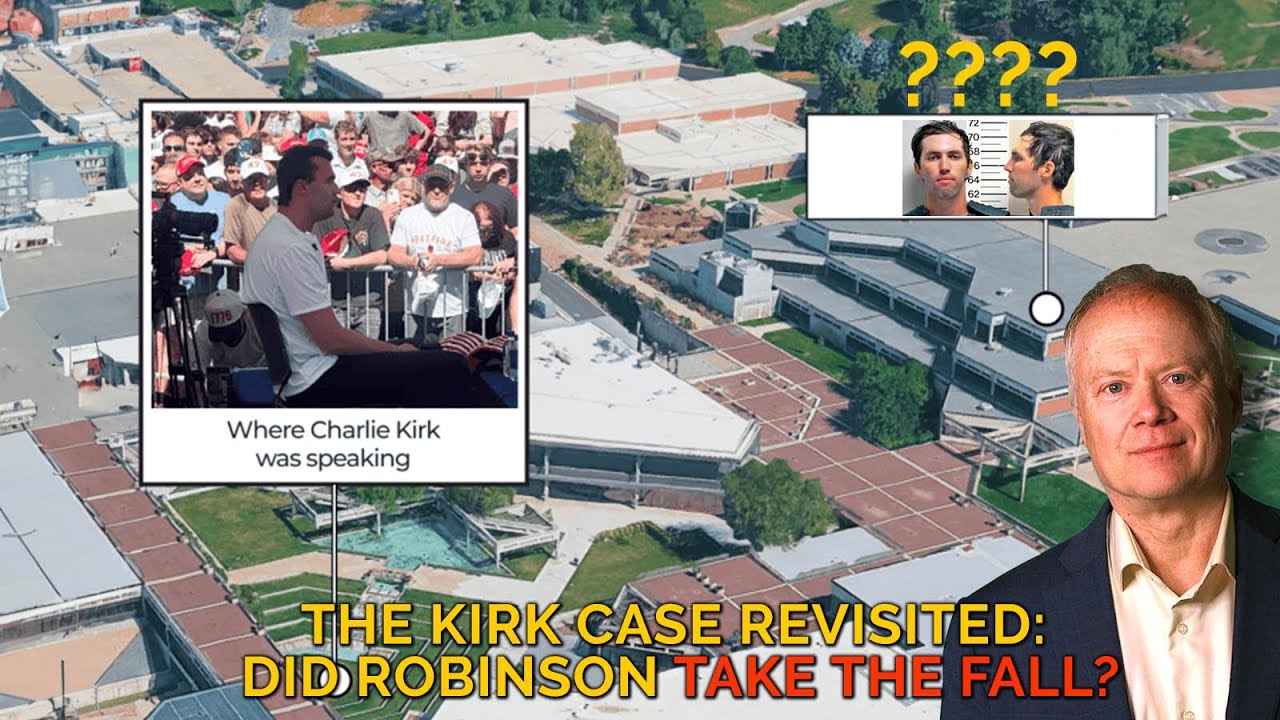
One persistent conspiracy theory involves Utah Valley University tearing up and paving over the crime scene shortly after the shooting. Harpole expresses frustration that his security team has been blamed for this decision. "I don't understand the exigency of why they did that. And here's my question to that. March your ass up to the school. Have you marched your ass up to the school? Or will you march your ass up to that school tomorrow and file a FOIA and say, 'Hey, you're a public institution. I want the request and the plans that were made to tear that up.'"
Harpole points out that such a decision would have required budget approval and planning—there should be a timeline and paperwork available through public records requests. "Make them tell us why that they tore that up before it was even cold. I want to know because it came back on us that we had some trap door and they're covering up the trap door and we had a guy hiding in there."
When asked directly if there was a trap door or tunnel system, Harpole responds with a firm "No, there was not." He challenges those spreading conspiracy theories to do the investigative work themselves—file FOIA requests with the university and get the actual documentation rather than blaming the security team.
Debunking Foreign Intelligence Claims
Another conspiracy theory circulating online claims that Kirk's security team had ties to foreign intelligence agencies, specifically Mossad. The interviewer asks Harpole directly: "Do any of your guys have any ties to any foreign intelligence agencies, more specifically Mossad?"
"No," Harpole states clearly. "I've been in 39 countries in this world and I've never been to Israel. I'm a firm Christian. I ask our guys, are you believers? We have no ties to Israel or Mossad or any other one. We're Americans, period. We believe in what we're afforded to do here. We believe in our system. And to say that we're Mossad or attached to any type of foreign entity, it's crap when it's best day."
When asked if anyone on his team could be tied to an extreme political party planning assassinations, Harpole responds: "No. One, we're in each other's business. Where they have the time for it, I wouldn't know. Some of these guys are on the road 250 days a year with Charlie, just working." The team takes an annual trip together to an undisclosed location. "We know what each other does. We know their kids' names and spouses. If they're doing it and they're not, they wouldn't have time for us not to notice."
"You took an oath. I've taken an oath. Most of my guys have taken an oath and it's different in the security industry. You're not taking an oath for your client, but you are taking an oath to each other. They wouldn't do that to the client, but they really wouldn't do it to me or to their coworker." Harpole states with absolute certainty: "To my death. I say this with 100% certainty to my death."
Erika Kirk Was Not Involved
Perhaps the most painful conspiracy theory for Harpole to address involves claims that Erika Kirk was somehow involved in her husband's assassination. "I've done a lot of death notifications where I had to tell kids that their parents were dead or their parents that their kids were dead. And I know what pain looks and sounds like. I wake up screaming sometimes, thinking a kid's face."
"The words that came out of her mouth and how they came out when she walked in that room and saw him. You don't want to hear that. She's a victim. That's her husband. And now people without any proof are saying that she was a part of killing him. Come on, man. And then not having anything to substantiate it with. That's what makes me lose faith in people and that we allow it and that platforms allow it."
Harpole can only imagine the pain Erika is feeling having to hear people say she was part of her husband's murder. "Those are lies."
The Camera Operator Who Took a Selfie Video
Another conspiracy theory involves a man who appeared to be on the security team who ran toward the vehicles after the shooting and took what appeared to be a TikTok selfie video saying "They just shot Charlie." Harpole clarifies: "He's with the audio visual team. Yeah, it's a company that they contract to shoot the footage. He's the guy that's running the cameras."
The man in question works for a company called BI and is part of the contracted audio-visual team, not the security team. "I don't understand and it's not for me to try to understand that part like the getting on the phone or that. I don't understand that. And you see that a lot nowadays. Tragic things happen, shootouts and people pull their phones out instead of running. And so I don't understand that. That's for him to explain, not me. I know he doesn't work for us."
This same person was seen on camera pulling down one of the cameras behind Charlie and appearing to remove the SD card. Conspiracy theorists claimed he was hiding or destroying footage. However, all footage was turned over to the FBI. The audio-visual team member was removing SD cards to secure them and prevent theft, which would have been catastrophic if someone had stolen 4K footage of Kirk's assassination to share online rather than preserve for law enforcement.
Why Information Hasn't Been Released
Harpole expresses frustration that official autopsy details haven't been released to counter conspiracy theories. "The doctor told us came out there and told us and then they also told chief of staff. It's like, why not put that info out? Why not put it out? If it do me a favor. Don't make me do it. It's not my job. Explanation 101. What are you hiding? It's like I'm sitting back here when people are saying we bombed him or there's wound. I'm like, hey, somebody from an official capacity would just release that and I don't see how that could jeopardize a fair trial for a guy."
However, there are legitimate investigative reasons for not releasing autopsy details prematurely. Releasing information about bullet trajectory, fragmentation patterns, and wound characteristics before confirming ballistic matches could compromise the investigation. If investigators are still determining whether the bullet came from the suspected weapon, whether there were additional shooters, or other critical details, releasing autopsy information could tip off suspects or contaminate the jury pool.
Standard investigative protocol typically keeps autopsy results confidential until trial. While this creates frustration and allows conspiracy theories to flourish, it protects the integrity of the investigation and ensures the defendant receives a fair trial with an uncontaminated jury pool.
The People Who Spread Lies Don't Feel What We Felt
Throughout the interview, the contrast is stark between Harpole's emotional testimony and the detached conspiracy theorists online who have never met Kirk, never provided security for him, and weren't present at his assassination. Harpole still struggles to speak about what happened without breaking down. He wakes up screaming. He can still taste Kirk's blood on his lips from trying to save his life.
The people spreading conspiracy theories don't have that visceral connection. They weren't there. They didn't see the wound. They didn't put their hands inside Kirk's neck trying to stop arterial bleeding. They didn't hear Erika Kirk's screams when she saw her husband. They didn't spend years traveling 250 days annually protecting Kirk and getting to know his family.
These security professionals—with millions of dollars in annual contracts dependent on Kirk's safety—had every incentive to keep him alive. They responded within five seconds, applied emergency medical intervention, and evacuated him in under 16 seconds. They did everything right, and Kirk still died from his wounds.
The conspiracy theories aren't just false—they're deeply hurtful to the people who tried to save Kirk's life and who continue to mourn his loss months later.
Video Transcript
Charlie Kirk's head of security finally speaks out and debunks all of the myths that you've been hearing. Some of y'all should be ashamed of yourself. [music] >> Do you have anybody on your team that you think could be [music] tied to an extreme political party who is planning assassinations? >> No. >> I AIN'T NEVER MET CHARLIE IS CATCHING on fire. He's rolling his grave so hard. Put the put this together. Everybody that loved Charlie and he loved is lying about him. Everybody like, subscribe to the channel, hit the bell, get notifications. Anytime I go live, make a video, make sure you still subscribe to this channel, like this video, comment on this video, share this video. Let's get into this. Now, let's get to Sharon Ryan real quick. Now, this is where people should lose their platforms. I'm telling you guys, I've warned you a hundred thousand times. These people are lying to you. They are lying to you for clicks. They're lying. They're either I think some of them are are are mentally ill. Some of them are just flat out lying to you because they got the grift down. They know how they they got the algorithm down. They know if they tell you, "Look, I got this information. Now, I'm not gonna give you the information. I'm just gonna get you to the next time I tell you I GOT THE INFORMATION. NOW, I'M TELL YOU, LET ME TELL YOU THIS. LET ME TELL YOU THIS, SISTER, BROTHER. Listen to me clearly. IF I KNEW something about Charlie Kirk's investigation that'll bust it wide open. I'mma tell you today and I KNOW MY SHOW MAY be I don't know what we do an hour show. If I knew something that will that THAT WAS AGAINST MY FRIEND THAT I THINK YOU NEED TO KNOW. WE'LL DO A 4HOUR SHOW. WE'RE ON A FOUR FIVE HOUR. LET'S RUN IT ALL NIGHT. WE'RE GOING TO DO A WE GONNA DO THE SHOW THROUGH THE NIGHT. STAY UP. I'M PUSHING RECEIPTS ALL NIGHT. YOU WILL NEVER CATCH ME SAYING, "OH, WE AT AN HOUR." OH, I'M SORRY. I guess you can't know until next time. I do an hour. NEXT MONTH, I'MMA TELL YOU WHAT I really want to tell you. I AIN'T NEVER BEEN CHARLIE IS CATCHING ON FIRE. HE'S rolling his grave so hard. [snorts] Put the put this together. Everybody that loved Charlie and he loved is lying about him. Everybody you you to put your thinking cap on. Everybody. All right, let's let's uh let's get to this clip real quick cuz I got some Matter of fact, before we start this, can I can I can I prove something to you guys real quick? I'm going to need my computer. I want to prove something to you guys. Everybody that you've seen, Valhalla or whatever his name is, ladies and gentlemen, for the first time ever, Shinergy is having a sale. Normally, we don't do no sales on Shinergy, but right now, Black Friday, we started early. 30% off storewide. That's 30% off the dayight bundle. That's 30% off day if you want it by itself or night. Or any of our products that we have here, even the Tforce is 30% off. And if you don't want to take advantage of the 30% off, we still you have the ability to get 30% off, but also get on a subscription plan. So 30% off will be on your first order and the description plan will be uh simply the same each and every month. But 30% off Black Friday. Get your shiny to the day, get your energy, and also get some dog on sleep. I used to like the guy. I I He made a thing about Kennedy that he exposed him. I was like, "Oh, this is this guy's a veteran." Whatever. Like everybody that's online right now that have told you it's impossible for somebody to get a shot with a 306 and live. It'll blew his head off and it'll do all this. I I want you to take two things in consideration. One is that it's fair to to put that in perspective. But the second thing is that why have you not heard of any of them talking about Martin Luther King? Let me find Hold on. Let me find my little clip. Let me find a We'll put the link in the description section for all of y'all. Let me find the clip real quick. I got it. >> I got it. Martin Luther King was shot with a 30 six, no exit wound. I'll put the clip in for you. This is the evidence. James Oay, he purchased the rifle. Let's go down to the to the text here. You can see my my my cursor. Dr. King was killed by Remington Peter Peters soft point metal jacketed bullet fired from a high velocity 306 rifle. He was shot from about 200 yards away and and I read this already, but the shot apparently went into his chin or somewhere in his jaw. It it like went out, came back in, went out and went into his neck. and no exit. It It's almost identical almost identical to what happened to Charlie. Shot with a 306 from a distance. Entered, did not exit. Why are your favorite people talking about Charlie and acting like it's so mindblowing to think that it has never in the history of humanity has it ever happened that somebody got shot with a 306 and didn't blow their head off? What happened to another person who was assassinated? Martin Luther King, one of the biggest, most prominent assassination to ever exist. And your favorite people won't even bring up Martin Luther King. Why? Cuz they need you to believe that there's nowhere in the world that Tyler Robinson did this. Okay, come on. Come on. Pull it up. Pull up. Let's pull up. Let's get to the Let's get to the interview. Sean Ryan, y'all been waiting me to talk about this clip 106. Let's start from the top. Shout out to everybody for doing this. >> Starts off with an introduction here. >> Brian Harper, >> hold on. >> A highly >> frame it real quick. The reason I put this introduction in here is because some of y'all are stuck on stupid smoking the devil's lettuce and sniffing the sauce. Y'all think that like in a vacuum, you think these people that were defending Charlie and supporting Charlie is somebody they found on the street that was a rental cop yesterday? Do you think go look at Turning Point logs? I bet they were spending millions of dollars a year on security. You think these people Okay, listen to his listen to his credentials. Roll it. But everybody starts off with an introduction here. Brian Harpole, a highly decorated law enforcement veteran who served as a police officer in Texas for 14 years. In 2008, you entered the private security world as operations manager for an elite Texas-based security firm where you specialized in executive and personal protection. Now you are a global private security contractor and trainer running your own company, Integrity Security Solutions, across five continents. A graduate of Columbia College, you earned a master peace officer license from the state of Texas along with graduating from the International Law Enforcement School of Police supervision in South and Southern Methodist University's Cape Intelligence Program. Most importantly, you are on the stage with Charlie Kirk is the head of his contracted security detail on September 10th when he was assassinated. It's been two months since this tragedy and there are a lot of unanswered questions and um people are starving for some answers. I know a lot of people are going to be very interested in in in what you have to say today. But >> all right, let's put this in perspective. Did you hear his credentials? You do not get that many credentials. You do not run your own comp executive protection company on different continents if you don't know what the you're doing. Can we put that together? Can we Is that fair? Don't play with this man. Don't play with him. I did six and a half years as a police officer. I was on the SWAT team and I'm better than 90% of y'all. This dude 14 years and he's been a executive own his own executive protection uh uh company. That's not easy. Okay. All right. Let's get to some of the other stuff. Let's go to clip 101. Roll it. I've got my back to Charlie about I don't know less than 10 meters off to his right and um my area of responsibility just we had a big a lot of people coming up some staircases there and it was starting to fill in and and so I was watching that and uh um [sighs] I remember I heard the gunfire and then um I don't know if you've heard this but I heard that bullet slap And so, um, so you hear two sounds actually. And so you hear, uh, the the actual shot and then you hear the bullet hit him in the neck like you hear it. And so in in in my head, I had an attribution to that. Oop, I know what that is. And so, um, I turned and, uh, at the when I turned, started running, that's when Dan grabbed him. And I mean, this is a live fire event. It's not. Everybody Everybody thinks in hindsight, well, this is a oneshot assassination. No, in in our heads, there's fire. >> You don't know what that is. >> There's fire there. There there there's more to come, right? And so, uh Dan uh uh grabs Charlie. And then >> who's Dan? >> Dan was the guy standing right next to Charlie uh when he got shot on the stage. And then I was to the right of Dan. >> Woke up. And so, uh, he grabs him and then I turn and see him start to the ground, but then I'm just thinking gunfire. And then he's leading to the ground cuz I'm on his right. Well, he was shot right here in the left of his neck. And so I jump down on top of Charlie to cover him because where we're at, it's concealment at best. It's a tableabling with cloth on it, so it's not hard cover. Uh, so and guys, our guys are start piling back in and they're down putting a human shield around him, but it's still just concealment. It's not cover. And so I initially dove down on top of him and and just was on him almost face to face. And then when I was doing that, I went down, I could see the wound. And so I immediately shoved my hand into the wound to stop uh the bleeding. Just [snorts] trying to find the pressure. And it was coming out still and I'm on top of him like close and it was still coming out enough that it I guess it it squirted through my fingers and I could taste it on my lips and so I was like man this this is a bad wound, right? And so, um, [clears throat] I was just pushing that and I don't I don't know at that time. I know when you look at the clock, I was on him within 5 seconds and had my hands in him. And then I don't know when I put the first uh piece of medical on him. It was sometime after that. Uh, cuz it I I carry it right here. That's why you carry it on. You >> pause. You >> go back and look at my content. I told y'all you It's just the It's the evil people who are telling you something different. They jumped on them and immediately you thought they What you think they were doing? For all you fools out here, what you think they were doing? They were just standing there. These guys train for this stuff. I told you they probably was applying Goss to him. They quick clot or something. Soon as you go in, you got to put your finger or your hand or something in there and try to press that one. Cuz if you severed one of the arteries, you if you can put your finger on it, you can stop it from bleeding. But you got to put your finger down in their neck. You got to put it down in it. When we used to train, people used to have wounds on the arm, on the legs. You got to put your finger down in their leg to get to the vein or the artery and hold down the artery to try to keep it from bleeding. You I mean, you got to put your thumb down in their leg or they neck. That's not easy to do. I told you this is what they were doing. And then they go, there wasn't a lot of blood. Probably because he dressed him right there at the thing. He probably did that a couple seconds later. He wrapped him, put Quick Clot in him or something. And that's why you don't see blood just gushing as they're running. But his shirt is covered in blood. Let's keep going. You got to have it there. So, but then I I remember pulling back away um and uh thinking, "Damn, this is bad." Like it it's coming out. And uh I don't remember saying this, but the guys told me, and you can kind of see it on the video. I said, "Uh, prep the car." And I just prepped. And you see the two guys just take off. And um that car is prepped in position, but what I mean doors are open. the whole deal. And then so um then so we're doing uh uh pressure control there and it's a croted artery. You can't put a tourniquet on it obviously. And then in in my head I'm like you know pack pressure prey man the the these what you can do for that wound. But then so I'm on [clears throat] top and then I told the guys we got Xfill. Um we're all out here in the open. uh we're trying to we're trying to give wound care and and we got to get off this X, right? And so uh but I just said we're Xfilling. And so we got up I think it was like 15 16 seconds from the time the shot happened to the time we were picking him up and hit him. >> 15 to 16 seconds. >> That's what it was. Yeah. And so >> that's fast. It And this is horrible, but >> that is fast to get an initial assessment, plug a hole, pick them up, move them. >> Yeah. And so it it's it it's just like dang. Um and it it's some horrible realities of it too that like I told the guys this and I I haven't. All right. Hold it. But he he he he made this up. He made this up. And and the people that say made this up, how many times have they teared up when they talked about Charlie? How many times do they tear up when they talk about Charlie? You know why they don't have an emotional response? Cuz they don't care and they wasn't even there. When you see somebody get killed right in front of you. I've seen people get I've seen people die in front of me and I didn't know them and it's emotional. I'll never forget the guy whose post I checked in that car accident underneath Grand N. I can never go to Grant 19 and and never drive through there again without seeing this. He's dying. He's dead. He was dead. The lady was screaming. I run to the car and I see him. He's crushed in the car. His head is hanging out cuz I guess he tried to get out the car. He couldn't. He suffocated. But I have to check his pulse. This is live. This is real life. This not a game. It's not a video game. It's real life. Somebody's daddy is here. Check his pulse. Dead. Get on the air. No post. I saw them. They pulled the car open. The fire department came and ripped the car open, put him on the side, put a bag over him. Now, I had his wallet and and and I opened his wallet to identify him. The man had a picture of his kids in the wallet. His wallet was in my locker for a week. I was supposed to turn it in evidence. I I I left it in there by accident and I remember seeing it every day and it was it was almost paralyzing me. I was supposed to turn it in but I couldn't get past the point of of that this guy was somebody's dad and their dad was dead. I saw him die and they still didn't know when I was at the scene. They didn't even know. I couldn't stop thinking about that. Their dad is dead and they think he just went to work. He's gone forever. He's in the bag right here on the side of the road. And when you see that stuff, it mess with you. But these cowards who out here just running their mouth don't know what that man going through. And some people have gone online and said these people are cowards and and they responsible for his death. Keep going. you uh when I jumped down on him, he his he had doll's eyes and so I was like, man, these are wounds incompatible with life, you know? >> Yeah. You want to take a break? How long ago since Charlie has passed? Couple months now. And that man, that man still can't talk about this without having to take a break on the show. All your favorite people who talk all this trash about these men and all these people, when do they take a break on their show? When they take a break in their meeting, in their conferences, in their uh what do you call it? Uh uh on their interviews, they don't feel that. That's why I stand up the way I do for these people because they don't feel that what they felt when they saw Charlie. They don't feel it. They weren't there. It's all they It's all smoking mirrors to them. Let's go to the next clip. Uh 102. And this is Let me Let me preface these clips. I do a bad job. See, look, I I don't I don't do a show, okay? I'm this my it's my first time doing a show and I don't like I am I'm off the I'm off the cuff. But let me just preface these. This is the the head of security. The UVU uh transformed the scene. They they claim that they manipulated the scene and put the pavers over it or whatever the case may be in the autopsy situation. He answers that in this clip wrote a clip >> and you're you're hiding behind well we have to make sure and ensure that we don't tain a jury for this guy you know and I have questions about that too and so you I have questions about that and we talked about that earlier. Where's where's his call logs? His phone his phone hits. Who' he talk to two days, four days, eight days beforehand? >> Why do you think that they tore up and paved over the crime scene? [sighs] >> Hold on. >> So, quickly, >> I have >> I I haven't heard his response. I I'll just tell you what I'll tell you what I think and I don't know if he's going to agree. There's two things here. First and foremost, it's not a crime scene anymore. Obviously, Charlie Kirk was the crime scene. The cameras were the crime scene. Once you get rid of that, that none of that matters. But a lot of times when you have that much blood in a grass area, you can't clean it. You can't just do a water hose and clean the grass. That blood soaks down into the the soil of the grass. And it's a biohazard. So the people will have to come and dump some type of a chemical on the blood so that people don't make get contact with somebody else's blood that kills the grass. So, it would make sense for them not to have a big patch of grass that's dead in the middle of that lawn. They just put pavers over it. But I haven't heard what he had to say. Let's see what he had to say. Roll the clip. >> And asked that at least 10 times. And I said, I don't understand the exigency of why they did that. And here's my question to that. March your ass up to the school. Have you marched your ass up to the school? or will you march your ass up to that school tomorrow and file a foyer and say, "Hey, you're a public institution. I want the request and the plans that were made to tear that up." And when those request and plans happen because I didn't, you're not going to request that or you shouldn't request that overnight and have that done. That had to probably go through a budget request, had to be approved. There should be a timeline and paperwork for that. You should be able to get that through for you. And so do it. Make them make them tell us why that they tore that up before it was even cold. I want to know cuz it came back on us that we had some trap door and they're covering up the trap door and we had a guy hiding in there. >> Okay, that's actually my next question. I didn't hear about the there was somebody hiding in the trap door. >> Gun was hiding or something. >> I heard there was a trap door or something. Was there a trap door in a tunnel system? No, >> there was not. >> No. So, school, why'd you tear it up? Why did you tear it up? What was the exigency to tear up something that still people would did you not think that through? Like, hey, this might we going to put a hold on that? This might induce questions to us. >> And and it didn't. Nobody went back and asked questions to the school or said, "Hey, well, let's do it for you and do some back digging on that." It's not protected under this evidentiary gag order. >> Mhm. >> Now, let's just blame the security team cuz that's the easy way. Go do the foyer, >> you know. I mean, >> so I see his point. He He's upset that they got blamed for for the university doing that. So, I I see his frustration in that. Roland, >> back to the the exit wound thing, you know? I mean, cuz we're talking about the tearing up of the crime scene and everybody's wanting them to find the bullet. I mean, if the bullet hit any bone at all, there is no bullet. It's just fragmentation. >> Great point. >> And and that was discussed already. And if there yeah there was no exit wound in the all in the all the in the autopsy though there should be I mean if there was no exit wound then there should be fragmentation of the the bullet would have fragmented into into who knows how many pieces >> the doctor and again this is not a non-disclosure violation but the doctor told us came out there and told us and then they also told chief of staff So the bullet came in and hit the vertebrae and it so it came in and then tore up everything in the wound cavity. Hit the vertebrae, crushed it, shattered it, turned crushed the second one, turned, kept going down all the way. I think they said C6. >> Holy >> Yeah. It's like, why not put that info out? Why not put it out? And then >> why wouldn't they put that out >> then I if it do me a favor. Don't make me do it. It's not my job. And so then it got to here and you're exactly right. And then hit I think six and then fragged. And so explanation 101. What are you hiding? Yeah. It's like I'm sitting back here when people are saying we bombed him or or there's wound. I'm like, hey, somebody would from an official capacity would just release that and I don't see how that could jeopardize a fair trial for a guy >> and or somebody called the doctor. >> Now, let me let me let me add to this because I know that he's upset and I know that I understand 100% why because his mind is that they should release it because they making the security team look bad. But let me just explain this real quick. You you you you shouldn't release anything. The public shouldn't be stupid to be honest. Like the public should be like just like we did this in in Kyle Ridding House. We've done it in most of all the police shootings. Wait till the trial before you start making judgments. If I was a part of the FBI, I wouldn't release none of that. We They shouldn't. There should be no ambiguity because if you if you go to releasing information about the autopsy in the tumbling of a bullet, now now you got now you got other questions on your hands cuz now people are going to want to know more stuff. Now there's more speculation. They need to investigate. Did this bullet come from that gun before they tell you that the bullet went to traveling and dipping and doing all this other stuff? Because if the bullet didn't come from that gun, they are going to have to find out what bullet came from what gun and what direction, they don't need to disclose all of the stuff that goes on in the autopsy to the public because the public is going to have their chance at a public trial where they're going to hear all this evidence and cross-examination. But if you go and you say he was shot and it went through, it hit his vertebrae, it did this, it did that, and then that gun wasn't the one that shot him. Somebody shot him from over here. Now you're divulging information that could be I it identifying certain people that they're still looking for, giving a heads up to certain people they're still looking for, right? I mean, it's it's a lot of different things that could have happened that way. you. They do not want to tell how the bullet came in, how it went down in his body because they don't want to tell what direction it's been hit. All of those things. I understand his frustration, but I've never seen a case where they where they tell you what the autopsy says. And I Well, rarely have I ever seen a case that they tell you what the autopsy says. It they rarely do it. Okay, we got a couple more clips. Let's go to the accusations that it was MSAD in Israel. Uh 103. Do any of your guys have any ties to any foreign intelligence agencies, more specifically MSAD? >> No. And and I I've seen that and heard that and um you know, I've been in 39 countries in this world and I've never been to Israel. Um I'm a firm Christian. Um I ask our guys, are you believers? Um We have no ties to to Israel or MSAD or any other one. We're Americans, period. We We believe in what we're afforded to do here. We're we believe in our our system. And to say that we're MSAD or attached to any type of um foreign entity, it's it's one of those it's crap when it's best day. Do you have anybody on your team that you think could be tied to an extreme political party who is planning assassinations? >> No. One, um, uh, we're in each other's business. Where they have the time for it, I don't wouldn't know. >> But, [clears throat] um, >> yeah. You had mentioned some of these guys are on the road 250 days a year. Yeah. >> With Charlie. >> Yeah. just working and and it's not just that. It's I mean um a lot we do a team trip every year down to an an undisclosed location and um uh some of the guys are there now. Um uh some of the guys left yesterday after that job ended. I'll be going down the night before. I mean uh tomorrow. Um so we we know what each other does. we we know their kids' names and and spouses and it's like um if they're doing it and they're not um they wouldn't have time for us not to notice and then you're the heart of these men that are going to pour this out. It's like we all you took an oath. I've taken an oath. Um most of my guys have taken an oath and it's different in the security industry. you know, you're not taking an oath for your client, but you are taking an oath to each other. >> Mhm. >> And so they wouldn't do that to the client, but they really wouldn't do it to me or to their coworker. >> Mhm. >> And so that's one of those things. It's like, no, that if you know us, those allegations become even more idiotic. >> Yeah. And >> and you you you say this with a 100% certainty. to my death. Brought it up to my death. >> All right, we got two more. Let's go with uh Erica Kirk was not involved 104. >> I've done a lot of death notifications where I had to tell kids that their parents were dead or their parents that their kids were dead. And I know what pain looks and sounds like. I wake up screaming sometimes, think in a kid's face. The words that came out of her mouth and how they came out when she walked in that room and saw him. You don't want to hear that. She's a victim. That's her husband. And now people without any proof or saying that she was a part of killing him. Come on, man. And then not having anything to substantiate it with. That's what makes me lose faith in people and that we allow it and that platforms allow it. It's like it goes against everything that we are. And if we're going to allow that, what else are we going to allow? >> Perfect. >> You hear that kind of pain come from some? >> How many How long is that clip? More seconds left. We got to We got to pull that thing up so I can see it. All right, finish the clip. >> And and see it. And I could only imagine the pain she's feeling now by having to hear that people say that she was a part of it. Those are lies. >> That's crazy. One more clip about Terage 105. There was a man on the team who after he was shot, I believe he was on the security team, runs towards the vehicles, hangs out outside the vehicles and takes uh I believe it was a Tik Tok selfie video. Do you know who this is? >> Can you pull this up, Jeremy? >> Is it the one where he said Charlie just got shot? >> Yeah. >> Yeah. He's with the audio visual team. Yeah, it's a company that they contract to uh um shoot the footage. It's also the one He's the guy that went up and and there he is right here. >> Yep. Yep. >> They just shot Charlie. >> They just shot Charlie. >> They just shot Charlie. >> They just shot Charlie. >> I I couldn't tell you. Uh yeah, he's he's the one that if you see him, he's the one that's running the cameras. >> Okay. >> Yeah. Yeah. He he's the audiovisisual team guy that's running the cameras. He's also the one that they said that he was hiding footage or whatever that he turned over all that footage to the FBI. So, um he did. So, this is this is also the guy that or was that a security guy? If you look after the event, somebody goes to the camera that was behind Charlie, pulls the camera down, looks like he pulls the SD card out. >> Same guy. >> And he that footage is in the hands of the FBI. >> Correct. >> Wasn't deleted, wasn't erased. >> He he he actually works for the company called BI and they do they're a contract AB video people and he's not a security guy. He works for the the security the u vi the the video company. >> Okay. >> Yeah. And so uh I don't I I don't understand and and it's not for me to try to understand that part like the the getting on the phone >> or that I don't understand that. And you see that a lot nowadays. Tragic things happen. >> Yeah. >> Shootouts and people pull their phones out instead of running. And and so I don't understand that. Uh that's for him to explain, not me. I know he doesn't work for us. Uh but I also know from seeing some of the stuff that um he's the same guy that took down the cameras and people are like, "What's going on here?" >> Mhm. >> You know, and I'm like, "Well, that's a legitimate ask. That's a legitimate. >> I think that, too. I don't think that's >> that's a legitimate. And where did that go?" And he was interviewed. >> Let me let me let me And I don't disagree with these guys. But I know Ter. I've worked with Turning Point. I'm not doing security. I'm out there having to fight people uh at UC D. I ain't fight nobody. If I fought people, it would have been a highlight tape. Y'all still be watching. I wish I'd have just I wish I have did what my what I wanted to do. I'd be famous right now. Probably y'all be seeing them go to sleep on the campus. Them Antifa thugs that was beating up people. But regardless of that, I know Ter, so I know he wouldn't do that and I know how the video team work. And when Andrew came out and said he was just taking the SD card so people wouldn't steal them because first of all, the video team is responsible for all that footage. Now, just imagine how much worse you feel if you abandon all that all that camera material, which is probably hundreds of thousand dollars worth of equipment, and you let somebody steal the SD card. And now they have video of Charlie Kirk in 4K getting murdered. And what you think they're going to do with the SD card? They're going to go and take it and put it. They're not going to give it to the FBI. They're going to go watch it. They're going to reproduce it. They're going to share it with people. And if you're a responsible person, you're like, "Let me let me protect this real quick because these are my friends." And Terra has been with ever since I can remember Charlie. Terara and them been there editing videos and doing all this stuff. I remember them guys from way back. So, the security guy may not know, but I know. I vouch for it. That dude ain't doing nothing nefarious. And let's let's put this this baby to sleep. If he did steal the footage, what does that mean? You're saying that he stole the footage, which he didn't, but he stole the footage cuz he wanted Charlie to die. Do you understand that his job is Charlie Kirk? With no Charlie Kirk, there's no job. What other job they going to have that pays like Charlie Kirk in Turning Point USA where you're contracted to do all of that footage? You know how much money? It's got to be millions. It's got to be millions in AV. It's got to be millions. It's got to be millions in security. I got security and I don't have seven people traveling 200 day. Do you know how I'll give you an example security? One guy with some augmentation here and there cost me like 20,000 a month. One guy. Now imagine seven guys and I travel once or twice a week during this time where we acrewed about $20,000. Imagine seven guys traveling 200 times a year. Flights, hotel, per DM, salary. You're talking millions of dollars. And you telling me the people that are making millions of dollars providing security want the man that's providing that much work dead? You got to be stupid. That's a contract. That's a cont. If I was a security, if I had EP, that's the contract I want. A guy for four, three or four years, millions of dollars a year in protection. Okay. All right. Let's get to this uh light-hearted video. Then we're going to get to uh the BBC getting their sock sued off for what they did to Donald Trump. And I don't know why more people aren't talking about this.