Charlie Kirk's Pastor Says Charlie Saw Politics as an On-Ramp to Jesus, Not the Destination
Enjoying this? Share it with someone who needs to see it.
Up Next
Rob McCoy Delivers Charlie Kirk's Memorial Message: America's Pastor Explains the Why Behind a Life of Freedom
10:09
Trump Says Charlie Kirk Called Becoming a Christian His Most Important Decision in Fifth Grade
1:26
Charlie Kirk's Final Words on Romans 8:28 and the Gospel That Changed Everything
8:47
Charlie Kirk's Pastor Says Charlie Saw Politics as an On-Ramp to Jesus, Not the Destination
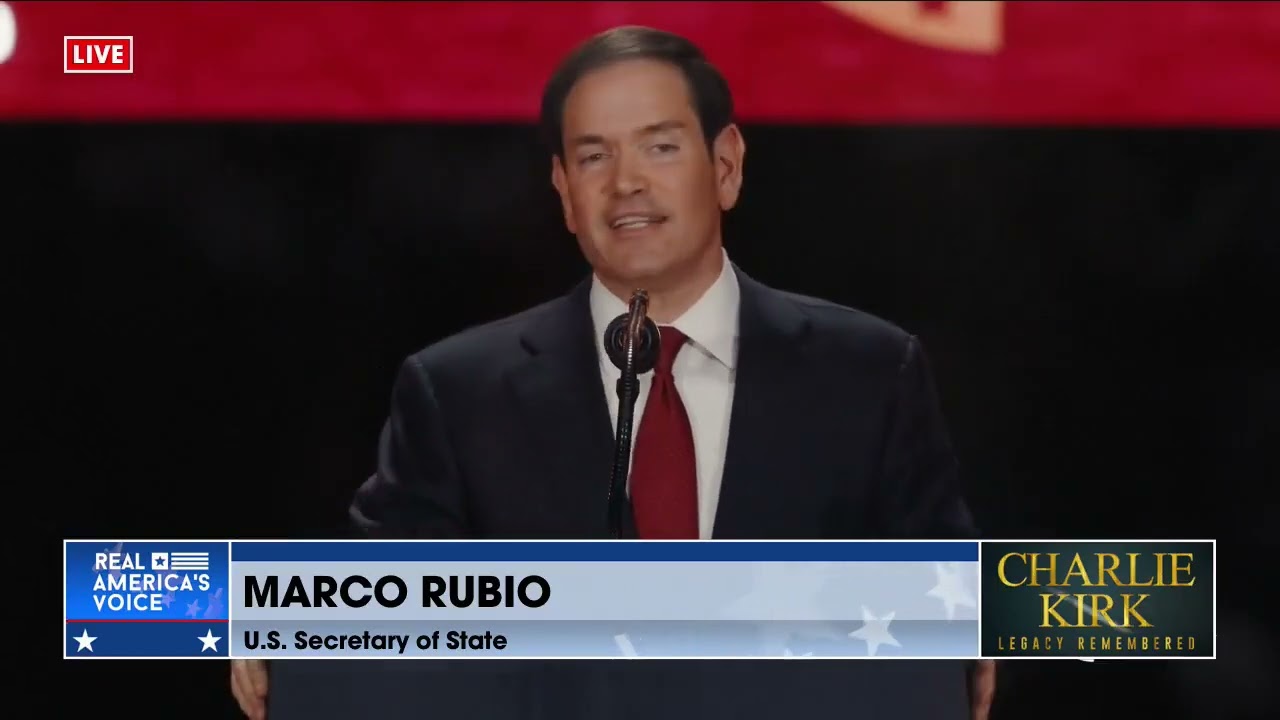
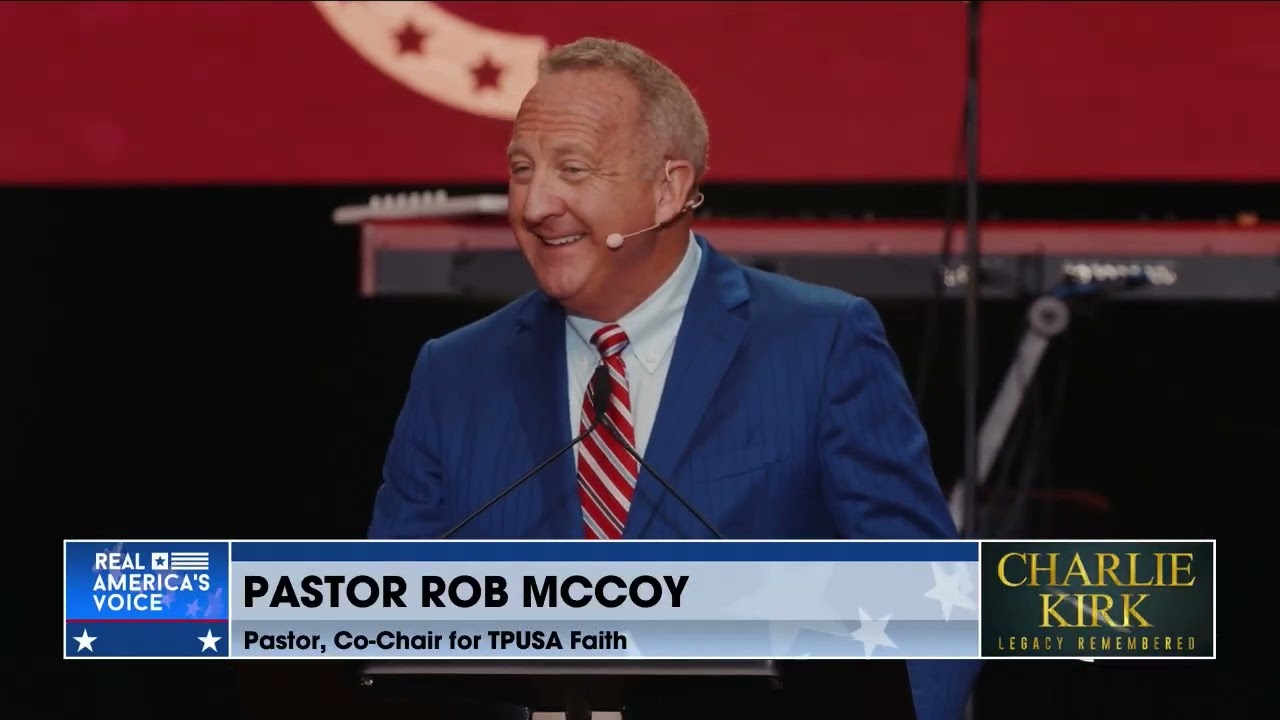
Pastor Rob McCoy, Charlie Kirk's own pastor, delivers a sermon centered on a single idea: that Charlie never treated politics as the point of his life, but as a way to lead people toward a relationship with Jesus. McCoy walks through core Christian teaching on sin, describing it in the biblical sense as missing the mark, and argues that Charlie understood and accepted that teaching fully, entrusting his own life to what he believed Jesus had already accomplished through his death and resurrection. Rather than framing Charlie's security as coming from his career or his public influence, McCoy insists it came from his settled confidence in his salvation. The sermon closes with a direct invitation extended in Charlie's name, urging anyone listening who hasn't already done so to come to that same faith. It's a pastoral message aimed less at politics and more at what McCoy says Charlie wanted most for everyone who ever heard him speak.
Pastor Rob McCoy, Charlie Kirk's own pastor, opened by telling the crowd that most of them wouldn't do exactly what Charlie did, but that he wanted to explain what Charlie actually did do. The central idea McCoy returned to again and again was this: Charlie looked at politics as an on-ramp to Jesus, not as an end in itself, and McCoy credited that framing with giving Kirk the courage and wisdom that defined his public life.
Sin as 'Missing the Mark'
McCoy turned to a foundational point of Christian teaching on sin, describing it using the old archery term for missing the mark, the idea that no one hits the bull's-eye of God's righteousness on their own. He referenced the biblical teaching that no one is righteous, not even one person, and that the consequence of sin, according to scripture, is death.
Entrusting His Life to the Savior
McCoy said Charlie understood this teaching fully and entrusted his own life to it, believing that Jesus, who lived without sin and was crucified, died in the place of the whole world's sin. McCoy said Charlie's security in life never came from his career, his platform, or his public standing, but from his settled belief that his life was secure through his faith in Jesus.
A Call to Come to Faith
McCoy closed by pointing to the resurrection, describing it as new life made possible through the blood shed on the cross, and cited the biblical promise that belief in Jesus as Lord leads to sharing in the glory of God. He closed with a direct appeal, framed as something Charlie himself wanted for everyone listening: that they would come to that same saving faith.