[00:08] Welcome to The Bulwark Podcast. I'm
[00:10] Charlie Sykes joined by our good friend
[00:12] Professor Tom Nichols who has been up
[00:15] since the crack of dawn. You had to get
[00:17] up to do Morning Joe, so I appreciate
[00:19] the fact that you're with us here on the
[00:21] podcast and and not excessively cranky.
[00:24] Yet. Yet. Yet. Okay, so
[00:27] I was thinking about how to set the tone
[00:29] for our discussion to put us both right
[00:31] mood but you in the right mood. So,
[00:33] let's start off with something from
[00:36] Professor Charlie Kirk,
[00:37] the the well-known historian. I'm
[00:39] kidding of course.
[00:40] See, now I'm cranky.
[00:42] The
[00:43] Charlie Kirk is an interesting
[00:44] phenomenon because
[00:45] he's a he's a college dropout who has
[00:48] raked in millions of dollars for a group
[00:50] called Turning Point USA which is what
[00:54] 70-year-old conservative donors think is
[00:57] the coolest thing in the world for
[00:59] getting young people to turn to the
[01:01] right. And so, he is a ubiquitous figure
[01:04] in Trump world
[01:07] with with with his organization. And so,
[01:09] the other day
[01:10] he went on this this is what is this
[01:13] like an internet thing that Tucker
[01:15] Carlson does? It's sort of a
[01:18] it's it's not his actual show. They just
[01:20] sort of sit around and they videotape
[01:22] and they put it online.
[01:23] But but Charlie Kirk is is is sharing
[01:26] his deep thoughts about the state of the
[01:30] world and it's just too perfect, Tom.
[01:33] It's just too good. Let's play Charlie
[01:36] Kirk.
[01:37] But I'm actually not I'm an optimist,
[01:38] Tucker. I think that self-sovereignty
[01:41] and determination is inevitable. I mean,
[01:43] in 1945 there were 55 countries in the
[01:45] world. There's more than 230. The trend
[01:48] is micro-slicing yourself into a smaller
[01:50] way to govern yourself cuz you think
[01:53] that you have a certain custom or
[01:54] language.
[01:55] 55 countries at the end of the Second
[01:57] World War? That's according to Nigel
[01:58] Farage.
[01:59] I'll have to
[02:00] triple-check that. Oh, that's
[02:01] interesting. Yeah, but let's pretend
[02:03] it's 100. Let's just for argument's
[02:05] sake.
[02:06] Um cuz I I never want to say anything
[02:07] that's untrue, but he just said that
[02:08] yesterday on my podcast and it struck me
[02:10] as so
[02:11] interesting. And it's probably true when
[02:12] you think about it because It's yeah,
[02:14] the times of Churchill made a heavy
[02:15] impact. Well, the colonial in India and
[02:17] Southern Africa, right? So, it's
[02:19] probably right. India became three three
[02:22] countries, right? India, Pakistan,
[02:23] Bangladesh. That's right. So, and
[02:25] Churchill never thought India could work
[02:26] and we'll see if it does. But the trend
[02:29] is actually towards
[02:31] less global totalitarianism, not more.
[02:34] Okay, so there there were there were
[02:38] Wow.
[02:39] I thought that I I actually I you know,
[02:41] I 55 countries, yeah. Yeah, I I'd heard
[02:44] I'd seen on Twitter that there was some,
[02:46] you know, Charlie Kirk said something
[02:48] stupid thing floating around on Twitter,
[02:50] but I I
[02:50] that I'm actually now less cranky
[02:53] because there was no way not to laugh
[02:55] through that.
[02:56] But you know,
[02:57] if we're going to dredge this for a
[03:00] an important point about
[03:02] our old movement and our former comrades
[03:05] and former party, it's that when did
[03:07] stupid become cool? Yeah. Um
[03:11] because this isn't even just the kind
[03:15] of, you know,
[03:16] mistake of a tired mistake of, you know,
[03:19] saying that there are 57 states or that,
[03:23] you know, you're in Vermont when you're
[03:24] in New Hampshire after a long day of
[03:26] campaigning. This is this is like
[03:30] you know, rock-solid stupidity. Yeah.
[03:33] We've gone from we've gone from Edmund
[03:34] Burke to Charlie Kirk, right? We've gone
[03:36] from, you know, William F. Buckley Jr.
[03:39] to Charlie Kirk. So, I love the sourcing
[03:41] on all of this.
[03:43] I don't know this is
[03:45] I don't know that yeah. So, so okay, but
[03:47] but okay, I I do a I do a podcast.
[03:49] You've done lots of interviews. So,
[03:51] there's Tucker Carlson who's a
[03:53] reasonably well-educated guy who knows
[03:54] that it's complete [ __ ] that there's
[03:56] 55. But he goes he's sitting there and
[03:58] Charlie Kirk is pulling this totally out
[04:01] of his ass. And and Tucker Carlson goes,
[04:03] "Huh?"
[04:04] 55 countries,
[04:07] interesting. Not like wait wait,
[04:10] Charlie, I don't want to embarrass you
[04:12] and myself by doing this. This is
[04:14] complete [ __ ] By the way, if
[04:17] somebody says this on on this podcast,
[04:19] we're going to say, "No, I'm sorry.
[04:20] That's just not true." But but
[04:23] Tucker Carlson can't call out the
[04:24] stupid. This is the thing. He's not
[04:26] willing to say,
[04:27] "Charlie, I know you didn't finish
[04:30] school and you've never read a book in
[04:31] your life, but no, that's not true."
[04:34] But then it gets better where it's like,
[04:36] "No, that well, no, that's that's what
[04:38] Nigel Farage said
[04:40] said on my podcast yesterday." So,
[04:44] In my head listening to the audio, all I
[04:47] could see was Tucker's constipated face.
[04:51] You know, I I I
[04:52] Right, he's got that kind of, you know,
[04:55] the dog tilting his head sort of he's
[04:58] thinking real hard look. And and you
[05:01] know, again, let's the point of this is
[05:03] not to denigrate people that don't have
[05:05] a college education. I think the point
[05:07] is to denigrate people who don't know
[05:10] [ __ ] from Shinola.
[05:12] And they don't know what they don't
[05:12] know. So, stop them from talking about
[05:15] important things as if they know what
[05:17] they're talking about. Well, you then
[05:19] that's that's what's interesting is that
[05:21] is that Charlie Kirk's
[05:23] pretty good example of of the of this
[05:25] loop of misinformation and crazy which
[05:27] is I heard from some guy. It's pretty
[05:30] that is kind of Trumpy, right? He's
[05:31] like, "Some guy."
[05:33] are saying there were 55 countries. Many
[05:35] people are saying and I you know, I I
[05:37] don't want to say anything that's not
[05:38] true, so I should triple-check that as
[05:40] opposed to doing what I just did.
[05:43] Well, you know, the
[05:45] if we're if and if we're going to, you
[05:46] know, if we're going to decide to
[05:50] have a good laugh here because it was
[05:52] impossible not to, he's also
[05:54] misunderstanding why there were fewer
[05:56] countries. It's because there were, you
[05:58] know, empires.
[06:00] Um you know, that uh colonial powers.
[06:04] Yeah, you know, it's like, "Well, there
[06:06] were far fewer countries in Africa."
[06:07] Well, yes, there was a reason for that.
[06:09] And he he uses he says, "Well, you know,
[06:12] self-sovereignty is not Well, first of
[06:14] all, sovereignty by definition is
[06:17] self-sovereignty. There's no such thing
[06:18] as anything other than self-sovereignty.
[06:21] But he's trying to make some kind of
[06:22] larger point about countries and nations
[06:26] and states governing themselves. And in
[06:28] the end, the 55 countries thing, that's
[06:31] really a small and forgivable bit of
[06:34] dumbassery in the middle of this. The
[06:36] bigger problem is he has no idea what
[06:39] he's talking about or why he's talking
[06:41] about it.
[06:43] Okay, that's become the thing. It's
[06:45] like, "Look, I I think I have to make a
[06:47] point about countries and globalization
[06:49] and nations and states and so, I'm just
[06:52] going to keep talking while Tucker
[06:53] Carlson, you know, looks like he's kind
[06:56] of straining away going, 'Interesting,
[06:58] isn't that something? Do go on.'" Yeah,
[07:01] that's do do go on. I mean, again,
[07:03] there's always the option when someone
[07:05] says something like this, you can edit
[07:06] the tape or you're not you don't put it
[07:07] up on that. They don't they don't care.
[07:09] It does just doesn't matter anymore. I
[07:10] mean, this is this is the wonderful
[07:12] thing about being a right-wing media
[07:14] personality. There are no consequences.
[07:16] There are no standards. You are
[07:17] uncancelable. I mean, that's kind of a
[07:19] that's kind of liberating, right? I
[07:21] mean, you can say anything
[07:23] and They're for the experience. They're
[07:26] not there to learn. They're not there to
[07:28] debate. They're not there They're not
[07:29] there to have a discussion. They're not
[07:31] there to be kind of prodded into
[07:33] thinking about things. They're there
[07:35] They remind me of the
[07:37] the scene in an otherwise really bad
[07:39] movie in The Big Chill, the old boomer
[07:41] classic where
[07:43] a really stoned William Hurt is watching
[07:46] a movie and he has no idea what it is.
[07:48] And finally, after he gets asked enough
[07:50] times, he says, "Look, man, sometimes
[07:51] you have to just let art flow over you."
[07:54] And I think that's become conservative
[07:56] media. You know, it's like, "Look, I
[07:57] don't even know what this is about. I
[07:58] just know that Laura Ingraham or, you
[08:01] know, is really mad and Charlie Kirk's
[08:03] on a rip and Sean Hannity is chewing on
[08:05] his pencil and throwing a football
[08:07] around and, you know, losing his mind
[08:09] and it just all feels good." And you
[08:11] sometimes you just have to let it flow
[08:13] over you. Okay, so let's talk about
[08:16] politics. Let's get into something deep
[08:18] and serious, okay? Um we'll work up to
[08:21] the insurrection and democracy and all
[08:22] of those other things. But I find it
[08:24] very interesting what's going on in
[08:26] Florida and Texas where they're kind of
[08:28] in a race for one another to who can be
[08:31] the most anti anti-vaccination or at
[08:34] least anti-vaccination passports.
[08:36] Greg Abbott, the governor of Texas,
[08:38] following the lead of Ron DeSantis in
[08:40] Florida yesterday signed legislation
[08:43] that would ban private businesses or
[08:46] governmental entities from requiring any
[08:48] sort of a proof of vaccination from
[08:51] either their employees or their
[08:52] customers. Let's just play about 40
[08:54] seconds of Texas Governor Greg Abbott.
[08:57] Texas is open 100%.
[09:00] And we want to make sure that you have
[09:02] the freedom to go where you want without
[09:06] limits. Any. The Texas legislature
[09:09] passed a law that I am about to sign
[09:11] that prohibits vaccine passports in
[09:15] Texas.
[09:16] No business or government entity can
[09:19] require a person to provide a vaccine
[09:22] passport or any other vaccine
[09:24] information as a condition of receiving
[09:27] any service or entering any place.
[09:30] I want to thank the Texas legislature
[09:32] for getting this bill to my desk.
[09:36] So, Tom Nichols, interesting spin on the
[09:39] concept of small government and freedom.
[09:42] Yeah,
[09:43] you know, if you want to know what the
[09:44] United States would look like in a
[09:46] completely Republican-dominated
[09:49] government, it's
[09:51] you know, it's executives sitting behind
[09:53] a desk like Trump did saying, "I hereby
[09:56] decree
[09:58] that you are not the boss of me.
[10:01] Yeah. Um,
[10:02] but, you know, imagine the being This is
[10:06] This is great if you're a more freedom
[10:08] guy,
[10:09] um, but not so great if you're a
[10:11] business. This basically says, um, you
[10:14] know, why doesn't he just as and a lot
[10:15] of folks, you know, went after Abbott on
[10:17] social media in a kind of laughing way
[10:19] about it, but there's a serious point
[10:21] behind it. Why not just say, um, you
[10:23] can't put up the no shirt, no shoes, no
[10:26] service sign.
[10:28] Who are you to tell me I can't walk into
[10:29] a restaurant barefoot? Why can't I, you
[10:32] know, sit down for dinner, uh,
[10:34] shirtless?
[10:35] Um, you know, why not? Since when did
[10:38] Since when did Since when did private
[10:40] businesses have rights?
[10:43] Well, this is what's interesting about
[10:44] it because
[10:46] they're, you know, pushing this all on
[10:47] the don't tread on me freedom agenda,
[10:49] but it's really it's kind of morphed
[10:51] into this again use of coercive
[10:53] government power to
[10:56] protect what the citizenry from the
[10:58] tyranny of health mandates by Waffle
[11:00] House because I mean somebody might
[11:02] actually some business might decide that
[11:04] it's in the interest of my business, my
[11:07] employees, my customers to to have this
[11:10] kind of requirement. So, here's an a
[11:12] party that has claimed that it was
[11:15] pro-private enterprise, private
[11:18] property, pro-business, small
[11:21] government. And here's a big government
[11:23] mandate telling private citizens what
[11:25] they can't do on their own premises.
[11:28] Yes, it's I mean it is anti-conservative
[11:31] in every way. The Republicans have
[11:33] become the party of of
[11:36] First, I think the Republicans are now
[11:38] neck and neck with the Democrats for
[11:40] becoming the the nanny staters of all
[11:42] time.
[11:43] Um, but it's also become the party of
[11:46] coercive government power for culture
[11:49] war ends. This isn't This is no
[11:51] different and in some ways far more
[11:54] dangerous because it involves a
[11:55] pathogen, it involves a pandemic. This
[11:57] is no different than some of the things
[12:00] that you would expect to see out of a,
[12:01] you know, left-wing city council in
[12:04] California or or, you know, in,
[12:07] in a college town. Except that it's done
[12:10] with, you know, kind of a Texas twang
[12:12] and it's done with a sense of freedom
[12:14] and it's it's just red meat aimed at
[12:17] people whose understanding of democracy
[12:20] and freedom is at the level of a toddler
[12:23] who says, I have the right to pull my
[12:25] shoes off, you know, or pee and poop
[12:28] anywhere I want to because I am free in
[12:31] the way that, you know, animals are
[12:33] free. I I I I want to make a point that
[12:36] is only partially snarky. And actually I
[12:39] think it's 60/40 not snarky, but I'm
[12:41] reading Governor, you know, Abbott's
[12:43] comments. Texans should have the freedom
[12:46] to go where they want without any
[12:48] limits, restrictions, or requirements.
[12:52] Which sounds great. But does he actually
[12:54] mean that? No, no. Okay, so here's my
[12:57] thought experiment. All right, and I
[12:58] tried this in my newsletter this
[12:59] morning. And I I I
[13:01] I actually hope people will spend at
[13:03] least like 30 seconds thinking about it.
[13:05] Okay, so imagine the modern-day Abbotts
[13:08] and DeSantises of the world. How they
[13:11] would react to original proposals, for
[13:13] example, to require people to carry
[13:16] driver's licenses.
[13:18] Or put license plates on their cars if
[13:21] they have the ability to go wherever
[13:23] they want to do without any restrictions
[13:25] whatsoever. I mean, I can sort of
[13:27] imagine if this came up now it would be
[13:28] mark of the beast. See, they're trying
[13:30] to require papers, please don't tread on
[13:32] me. I'm really not kidding here. Now,
[13:34] think about it. Think about this this
[13:37] mentality. If we were starting over and
[13:39] people said, okay, you can drive a car,
[13:41] we can go anywhere, but you know what,
[13:42] you're going to have to have a number on
[13:44] the plate so the government will know
[13:45] who you are, you have to register that
[13:47] car, and you have to carry an
[13:49] identification card with you that shows
[13:52] that you know how to use that car. Oh my
[13:54] god, these people would lose their
[13:56] freaking minds. It's It's a It's a
[13:59] It's the return of the paranoid style in
[14:01] American politics.
[14:03] Um, but even more than that, it is a
[14:06] complete redefinition of everything that
[14:08] we ever understood to be conservative.
[14:10] You know,
[14:11] you get this all the time as I do about
[14:13] Oh, you know, you conservatives are
[14:15] always wrong and conservatism is always
[14:16] bad and it's just such a tiresome and
[14:18] annoying,
[14:20] uh, you know, drumbeat. But,
[14:23] when people say, well, what what was it?
[14:25] You know, what did you guys stand for?
[14:26] Well, for one thing, conservatism always
[14:29] stood for order versus kind of entropy
[14:32] or anarchy, right? I mean, this is where
[14:35] there was the authoritarian streak in
[14:37] conservatism because conservatives said,
[14:40] you know, an orderly society, a place
[14:43] where, you know, people do have to have
[14:45] license plates on their cars. And of
[14:46] course, in the '60s, you know, in the
[14:48] '50s and '60s, it was people on the left
[14:50] saying, hey, man, you know, you can't
[14:53] license me. You know, I'm too free. I'm
[14:56] too, you know, I'm a spirit of the
[14:58] world, man. I don't carry a license.
[15:00] But, conservatives were the ones who
[15:02] said, no, you know, cars have to have be
[15:03] identifiable and you have to be licensed
[15:05] to drive one and, you know, there was
[15:07] this kind of innate conservative notion
[15:10] that order is good. Now, conservatism
[15:14] means
[15:16] It's It's Conservatism is anarchy. It's
[15:18] It's It's nihilism. It's, you know, my
[15:21] freedom is completely without limits and
[15:23] if I want to walk in with four guns. I
[15:25] don't know if anybody saw the picture on
[15:27] Twitter, the guy walking around with
[15:29] four guns strapped to him, um, you know,
[15:32] to make the point that he could walk
[15:33] into a store with open carry. Um, you
[15:37] know, that's that's become the new
[15:38] symbol of I'm going to use little air
[15:41] quotes here, conservatism, uh, because
[15:43] conservatism means pissing everyone off
[15:46] because I can because mentally I'm 3
[15:49] years old. Yeah, I I don't know if I
[15:51] even want to use the word conservative
[15:52] to describe
[15:54] that, but you know, conservatism used to
[15:56] have you be described as, you know, the
[15:58] belief in ordered liberty. Now, that's a
[16:00] balance, ordered liberty. Um, people
[16:03] might say, well, that's a contradiction
[16:04] of terms. No, not at not at all. You
[16:05] know, that that that is the conservative
[16:07] sensibility was you balance order with
[16:10] liberty. You don't go one way or the
[16:12] other way. And of course, that balance
[16:14] is completely is completely gone right
[16:16] now. Just just like the balance between
[16:19] the needs of society and the community
[16:21] need to be balanced against individual
[16:23] freedom. That that the balance. Right
[16:25] now, it's like, you know, [ __ ] the
[16:27] community. If I want to do this, I'm
[16:28] going to do whatever I want. So,
[16:31] give me I'm going to get your sense
[16:32] because you you are of course, famous
[16:34] for your deep thoughts about the
[16:37] etiquette of flying on airplanes and
[16:38] everything.
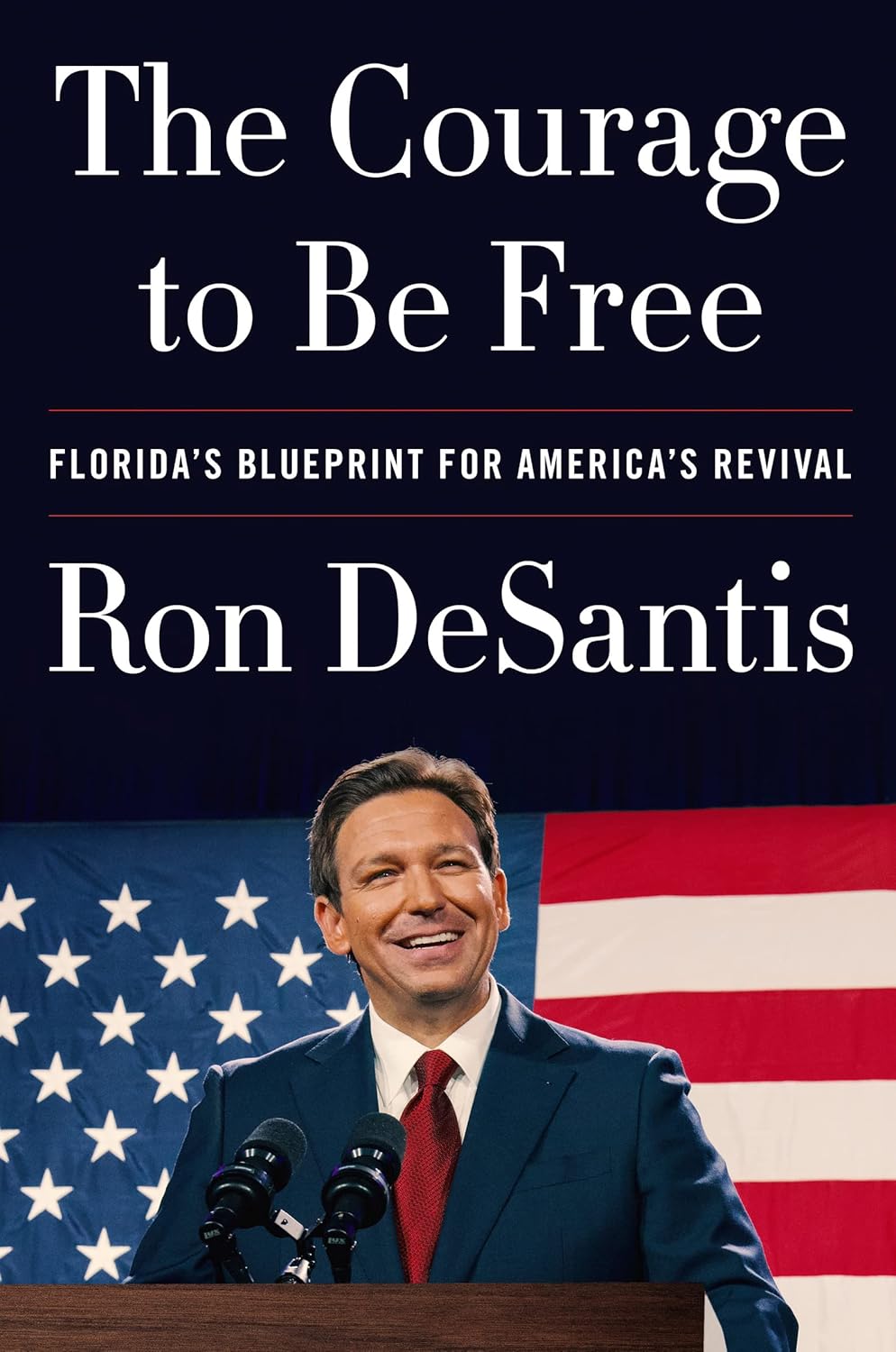
[16:39] Ron Ron DeSantis is going all in and
[16:41] saying that none of the cruise ships
[16:43] should be able to require any sort of
[16:44] proof of of vaccination. Uh, and the
[16:47] cruise Interestingly enough, the cruise
[16:49] ship industries are going, wait, wait,
[16:50] wait, wait. We kind of want to get back
[16:52] going and this would help us if we could
[16:54] assure our passengers that we wouldn't
[16:57] become a floating petri dish dish of
[16:59] pandemic. So, would you would you get on
[17:02] a cruise ship, anytime soon this year? I
[17:05] mean, you want to get back to life,
[17:06] right? No, and I I mean, I I am not a
[17:08] cruise ship guy to begin with. Um, I'm
[17:11] But, if I had to be on a cruise ship, if
[17:13] somebody said, you know, uh, we'd like
[17:15] you to, I don't know, do a speaking gig
[17:17] or, you know, all
[17:19] I don't know I don't know. You know, you
[17:20] you need to get from Boston to Florida
[17:22] and all the airplanes are gone and you
[17:23] have to I I'm vaccinated. I wouldn't
[17:25] worry about it. But, uh, as I said on
[17:28] Twitter, my biggest
[17:30] My biggest concern would be that a boat
[17:32] full of unvaccinated people from Florida
[17:35] would be by definition being trapped on
[17:37] a ship full of [ __ ]
[17:39] Um, and so I I, you know, I just
[17:41] wouldn't want to have to socialize with
[17:43] a bunch of, you know, people
[17:44] It was a movie, wasn't it? Ship of
[17:46] [ __ ]
[17:48] It's famous.
[17:51] See, I think the other And if not, there
[17:53] should be But, you know, that they're
[17:55] going A bunch of people trying to make
[17:57] each other sick to make a point. And
[17:59] DeSantis, this is why DeSantis is, you
[18:02] know, the among the worst of the worst.
[18:04] He's He has broken the code. He's like,
[18:07] Yeah. I can do performative, uh, as you
[18:10] and I have often called it, performative
[18:12] assholery and do these dumb things and
[18:15] throw these to the throw this red meat
[18:18] to the rubes who don't, you know, don't
[18:20] know any better and don't care.
[18:22] And, um, you know, and I'll be president
[18:24] that way. And it actually might work for
[18:26] him. And it might work. I did see one
[18:28] point that I thought was actually pretty
[18:29] interesting reason not to get on a
[18:31] cruise ship under these circumstances,
[18:33] which is that, you know, even though
[18:34] you're vaccinated and you you won't get
[18:36] sick, the fact is that if you are on a
[18:39] cruise ship with a thousand other people
[18:41] who are not vaccinated, there's a
[18:43] possibility that they could infect one
[18:45] another and that you would be caught in
[18:47] a quarantine. And that you would be one
[18:49] of the people who'd be caught up, right?
[18:51] Um, you know, you know, stuck 3 miles
[18:53] out while they, you know, do all the
[18:55] testing and everything. And of course,
[18:57] if you hold up your your your vaccine
[18:58] passport, what, you're not supposed to
[19:00] look at that? I don't I don't know.
[19:03] So, No, it would be it would be a
[19:04] nightmare, but again, does the governor
[19:06] of Florida care? He wanted to get out I
[19:09] mean, I'm sure he's vaccinated and I'm
[19:10] sure that, you know, he's not planning
[19:12] on spending 10 days on a cruise ship.
[19:15] But, it he it made for a great, uh,
[19:18] moment, right? To stand up and say, look
[19:20] at me defending, uh, you know,
[19:23] I mean, these guys issue these these
[19:25] edicts and ukases as if they are reading
[19:27] the Universal Declaration of the Rights
[19:29] of Man,
[19:31] um, when in fact, all they're doing is
[19:33] just throwing, um,
[19:36] big T-bones of stupid, uh, to their to
[19:39] their to their base. And it's it's
[19:42] appalling.
[19:43] All right, so we have breaking news
[19:44] today, uh, and I I will I'm going to
[19:47] confess that I have not had a chance to
[19:49] to read the whole thing. Uh, the This is
[19:51] the the new findings from the Senate uh
[19:54] Senate report. Um it apparently it's a
[19:57] 128-page uh Senate report about the
[20:00] January 6th. Interestingly enough, the
[20:02] final 22 pages of this 128-page
[20:06] Senate report on the insurrection is
[20:09] just a transcript of Donald Trump's
[20:11] speech on the day of the of the attack
[20:14] on the Capitol. It's kind of
[20:16] interesting, isn't it?
[20:17] Well,
[20:18] I I I mean
[20:20] you know, much like the the audio that
[20:22] was just released with um Rudy Giuliani.
[20:25] Mhm. You know, are all the things that
[20:27] we suspected? Did anybody really think
[20:30] these things were not going to be
[20:32] uh turn out to be true?
[20:35] Um you know, that that uh
[20:38] that Trump incited this insurrection and
[20:41] directed people to go
[20:44] where they were going.
[20:45] Um of course that was going to be the
[20:47] case.
[20:48] And it of course it was the case that
[20:50] Rudy called Ukraine and said uh you
[20:53] know, uh if you were to play ball, some
[20:56] good stuff, I mean a friend of mine
[20:58] could make a friend of yours that thing
[21:00] could happen. I don't want to say what
[21:01] that thing is, but it's a thing and you
[21:03] want it and you know, um these guys were
[21:06] a bunch of mafia goons. They knew
[21:07] exactly what they were doing. Trump knew
[21:09] what he was doing. The Senate knew what
[21:12] Trump was doing and that's what makes
[21:13] the behavior of the Senate Republicans
[21:15] even all the more shameful.
[21:18] You also saw that uh the my my home
[21:20] state senator Ron Johnson along with
[21:22] Tommy Tuberville, Mike Lee, Rick Scott,
[21:24] and Ted Gru Ted Cruz all sent a letter
[21:26] yesterday to the Attorney General
[21:27] Merrick Garland requesting information
[21:30] on what they call the unequal
[21:32] application of justice for the
[21:34] insurrectionists and the Black Lives
[21:37] Matter protesters last summer. So, once
[21:41] again, we're we're we're seeing this
[21:43] extraordinary revisionism.
[21:46] I will say that among the things that I
[21:47] did not totally expect was the way in
[21:50] which larger and larger portions of the
[21:53] Republican Party are embracing the
[21:55] insurrectionists as somehow victims,
[21:58] victims of an overweening uh federal
[22:01] government that that they that they in
[22:03] fact are being persecuted. I I I thought
[22:05] a lot of things would happen. I This is
[22:07] This is an interesting development,
[22:09] isn't it? Interesting in quotes. Well,
[22:11] I'm I'm just going to say that I you
[22:14] know, was an early adopter on calling
[22:16] out Mike Lee as being full of [ __ ] about
[22:19] his loyalty to the Constitution.
[22:22] Um you know, that that was Oh, the great
[22:24] constitutionalist from Utah. Um you
[22:27] know, and I just thought that was always
[22:29] a lot of um
[22:31] um you know, um
[22:34] He's one of my camouflage
[22:36] uh you know, for the fact that if though
[22:39] if constitutional principles ever came
[22:41] into conflict with things that Mike Lee
[22:43] thinks are good, that the Constitution
[22:44] would be
[22:45] uh the victim of that of that collision.
[22:49] And so no, it doesn't you know, I I
[22:51] think what's surprising me is that they
[22:52] are saying it so bluntly. Uh
[22:56] you know, uh instead of saying, "Look,
[22:58] uh we're not holding Trump responsible
[23:00] for this, but the people who attacked
[23:01] the Capitol must be brought to justice
[23:03] because we are a nation of laws." You
[23:05] know, the the things we would have
[23:07] expected normal people to say in any
[23:11] party in previous years are now simply
[23:15] um not available in you know, it's like
[23:18] the brains of Republicans elected
[23:21] Republicans cannot process those words.
[23:23] And so instead it's like, "Hey, here's a
[23:25] good idea. Why don't we all get together
[23:27] and basically being like a Senate
[23:30] coalition for the legal defense of
[23:33] insurrectionists and seditionists?"
[23:36] Because again, they're I mean I think
[23:38] Charlie, you you you know Ron Johnson
[23:40] better than anybody. I mean John I I
[23:42] think Johnson is actually stupid and
[23:44] believes all this, but I think with with
[23:46] Cruz and Scott and you know, um Lee I
[23:51] think they know exactly what they're
[23:53] doing and they're saying this is what
[23:55] you know, again, they live in fear. A
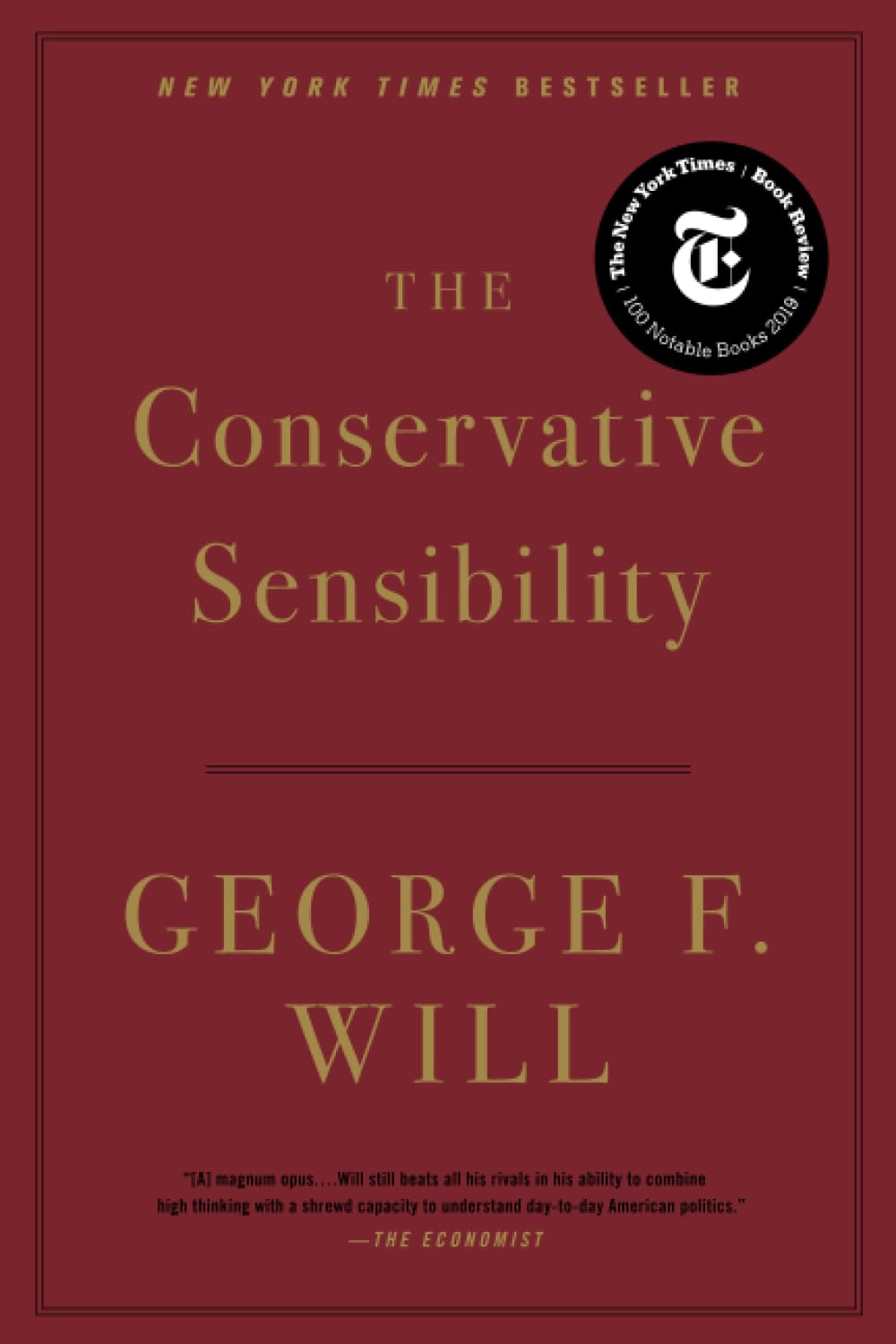
[23:57] George Will had a great line about a
[23:59] month ago. Uh this is a new phenomenon
[24:02] in American politics, an American a
[24:04] great American political party, a once
[24:06] great party that is terrified of its own
[24:10] voters. Yeah.
[24:12] That's literally true. Okay, let's make
[24:13] everybody mad. Uh since we've gotten
[24:15] this far into the podcast, let's talk
[24:17] about Joe Manchin and HR1 and uh what
[24:20] the Democrats are doing on on on Capitol
[24:23] Hill. So, first of all, give me your
[24:24] take on on on Joe Manchin. Um I I I I I
[24:28] I was actually amused by some of the
[24:29] people actually amused as in I think
[24:31] they made an interesting point saying,
[24:33] "You know how Democrats right now are
[24:35] feeling about Joe Manchin? There were a
[24:36] lot of conservative Republicans who felt
[24:38] that way about Joe
[24:39] John McCain a few years back." And John
[24:42] McCain was considered a maverick, an
[24:44] independent, a courageous lone voice.
[24:47] Joe Manchin's not getting that treatment
[24:48] right now, is he?
[24:50] No, and you know, I'll I'll give you two
[24:53] versions of Joe Manchin. One is the you
[24:55] know, why everybody is mad at him and
[24:58] the other is why everybody shouldn't be
[24:59] mad at him. Um you know, first if you
[25:02] don't like Joe Manchin what Joe
[25:03] Manchin's doing, the answer for
[25:04] Democrats is
[25:06] uh elect more senators.
[25:08] Joe Manchin has the power he does
[25:10] because you know,
[25:12] you Democrats fell short when you should
[25:15] have been rolling.
[25:17] Uh you know, thank goodness you pulled
[25:19] off uh Georgia, but you know, the reason
[25:21] Joe Manchin is in the catbird seat here
[25:24] is because you only have 50 senators and
[25:28] that you know, is going to put Manchin
[25:30] and Sinema and others um at the fulcrum
[25:33] of power the way it always does when you
[25:36] have a divided Senate. The the the least
[25:38] ideologically committed or the most
[25:41] least ideologically pure members of your
[25:43] coalition or caucus will be the
[25:46] kingmakers. And you know, this is
[25:47] Republicans are not immune to this. Um
[25:50] here's a name from the past for you,
[25:51] Charlie. Jim Jeffords. Mhm. Um you know,
[25:55] Republican from Vermont who people said,
[25:57] "The guy is such a liberal, you know,
[25:59] and he ought to just vote with the
[26:01] Democrats." And one day Jim Jeffords
[26:02] said, "You know what?"
[26:03] Yeah. Yeah, I guess I will.
[26:05] And so you know, before you get too mad
[26:07] at Joe Manchin
[26:08] Senate control flipped as a result of
[26:10] that. Yeah.
[26:11] And and Jeffords uh you know, again to
[26:13] use another great movie line from LA
[26:15] Confidential, Jeffords made his play. He
[26:17] got what he wanted. Is uh you know, he
[26:20] he knew what he was doing. Um so you
[26:23] know, if you want to play that game with
[26:25] Joe Manchin, then keep practicing the
[26:28] words Senate Majority Leader Mitch
[26:29] McConnell again and see how you feel
[26:32] about that. The place where I think
[26:33] Manchin gets a lot of legitimate static
[26:37] is that he kind of plays this babe in
[26:39] the woods thing about saying, "Well, I'm
[26:41] sure 10 other Republicans out there, you
[26:45] know, that there must be besides Mitt
[26:47] Romney. I mean I'm sure we could just
[26:49] you know, I'm shocked shocked that we
[26:52] can't get to a bipartisan resolution."
[26:55] And this is I think where I can totally
[26:57] understand the frustration of Democrats
[26:59] who want to grab Manchin by the lapels
[27:01] and say,
[27:02] "Look, either you're either you're being
[27:04] disingenuous or you're being stupid.
[27:06] Which is it? Because this is never going
[27:08] to happen. The you are not going to
[27:10] Mitch McConnell has already made his
[27:12] choice. You are not going to get 10
[27:14] Republicans for anything."
[27:17] You know, you could pass the you could
[27:19] pass the you know, uh the the the
[27:22] motherhood and apple pie, you know,
[27:25] co-sponsored by Jesus Christ themself
[27:28] and
[27:29] Well, that was the January 6th
[27:30] commission. If you If you can't get 10
[27:31] votes for the January 6th commission,
[27:33] that ought to be kind of the red flag
[27:35] this is not going to happen. I love the
[27:37] quote over the weekend. It was something
[27:38] like Manchin said something like, "Well,
[27:40] he's still optimistic that that
[27:41] Republicans, you know, his Republican
[27:43] colleagues would look into their souls
[27:45] and realize they needed to do X, Y, or
[27:47] Z." And my reaction to that was um
[27:50] Senator Manchin, uh they've been looking
[27:52] into their souls for the last 4 years
[27:54] and they've come up empty over and over
[27:56] and over again. Why do you think it's
[27:58] going to be different this time? Yeah,
[28:00] or or they've even worse, they've looked
[28:02] into their souls and there is this, you
[28:04] know, kind of howling evil voice that
[28:07] says, "Do it, you know."
[28:09] You'll get away with it. Okay, so here
[28:12] here's the problem and this is where I'm
[28:14] I'm getting a little bit frustrated um
[28:16] and and I'll get blowback for this, but
[28:18] you know, the Democrats sometimes are
[28:19] very bad at politics. I'm sorry to say
[28:21] this. The whole HR1 thing, um this bill
[28:25] was never going to pass. There was never
[28:27] a chance it was going to pass. It wasn't
[28:29] written to pass. You don't have an
[28:31] 800-page omnibus bill like that, you
[28:33] know, to jam through on a on a on a
[28:35] partisan basis. And yet they've had all
[28:38] sorts of off-ramps to break it down, to
[28:40] come up with different alternatives, to
[28:41] go with the John Lewis bill. And so Joe
[28:44] Manchin in a sense just simply called
[28:46] out the political reality. And I do
[28:49] wonder whether or not there's there's
[28:51] there's an element of delusion going on
[28:53] in the Democrats that with a four-vote
[28:55] margin in the House and no vote margin
[28:57] in the Senate that you know, let's go
[28:59] pedal to the metal. You know, the
[29:01] progressives are saying they're fed up
[29:03] with all the pussyfooting around. It's
[29:04] time to go you know, it's go time. Go
[29:06] time where? What What are you talking
[29:09] about?
[29:10] revealing Yeah. The most revealing
[29:12] comment on this was a was a Democratic
[29:14] staffer uh in the Washington Post
[29:17] who said, "Do you think Manchin was the
[29:20] only guy who had a problem with this?"
[29:21] And his exact quote was, "Fuck no." No.
[29:24] Uh that
[29:26] the front guy on that. Yeah. He's just
[29:28] the front guy on that. And I think there
[29:30] there's a couple of things going on
[29:32] here. One is Republic Republicans are so
[29:35] uh afraid of their own base that they do
[29:37] crazy stuff. Democrats I think don't
[29:40] trust their base to keep showing up
[29:43] unless they can shovel goodies,
[29:47] you know, by the wagon load out the
[29:48] front door. They keep saying things
[29:50] like, "But if we don't do all these
[29:52] things, and we don't show that Biden can
[29:54] deliver on all these things, then our
[29:57] base, you know, and and my answer is,
[29:59] your base is what? What? They're going
[30:02] to vote for Ron DeSantis for president?
[30:04] I mean, what does that mean, your base
[30:06] will be
[30:07] uh concerned? Um you know, this was I
[30:10] think this is the one huge difference in
[30:13] how Republicans and Democrats do
[30:14] politics.
[30:16] Now, Republicans grumble and they say,
[30:17] "Yeah, I didn't get what I wanted." And,
[30:19] you know, I mean, with Reagan, I mean,
[30:21] you know, again, you and I are both old
[30:22] enough to remember Reagan in '84 and the
[30:23] evangelicals. We didn't get prayer in
[30:25] school, we didn't get abortion banned,
[30:26] we didn't get this. And the Reagan
[30:28] staffer who said, "Screw them. What are
[30:29] they going to do? Vote for Mondale?" And
[30:31] of course, and they all came back and
[30:32] they all voted for Reagan because, you
[30:34] know, grumble, grumble, they weren't
[30:35] going to vote for Mondale.
[30:37] Um Well, there was no there was there
[30:38] was no conservative talk radio in '84.
[30:40] There was no Fox News in 1984. There was
[30:43] no um, you know, the vast grifter
[30:46] outrage industry out there that was, you
[30:48] know, willing to to, you know, stoke
[30:50] descent back then. So, that was that was
[30:52] actually a much a kinder and gentler era
[30:55] for a conservative president back in 19
[30:57] also, I think you had stronger
[30:59] conservative leaders who would have
[31:01] said, "No, I don't take my marching
[31:02] orders from a guy on AM radio."
[31:04] Right. Um you know, that that I think it
[31:07] just the idea, you know, that Rush
[31:08] Limbaugh was going to tell Ronald Reagan
[31:10] what to do is pretty funny.
[31:12] Um but the Democrats are perpetually
[31:14] terrified that if they don't somehow
[31:17] pull off everything all at once. And
[31:19] there's also I I think,
[31:21] you know, Joy Reid of all people, when
[31:23] talking to our friend Tim Miller
[31:25] yesterday, was like, "Why don't
[31:27] Democrats get this?"
[31:29] Uh and I think Democrats are terrible at
[31:32] the marshmallow test.
[31:34] Um one of the great Wait, wait, what
[31:37] what is the marshmallow test?
[31:38] Well, the marshmallow test is that test
[31:39] they give to kids where you can have one
[31:41] marshmallow when I come back in the room
[31:43] if you don't touch the one that's here
[31:44] now. And of course, you know, it's a
[31:46] test of impulsive behavior, right? That
[31:48] the kids gobble up the marshmallow and
[31:49] they go, "Okay, I I ate it." You know,
[31:51] um they're bad at incremental wins and
[31:55] taking a kind of longer view. Guys like
[31:58] McConnell, I always say to Democrats, be
[32:00] like Mitch. He plays the long game. He
[32:03] takes his incremental wins. He picks the
[32:05] things he knows he can win, and he
[32:07] twists the arms of his coalition to make
[32:09] sure he gets them, and he does it in
[32:12] pieces over time.
[32:14] Whereas, I think Democrats have this
[32:16] notion of, "Well, we're in power, and we
[32:18] will never not be in power,
[32:21] and so we'll just kind of, you know, as
[32:23] you say, put the pedal to the metal." Uh
[32:26] but
[32:27] I I just think that that is always a
[32:29] short-sighted approach to to politics.
[32:32] And I think they I don't know why they
[32:34] don't get it except that they are
[32:36] constantly worried that their own
[32:38] coalition is so fractious and unreliable
[32:41] that if they don't have constant
[32:44] um
[32:45] constant victories on everything that
[32:47] their coalition goes home and watches
[32:49] TV, which I think is unfortunate. Yeah,
[32:51] I I I do think that there's a a strain
[32:54] of pragmatism in the Democratic Party
[32:56] that obviously resulted in Joe Biden
[32:58] being the nominee as opposed to uh as
[33:00] opposed to Bernie Sanders. But uh
[33:02] I think part of it was the story that
[33:04] they were telling themselves. They were
[33:05] telling themselves that uh that they
[33:07] were triumphant, that everything they
[33:09] were doing was massively popular, that
[33:11] they didn't need to worry about things
[33:12] like defund police or urban violence or
[33:15] any of those things, and they continue
[33:16] to tell themselves that.
[33:18] even Biden was a near run thing for a
[33:20] while. Very much so. You know,
[33:22] As as we now know. Yes. You know, the
[33:26] the the the book on the Allen and
[33:29] Partons book on, you know, the Biden
[33:30] campaign, for example,
[33:32] um you know, Jim Clyburn saved the
[33:34] country. I mean, because the Democrats
[33:36] were having these big arguments about,
[33:38] "Well, should it be Bernie? Should it be
[33:39] Elizabeth Warren?" I mean, they were
[33:40] sitting around thinking about the least
[33:42] electable people. I and I think Here,
[33:45] let me since you've gotten out on a limb
[33:47] to try and piss everybody off, I can't
[33:49] leave you out there by yourself. So, I
[33:50] will say
[33:51] that in part, what I think happens with
[33:53] Democrats is they are very much addicted
[33:56] to the notion of politics as
[33:57] self-actualization.
[33:59] That they make political dis their
[34:01] voters, and I I mean, particularly their
[34:03] voters, say, "What does this vote say
[34:05] about me?
[34:07] Does it make me feel good to vote this
[34:09] way?" They are not a party
[34:11] The Republicans have really mastered the
[34:15] art of holding their noses and gritting
[34:17] their teeth and saying, "Look, I want to
[34:19] win. I want my guy to win. I want the
[34:21] Republican Party to win, and I want, you
[34:24] know, Kevin McCarthy to be the House
[34:25] Speaker, and I want Mitch McConnell to
[34:27] be running the Senate."
[34:28] I don't think the Democrats have gotten
[34:31] to that kind of level of party
[34:33] discipline
[34:34] where they are capable of saying, "This
[34:36] makes me feel bad, but I have to do it
[34:38] anyway." Well, let's double down on this
[34:40] uh pissing people off thing because the
[34:42] other the other thing that that
[34:43] um the Democrats are not as good at as
[34:46] Republicans is is is picking their
[34:48] enemies and coming up with their talking
[34:49] points. Um you know, it is interesting,
[34:52] you know, to watch how the right
[34:54] coalesces around, "We're going to go
[34:56] after Anthony Fauci now." You know,
[34:57] Fauci-ism. This is going to be our
[34:59] thing. We're going to pound this, pound
[35:00] this, pound this. Like they did with
[35:02] with Benghazi. Like they like they are
[35:03] doing now with Kamala Harris. And by the
[35:05] way, you notice that part of the
[35:07] strategy, the you know, you know,
[35:09] socialist left wing um, you know,
[35:12] Democrats is to kind of ignore Biden,
[35:14] say that he's simply a a uh you know, a
[35:17] puppet a a puppet a a figurehead, and
[35:19] the real power is Kamala Harris, who,
[35:22] let's be honest, does not have all of
[35:24] his political skills. She's not She's
[35:26] kind of having a rough patch here, and
[35:27] so they're all focusing on that.
[35:29] Whereas, Democrats are kind of all over
[35:31] the place. They have not focused on
[35:33] January 6th, for example, in the way
[35:36] that Republicans used to focus on things
[35:38] like Benghazi. The Republicans are
[35:40] better at at naming at at fixing and
[35:44] freezing their target and their enemy.
[35:47] Whereas, Democrats feel like they're
[35:49] kind of all over the place.
[35:51] Right. Do you agree or not? I Absolutely
[35:53] agree. And, you know, the I I mean, I've
[35:55] had Democrats tell me, "Well, we're not
[35:58] like you. You know, we're not We don't
[36:00] take orders. Um you know, we don't march
[36:03] in step, and we don't do message
[36:05] discipline." Well, that's not
[36:07] necessarily an inherently conservative
[36:09] or Republican thing. I mean, you have
[36:11] guys like David Shore, um you know, some
[36:14] a gong I keep trying to bang every
[36:15] chance I get about David Shore saying,
[36:18] "Look, all all politics, you know, used
[36:21] to be the the Tip O'Neill rule, all
[36:23] politics local. All politics are
[36:25] national now. And what you do in these D
[36:28] plus 55 districts washes over onto
[36:32] people in these, you know, D plus one or
[36:34] R plus two districts. And so, you guys
[36:36] have to talk to each other, and you have
[36:38] to get some kind of clarity. And I think
[36:41] you're right, Charlie, you said earlier,
[36:42] it was like it was a story they told
[36:44] themselves that no, no, defund the
[36:46] police. No one No one misunderstands
[36:48] that.
[36:49] Um you know, no one could possibly
[36:51] disagree with that. You know, one of the
[36:54] interesting um
[36:55] I was right stories that I'll just,
[36:58] since we're, you know, tripling and
[37:00] quadrupling down on pissing people off,
[37:01] I said, you know, that that Joe Biden
[37:04] might be a racist attack from Harris.
[37:06] That's going to That's going to leave a
[37:08] mark.
[37:09] And I was reliably assured by very
[37:11] serious liberals, "No, no, everybody
[37:13] understands just politics. They're
[37:15] friends. They were in the Senate." Oh,
[37:16] but
[37:16] well, from what we now know, that nearly
[37:19] cost her the spot. That that they looked
[37:21] for a lot of other people
[37:23] um for the VP spot because the Biden
[37:26] people didn't want Harris there
[37:28] specifically because of that. And
[37:30] Democrats have this this wish wishful
[37:33] thinking, this wish casting of, "No, no,
[37:36] you can attack Joe Biden as a racist,
[37:38] but then tomorrow it'll all be bygones.
[37:40] Or we can say defund the police, but all
[37:42] the all the reasonable people understand
[37:44] that what we really mean is, you know,
[37:46] don't hurt people." And I mean, it's
[37:48] just it's almost like a childlike
[37:51] in the same way that Republicans can
[37:52] only understand freedom as, "You know, I
[37:55] want to I I am free to smear poop on the
[37:58] walls." Democrats seem to understand
[38:00] politics as,
[38:01] "If it makes me feel good, it can't be
[38:03] wrong, and everyone will agree with me."
[38:06] Well, you know, going back to this David
[38:08] Shore point, which which I don't think
[38:10] can be overemphasized, which is that all
[38:12] this politics all politics now are are
[38:14] national. Uh the reality is that things
[38:18] that AOC says play in every single
[38:20] district. She's not just running in her
[38:22] own district. It's playing in Abigail
[38:23] Spanberger's district. It's It's It's
[38:26] playing in Conor Lamb's district. It's
[38:28] playing everywhere at the same time. So,
[38:31] that's the reality. And uh
[38:35] I I again, I I think this is part of the
[38:37] problem of that both sides
[38:40] People hate that phrase, both sides, but
[38:41] both sides now have their alternative
[38:42] realities. And when you begin talking to
[38:45] one another, you know, so so intently,
[38:47] you probably are missing what voters who
[38:51] are going to decide who controls
[38:53] Congress are actually hearing from you.
[38:56] And there've been a number of studies
[38:57] from Democrats. This this latest study
[38:59] from this Democratic group warning
[39:01] Democrats that, "Hey, you know, you you
[39:04] um you might have problems if in fact
[39:06] voters continue to think that Democratic
[39:08] brand brand is letting your city burn,
[39:10] and you're going to take away all your
[39:11] money. Uh you need to do something about
[39:13] that." Now, that's not true. I
[39:14] understand that it's not true, and I'm
[39:16] going to get all these emails saying,
[39:18] "Charlie, you don't understand. We don't
[39:19] actually think that." Look, politics is
[39:22] also about communicating. It's also
[39:23] about the messaging. And it's also about
[39:25] the consequences of your ideas. Now, the
[39:28] flip side of this is that Republicans
[39:31] need to be held accountable um and need
[39:33] to be called out for every one of their
[39:35] crazies. It's just that it appear the
[39:38] right seems to be better at
[39:40] nationalizing the the the excesses of
[39:43] the left more than the Democrats are
[39:46] successful at weaponizing the crazy, the
[39:48] dangerous, the seditious stuff on the
[39:50] right. Am I wrong about it? Is that just
[39:53] my perspective on it? I just I You're
[39:55] not You're not wrong and um you know,
[39:59] I think the
[40:00] tagline for today's podcast is Tom and
[40:02] Charlie piss off everybody. Well, yeah.
[40:05] Um this is what we do. The other problem
[40:06] is that
[40:08] the Democrats seem they almost seem to
[40:11] be helpless in the face of the
[40:12] conservative media machine. So, when you
[40:15] say things to them like, "Look, don't
[40:17] don't use dumb slogans like defund the
[40:19] police." They say, "Well, the rightists
[40:22] are going to call us socialists anyway,
[40:24] so we might as well do it." And it's
[40:25] like,
[40:27] You know, in in the in the study of
[40:29] strategy and
[40:30] as always I have to add I don't
[40:31] represent the government or anybody, you
[40:33] know, by being here. In the study of
[40:35] strategy,
[40:37] you don't want to be what's called a
[40:38] cooperative adversary.
[40:40] You don't want to be the adversary who
[40:42] constantly plays into your enemies'
[40:44] tricks and snares and traps. And the
[40:47] Democrats are like, "Well, they're going
[40:48] to do it They're going to call us
[40:49] socialists anyway, so let's go for
[40:51] socialism." Well, don't be the thing
[40:53] that your opponents are trying to tar
[40:55] you with.
[40:56] And so, they kind of give up on their
[40:58] own messaging. Um but then they they
[41:02] even kind of go um
[41:05] further with this because they're they
[41:08] they decide that if messaging doesn't
[41:10] matter,
[41:11] then um it's okay to say things like
[41:15] birthing people instead of women.
[41:17] okay. This is like great minds think
[41:19] alike. This is
[41:20] literally what I was about to say. We we
[41:22] Look, I mean, can I just make this
[41:24] suggestion? We need the complete and
[41:25] total ban on the term birthing people. I
[41:27] mean, really. Aside from Let us leave
[41:30] aside for a moment whether or not this
[41:32] term makes any sense at all. Let us
[41:34] leave this as a completely
[41:36] Let us be completely value neutral about
[41:39] the definitional issue of the term
[41:41] birthing people. The real question is,
[41:44] when you have the house by a thread,
[41:46] when you are completely tied in the
[41:48] Senate, and you are trying to pass an
[41:50] infrastructure bill, do you want to pull
[41:53] the pin on a grenade called birthing
[41:56] people that then becomes the thing that
[41:59] your opponents will talk about, and then
[42:01] is and then you end up having to talk
[42:03] about it. And Charlie,
[42:05] you know, how many times do we have to
[42:07] tell people? What's the rule in
[42:08] politics? If you're explaining,
[42:11] you're losing.
[42:13] You are.
[42:14] Tom Nichols, thank you so much for all
[42:16] your time today even though we managed
[42:18] to piss everybody off, but that that's
[42:20] what we do, right? I mean, That's what
[42:21] we do. That's our brand. What What is
[42:23] the point of doing these things if
[42:25] occasionally we don't rub people,
[42:27] including ourselves, the wrong way? It's
[42:29] It's good for It gets It gets the the
[42:31] heartbeat up and you know, it's good
[42:33] good for you. Gets the gets the cortisol
[42:36] flowing, so
[42:38] But the But the good news is that
[42:40] tomorrow morning you and I will both
[42:41] wake up and we will not be Charlie Kirk.
[42:43] So, I mean, that's that's there's
[42:45] there's that. Hey, thank you all for
[42:46] listening to today's Bullwark podcast.
[42:48] I'm Charlie Sykes. We will be back
[42:50] tomorrow and we'll do this all over
[42:51] again.