Chloe Cole Warns Australia About Gender Medicine Crisis After Her Own Transition at Age 13
Enjoying this? Share it with someone who needs to see it.
Up Next
Naomi Reacts to Candace Owens Interview with Trans Woman Briana Ivy on Bottom Surgery Complications
23:28
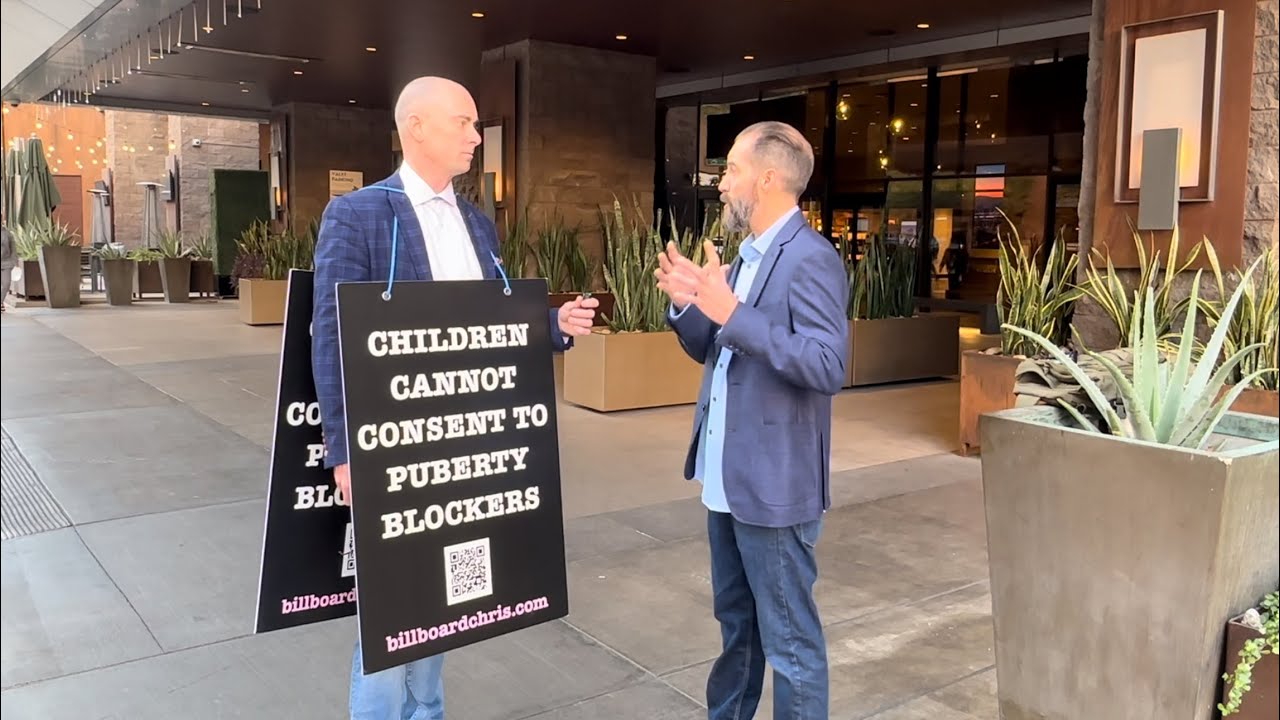
Billboard Chris Confronts Gender Clinic Practices and the Reality of Intersex Conditions at Campus Event
4:51
Candace Owens Debates Rabbi Shmuley Boteach on Piers Morgan About Zionism and Israel Gaza Conflict
40:35
Chloe Cole Warns Australia About Gender Medicine Crisis After Her Own Transition at Age 13
Chloe Cole began puberty blockers and cross-sex hormones at 13, underwent a double mastectomy at 15, and detransitioned at 16. She shares her experience with Australia's approach to gender medicine for minors, warning that the country follows the same guidelines that led to her medical interventions. Despite the UK's Cass Review revealing gender medicine is built on shaky foundations and prompting bans on puberty blockers for minors, Australia has dismissed these findings and continues using treatments banned elsewhere. Cole speaks out to prevent other young people from experiencing similar regret.
Chloe Cole started puberty blockers and cross-sex hormones at 13 years old, had a double mastectomy at 15, and began detransitioning at 16. Since turning 18, she has become an advocate for changes to gender medicine systems, not wanting others to go through what she experienced at such a young age. Her message comes at a time when a growing number of countries have moved away from the gender-affirming model of care that Australia currently uses for minors questioning their gender.
The landmark Cass Review revealed earlier this year in the UK that gender medicine is built on shaky foundations, prompting a swift response from the government to ban puberty blockers for minors. Unfortunately, Australia has dismissed the Cass Review findings and cannot even get a parliamentary inquiry into gender medicine.
The Motivation to Speak Out
When asked what prompts her to speak so publicly about such a personal experience, Cole explained that multiple factors motivate her advocacy. She connects with other people who have been through the same experience, and their stories have made her feel she has a responsibility to use her voice to help elevate theirs. The young men and women who went through this as children, along with their suffering families, inspire her to encourage them to speak out as well to affect change and prevent their stories from repeating themselves.
The Cost of Speaking Out
Despite living this experience firsthand, Cole faces criticism for speaking out. However, this hasn't surprised her. The moment she decided to detransition, she lost all her friends from within the transgender community. These people viciously went after her just for talking about the grief she was going through and the pain from the regret—every single part of the treatment.
This happened well before she was speaking out publicly or involved in any sort of legislation. It was simply when she was talking about her story and trying to find help. As difficult as it was, especially in those early stages dealing with the bullying from a community that had once accepted her almost like family, it helped prepare her to go forward publicly with her story.
The Missing Mental Health Support
Psychologists and psychiatrists from Australia and around the world say much more mental health support is needed for young people—counseling and information support—before pushing them down the path of drugs and surgical interventions. Cole confirms she ended up straight away down the medical and surgical interventionist path with little support.
She had many red flags at every step along the way, including before she even went down any medical pathway. She didn't have any issues beforehand that weren't out of the ordinary for an awkward, tomboyish adolescent girl, although she also had trauma from being sexually assaulted and experiencing early puberty. Yet none of that was really questioned. The feelings of discomfort she had around her sex were never really questioned, and it was just accepted as fact that she was her parents' son and that she was a transgender boy.
As she has come out of transitioning, those feelings of discomfort haven't gone away, but she found that the best way to deal with it and cope with it is just to accept the way things are—that yes, she is a woman, that there are some difficulties that come with that, but that there are also gifts that come with it as well.
Australia's Alarming Response to International Evidence
The Cass Review in the UK has provided a tremendous amount of learning available to medicos around the world, but it is alarming in the case of Australia where the Cass Review has been dismissed. Australia cannot even get a parliamentary inquiry into gender medicine for young people. The country is still using puberty blockers that have been banned in countries around the world.
This is in part why Cole is in Australia—to expose the community to what happens on the other side when this goes so horribly wrong. She wants to warn the government of Australia and the people of Australia about something that's not only happened to her but something that is actively happening in their own communities.
Dispelling the Myth of Different Standards
Cole emphasizes not to think of this as just a California or US issue. There's an idea going around that the standards in Australia for the care model for people with gender dysphoria are different from other countries like the US or UK, but they actually follow the same guidelines by WPATH—the World Professional Association of Transgender Healthcare. This is leading to the same exact outcomes that have happened in the UK and that are happening in the US right now.
Australia does not want to end up like the US is right now with what is going on with these struggling children and young men and women. Cole calls it a crisis for a whole generation.












Comments
Be the first to comment on this video.