CJ Pearson Explores Why California and Florida Both Claim to Be America's Freest State
Enjoying this? Share it with someone who needs to see it.
Up Next
Dinesh D'Souza Reveals the Forgotten Philosopher of Fascism and Why Historians Erased Him from History
5:38
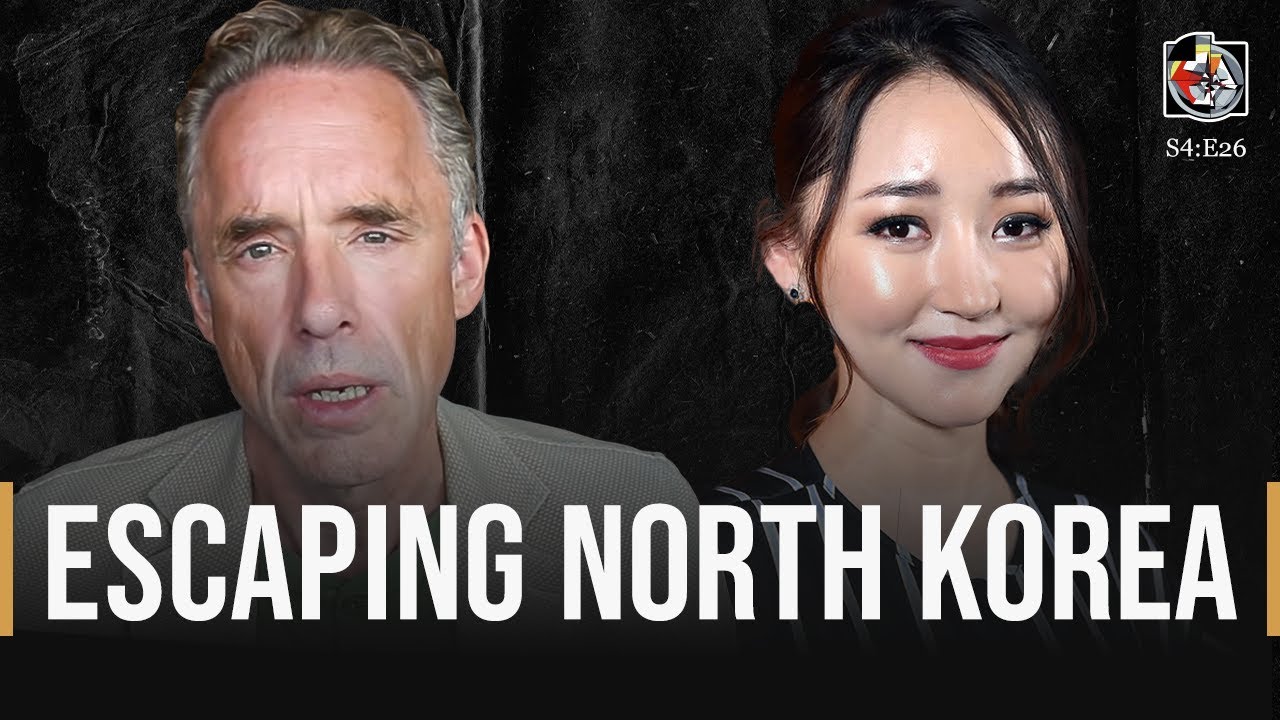
Yeonmi Park Escaped North Korea's Totalitarian Hell Only to Face Slavery and Human Trafficking in China
2:11:23
CJ Pearson Breaks Down Left vs Right on Education: Who Should Control What Your Kids Learn
4:22
CJ Pearson Explores Why California and Florida Both Claim to Be America's Freest State
CJ Pearson examines a striking paradox in American politics: how can California politicians call their state a "freedom state" while Florida leaders claim theirs is "the freest state in America"? The answer reveals fundamental differences in how the left and right define freedom itself. From totalitarianism to anarchy, Pearson maps the freedom spectrum and explains why politicians with opposing worldviews both claim the freedom mantle. He breaks down conflicting approaches to constitutional freedoms, speech, religion, gun ownership, and government power, showing how these disagreements trace back to fundamentally different visions of government's role in society.
Politicians in California have touted their state as a freedom state while on the other end of the country and the other end of the political spectrum, politicians in Florida have called their state the freest state in America. How could it be that elected officials who have very different political views and policies both believe their state has the most freedom in America? The answer is they have conflicting visions of freedom and the role of government.
Understanding the Freedom Spectrum
To understand freedom, we have to understand that there is a freedom spectrum. Totalitarianism, which is full government control over every aspect of life, is at one end. North Korea is the most obvious current example. On the other end is anarchy, which is essentially the absence of government—no entity around to impose law and order. In societies like this, violence, brute force, and mob rule run rampant. Somalia and Haiti are recent examples. Throughout history, people have lived under both extremes as well as under governments that fall somewhere in between.
Where Left and Right Agree (and Don't)
If you were to ask people on the left and the right if they support the idea of freedom, both sides would say that they do. In some cases, those on the far left and those on the far right will hold the same positions. For example, you can find people on both the left and the right who favor the legalization of all drugs. But beyond drugs, it is hard to find much agreement about freedom between left and right.
Constitutional Freedoms: The Clear Divide
One area of clear difference is how they look at freedoms outlined in the Constitution. The left supports restrictions on freedom of speech, such as hate speech, religious expression in public places like public schools, and gun ownership. The right holds these freedoms as sacred—you should be able to say almost anything short of threatening someone's life, religion is not restricted to private life, and responsible citizens should be able to own guns.
Big Government Versus Limited Government
The reason for the difference goes back to the recurring theme of this series: the left believes in big government and the right believes in limited government. In order to maintain power, big governments must limit the power of the citizen. This is why almost every repressive government of the last 100 years, with a couple of notable exceptions, have been left-wing. The Soviet Union, China, North Korea, and Cuba are the best known examples.
The Bottom Line
The left believes government should be the most powerful force in society and shape the behavior of its citizens. For the right, government should be as small as possible precisely in order to maximize the freedom of the individual. Where do you stand?