Cliff Maloney Analyzes Josh Shapiro Vice Presidential Pick and Its Impact on Pennsylvania's Electoral Battle
Enjoying this? Share it with someone who needs to see it.
Up Next
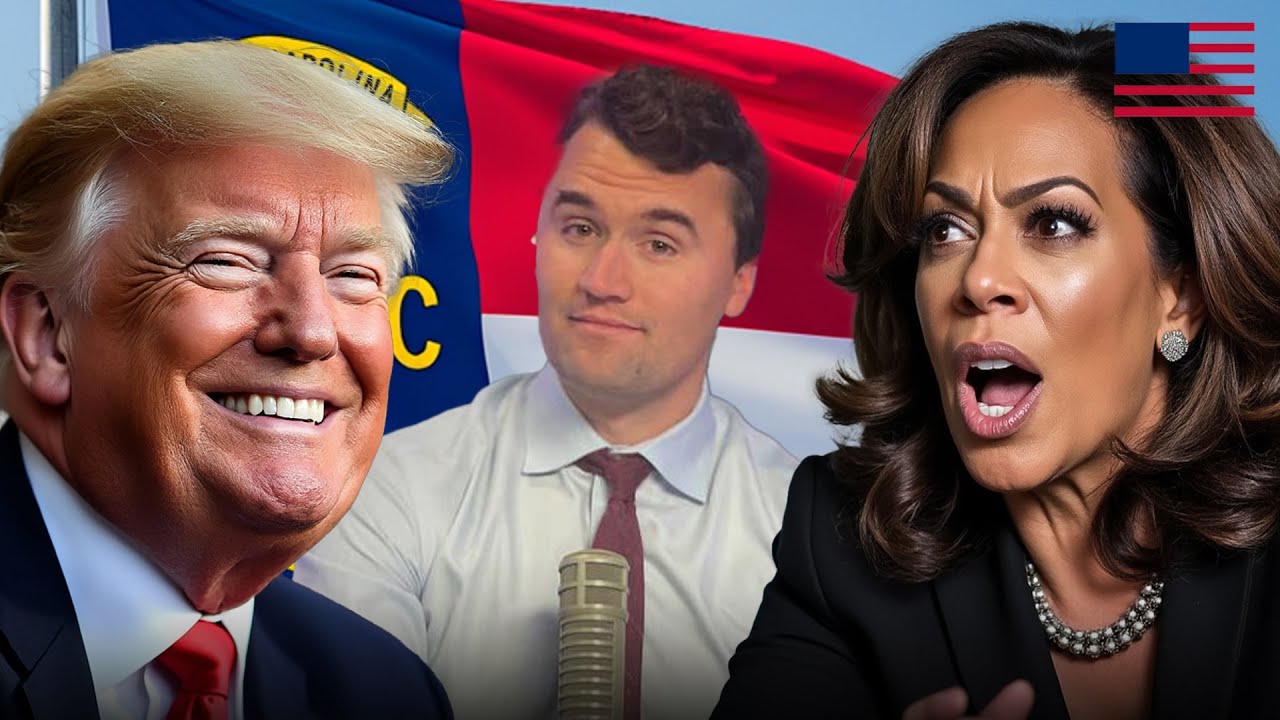
Charlie Kirk Sounds Alarm on North Carolina as Kamala Harris Goes All In on Battleground State
14:14
Charlie Kirk Reflects On The Greatest Political Comeback In American History And Defeating Doomers
18:08
Charlie Kirk Reads How One Woman Registered 12 College Girls to Vote During Her Lunch Hour
5:18
Cliff Maloney Analyzes Josh Shapiro Vice Presidential Pick and Its Impact on Pennsylvania's Electoral Battle
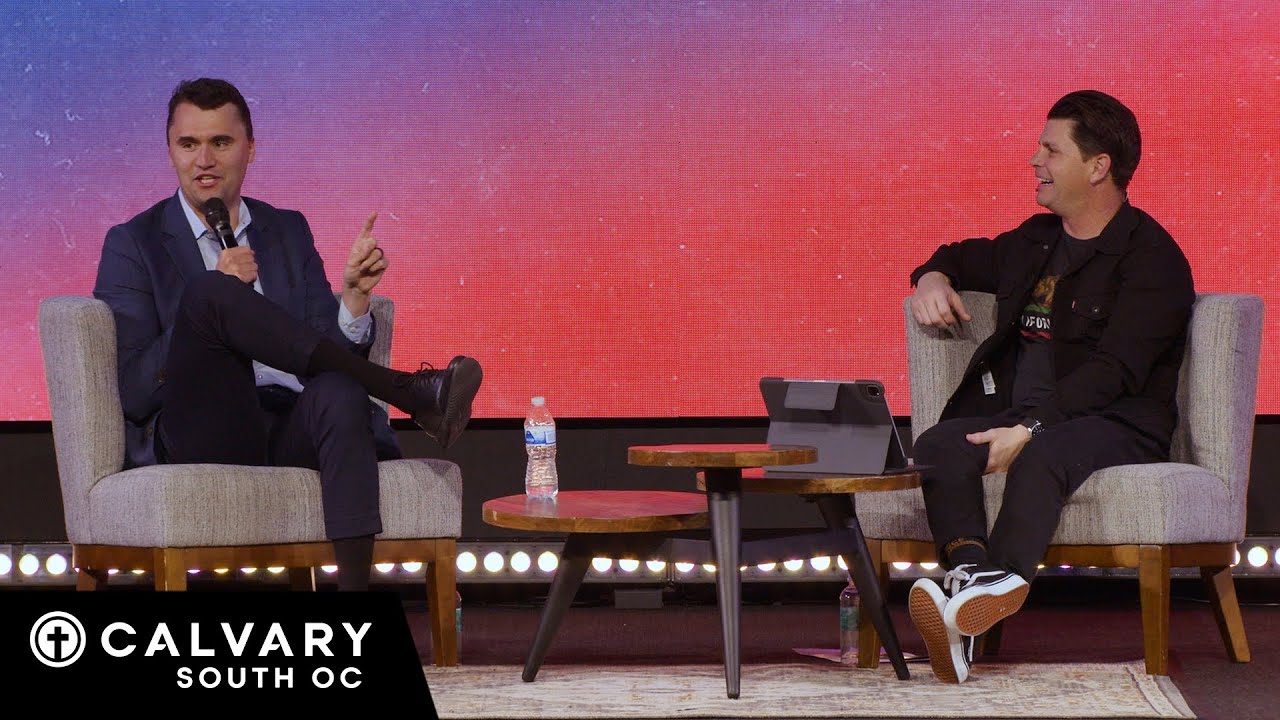
Cliff Maloney, founder of Chase PA and CEO of Citizens Alliance, breaks down the strategic implications of Josh Shapiro potentially joining Kamala Harris as her Vice Presidential nominee with Charlie Kirk. Maloney explains how this choice signals Democrats see Pennsylvania as their critical path to victory, but argues JD Vance serves as a powerful neutralizer among working-class and suburban voters. With Pennsylvania voter registration trending Republican for the first time in decades across all 67 counties, Maloney warns this race will still come down to trench warfare and narrow margins, emphasizing the urgent need for ballot chasing operations to match Democratic ground game tactics.
During a conversation about breaking news regarding Kamala Harris's potential Vice Presidential pick, Cliff Maloney of Chase PA provided analysis on what Josh Shapiro's selection would mean for the battleground state of Pennsylvania. Maloney acknowledged that while Shapiro is well-liked in Pennsylvania, this challenge can be overcome with aggressive ground game tactics.
Maloney explained the strategic thinking behind the VP selection, contrasting what a Shapiro pick versus a Mark Kelly pick would signal about the Harris campaign's electoral strategy. If Harris chose Mark Kelly, it would indicate confidence in a Sun Belt strategy with multiple paths to victory through Arizona, Nevada, Georgia, and potentially Texas. A Shapiro selection, however, signals an all-in Rust Belt strategy, suggesting Democrats see their path narrowing to Pennsylvania, Michigan, and Wisconsin, with Pennsylvania as the critical linchpin.
The Math: Pennsylvania's Decisive Role
Maloney walked through the electoral college mathematics in real-time, demonstrating Pennsylvania's pivotal importance. Even if Donald Trump wins Arizona, Nevada, and Wisconsin but loses Michigan, Pennsylvania, and Georgia, Harris would become President. This scenario underscores why Democrats would prioritize securing Pennsylvania with a popular home-state governor on the ticket.
The selection of Shapiro would represent Democrats' recognition that Pennsylvania is the state that will determine who controls the White House, making it ground zero for what Maloney describes as inevitable trench warfare in the final months of the campaign.
JD Vance as the Neutralizer
Maloney pushed back against the conventional wisdom that vice presidential picks rarely matter in modern elections, arguing this cycle is unprecedented given the late nominee change and Harris not even making it to the convention as the presumptive nominee. He emphasized that JD Vance represents a major threat to the Harris ticket, particularly in Pennsylvania and Michigan where Vance connects strongly with working-class voters.
Describing the contrast between the two potential VP candidates, Maloney characterized Vance as authentic and the real deal, while calling Shapiro more like Astroturf. He noted that Shapiro has never faced a well-funded, difficult race, and when voters learn about both candidates with adequate resources behind each campaign, Vance's authentic working-class appeal will resonate more strongly.
Maloney reported that since Vance was named VP, he has seen remarkable feedback from unexpected demographics, including middle to late-age suburban women in Southeastern Pennsylvania and working-class voters in Pittsburgh suburbs. These are precisely the voters where a Shapiro pick would theoretically help Democrats, but Vance's appeal serves as a powerful counterweight.
Pennsylvania Registration Trends Signal Republican Momentum
Maloney shared encouraging data about voter registration trends in Pennsylvania. Since Trump's conviction and especially since the assassination attempt in Butler, Pennsylvania, Republicans have experienced net gains in all 67 of Pennsylvania's 67 counties over the last two months. This marks the first time such comprehensive Republican registration gains have occurred in decades.
Even more remarkably, Republicans are seeing net registration gains in traditionally deep-blue Philadelphia and Allegheny County. These numbers suggest Pennsylvania is primed for a Republican victory, but Maloney cautioned against complacency. The data indicates potential, but actual victory requires aggressive ballot chasing operations to match Democratic ground game tactics.
The Ground Game Imperative
Despite positive trends, Maloney emphasized that Democrats will run their machine and turn out voters in Pittsburgh and Philadelphia as they always do. Republicans must match these tactics rather than simply relying on favorable polling or registration numbers. He called for supporters to stop making excuses, double down on actual work, and ensure every person has a plan to vote.
Maloney promoted the use of tools like the Super Feed app and emphasized the ballot chasing work being done by both Turning Point and Chase PA. He stressed that Pennsylvania will be narrow regardless of trends, potentially coming down to as few as 5,000 votes, making ground game operations absolutely critical.
Shapiro's Downside: The Gaza Problem
While acknowledging Shapiro's popularity in Pennsylvania, Maloney pointed out a significant downside to his selection that wouldn't affect Pennsylvania but could create problems elsewhere. Shapiro, who is Jewish, does not solve the Democratic Party's Gaza problem or the looming Israel issue.
Maloney noted there is a fair amount of younger voters in Pennsylvania passionate about the Gaza situation. He predicted that Democrats will have what he called a "Hamas problem," expecting protesters at the Democratic National Convention if Shapiro is selected. He described radical elements within the Democratic coalition who view any Jewish individual as the enemy, and suggested some of these voters might jump to RFK Jr. or vote Green Party.
This creates a contrast where Republicans are fully unified behind Donald Trump and JD Vance in a coalition of conservatives, constitutionalists, and libertarians, while Democrats face a fractured party if they choose Shapiro.
The Path Forward
Maloney's analysis painted a picture of Pennsylvania as the decisive battleground where both campaigns will invest maximum resources. With Shapiro potentially on the Democratic ticket and JD Vance serving as a Republican counterweight, the state becomes a test of ground game execution rather than just persuasion.
The unprecedented circumstances of this election cycle, combined with favorable Republican trends but the challenge of an extremely popular Democratic governor potentially on the ticket, mean Pennsylvania will require sustained effort through election day. Maloney's message was clear: the numbers suggest opportunity, but only aggressive ballot chasing and voter turnout operations will convert that opportunity into victory.