Connor Boyack Explains Which Age Group Each Tuttle Twins Book Series Is Designed For
Enjoying this? Share it with someone who needs to see it.
Up Next
Connor Boyack Explains Which Tuttle Twins Book You Should Start With and Why Order Doesn't Matter
6:17
Connor Boyack Explains the Powerful Ideas of Freedom Taught in Tuttle Twins Children's Books
7:09
Charlie Kirk Built Turning Point USA From a High School Essay to 250,000 Members at Age 27
54:06
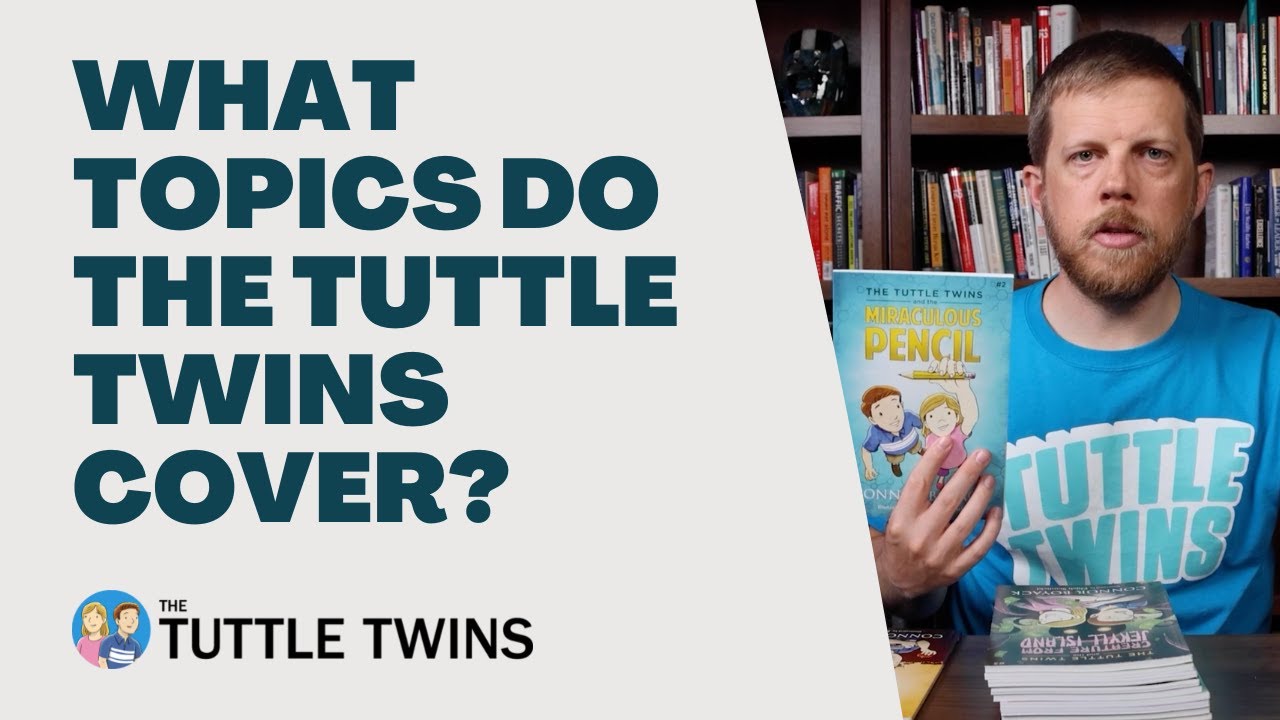
Connor Boyack Explains Which Age Group Each Tuttle Twins Book Series Is Designed For
Connor Boyack, author of the Tuttle Twins books, breaks down the age ranges for each series in his educational collection. From toddler board books teaching the ABCs of Liberty to choose-your-consequence fiction for teenagers, Boyack explains how each format serves different developmental stages. He shares why these books often work for ages beyond their target range, as older kids discover ideas never taught in traditional schools, and parents find themselves learning alongside their children about free market principles, logical fallacies, and entrepreneurship.
Connor Boyack created multiple series within the Tuttle Twins collection, each designed for specific age groups. The variety ensures families can find appropriate content no matter where their children fall on the age spectrum.
The challenge of categorizing these books by age isn't straightforward. While each series has a target demographic, Boyack has discovered over the years that the ideas presented often transcend the intended age ranges, making them valuable family resources rather than books confined to a single age group.
The Children's Series: Ages 5 to 11
The original Tuttle Twins series consists of fully illustrated children's books, approximately 60 pages each. These story-based adventures use simplified drawings to explain powerful ideas in engaging ways.
Boyack notes a significant qualifier to the 5-to-11 age range: older kids often embrace these books as well. While the illustrated format might seem beneath older readers, the ideas presented are frequently new and exciting even to them. Similarly, younger children aged three and four follow along with the illustrations while older siblings or parents read to them.
This flexibility transforms the children's series into family resources. Parents can confidently hand these books to kids in the target age range knowing they'll learn valuable concepts independently, but the appeal extends far beyond those boundaries.
Tuttle Toddlers: Learning with a Wink
The Tuttle Toddlers series takes a tongue-in-cheek approach to early learning. These board books include titles like "The ABCs of Liberty," "The ABCs of Economics," and "The ABCs of the American Revolution."
The humor becomes apparent when examining the content. Under "M is for sound money," toddlers encounter the concept that "powerful people try to steal the value of our hard-earned money by printing more of it." The letter Q introduces "quantitative easing," explaining how "the Federal Reserve creates new money which makes ours worth less, instead of admitting it is inflation adding more money to the economy they call it quantitative easing to confuse us."
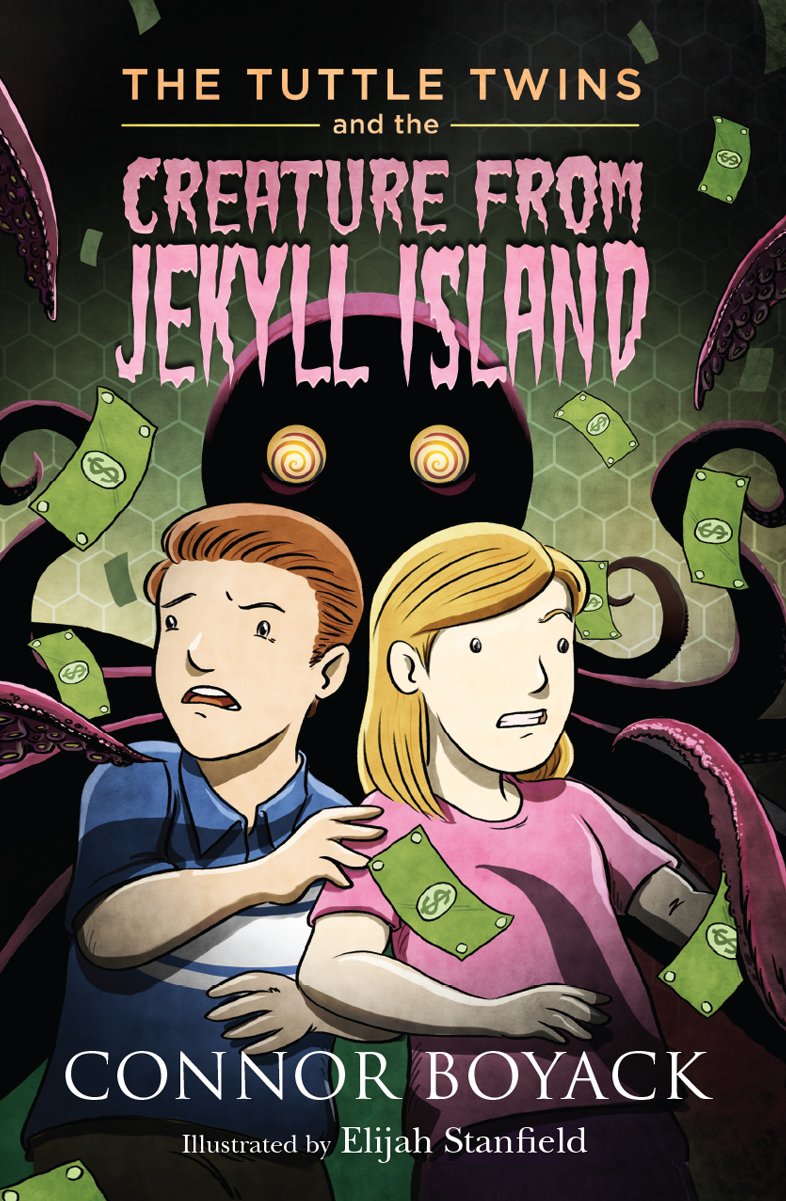
Obviously, two-year-olds won't grasp quantitative easing. The series serves a dual purpose: introducing young children to letters and basic concepts through cute illustrations while providing parents with entertaining and thought-provoking content. One favorite features "F for Federal Reserve," showing the Creature from Jekyll Island character from another Tuttle Twins book.
Additional titles include "The One Two Threes of Helping," "The One Two Threes of Innovation," and "The One Two Threes of the Bill of Rights." While nominally for ages two to five, older kids enjoy these books too, despite the toddler-focused format.
Choose Your Consequence Fiction: Ages 12 and Up
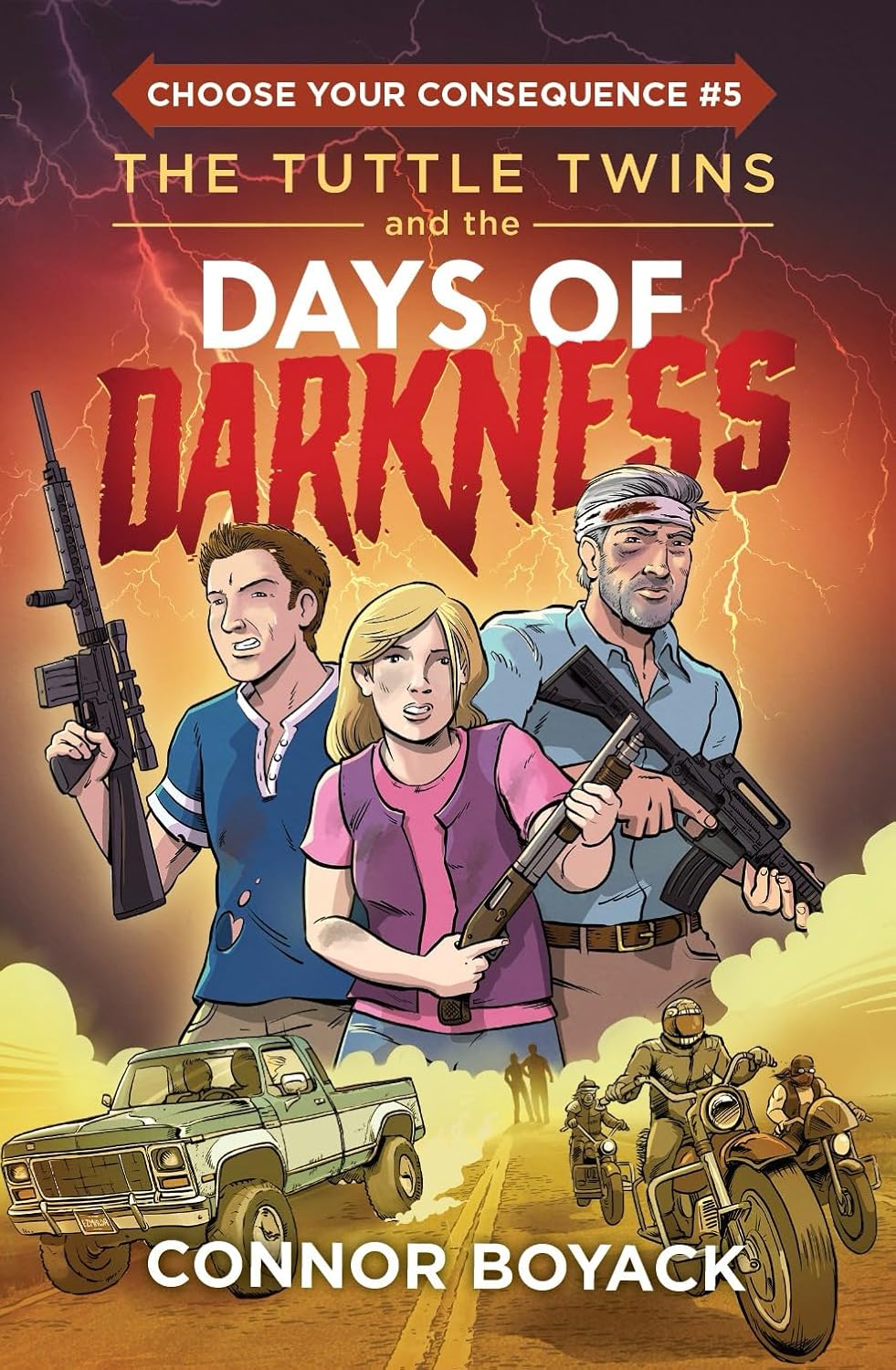
For teenagers, Boyack created a fiction series based on the Choose Your Own Adventure format popular in the 1980s and 90s. Instead of basic adventures, these books teach through consequential decision-making.
"The Hyperinflation Devastation" exemplifies this series. These thicker books feature periodic black and white illustrations by Elijah, allowing older readers to use their imagination while providing highly detailed artwork at key moments. Each book contains approximately 12 different endings depending on the path chosen.
The series targets readers aged 12 or 13 and up. Younger readers can participate if being read to, but the vocabulary, story length, and topic complexity gear toward teens and tweens who are advanced readers. The format allows young people to explore the consequences of different political, economic, and ethical choices through interactive storytelling.
The Guidebook Series: Non-Fiction for Teenagers
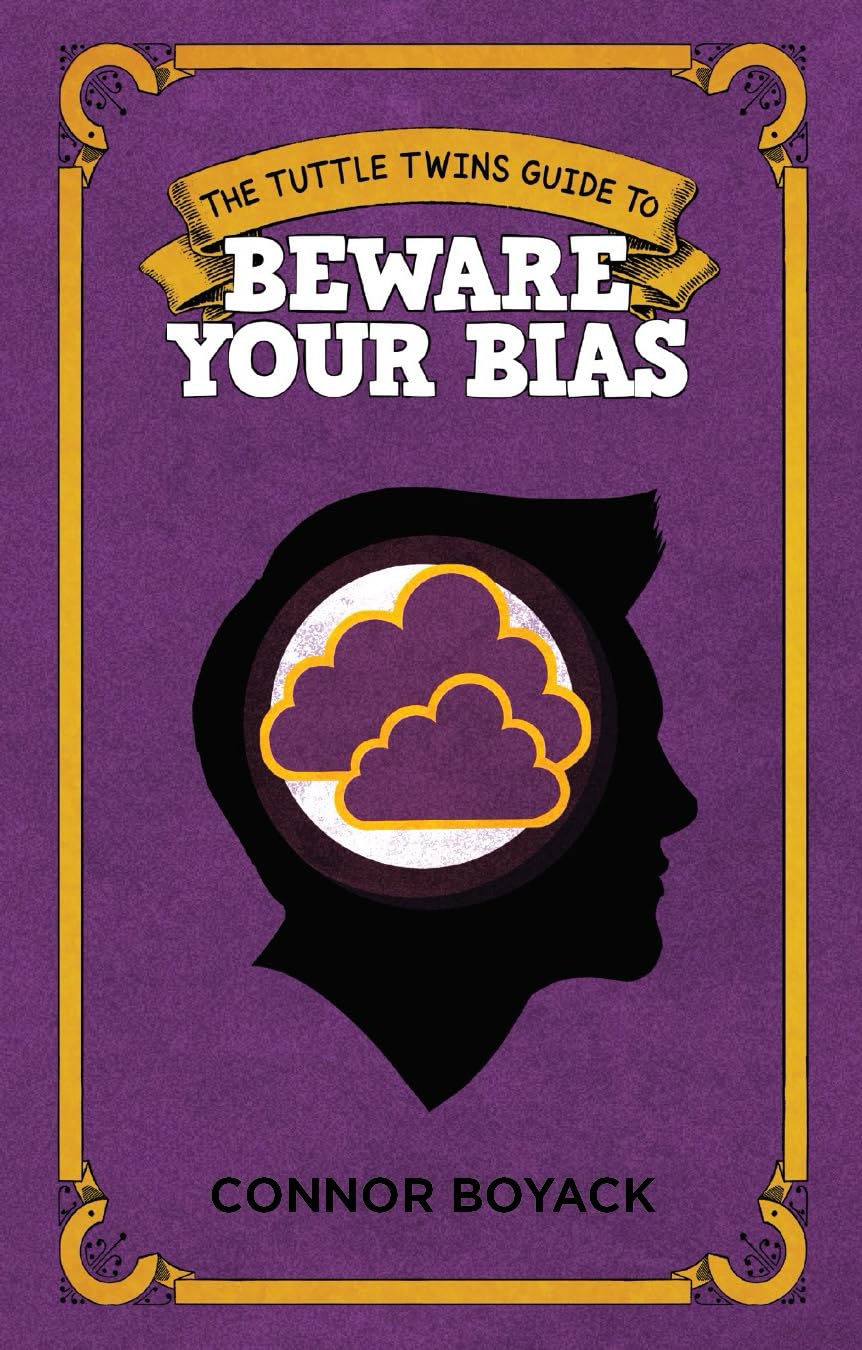
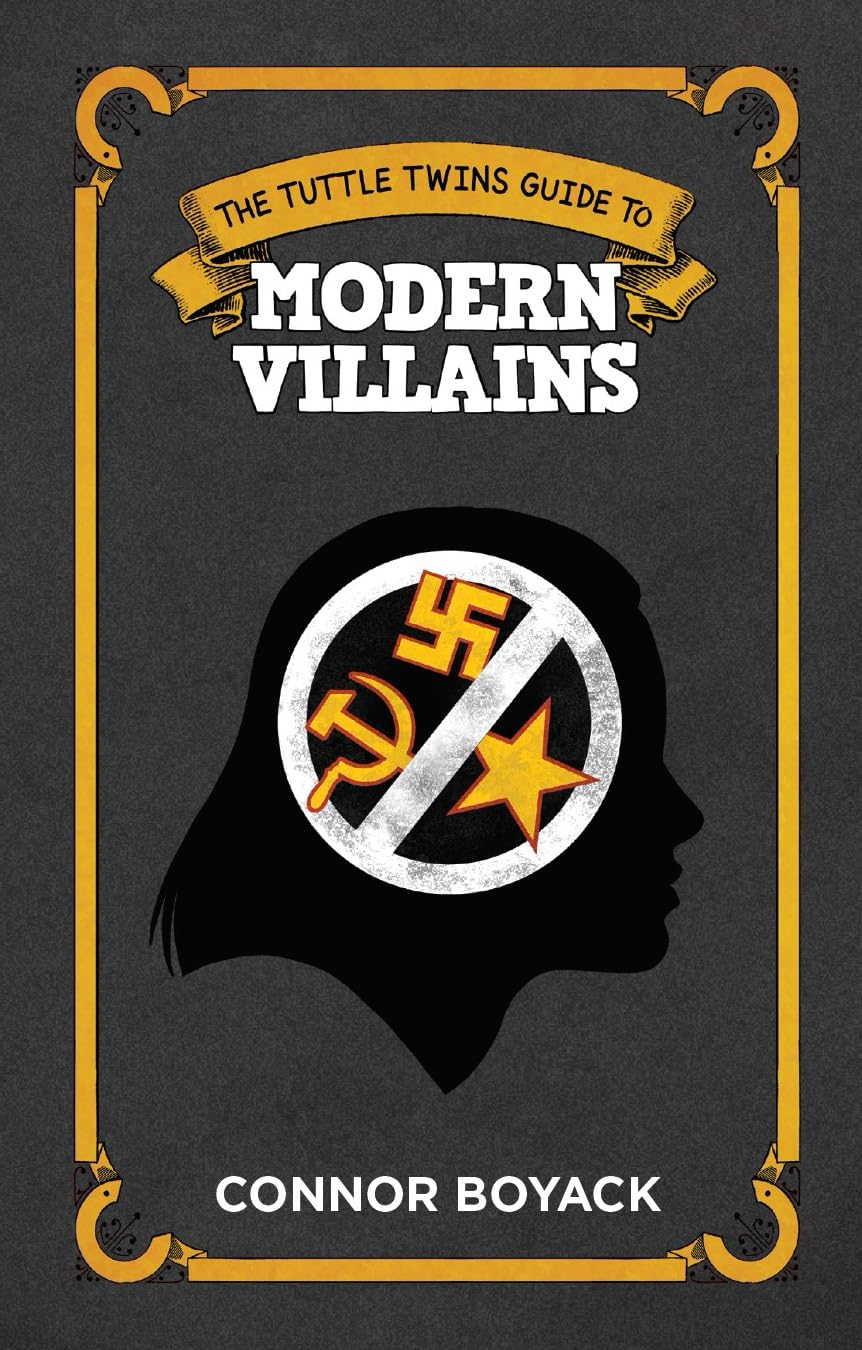
The non-fiction guidebook series provides teenagers with deep dives into specific topics. Each book takes an encyclopedic approach, with chapters dedicated to individual subjects within the broader theme.
"The Guide to Inspiring Entrepreneurs" devotes each chapter to a different entrepreneur. Readers learn about figures like Elon Musk and Elijah McCoy through biographical sketches, drawings, and inspiring stories showing how these individuals achieved success.
"The Guide to Logical Fallacies" has become the most popular in the series. Each chapter explores a different logical fallacy, using cartoon examples to illustrate the concept before diving into explanations, stories, and additional examples. This book serves as a critical thinking tool, helping teenagers understand how to think clearly, argue effectively, and communicate with precision.
Boyack recommends this series for ages 13 and up, as the content requires more sophisticated comprehension and the ability to articulate complex ideas.
Books That Teach Parents Too
An unexpected benefit of the Tuttle Twins collection emerged through reader feedback. Boyack receives daily emails from parents expressing surprise at learning concepts they never encountered in school. Most adults attended public school where these ideas about free markets, economics, and political philosophy weren't taught.
This makes the Tuttle Twins books valuable for entire families. Regardless of children's ages, parents learn alongside them, encountering ideas explained in accessible ways. The books become effective tools for family education, not just children's entertainment.
Finding the Right Books for Your Family
With children at various developmental stages, families can find appropriate Tuttle Twins content for everyone. A family with an 11 or 12-year-old, for example, can provide both the children's series and begin introducing the teen books. Older kids can read to younger siblings, creating shared learning experiences.
The books function as family resources for kids of all ages and their parents, exposing households to political, economic, and free market ideas through fun and varied formats. Families can explore all options organized by age at tuttletwins.com/products, making it easy to determine what works best for their situation.
For additional questions, Boyack encourages families to reach out through social media or email at info@tuttletwins.com, where his team helps families select appropriate books and implement these educational ideas at home.