
Up Next

Frank Turek Addresses Charlie Kirk's Martyrdom and Why the Church Was Asleep While a 31-Year-Old Led Revival
1:07:39

Candace Owens Exposes Josh Hammer's Lies About Charlie Kirk and Explores Military Flight Evidence
27:58
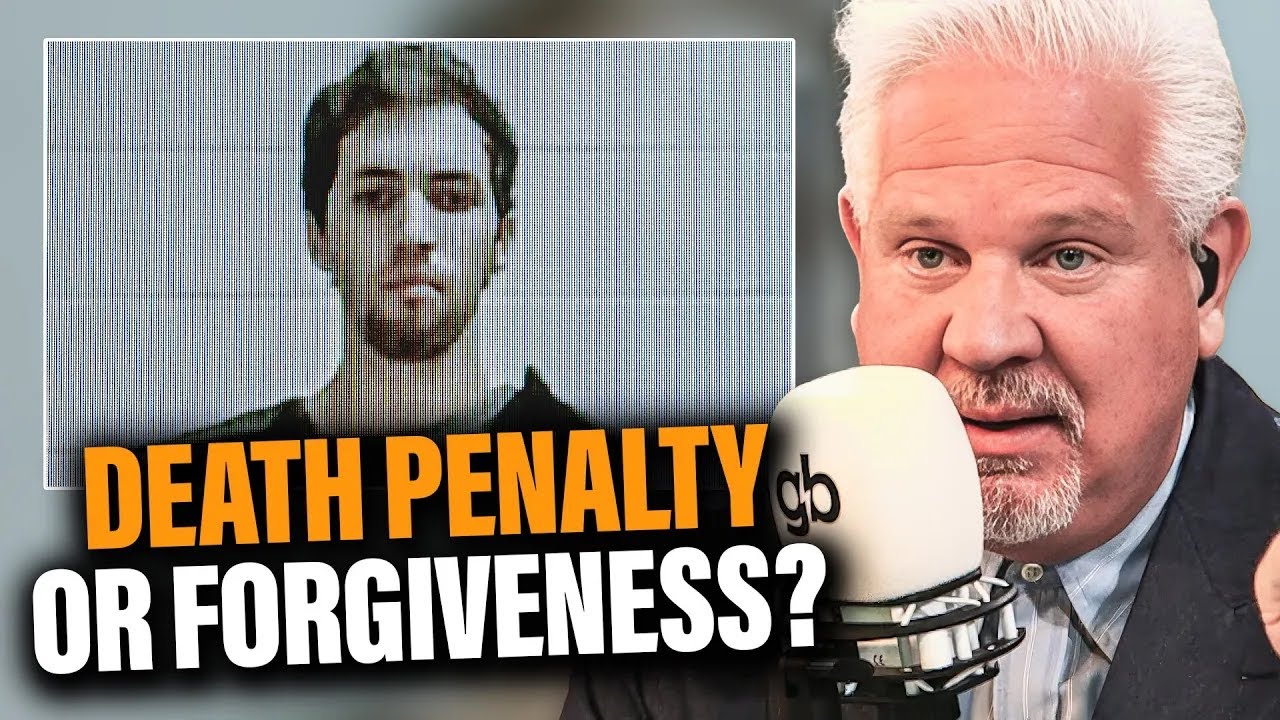
Glenn Beck on Justice, Mercy, and Erika Kirk's Christlike Forgiveness After an Unthinkable Loss
13:43
Erin Molan Reflects on Charlie Kirk Memorial Service and Erika Kirk's Extraordinary Strength and Forgiveness
Erin Molan shares her powerful reflections on Charlie Kirk's memorial service, highlighting Erika Kirk's incredible display of strength as she forgave her husband's alleged killer before 100,000 attendees. Molan examines the most moving moments from the service, including Erika's thoughts on marriage, homemaking, and faith, while addressing the false narratives surrounding Charlie Kirk's beliefs. She also discusses the controversial recognition of a Palestinian state by the UK, Canada, and Australia, calling the move embarrassing and terror-supporting. The episode features an exclusive interview with NFL legend Michael Lombardi, who discusses talent identification, managing political divisions in team environments, working with Bill Belichick and Tom Brady, and the sports world's response to Kirk's assassination.
A Memorial Service That Captured the World's Attention
Erin Molan opens with reflections on what she describes as a weekend of mixed emotions—sadness, anger, but ultimately hope—following Charlie Kirk's memorial service and funeral. Despite watching from Australia, Molan felt deeply moved by the event that drew 100,000 people to a stadium to celebrate Charlie, Erika Kirk, their faith, Jesus, and Donald Trump.
The service became a testament to Charlie Kirk's far-reaching influence and legacy. Molan believes that even by Charlie's high standards of confidence in his purpose and contribution to America and the world, he would have been amazed by the overwhelming response to his life and work.
Erika Kirk's Pillar of Strength
Molan dedicates significant attention to Erika Kirk, whom she describes as "just such a pillar of strength." One of the most powerful moments came when Erika walked onto the stage—surrounded by bulletproof glass—and simply stood in silence, taking in the love in the room. Before speaking, she mouthed the words "I love you" up to the sky, to Charlie. This moment, Molan says, brought her to tears because it demonstrated that despite millions watching and tens of thousands in attendance, Erika's priority was her husband.
Erika's speech offered profound insights into marriage and partnership. She revealed that she never made Charlie feel guilty for coming home late, working longer hours, or traveling extensively. She spoke about creating a home that was Charlie's "sacred landing place, away from the worries of the world." This admission prompted Molan to reflect on how partners—particularly women—often project guilt onto their spouses, sometimes legitimately given the challenges of relationships and raising children, but sometimes unnecessarily.
Molan shares her personal struggle with guilt as a working mother, noting how women tend to feel guilt far more intensely than men. She observes that when her daughter's father traveled for work, he missed their child but didn't experience guilt because he was working for his family. Meanwhile, Molan admits being "crippled by guilt" whenever she travels for work, despite also working to provide for her daughter.
Addressing False Narratives About Charlie Kirk
Molan directly confronts what she calls untrue characterizations of Charlie Kirk since his murder—that he was racist, bigoted, Islamophobic, or misogynistic. She argues these labels couldn't be further from the truth for anyone who actually watched, read, or listened to his work.
She specifically addresses the misogyny accusation. Yes, Charlie believed that as a Christian, a woman's greatest purpose was to marry and have children—but not because he thought women incapable of more. Quite the opposite. Molan argues that Erika Kirk exemplified this: she was highly accomplished with degrees, had started businesses, was philanthropic, and was a Christian leader when they met. Charlie adored her achievements.
Molan contends that choosing love, marriage, and children when you're capable of professional excellence isn't weakness—it's incredible strength. She criticizes those calling Charlie misogynistic for this belief, arguing they're the ones missing the point. A woman who prioritizes family isn't less capable; she's making a powerful choice with her capabilities.
Speaking as a single mother who loves both her child and her career "more than life," Molan acknowledges her unique situation where work connects to motherhood—shaping a better world for her daughter. However, she observes many women around her who are miserable in their jobs and simply want to be mothers but feel society won't allow it. She sees girlfriends capable of becoming prime minister or president choosing motherhood instead, calling it an incredible act of strength and bravery, and celebrating their exercise of the right to choose.
The Power of Forgiveness
Perhaps the most extraordinary moment of the memorial came when Erika Kirk publicly forgave the man allegedly responsible for her husband's assassination. Standing before the massive crowd, she said: "My husband Charlie, he wanted to save young men just like the one who took his life. That young man, on the cross, our savior said, 'Father, forgive them for they know not what they do.' That young man, I forgive him."
Molan calls Erika "absolutely extraordinary" for this act. She challenges viewers: if Erika can forgive her husband's alleged killer just 11 days after his murder, surely everyone can think of someone who has wronged them deeply—someone they hold hate for in an unhealthy way—and find forgiveness.
This moment inspired Molan to order a Bible—specifically a "one minute a day" version as she describes it as "baby steps." She hasn't attended church for herself or God in a very long time (only for baptisms and weddings) and is now exploring her relationship with faith. In a lighthearted moment, she shares video of her seven-year-old daughter's somewhat concerning lack of Biblical knowledge, admitting "it's a work in progress."
Trump's Contrasting Characterization
President Donald Trump also spoke at the memorial, and his description of Charlie's killer stood in stark contrast to Erika's forgiveness. Trump called the perpetrator a "radicalized cold-blooded monster" who "heinously murdered" Charlie "for speaking the truth."
Molan found this juxtaposition powerful rather than jarring. She loved that both perspectives were represented—Erika's incredible forgiveness and Trump's harsh but accurate labeling of evil. Both can be true, she argues. The duality represented how she herself feels: the part wanting to be like Erika and forgive even evil, and the part wanting to identify, call out, and rid the world of that evil. She found it a perfect representation of the complex emotions many people experience.
A Martyr's Legacy
Charlie Kirk's chief of staff delivered what Molan calls an incredibly powerful statement, quoting Søren Kierkegaard: "The tyrant dies and his rule is over. The martyr dies and his rule has just begun."
Molan reflects that while most people won't reach Charlie Kirk's or Donald Trump's level of fame or influence, everyone must choose in their own existence: do you want to be the tyrant or the martyr? It's not complex—it's good versus evil. She asks viewers to consider their own legacy and impact within their own circles.
Tucker Carlson's Controversial Remarks
Despite promising to ignore Tucker Carlson, Molan couldn't help but address his speech at the funeral. Even at the memorial of someone supposedly a close friend, Carlson made remarks that Molan found deeply troubling. He spoke about "people eating hummus in Jerusalem who wanted to kill Jesus" and talked about them sitting around thinking "what do we do about this guy telling the truth about us? We must make him stop talking... I've got an idea. Why don't we just kill him?" followed by laughter.
Molan questions whether this was genuinely paying tribute or Carlson attempting to somehow blame Jews even at this solemn occasion. She finds the rhetoric disgusting and notes it would be almost parody if it weren't so serious. She promises (again) to try very hard to ignore Carlson going forward, though admits he doesn't make it easy.
The Palestinian State Recognition Debacle
Turning to international politics, Molan addresses what she calls "the big news"—the recognition of a Palestinian state by the UK, Canada, and Australia. She spares viewers what she describes as "the self-serving drivel" used as justification by "yellow-bellied leaders without a spine, an ounce of moral clarity, or an iota of strength."
In Molan's view, these leaders are appeasing the extremes of their parties and perceived domestic interests to preserve their own positions—at the expense of Palestinians they pretend to care about and the vast majority of their own citizens. She predicts history will record this as abhorrent, terrorist-supporting, and embarrassing.
"You are all absolute clowns," Molan states directly. "You do not care a tiny bit about one child in Gaza. Not a tiny bit. Because all you have now done is say to the people who have got them into this hellhole mess, the terrorists, that you applaud their work, that you recognize it, that you reward it."
Rather than stopping terrorism or cutting "this snake off at the head," these leaders have asked "How can we help you further? How can we enable you to do this again to condemn your people to suffering?" Molan argues they've given terrorists the greatest gift possible. She acknowledges it would be laughable if it weren't so serious, promising that while she judges them now, history will judge them permanently.
Netanyahu's Response
Israeli Prime Minister Benjamin Netanyahu responded to the Palestinian state recognition with what Molan characterizes as strength personified: "I have a clear message for those leaders who recognize a Palestinian state after the horrific massacre on October 7th. You are giving a huge reward to terror. And I have another message for you: It will not happen."
Regardless of personal opinions about Netanyahu, Molan argues no one can deny he demonstrates true strength—not through bullying or power, but through conviction, knowing what he believes, and acting on those beliefs. This stands in stark contrast to the other leaders she criticizes, whom she calls embarrassments to their countries and the people they claim to honor with this decision.
Interview with NFL Legend Michael Lombardi
Molan shifts to "something a little bit different"—an interview with Michael Lombardi, a multiple Super Bowl champion as talent scout, general manager, and administrator. Lombardi has worked with Bill Belichick and Tom Brady, and is currently back working with Belichick at the University of North Carolina.
Identifying Talent and Heart
When asked about his talent identification process, Lombardi explains the hardest thing is determining heart. He references the U.S. Navy's half-billion-dollar effort to test candidates for SEAL training—eight weeks of sleep deprivation and extreme physical challenge. Their finding? Top athletes and those who finish first in early training never make it. Those who succeed can perform consistently day after day after day.
Lombardi introduces his "born to run theory" from his first book, inspired by Bruce Springsteen. Springsteen has performed "Born to Run" 3,000 times across the world—in Perth, Melbourne, Sydney, everywhere—and plays it like it's the first time every single time. This innate ability to repeat tasks with full commitment separates good from great.
He references Navy SEAL training: successful candidates move from drill to drill thinking only about 1% improvement. This connects to a principle Lombardi considers crucial: "Intensity impresses. Consistency transforms." Doing things consistently over and over, even when boring, separates good from great. The "born to run mentality"—doing something repeatedly without losing passion—defines excellence.
Working with Bill Belichick
Lombardi describes Belichick as unchanged in his coaching approach at the University of North Carolina. He loves what he does and has "a great affection for the process." All great leaders, Lombardi observes, fall in love with the process rather than just outcomes. They don't focus on the scoreboard but on how they're getting there—that 1% daily improvement.
As people age, losing the appetite for improvement leads to falling short. Belichick has drilled into Lombardi and every player that they come to work to get better every day, regardless of age. No one can rely on experience or credentials—they must prove and deliver daily.
Lombardi shares a powerful analogy: the greatest chess masters make lightning-fast moves, but only through slow, deliberate study. This is what Belichick preaches and practices.
Managing Belichick's High-Profile Relationship
When asked about Belichick's highly publicized relationship with a much younger girlfriend, Lombardi says Belichick has an exceptional ability to block out noise. The media attention has no effect on the team or players. Lombard notes that while clicks are popular, it doesn't affect their preparation or performance.
He illustrates with an example: preparing for Richmond, a smaller school, Belichick approached it "like it was Super Bowl 49." That drive remains in him, making the work "really fun" and "invigorating." Being on a college campus surrounded by youth makes everyone feel young and vibrant, bringing energy back.
The Greatest Player: Tom Brady
When asked about the best player he's worked with, Lombardi acknowledges his blessing to see incredible talent—Joe Montana, Ronnie Lott with the 49ers, Tom Brady, Rob Gronkowski, Julian Edelman with the Patriots. In his book "Football Done Right," he gives Brady the number one spot.
What separated Brady and Montana from everyone else was their "incredible ability to forget about success." They simply moved on to the next day. Nothing was ever good enough. Lombardi's favorite Vince Lombardi line (no relation) isn't "Winning isn't everything, it's the only thing." It's: "The greatest reward for doing is the opportunity to do more."
Great players want to do more. Brady exemplified this perfectly. In week four of the 2014 season (the year they beat Seattle in Super Bowl 49), everyone thought Brady was done at 34 years old. He wasn't playing well. He then won three more Super Bowls.
Managing Political Divisions in Team Environments
Molan asks a particularly relevant question: how do you manage a football team when politics is so divisive, especially in America? Teams inevitably have players who are very pro-Trump or who potentially despise him, along with many other political divisions.
Lombardi references the movie "Doctor Dolittle" and its message: "We all may not look alike. We all may not think alike, but we belong together as a team." Healthy conversation is essential, but the team has one common purpose. They're not political activists—they're there to help the University of North Carolina win.
This doesn't mean avoiding personal beliefs. But in a team environment, there must be commonality. This creates a sense of belonging. Lombardi references Owen Eastwood's book "Belonging," which discusses bringing people from different cultures together around commonality.
The number one rule of leadership is "management of attention"—having a plan, bringing people in, and explaining it. Without a mission or plan, you can't unite anyone. At North Carolina and previously at New England, they defined mental toughness as "doing what's right for the team when it may not be right for you."
If someone can't put team ahead of everything else, they're probably not right for that team. They'll be an outsider on an island, not feeling included. Creating a team is a spiritual challenge—bringing together people from all walks of life. As Bill Walsh told Lombardi in San Francisco: "If we're all thinking alike, no one's thinking."
The Impact of Charlie Kirk's Death
When asked about Charlie Kirk's death, Lombardi reflects on being "a child of assassinations." As a young kid, he remembers hearing on television that Robert Kennedy was shot, and before that Martin Luther King. His only hobby outside football is attempting to solve the JFK assassination—he certainly doesn't believe Lee Harvey Oswald acted alone, citing too much evidence to the contrary.
Lombardi finds it "really unfortunate" that society can't have conversations about everything. Charlie had a great following, and like all great leaders, had a message he articulated well. He wanted conversations with diverse people—you didn't have to agree with him.
"I think that's the beautiful thing about being around smart people," Lombardi says. He quotes Jack Nicholson: "I don't like to listen to people that think like me. I read every book by Ann Coulter because I want to learn what the opposite side thinks. It's the elixir of life."
Learning from others is the elixir of life. Lombardi reads as many books arguing Lee Harvey Oswald acted alone as books arguing he didn't, because he wants to hear what people are saying. That's what society needs to accomplish—being able to talk across differences.
Lessons on Leadership and Excellence
Throughout the interview, Lombardi shares numerous insights on excellence and leadership. He emphasizes that great athletes and leaders don't see failure as failure—they see it as lessons learned. They call it "practice" because they expect to make mistakes and improve. Like actors rehearsing to get every line perfect, athletes and leaders learn from mistakes.
This requires being a lifelong learner—constantly reading books and educating yourself, including understanding generational differences. Today's kids with cell phones and scooters around campus are vastly different from previous generations. When you lose curiosity, "you lose everything in your life."
Lombardi's college roommate recently visited and discussed retiring. Lombardi's response: "You can't... you're built to go." Every person who retires must have a purpose. Peace comes from doing your best—it comes internally. You gain peace through confidence in what you're doing.
Early in life, people try to have confidence without evidence. As they mature, they have confidence because they know it's the right thing. This wisdom applies far beyond football—to business, family, and all aspects of life.
Managing Relationships Without Ego
When asked if he's ever had a massive blow-up with Brady or Belichick, Lombardi says no—because they all come from a place of pursuing the same goal. This doesn't mean they don't disagree, but there's no sense making disagreements personal. When things become personal, "you don't really hear the argument. You don't hear what the other voice is saying."
The healthiest relationships involve everyone admitting when they're wrong: "I was wrong on that. I didn't see that or why didn't I?" They spend more time analyzing mistakes than looking at success.
Mutual respect enables open communication. Lombardi knows where Belichick is coming from with no hidden agenda. The biggest factor is ego—"the killer of all decision making." When a young scout and coach, someone told Lombardi: "Ego is the cancer of this profession." Forty years later, it still is. It's the cancer of every profession, including entertainment.
Everyone wants credit and wonders how to get ahead. "When you're not really interested in that, you're just interested in doing a good job. Then I think it changes you."
Final Thoughts on Fear and Purpose
When asked what he fears, Lombardi identifies fear of failure and how to measure success. When is it good enough? You don't want to fail—you want to be great. Springsteen doesn't write songs accepting mediocrity. Lombardi didn't write books to be merely okay—he wanted them to be great.
"Fear does the work of reason," Lombardi explains. When fearful, you reason, and that motivates you. "If you don't have purpose when your feet hit the ground in the morning, you're not going to go very far."
Molan shares her own journey, having done therapy for the first time two years ago—"the greatest gift I ever gave to myself." She used to think she wanted peace rather than chaos and anxiety. But she's learned that "peace without purpose is way too empty for me." Purpose is key. When living a life of purpose, that brings peace.
Lombardi agrees emphatically. You're built to go, built with purpose. Confidence in what you're doing brings peace. His message resonates: "You gain peace because you have confidence in what you're doing... it becomes a problem if you don't have confidence."
Closing Reflections
Molan concludes by encouraging viewers to check out Lombardi's books—"Football Done Right" and "Gridiron Genius"—available in hardcover and paperback. Even for those not into sports, the leadership principles apply to running businesses, companies, families, and getting the best out of people.
She thanks viewers for watching, noting that September's growth numbers were amazing. She asks viewers to share the show if they love it, as that's the greatest gift they can give. Whether people watch themselves, get involved, or become part of the community, sharing extends the reach to others who might appreciate the content.
Looking back at the episode's range—from the profound grief and inspiration of Charlie Kirk's memorial to the political controversy of Palestinian state recognition to insights on excellence from an NFL legend—Molan demonstrates her commitment to providing both substance and variety, challenging perspectives while remaining authentic to her voice and values.
Video Transcript
Well, good morning, good afternoon, good evening, and good night. Welcome to the Aaron Mullen Show. It's so great to have your company. I hope you've all had a wonderful weekend. I know for a lot of you, it's been a mixed weekend uh when it comes to emotions. uh particularly with Charlie Kirk's memorial service and his funeral, a weekend of sadness, a weekend of anger maybe for some of you as well, but also a weekend of hope because I think that's the the feeling that you would have left with having either been lucky enough to be there or to have watched it like I did all the way here from Australia and just blown away by all of it. So, I'll get to all of my thoughts and some of my favorite bits in just a moment. what is coming up on the show. I wanted to give you a little bit of an escape. I'll spend a fair bit of time on Charlie Kirk. I'll spend a fair bit of time on the recognition of a Palestinian state by the weakest leaders I've ever seen in my lifetime. But then I'm going to bring you an interview with a man called Michael Lombardi, multiple Super Bowl ring championship legend, uh, who worked with Bill Bich, with Tom Brady, is now working back with Bill Bich at the moment. He is incredible when it comes to leadership, when it comes to getting the best out of people, when it comes to managing brilliance. He's also insanely good when it comes to identifying talent. He talks about Charlie Kirk as well. And one of the things I ask him about is how do you manage a football team when it comes to these kind of issues that can be divisive in the community as we've seen uh particularly post the murder of Charlie Kirk? and his answer is really eyeopening in regards to how they manage that. I also ask him about Bill Bichc's girlfriend and uh the talk around that and whether or not it's distracting. Uh so that is something a little bit different that that might give you a little bit of an escape. He he's a brilliant man. So hang on for that. That's coming up after all of this. But let's get to the headlines. And of course the biggest thing that's occurred over the weekend has been this memorial for Charlie Kirk. uh an incredible man who's left a legacy that I don't think even he could have envvisaged. And I suspect he was someone who was very confident in in who he was, what he stood for, and the kind of contribution that he was making not only to America but to the entire world. But I think even by his high standards, he would have been blown away by the response. 100,000 people there in this stadium celebrating Charlie, celebrating Erica, celebrating Jesus and their faith, celebrating Donald Trump. Some of the moments that really stood out for me. I mean, there were so many. I I want to start with Erica because she's just such a pillar of strength in these times. And isn't she just the most impressive woman? She walked out onto the stage and just stood there for moments. just stood there and I think she was just feeling feeling the love in the room for her husband Charlie for baby as she calls him which is so sweet. She spoke beautifully of course we we know that much about her now. Before she started speaking though she stood up to the lecture and of course how sad surrounded by bulletproof glass. This is the world we now live in. And she mouthd up to the sky, I love you. Didn't say anything. just mouthed those words to her, Charlie, which was just that's when I started to the tears and the emotions because it was just such a powerful moment and and I guess what it says to me is that that moment for her despite the fact that millions are watching just online but also on networks all over the world in the US that the the tens of thousands of people that were there her priority was her husband knowing at that moment that he was her first thought that she loved him. Uh there were so many powerful moments. I think one of the bits that really stood out for me was where she talked about him as a husband and her as a wife. And one of the parts she said, and I I can only imagine if if the rest of you are even a little bit like me, that you will relate to this. She said, and and I mean relate in a in a way where we haven't done this ourselves. And that she said, I never make him feel guilty for coming home late or for being at work longer than he wanted to or for traveling all the time. And and I think that really women, I have a challenge for you, too. Be virtuous. Our strength is found in God's design for our role. We are the guardians. We are the encouraers. We are the preservers. Guard your heart. Everything you do flows from it. And if you're a mother, please recognize that is the single most important ministry you have. [Applause] in our home. Because Charlie traveled a lot, we tried to travel with him where we could. But I made sure that when Charlie returned from work, it was his sacred landing place, away from the worries of the world. I didn't make him feel guilty for being away too long or too much or getting home too late. I always told him, "Home home is here for you and it'll be ready for you." And I made it into this place where he wanted to be as soon as possible when he was on the road. >> That really hit home for me. And I think a lot of you as well would have would have admitted to yourself that there have been moments when you have done that to your partner. And look, often legitimately so to be honest. I mean it's hard. Life is hard. Relationships are hard. Raising kids is hard. Working is hard. Doing it all together is so hard. But I think often we are guilty of that. And I think particularly women, particularly women, because the guilt we feel ourselves internally is insane. And it is so much more than men. I I don't care what you say. This is not sexist to say. As women, I feel like we feel guilt so much more than men. And because of that, I think often we'll try and and project that onto our partner because we feel guilt so much and we we get jealous that they don't. And it's frustrating. You know, I I look at my my daughter's father and when he used to go away for work, he'd miss our child. Absolutely. But the second he'd come home, I'd be like, "Oh, did you feel guilty?" Like, "No, why would I feel guilty? I was working for her, for you. Like I wasn't away partying. I was working. And I think, well, I go away for work. And every second of every day that I'm away for work, not not out partying, not, you know, on a romantic, you know, trip somewhere with with a partner working, I am crippled by guilt. And so it really got me reflecting on that. And I think, you know, the other point she made is she made this home that he wanted to come home to. And I look at even friends of mine in relationships at the moment who who say to me, you know, he spends all this time at work and it's so frustrating and and I'm so angry and we're always fighting. And I think there's a reason he doesn't want to come home. And I'm not saying it's your fault, but I think if you really self-reflect here, you sometimes can contribute to a home not being a place, and this can be men or women, where someone wants to come back to. And I loved that so much that what she does and it's not about being a doormat. It's not about putting up with treatment that you don't deserve or some guy being awful or or not, you know, prioritizing you. It's not that. It's about legitimate things that we make people feel guilty about because we don't feel good on the inside ourselves. So, so that was a really that was really powerful for me. And I know that that for a lot of people, I think that will hit home in a good way and it might help them reflect on on that dynamic. And this is what I love so much about about the conversations that Charlie has started here. And the other point I'd make here, I've seen so much that is so untrue since Charlie Kirk's murder regarding who he was and what he believed. He was racist. He was a bigot. He was Islamophobic. He was misogynistic. He was none of those things. If you actually watch anything he ever said, did, wrote, you would know that. The misogynistic thing really annoys me and and I'll tell you why. Yes, he believed absolutely that that for a woman her greatest purpose for humankind, for mankind as a Christian was to get married and have children. Not because he didn't think women were capable of anything more. The opposite. Isn't that true strength? to be completely capable of ruling the world as we can now see Erica is. She was super impressive, had so many achievements, degrees, she'd started businesses, she was philanthropic, she was a Christian leader when he met her, and he adored her and loved her. It's not a weakness to be capable of kicking every goal professionally, but to choose love and marriage and children. And it doesn't need to be forever and it doesn't need to be that you exclude everything else in your life. But to have that as a priority is not a weakness. It's an incredible strength. And those saying he's misogynistic for believing that are missing the point entirely. You're misogynistic. A a woman who prioritizes that part of her life is incredible. That is incredible. And again, not because she's not capable of being extraordinary professionally, of course not. It makes it even more special that she is capable, but she chooses this existence and this life for me. That was that was really powerful as well. Really, really powerful. And I say that as a single mother who loves my child more than life, more than anything else. Also loves my job more than life. more than anything else if those two can coexist. I love what I do because I feel like part of what I do, well, a huge part of it is trying to shape and change the world for my child. So, I am so blessed that the work I do, I still link back to being a mother to my child because the greatest gift I can give my seven-year-old daughter is the kind of world that will be peaceful, that will be loving, that will be respectful, democratic, all the things that I believe so deeply in. So, I say that as someone who loves her job, but I look at so many women around me who are miserable in their jobs and just want to be moms, but feel like society won't allow them to do that or feel like the people around them won't allow them to do that. Some of the greatest acts of strength and and shows of bravery that I've seen have been from girlfriends of mine who could be prime minister, could be president, could be running massive companies, but choose to be moms and put every ounce of their being into it because they they can they've got support. They've got husbands who can support them. That's incredible. Exercising your right to choose is incredible. Now, the other amazing thing that that Erica did was forgive the man who allegedly killed her husband. Have a listen. My husband Charlie, he wanted to save young men just like the one who took his life. [Applause] That young man, that young man on the cross, our savior said, "Father, forgive them for they not know what they do that man. That young man, I forgive him. [Applause] She's extraordinary. She is absolutely extraordinary. I mean, I look at that and I I think if she can do that, then surely every single one of us can think in our minds right now about someone that we might hate is a strong word, but someone who has wronged us so deeply and so significantly that we hold hate in our hearts for, which is so unhealthy for us. if she can forgive him and have a think about who you can forgive. I ordered a Bible last week. It's called like a a it's like a one minute a day Bible or a Bible. And yes, it's baby steps for me because I haven't I haven't gone to church. I mean, for baptisms and weddings, yes, but not for myself or for God in so so long. And I'm I'm trying to start and I'm exploring my relationship. And I've spoken about this before. And I wanted to share just something a little bit lighter with you uh this morning. I had the the Bible on my bed and my daughter was asking what it was and um I had I was doing a little video of the book itself just to to include in this and to show you guys that I was starting to read this and get your thoughts and just have a have a have a watch and a listen to this little conversation we had. And yes, I acknowledge there's work to be done with my child and um the future of God in her life. Maybe we could read a little bit of this every morning, baby girl, and we could learn about God. >> I do know what God is. >> Yeah, but do you know all about God? >> God is God. >> Yes, God is God. But do you know what God stood for? Oh, God stood for, right? He made people, >> right? >> He made for the army to protect us, >> right? And what about Jesus? >> I know about Moses, his four brothers. >> You did have four brothers. What about Mary? >> Oh, Mary, Jesus. >> Yeah, Mary was Jesus's mom. >> Yeah. Did you like Mary or >> She looks weird. >> Okay, so I think we do need to read the Bible. >> Anything else you know about God? >> God little bit weird. >> God is God. >> Okay, so you're saying you don't want to read the Bible with me every morning? >> No. >> No. >> So, it's um it's a work in progress. Absolutely. But oh gosh, I love her so much. She's so divine. She's so funny. Uh she's so psychotic in the best possible way. She is robust. She does not take a backward step. She is her mother. She's also deeply caring and just, you know, she'll flip me the bird as a seven-year-old and then hug me if I look sad. She's just a real mixed bag. I'm very blessed. Now, back to to Charlie Kirk's memorial service. Uh Donald Trump spoke of course the president of the United States and said look it was quite a juxtaposition uh when he referenced the killer. We just had Erica up on stage who had spoken about her forgiving this young man as she called him and then have a listen to the way Trump described him. >> Charles James Kirk was heinously murdered by a radicalized cold-blooded monster for speaking the truth. Now, I actually loved this, and I'll tell you why. On one hand, you have this incredible woman who 11 days after the murder of her husband, the brutal assassination of her husband, the love of her life, she says she forgives him and she does. That's incredible. And then you have the president of the United States labeling him for what he is. Evil, a monster, a killer. And you know what? Those two things can coexist. Both can be true. And I loved it because I felt like it represented so many things inside of me. the part of me that wants to be more like Erica and wants to forgive even evil, but also the part of me that wants to identify this evil and wants to call it out and wants to rid the world of it. And I just I loved that both parts of how I felt were represented up on that stage. I thought that was not jarring at all, not contradictory. I thought it was a perfect representation of how so many people feel, how they want to feel and how they do feel. And both are okay. Both are okay. I wanted to give a shout out to Charlie's chief of staff who said something that I thought was just so incredible. Have a listen to this. >> Charlie's assassin thought that he could steal and silence his voice by putting a bullet in his neck. In the words of Saurin Kiergard, the tyrant dies and his rule is over. The martyr dies and his rule has just begun. I mean, incredible and so true. So true. And and we should all and no, we're not going to be Charlie Kirks or Donald Trump's. Not everyone watching this or listening to this is is going to reach that level of fame or influence. But in your own existence, in your own life, do you want to be the tyrant or do you want to be the martyr? It It's not a complex thing to decide or to choose. It's good versus evil. I just thought that was super powerful. Uh now, I did say I'd ignore Tucker Carlson. I know. I know. And I am genuinely gen I was going to say generally and genuinely an honest person. I just combined that word. But I just have to bring you this bit because even at the funeral of someone who was supposedly a close friend of his and look they must have been because he's speaking at his funeral and and the people around Charlie would not have allowed that had Charlie not had deep affection for this person. I get it. But even this he could not help himself. He could not help himself talking about people eating hummus in Jerusalem who wanted to kill Jesus. Have a listen to this and then listen to his laugh at the end. And you tell me, go to the comment section, flood it. You tell me if this was genuinely just trying to pay tribute or if this was Tucker Carlson attempting to somehow blame the Jews. Have a listen. And I can just sort of picture the scene in a lamp lit room with a bunch of guys sitting around eating hummus thinking about what do we do about this guy telling the truth about us? We must make him stop talking. And there's always one guy with the bright idea and I could just hear him say, "I've got an idea. Why don't we just kill him? That'll shut him up. That'll fix the problem. Another laugh. I just like it would be parody and funny if it wasn't so disgusting to be honest. The rhetoric that comes out of his mouth. I just think at that moment given everything that is happening, the fact he could not help himself from going there says everything you need to know about that man. Now, I promise I promise I hereby solemnly swear that I will try really hard to ignore him from this point on. He does not make it easy for me, though. What I can't ignore is the big news, the other big news, and that is the recognition of a Palestinian state by the UK, Canada, and Australia. Really? Now, I'll spare you the selfserving dril that's been used as justification for this by yellowbellied leaders without a spine, an ounce of moral clarity, or an iota of strength because you're welcome. It's the same BS you've heard over and over again. It's rubbish. They are all appeasing the extremes of their parties and perceived domestic interests to preserve their own positions. That's it. And it's at the expense of not only the Palestinians they pretend to care about, but the vast majority of their own people who see this for exactly what it is, self-serving nonsense that will be recorded in the history books as abhorrent, as terrorist supporting, and just as plain embarrassing. It's embarrassing. You are all absolute clowns. clowns. You do not care a tiny bit about one child in Gaza. Not a tiny bit. Because all you have now done is say to the people who have got them into this hellhole mess, the terrorists, that you applaud their work, that you recognize it, that you reward it. That is what you have done. So instead of stopping it, instead of cutting this snake off at the head, you have said, "How can we help you further? How can we enable you to do this again to condemn your people to suffering as well as the Jews and the Israelis, which I know you could not give a tinker's cuss about?" And what you have just done is give them the greatest gift they could have ever asked for. And it's pathetic. And it would be funny if it wasn't so serious. It would be laughable. History will judge you. I will judge you right now. But you don't care about that. History will judge you. And you should deeply care about that. Now, Israeli Prime Minister Benjamin Netanyahu had this to say in response. >> I have a clear message for those leaders who recognize a Palestinian state after the horrific massacre on October 7th. You are giving a huge reward to terror. And I have another message for you. It will not happen. >> Now love him or hate him and everyone has an opinion. You cannot argue the fact that he is strong. He is strength personified. I know not strength because he bullies or strength because he's powerful, but strength because he knows what he says. He has conviction and he does what he believes in and you can't say anything of the sort for any of those other leaders. They are embarrassments and they have let their own people down in a way that I have not seen before. It's a blight on their leadership. They've got none. on the countries they purport to represent and on the place that they pretend to have done this in honor of. You've let everyone down. Now, let's go to something a little bit different, a little bit of a change of pace, but still something I know you guys will all love because he's a legend. His name is Michael Lombardi. He's won multiple Super Bowl championship rings as a talent scout, general manager, administrator, as a boss. He's awesome. He worked with Bill Bellichic, with Tom Brady. He's back with Bill now. And we go into how do you identify talent? How do you manage a team when things are politically divisive? We look at the response of of sporting teams to the death of Charlie Kirk. We look at how they act when it comes to Black Lives Matters or political movements. I also asked him about Bellichc and his much younger girlfriend. Whether it's a distraction, there is always commentary around that. He is very blunt. He doesn't hold back and he is such an impressive man and I'm so glad to say that he joins me now. Michael, thank you so very much for giving us some time here on the Eron Mullen show. It's so lovely to have you. >> Yeah, it's good to be here. I always enjoy talking to Australia. I've always had a great great time when I came down there in 2019. I'm a huge AFL fan and I've got some friends down there. So, I appreciate you having me to promote my book. Thank you. >> See, this has not started particularly well because I was the first woman to host rugby league, the NRL, and we are in direct competition with the AFL. In fact, we fight venomously with them. So, if you could redo that and reference rugby league, just joking. AFL is a wonderful sport as well. and a few plays that there's some similarities, isn't there, in terms of of what they do in the air and and that kind of thing. >> You know, I think any great athlete has similarities to what they do. I think there's a a level of of achievement that they have and the the the inspiration to be great is what makes people so good. And I think whether you study Tom Brady who plays American football or you study the Australian players, you know, we have a punter on our team here at North Carolina, Tom McInness who's a Australian rugby player. Uh I think there's a level that you have to get to and it's important that you go from being a a good player to a great player to a star player and if you don't follow that natural progression, it becomes difficult. And I think that's one of the great things about being around talented players. talk to me about talent and we'll get into the book in a moment but but I find it fascinating and and I've worked with so many people when I was hosting sport who could look at someone for a millisecond and determine almost immediately whether or not they had the potential to be superstars and and obviously potential is a very different thing to then the willingness to turn that potential into stardom as we've seen in in a lot of different cases but >> what what is your process? Well, I think the hardest thing to do is to determine heart, right? And so the Navy, uh, the United States Navy here in America, they spent over half a billion dollars trying to test men and women to see if they can make it through budge training, which is really eight weeks of the hardest part of your life, sleep dep, exhaustion, all that. And what they'll tell you is is every person that is a top athlete or every person that finishes early in the camp, first in the lead, first in the line, never makes it. It's the one that can do it day after day after day. In my first book, Good Iron Genius, I talked about what I call the born torun theory after Bruce Springsteen. Springsteen has played Born to Run 3,000 times in his career and he's played it in Perth, he's played it in Melbourne, he's played it in Sydney, he's played it all over the world, right? And he plays it like it's the first time he's ever played it. That's something that you have to have innately in your body to do something repeatedly over and over again. And the ones that make it at Navy Seals do that and they go from one drill to the next drill to the next drill. And all they're thinking about is that 1% improvement. And it really goes back to something that's so important. Intensity impresses. Consistency transforms. And when you're consistently doing things all the time, I think that's what separates good to great. And having that bornto run mentality that I'm going to do this over and over, even if it gets boring. I mean, sometimes we just don't like doing things that are easy to come by. And I think that's one of Bellich's greatest strengths. He loves it and he does the things he has to do to make it work. Talk to me about Bellichek because you've worked with him on many occasions and you're back working with him now, right? >> Yeah, we're at the University of North Carolina here in Chapel Hill which is wonderful. A great school, great academic institution. We've got some work to do to build a football program, but Bill is the same coach he's always been. He loves what he does. I think he has a great affection for the process. And that's something that I think all great leaders have is the ability to fall in love with the process. You know, we don't look at the scoreboard. We look at what we're doing and how we're getting there. And again, it's that 1% improvement each and every single day that evolves all of us. Like even as the older you get, you you lose the appetite for wanting to improve, then you're going to fall short. And I think that's something that he has drilled in me. He's drilled it in every player on this team that I come to work here to get better every day. No matter what age I am, and I can't rely on experience or oh, I got that, you know, or my badge, you know, I've got to be able to prove and deliver every single day. And that's something that I think we do. I I think there's a great line that talks about, you know, the greatest chess masters in the world make lightning fast moves, but it's only through really slow study that they're allowed to do that. And that's something that Bellich preaches. >> It's the difference, I guess, for him now is the headlines that he was never making prior. Is he good at blocking that out? And I of course refer to his relationship that's been very, very highly publicized. Yeah, I think he has such a great ability to block out the noise and and it has no effect on our team. It certainly is something that I'm sure in your country that clicks are popular for people, but it doesn't really affect us and our play it doesn't affect our players. And as I've told all everybody here, you know, we played Richmond, which is a smaller school on our level on Saturday. Uh and he prepared for it like it was Super Bowl 49. So, I think that that drive is still in them. It's really really fun to see and it's invigorating. And the fact that we're on college campuses and there's so much youth around us, >> it it's really invigorating for all of us. It makes you feel young. It makes you feel vibrant and it brings your energy back. And I think to me that's something he loves. >> Best player that you've ever worked with and why? >> Oh, great question. So I I think you know in football done right in the book I give Tom Brady the number one spot but I've been so blessed and as you look back on your career I've seen some of the most incredible players from Joe Montana to Ronnie Lot when I was at the 49ers and then obviously being around Tom Brady Grank Julian Edelman at the Patriots. I think I think there's so many great ones. Brady. What separates Brady from everybody else like Montana was their incredible ability to forget about success. >> They just moved on to the next day. Nothing was good enough. You know, my favorite Vince Lombardi line, and I'm not related, but my favorite Vince Lombardi line isn't winning isn't everything. It's the only thing. My favorite line is the greatest reward for doing is the opportunity to do more. >> And that's what I see great players do. They they want to do more. And I think Tom really exemplified that because I mean, think about it. He, you know, when in 2014, the year we beat uh Seattle for the Super Bowl 49, you know, early week four of that NFL season, everybody thought he was done. Everybody thought it was over with because he was 30, you know, four years old. He was at the end. He wasn't playing well. And he goes on to win three more Super Bowls. Yeah. >> It's insanity. I I love that. It's such an interesting way to put it. And I look at you know so many different journeys and and most people and if you don't how blessed you are have this fear of failure and I think a lot of that when you actually break it down it it failing it's not so much about failing but it's about the loss of opportunity to do what you love again over and over you know just when you said that it made me think of that why would I fear failure and I guess because I love what I do so desperately >> it's moved beyond that public perception element which used to completely you I would obsess over. Now it's failure might mean I don't get to do what I love. So that drives me because I want to do it more and do it better. >> Right. And so you don't see it as failure. You see it as lessons learned. Right. And so I think that's how% >> right. It's like you know everybody when you do a show or I we go out to practice, we call it practice because we're going to make mistakes. We call it practice because we have to improve, right? And so when you're doing a Broadway play or you're an actor, you have to rehearse and you have to get every line perfect. Well, we get to learn from our mistakes and and really the the lessons we learn from them make us better. And that's why you have to be a lifelong learner. That's why you have to constantly read books and educate yourself on, you know, what the who the kids are today. I mean, you know, you know, at my age where, you know, are different than the kids grew up when I when I was growing up, they're way different. you know, they have cell phones, they have all different they take scooters around campus, you know, and so you have to kind of educate yourself on that. And I think to me, that's what makes you young. And if when you lose curiosity, you you lose everything in your life. Generally on this show, I I talk a lot about politics, about national security, about foreign affairs, and and having also been in that sporting world. Uh we had the same-sex marriage debate back in the day, and and um a vote, and some codes got involved, some clubs got involved, some didn't. It it's a really difficult decision, and it's also a difficult space, a complex space, particularly when politics is so divisive in the US. you must have players who are very proTrump or or who potentially despise him with every ounce of their being. How do you manage that? Because it is so divi it feels more divisive in America than almost anywhere else. And I I I think part of that is a good thing in that people care so deeply and I love that. But it can also cause problems in a team environment when people do care that deeply and and they're they're opposed. >> Well, we we're a team, right? You ever see the movie Dr. Dittle with all those animals, right? I'm sure your daughter has seen that, right? And so, you know, we all and and he has a great line in that movie. We all may not look alike. We all may not think alike, but we belong together as a team. I think that's the healthy conversation that has to be had. And so, we're we have one common purpose. We're not here to be political activists. We're here to help the University of North Carolina win. And that doesn't mean we shy away from having your own beliefs. But when you enter a team environment, we have one commonality. And I think we all work towards that commonality. And I think it brings us together. It creates a sense of belonging. Owen Eastwood wrote a wonderful book called Belonging. And he talks about how you have to bring all people from different cultures together and there has to be a commonality. That's what leadership's about, right? The number one rule of leadership is called management of attention. where you have a plan, you bring people in and you explain what the plan is because without a mission, without a plan, you're not going to unite anybody. >> And I think that's ultimately where you have to go. And if you want to be on a team, you've got to fall in line with that. We define mental toughness here at North Carolina. We did it at at New England as doing what's right for the team when it may not be right for you. >> And I think that's something that we stress. And if you're incapable of putting team ahead of anything else that that you know you care about, you're probably not right for that team. >> No, you're never going to be you're never going to be right and and you're going to be you're going to be an outsider and you're going to be on an island and you're going to have your own situation where you're not going to feel included. And what we want to feel is included. And it it's like when you feel like you can contribute to the team. And I think that's something that because remember creating a team is a spiritual challenge. And so you've got to find a way to to bring people together from all different walks of life because nothing's going to be the same. And you you know, frankly, it's boring if everybody thinks alike. You know, Bill Walsh, when I worked for him in San Francisco, he had a great saying, if we're all thinking alike, no one's thinking. >> Yeah, I love that. I love that. Uh Bellich, I think, wrote the forward, did he? To this to your latest book. Is that correct? >> No, he wrote it to the first one. Jim Nance wrote the forward to this book. And Jim's been a dear friend of mine. We worked together at CBS Sports and he did really and I've spent a lot of time with Jim because Jim's and he's not an athlete. He's like you. He takes great pride in in what he does and he wants to be the best at his profession, which is ultimately what we're all trying to do, you know. And you know, sometimes even if you just, you know, I tell my children, I've got two boys, one of them works here at North Carolina, the other one works at at at the at San Francisco. you just want to be the best at the job you have and when you strive for that everything else falls in line. >> Um, and if you're not comfortable talking about this, I completely understand. But I I wondered the impact of Charlie Kirk's death on on you particularly as someone who >> who obviously lives in America and I I don't even know what your political affiliations are. I I have no idea. >> I I think to me it it doesn't really matter when you know I I was a child of assassinations. I can remember being a very young kid and my father had the television on and I could hear laying in bed in a summertime that Robert Kennedy got shot and before that Martin Luther King got shot. And I am really I spend probably I have no hobbies other than football. But if I did have a hobby it would be solving the JFK assassination because I certainly don't believe Lee Harvey Oswald did it. And there's too much evidence to support that he didn't. But I think it's it's it's really unfortunate that that we've had we can't have conversations about everything and Charlie had a great following. He was exactly what all great leaders have. He had a message. He was very good at articulating his message and he wanted to have a conversations with all vast people and so you didn't have to agree with them. I think that's the beautiful thing about about having around being around smart people. You know, Jack Nicholson has this great line uh that he talks about when when he says he says, you know, I I don't I I don't like to listen to people that think like me. He said, I read every book by Anne Coulter because I want to learn what the opposite side thinks. It's the elixir of life. And I think the elixir of life is learning from somebody else. So for me, I read as many books that Lee Harvey Oswald acted alone as I do Lee Harvey Oswald didn't act alone because I want to hear what people are saying and I think that's part of what we have to accomplish in this and we need to be able to talk like that. >> No, I agree entirely. I I think if you exist in an echo chamber, a you're not going to be well informed and b not being challenged on anything will make you an incredibly boring and a person with very little substance. I think you have to consistently challenge your perspective. I I do on everything and I I feel very strongly about certain issues but I I give you the nod I will watch as much say Al Jazer for example you know as I will Fox News or as I will I feel like you need to absorb as much information as possible to then come to a position where you are confident that you've got all the information and it's an educated position. >> Yeah. I I think that's the only way we get better because there's we have aha moments, you know, I didn't think about that, you know, or I didn't see it that way. And I think, you know, one of the greatest things that ever happened to me, you know, here I am. I I grew up in a little beach town in New Jersey, you know, that Springsteen made famous. It's near Highway 9, you know, a white neighborhood, a a summertime population. Go from 15,000 people that live there in the winter to 150 in the summer. And so I enter into the NFL. I enter in the NFL and now I'm dealing with players from all walks of life, right? And I watch The Wire, which is a famous American TV show on HBO about inner city Baltimore and the plight of a black man, the plight of a young African-American. And for me, it was the greatest lesson I could have ever learned because not that I lived the life that they lived, but I learned about the the life. And so instead of being so ultimately critical of someone who ended up getting in the drug trade, you realize that that thin line, that fork in the road is so narrow and you learn to understand it and you're you're more forgiving of some bad decisions that a 16 or 17 year old make. And I think to me that that opened my eyes up to so many things as I'm evaluating because my my life has been evaluating players, right? I evaluate talent for a living, you know, and so when you do that, you got to have enough information. And you can't evaluate if you've never lived in those shoes. >> It's so so true. And empathy as well. I think empathy is such a massive thing. And it's very difficult to have empathy if you don't have insight into someone else's experience. >> Yeah. You know, and it's so easy to be dismissive of it, right? And you just don't know who the person is or you've walked in their shoes. And I think to me that's something that that I've learned and and you know you get through it and you understand it. And look, not everybody grew up the way I grew up and not everybody grew up the way you grew up with your father being a ver a voice in your life and a presence in your life. And so you you have to take an understanding of that and that that that shapes the person who you've become and it certainly shaped the person I become. And if I don't know who shaped this person, it's hard for me to really judge them. Yeah, I it's interesting. I when you're young, I think you assume everyone has the same upbringing that you do. You assume that you are loved and you were safe and you were protected. And I when I when I started to realize, gosh, I could have made awful decisions and I did on multiple occasions, but I always had a mom and a dad to go home to who loved me and who were there for me. And I think God and I like and life is still hard. Imagine if you don't have that. I can't I can't even imagine. So very blessed and very grateful. Absolutely. Final question. Have you ever had a massive blow up with either Tom Brady or Bellich? >> No. No. You know, because we never because I think we come from a place of we're all after the same thing. >> That doesn't mean we don't disagree, right? Like that doesn't mean we don't disagree. But I think when you the ultimate goal is to get to where we want to go, we have to disagree, but there's no sense in making it personal. there's no sense in making it personal because what happens when you make it personal, you don't really hear the argument. >> You don't hear the argument. You don't hear what the other voice is saying. And so for me, it's always been, hey, I think this, you think that, I think this, you think that. And then what makes it the healthiest relationship is the fact that we can all we all admit when we're wrong. >> You know, I I I was wrong on that. I that I didn't see that or why didn't I? We spend a lot of time analyzing our mistakes more than we do looking at our success. >> Yes. It it's um when I look at rugby league coaches and some AFL coaches, some of their blowups are um you know, the things of legend now. So, are you guys more polite than we are in Australia? >> No. I mean, I'm from New Jersey. I don't know if anybody's ever called me polite. I'm very straightforward. You know, I say what I think. But I think to me when you have mutual respect, you have open communication. >> You know, I know where Bill's coming from. And I know there's no hidden agenda. And the biggest thing too, Aaron, is ego. You know, ego is the killer of all of all decision making. Who gets credit? I don't really Bill and I don't have an ego when it comes to it. We just want to win. And when you remove ego, I I was a young scout. I was a young coach when I first started and someone said to me, "Ego is the cancer of this profession." >> Yeah. >> And you know, 50, 40 years later, it still is. It's the cancer of your profession. You're in the entertainment business. >> And so, everybody wants to get credit. How do I get ahead? How do I do that? When you're not really interested in that, you're just interested in doing a good job. Then I think it changes you. >> What are you afraid of finally? Oh, I I think to me what what what fear of failure. I think that we all fear failure, you know. I think it and how do you measure success? I think those are the two things that you fear. >> When is it good enough and when do you fear, you know, and and you don't want to you you want to be great at it? Like you're not in this, you know, you don't Springsteen doesn't write a song and just how it's okay to be mediocre. You want it to be great. You we're doing stuff to be great. I didn't write a book to it just to be okay. I want it to be great. And I think to me that's what motivates you. You know, I I say this all the time. Fear does the work of reason, you know, and I believe that if when you're fearful, it's easy to you reason and that makes you motivate yourself. And if you don't have purpose when your feet hit the ground in the morning, you're not going to go very far. >> I love that. I I used to think so peace. I used, you know, I I did therapy for the first time two years ago. Never done any in my life. And and greatest gift I ever gave to myself. And I used to think that all I wanted was peace rather than this chaotic existence that I had and I was anxious all the time, etc., etc. But now I figured out that that peace without purpose is way too empty for me. Purpose is key. And then that gives me peace. If I'm living a life of purpose, I love purpose. >> I my college roommate came to see me this past weekend and he was talking about retiring. And I to me when you you know, you can't you know, you're you're built you're built to to go. you're built to go and every person that retires >> and so you have to have a purpose. The peace comes from >> doing the best you can. It and it comes internally. You gain peace because you have confidence in what you're doing. You know, it's like you don't have peace. It's it it becomes a problem >> if you don't have confidence. And in life early in our lives, we we try to have confidence without evidence. And as we get older, we have confidence with we know it's the right thing. >> Yes. Brilliant. I could talk to you for hours. Um, unfortunately, you have a real job, so you must go. Michael Lombardi, thank you so so much. Uh, tell people how they can get the book. >> Yeah. Um, on any any platform, my two books, Football Done right and Grit Iron Genius, both of them are available in hardcover and paperback at any local store or online at Amazon, Barnes & Noble, whatever you have in Australia. And it's always good to talk to >> the talk to you. I appreciate you having me. Thank you. >> Bless you. Thank you so much for coming on. Really grateful. Fascinating, isn't it? Something a little bit different for the Aaron Mullen show, but I really enjoyed talking to him and make sure you get his books as well. Uh particularly if you're into sport, but even if you're not, you know, running a business, a company, uh just a family, some of those tips and some of the ways to get the best out of people, I think really are relatable to us all. Uh time for fan feedback. And as I say every single time, even if you despise me and abuse me, you're still a fan. Thank you so much for watching. Let's start with uh Joel says, "Hi, you have interesting views. Go easy on Tucker and Candice, though. Either could be the next president." Joel. Joel. Joel. Okay. Okay. If they do ever become president, this is to my team. Please delete this from the archives. Thank you. Here we go. notice someone commenting on the video I made, which you can still go and have a look at uh about my evolving relationship with God. Uh it doesn't really quite exist now, but it's something I'm I'm looking more into. So, have a look if you're interested. Some of you are. I just watched your nice and honest answer about your religion and faith, but one sentence struck me. Sometimes you ask yourself in the face of evil, where is God? As a grandchild of two Oshwitz survivors, I asked myself this question a lot. And then I found the below video of the late Rabbi Jonathan Saxs, an amazing guy that can really explain complex things. When you watch the video below, you understand that what you were doing is actually the answer to that same question. So, thank you again for standing up to humanity. Now, I I went and watched this and then I wrote back to this man, Ronnie. Thank you, Ronnie, so much for sending and I said, "Oh my goodness, tears. I just watched. Thank you so so so much." I'm going to play a little bit of it now for you. People sometimes ask me, "Where was God at Ashvitz?" I don't know. But Jewishly, it's the wrong question. The real question is, "Where was humanity at Ashvitz?" God never said he'd stop us harming one another. But he did give us a moral code, commandments engraved in stone, which taught us how to stop ourselves. Where was humanity when old men and women were being murdered? Millions being gassed, children thrown on the flames still alive. The real question, so painful we can hardly ask it, is not where was God when we called to him, but where were we when he called to us? >> Yeah, I love that so much. And I think yeah, that's probably the thing I've struggled most with is seeing so much pain in the world and and wondering how can any god allow this to happen. But there you go. It's really beautiful. Lee says, "Good on you, Erin. I hope your career is long and successful. And if you want to be spiritual, ask the Holy Spirit to give you wisdom." Thank you so much. Uh Carol says, "Your faith, your your choice. Stay strong. Stay pretty." Thank you. Uh May says, "Aran keeping you. Your videos are so relatable and your honesty is giving me and surely many others uh the permission to do so too. I pray God protect and bless you. Thank you so much. That's so lovely. Uh and Eric says, "I like the variety of your outfits. It must be nice to wear whatever you wish, not what a TV show tells you to wear. Summer is coming for you down under Israel. Hi, is that a hint summer's coming?" I mean, oh gosh, I certainly won't be hosting this show in a bikini. My mother and I, we fight once a week. And when I say fight, it's like beautiful fighting about my wardrobe, particularly when it comes to not just this show, but like my little preview videos that I do. If I wore a bikini, that could possibly be it. I could possibly lose my mother. So, right now I'll kind of tow the line, but I suspect I will maintain a somewhat dignified stance and not lower myself to a bikini. I still like to be classy, and I know some of you don't think I am. I I actually think I am. And I wear what I feel good in, and I wear what I like. And again, I point back to this aspect of it. judge me on the substance, on what I say, on what I believe, on what I fight for, on what I stand for. Love you all. Thank you so much for watching, particularly if you're still watching or listening now. It means so much. Uh we just had a look at September and our growth numbers are amazing. The greatest gift you guys can give to me, apart from watching yourselves and and being involved and and just being part of this family, share the show. If you love it, if you like bits of it, if you like clips, send it to people you know and they might like it as well. Again, love you all. Thanks so much for watching and for listening and I'll see you tomorrow. Bye. [Music]
Related Books
Browse Conservative Books
















Comments
Be the first to comment on this video.