Federal Investigators Release New Details on Deadly McEwen Tennessee Explosion That Killed 60 Workers
Enjoying this? Share it with someone who needs to see it.
Up Next
George Zinn Charged with Obstruction of Justice After Charlie Kirk Murder Appears in Court
0:49
Utah Prosecutors Will Seek the Death Penalty Against Tyler Robinson for Charlie Kirk's Killing
2:20
Washington County Sheriff Nate Brooksby Describes the Phone Call That Led to Tyler Robinson's Surrender
5:42
Federal Investigators Release New Details on Deadly McEwen Tennessee Explosion That Killed 60 Workers
The U.S. Chemical Safety and Hazard Investigation Board released new information about the catastrophic explosion at the Agger InterJect Energetic Systems facility in McEwen, Tennessee. Sixty workers were killed and several others injured when nearly 23,000 pounds of explosive material detonated, creating a blast felt over 20 miles away and registered as a 1.6 magnitude seismic event. The investigation is examining safety procedures, equipment design, and production processes to determine how this deadly industrial disaster occurred and how to prevent future tragedies.
The U.S. Chemical Safety and Hazard Investigation Board (CSB) has provided new information about the catastrophic explosion that occurred on October 10, 2025, at the Agger InterJect Energetic Systems facility in McEwen, Tennessee. The incident stands as one of the deadliest industrial accidents in recent U.S. history, claiming the lives of 60 workers and injuring several others.
What Happened During the Explosion
At approximately 7:47 AM, multiple blasts tore through Building 602 at the plant. Workers were in the process of producing commercial explosive products called cast boosters, which are used in larger blasts for industrial operations. At the time of the explosion, nearly 24,600 pounds of explosive material were inside the building. Investigators estimate that approximately 23,000 pounds detonated.
The force of the explosion was devastating. Debris scattered more than 700 feet from the blast site, and the explosion was felt over 20 miles away. The U.S. Geological Survey recorded the explosion as a 1.6 magnitude seismic event, underscoring the massive energy released during the incident.
Safety Concerns and Building Design
Building 602 had no sprinkler or fire suppression system installed. The manufacturing process involved melting explosive mixtures in steam-jacketed kettles and pouring them into tubes to harden, with large amounts of high explosives present throughout the facility. This absence of basic fire safety equipment raises significant questions about the facility's adherence to safety standards.
Official Response and Investigation
CSB Chairperson Steve Owens called it "one of the deadliest industrial incidents in our country in years." He emphasized that the agency's focus is on determining how and why the disaster occurred and identifying ways to prevent similar tragedies from happening again.
The CSB's ongoing investigation is examining multiple factors, including the facility's safety procedures, equipment design, production processes, and industry guidance for explosive manufacturing. The agency will release final findings after completing their comprehensive review.
Impact on the Community
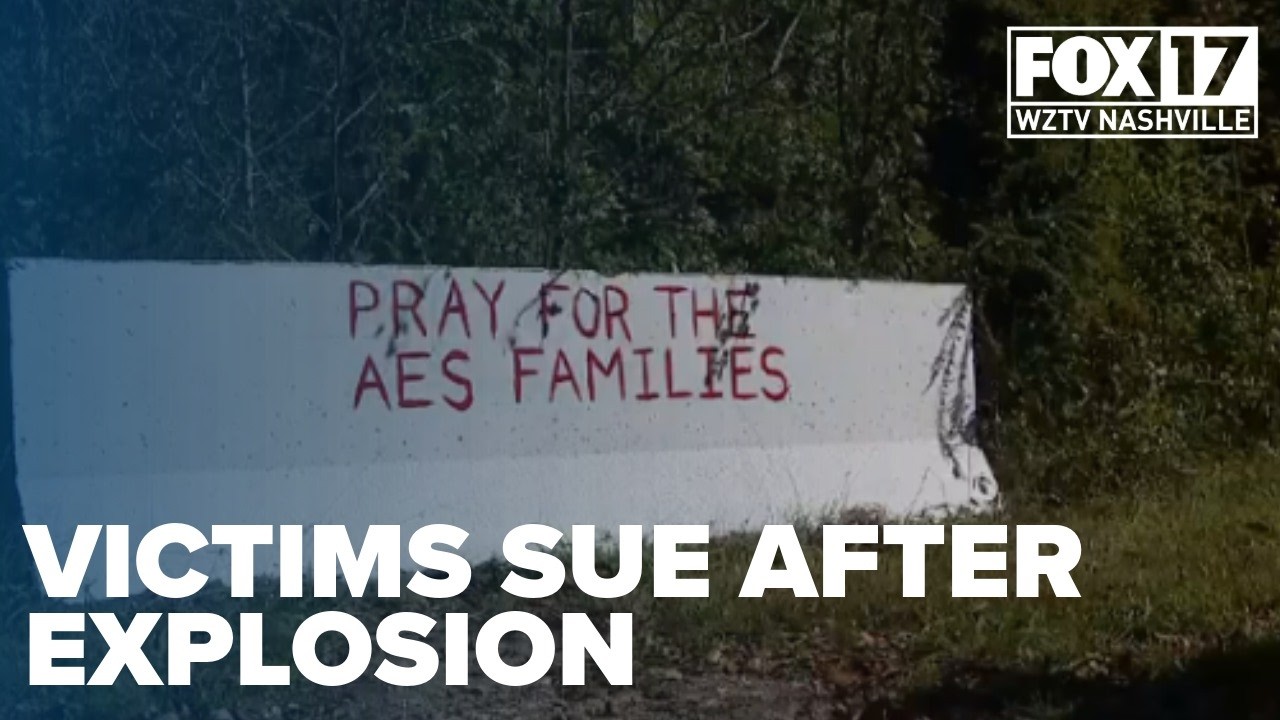
The loss of 60 workers in a single incident has devastated the McEwen community and raised urgent questions about workplace safety in facilities handling dangerous materials. The investigation's findings will likely have far-reaching implications for safety regulations across the explosive manufacturing industry.