Former FBI Director Chris Swecker Breaks Down the Investigation Into Charlie Kirk Assassination Attempt
Enjoying this? Share it with someone who needs to see it.
Up Next
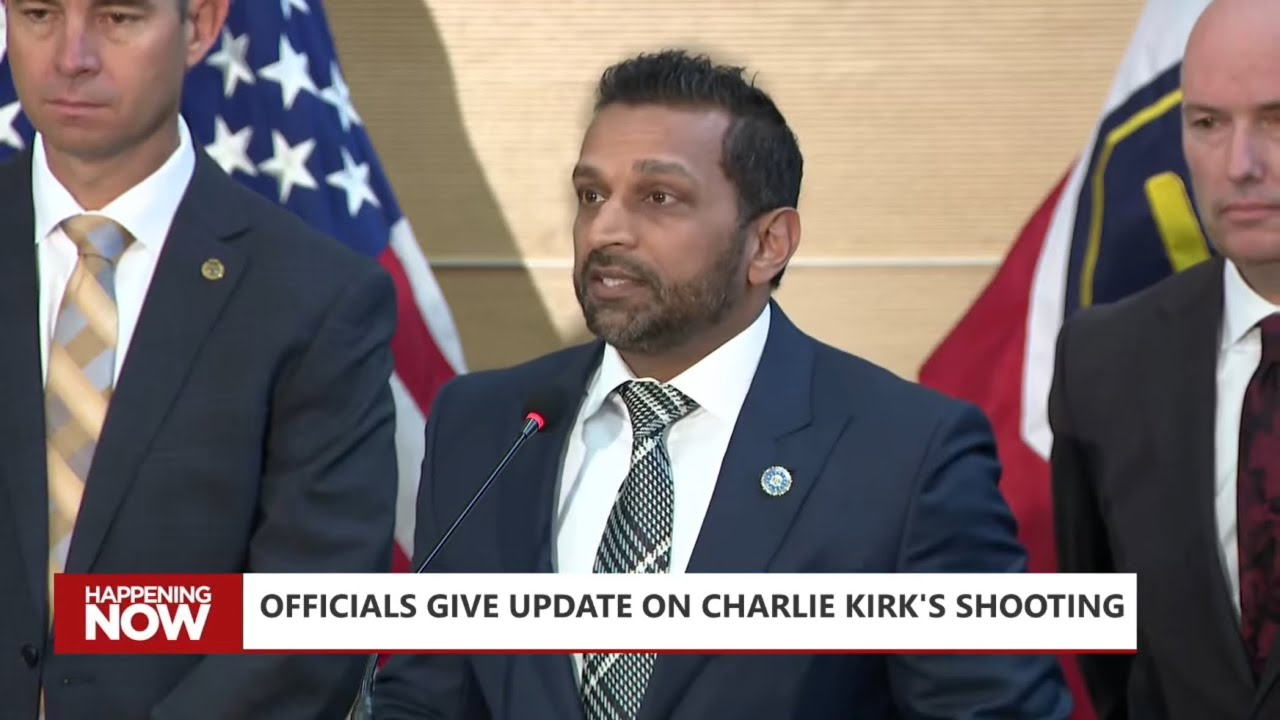
FBI Director Kash Patel and Utah Governor Spencer Cox Announce Arrest in Charlie Kirk Assassination Investigation
32:41
FBI Director Kash Patel and Utah Governor Announce Arrest in Charlie Kirk Assassination at Utah Valley University
4:31:53
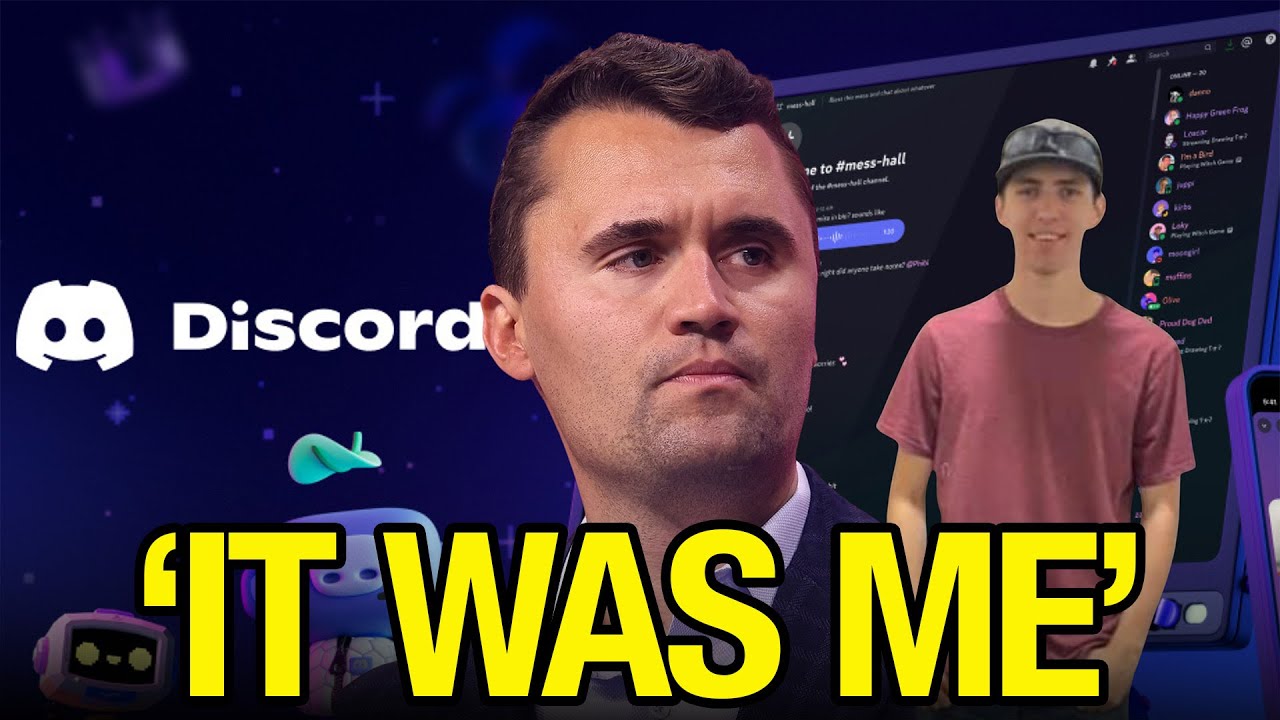
Kash Patel Reveals DNA Evidence Links Tyler Robinson to Charlie Kirk Assassination Scene Through Discord Confession
20:56
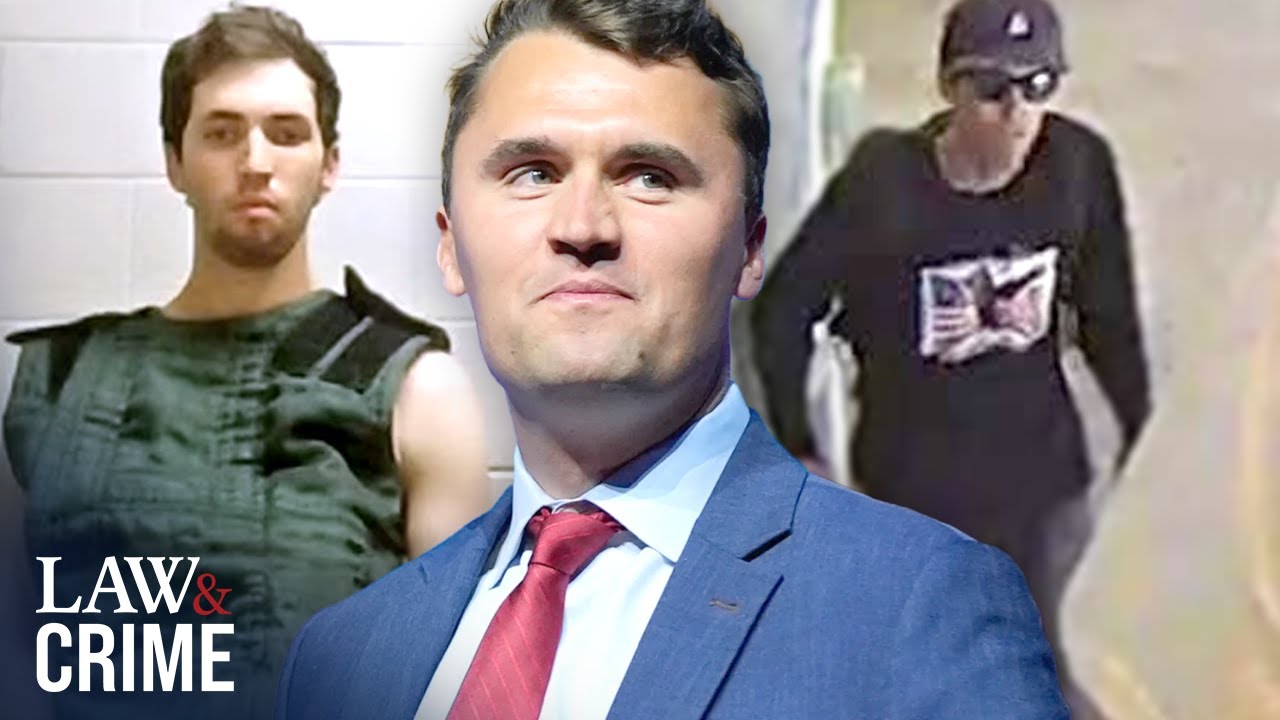
Former FBI Director Chris Swecker Breaks Down the Investigation Into Charlie Kirk Assassination Attempt
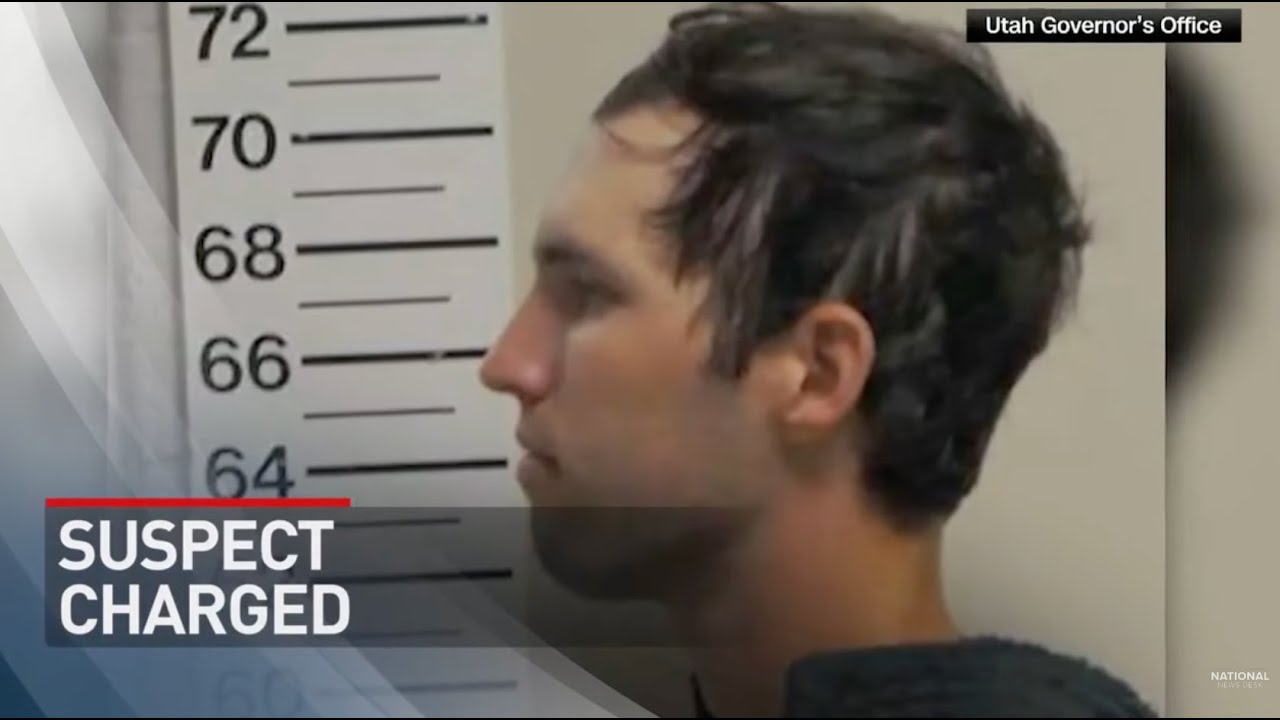
Former Assistant FBI Director Chris Swecker analyzes the evidence being gathered against Tyler Robinson, the suspect in the attempted assassination of Charlie Kirk. With digital messages sent before and after the attack, forensic evidence, and Discord chat confessions, investigators are building a strong case. Swecker explains how constitutional guidelines limit FBI monitoring of social media, what charges the suspect's online network could face, and why Utah prosecutors are pursuing aggravated murder charges that could carry the death penalty.
The investigation into the attempted assassination of Charlie Kirk is heavily focused on digital evidence that paints a damning picture of the suspect's intentions and actions. Tyler Robinson, the 22-year-old suspect, told several individuals he was planning to kill Charlie Kirk, including messages sent to his romantic partner and another individual.
FBI Director Kash Patel described the evidence during an appearance on Hannity, stating: "We've collected information from FBI and local law enforcement he essentially admitted after the assassination, he admitted to it. There is a text message exchange where the suspect said he had the opportunity to take out Charlie Kirk and when asked why he said some hatred cannot be negotiated with."
Discord Confession Before Surrender
Robinson was active on Discord, a popular platform used by gamers. Shortly before turning himself in, he confessed in a group chat on Discord. In messages obtained by the Washington Post, he wrote: "I have bad news for you all, it was me at UVU yesterday, I'm surrendering in a few moments, thanks for the good times and laughs, thank you for everything."
Just hours before in a different chat group, the alleged assassin joked with friends who said he looked similar to the man FBI was searching for.
Constitutional Guidelines Limit FBI Social Media Monitoring
Former Assistant FBI Director Chris Swecker explained how investigators will use these messages to build their case: "It is an important part of the case, this is a strong case. You have forensic evidence and statements in the gaming chat room. The FBI has been gathering evidence and it does paint a picture. Knit this together for a prosecution and there aren't a lot of defenses to this type of evidence."
Swecker addressed public questions about why the FBI wasn't monitoring such communications beforehand: "Kash Patel was correct, people wonder why isn't the FBI monitoring what is going on. It is not that easy. They need a tip or lead from member of the chat room or public that has access. They can't go surfing through social media sites and gaming sites. There are DOJ and constitutional guidelines that prohibit that."
Potential Charges for Extended Network
With FBI now combing through the digital footprint of Robinson and those he communicated with, questions arise about what charges his online network could face if found to have radicalized him.
Swecker explained the legal complexities: "It opens up the possibility of a conspiracy type of charge. That is going to be very difficult, this type of charge is difficult if it is encouragement or passive listening to information and not reporting it to law enforcement, that's a tough one. That's something that I'm sure they are looking at very hard."
He outlined different scenarios: "If it is after the fact and they did not say anything, maybe accessory after the fact. If they were privy to preplanning information that would have helped them, helped law enforcement intervene and prevent this, it is stronger. Remains to be seen here, it could be a stretch, let's see what happens. They have a better chance of doing that case in federal court."
Death Penalty on the Table
Robinson was arrested on aggravated murder charges, which meets criteria for the death penalty in Utah. When asked if that's where the case is heading, Swecker responded: "Absolutely. That has been mentioned in press conferences, the governor made it a specific point to mention that. That is one of the reasons state charge is stronger, they want to leave the death penalty on the table. There is a federal death penalty, it is more difficult."
He noted: "Utah has had death penalty, not in the recent past. I will not be surprised to see death penalty enhancement in the indictment." In Utah, the death penalty can be carried out by lethal injection or firing squad.
Key Proceedings Ahead
FBI Director Kash Patel appeared before the Senate Judiciary Committee to face questions on the probe. The suspect had a virtual appearance from the Utah County Jail, and a press conference was held to discuss charges filed in the case.