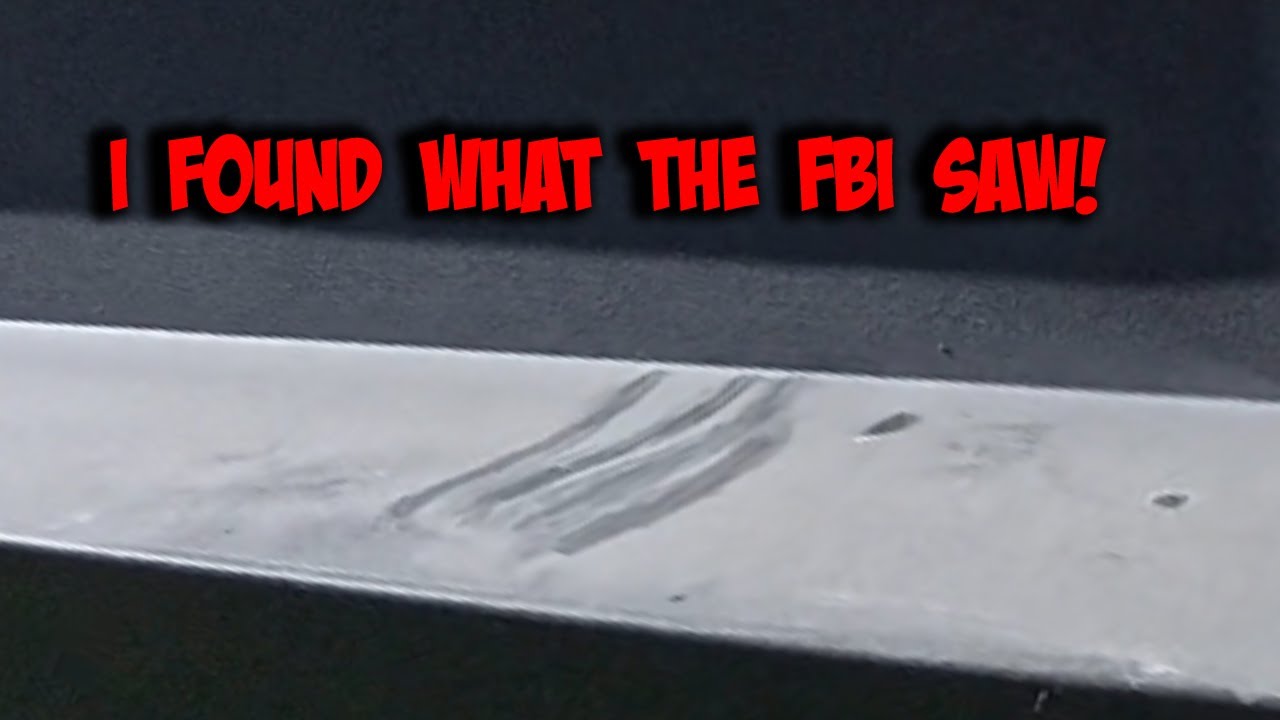
How's it going? I don't even know if we're on. Let's see. Oh, there you go. Hey, freaks. I look like now like when I was in uh Idaho. I'm never watching again. How's it going everybody? I don't know what everybody needs. I've already used up all my notifications. That's probably why there's only 10 people here. I'm going early. I mean, three minutes early. Now, there's 45 better than zero. That looks like an on there. You see the uh Charlie Kirk U Medal of uh Medal of Freedom. Pretty cool. Yeah. So, I think I gota like when you only have one computer, you have to minimize. Look how red my lips got. They're so chapped from walking around. It's crazy. Plus, I notic in like my reflections and the way I feel that I packed on about I don't know 15 or 20 pounds since my when I couldn't walk for two months. It kind of makes a big difference when you can't move. I was looking at my reflection and stuff just going, "God, what the hell happened?" So, gonna have to uh fix that coming up here. Can you guys hear me at all? Yeah. All right. Actually met uh what's that guy's got? It's weird. I can't remember. Stephen Martin. Is that his name? He's like I think that's his last name. He was in He's in like the videos recently. He's got a couple million subscribers. He was just there. He was there. Yeah, that's what it was. But for me, gout just kind of keeps going. Lingers for a long time. So, you can't even walk. But I've walked 15,000 steps two days in a row. So, I think my foot's in good good place now. So, that's good. Yeah, I can't even see how many people are watching. Yeah, it's like uh 101. Yep. All right. Well, this is my last night over here. If you guys want to help support the channel, get some channel memberships for people or get one yourself or help the channel out with super chats and whatnot, that would be awesome. I think I'm just going to close this down and I can see the chat. They tell me this. So, if I select on a comment like this one, I guess that doesn't show up. Oh, yeah. I guess they do. Can you see that on the screen? Somebody type yes. I mean, if it does, like, can you see these comments? Because I can't see them because I'm only looking at something else. Okay. So, I have to like click on it again or something. I guess I don't really know if it's on there or not. That's the thing. Yeah, it's still there. See that? Oh, wait. That doesn't work. Hold on. I got to go over here and then it's really difficult. See that? See how it does this mirroring effect? But if I close that down now, you it doesn't mirror anymore, right? You guys can see your chat on the side, right? And then you can see the video in the middle and then the stuff on the left, right? What's the new update on YouTube? And also, uh, mods and everybody, you know, specifically mods. Let's just if anybody has any ideas or anything just even if they're conspiratorial just let them be. Okay, we'll try to uh debate with reason and logic. All right, let's see if we can do that. So instead of just instead of us going, "Oh man, you guys are lunatics or whatever, just try to respond with a reply that's um you know, the reverse of what they just said, but with facts. Look at that uh animal up in the clouds there. You know that has to be a looks like a I don't know like a kangaroo kind of bent over jumping over a smaller one. Yeah, there's Paramount pack there. Let's see. Is this Oh, yeah. It's the Look at this. So, right out of the shoot, I'll show you exactly what that See, look. Look at right there. See, there's the camera. Is that crazy or what? So, I'm I get it almost exactly in position. Can you guys see what I'm showing you? Uh, I guess the chat disappears, too. Can you guys see that? Hello. Can you see the screen right? Okay. Right there. Thank you, Susan Jill. When does this trial Oh, God. Two years from now. Three maybe. Uh, what's next is I don't know. Maybe leaks of information. I don't know. So, let's just kind of look at this and then play it. Look how close I get to it. I'm using my 300 Insta 360. There we go. I mean, I'm like right on top of this sucker. Was that crazy or what? Isn't that weird? The drone spun, but the camera stayed in the same position because I've locked it up. So, I think I even go right up over this. I'm just waiting to get the perfect shot here. I guess it get pretty close right in there. Yeah. So, that's that's basically the shot. So, look at that. This is what that camera can see. Let me see if I got any closer to that. Oh yeah, this one's right on top of it. So, this is the perfect shadow here. See that? It's like right below. Yeah. So, this is going to be this right here is what the camera can see. So now that we have this, I mean, I can even zoom in slightly just to make it, you know, case that's what it had. But look, see that? We can look to the left. We can look all the way over to the right. So when they see I mean, look how this is exactly what they have, right? He comes over here, jumps off the roof, runs over here like this, comes over to the street there, and then on this camera, they'll watch him go over there and sort of disappear. He doesn't continue down this way. So they think he went into the woods. See that? So absolutely 100% that this camera is filmed the entire area. And so that means that what you're going to see on the camera as I I've tried to point out on just Google Earth. And uh let's see. I think I'm standing right there. or maybe just I don't know. It's hard to tell where. But you can see him coming up the stairs right there. He's going to make his way over to here and he's going to climb over this little wall. He's going to sit there for a while and then he's going to run all the way over here and around to the corner of the roof over there. So, isn't that cool? I mean, like, I think that's sweet to actually have that shot right there. But hey guys, if you want to help support the channel, got the last night in here, just trying to, you know, try to break even on a trip. I mean, that video I put yesterday didn't have any ad revenue on it because it was less than eight minutes. And in the middle of the night, it sort of picked up a little bit uh that video and then it uh just sort of tanked again. But there there it will be zero ad revenue on the video because it was only seven and a half minutes. So this is a little clearer shot here. I mean my video looks better than this one. this 8K camera. There's might only be like 4K, but you man, you'd see them really clear over there getting up, running across the roof, coming behind it. Thanks, Wild Billsman. 174 people. All right, that's basically that video. Oh, yeah. And I put put it out here. But look, see right here? That's where he hid. Right right right in there. Right there in that little spot. Then he got up and moved across the roof over there. I didn't make it all the way to the corner. I thought I did, but I didn't. There's this other part that goes down. But you can even from here you can see that's the shot angle right there. See he was Charlie Kirk was right there. I couldn't see perspective wise on the drawing. But maybe I make it right over here. Pretty close. I mean hell that's good enough. Good enough for government work, right? Look at that. That's sweet. So, I mean, he was just right there. It doesn't even look like they've touched anything. It's crazy. And then he just shot. Kirk was right there. Just left at that little point that sticks out. And that camera's up there where my mouse is. And this is how he ran off the roof. Just like this. I mean, tell me this isn't sweet video right here. Come on. I was I was kind of nervous about whatever this was, so I had to stop. See how that looks. I don't know what this is. if that was a wire going across or something. But here's that white area where he runs across and it's blown out when he goes over. So he would have came from that direction. And then from here, look, you can see, you know, he puts the rifle right down here first and then he lowers himself. Those are those marks again. I think right here. I know. It's hard to see. Yeah. That's that one. Isn't that interesting? Guess who guess whose office this is? That's the dean. We're just like they were looking at us filming and told one of the officers like how what are the odds? He he jumped off right in front of the dean's office. Isn't it beautiful out here though? Look at the mountains all the way around. Look at that. Hey, welcome Chris. So, any chance we can get the uh support for the channel up a little bit, you guys? I don't want to have I don't want to do the thing where I'm asking over and over and over again. You know, it's the only way to make this viable is for you guys to be supporting the channel when I'm doing shows. And it's just we're having one of those nights, you know, just Oh, there you go. Cool, right? Let's see if Yeah. So, this is the one kind of what I was doing earlier. Camtx. >> Thanks, Susan Jill. All right. Yeah, ORM is really pretty. I think it'd be a great place to live actually >> if you like living at five 4,800 feet or whatever the hell. So, you know that video here. Let's do it. Let me see if I can find these things. I'm going to just try to figure out how to do this. All right. So, it's on this one. in here. And then should be Yeah, I can see a still frame. This one right up >> where they're at. So, they're actually quite a bit of ways back from that green thing >> right up. Yeah. >> I think there's somebody on the roof. >> Okay. Right here. >> That's where we're heading. That's the green item on the left. >> It's probably about about where those people are right there. I >> think we're pretty close there. >> Yeah. Let's see. So I guess that better alignment is kind of turning. I'm not standing in that exact spot. Yeah, I think this is about right though. So from way back here, that guy goes, "Oh, he's got a tactical gear, a mask on, etc." He's on top of that. Now, I'm using a four 8K camera, but the image is huge. I mean, it's a huge image. So, but you're only seeing a small portion of it. So, this is probably not barely maybe 1080p perhaps. But yeah, it'd be right up in there. Look how far away that is. I don't know how the hell that guy could even say, you know. Oh my god, it had a he was wearing camo, you know, had a AR-15. That guy doesn't know what the hell he's talking about. >> Gota go back to the chat from time to time. Thanks, Caroline. EHS. Oh, look at that. KMTX78 gifted five membership. Very cool. Thank you. Yeah. And then there's even a video an image of him standing up. Let me see if I can show you that one. Is it this one? No. Wait. Maybe that was standing in that one, but that's not the one that I have. There's like a still frame as I'm standing. It's in one of my folders, but I'll go look for it right now. Yeah. See how far away? I mean, even now it's far away. >> That's the building right there, though. Just checking in. I don't know. They probably didn't know who the hell. They probably thought he was working for the event. Anybody has I don't think he had they had a chance though. Guy probably would have shot quicker. He was there for less than a minute. >> They just happened to see him running. Probably the only people in the entire event that saw him running up there because they weren't at the event. They were just walking around. So that's right up here, the top level. Yeah. Yeah. See, some other people were filming from over in these areas. >> See, that's almost the angle right there. See, I got my haven't shaved in three four days now. Yeah, I think it's like right up there. Yeah, it's almost the exact angle. Hey, thank you Nuna 42123. Thank you for the gifted memberships to the freaks. You guys think this is interesting? I think it's pretty uh you know like cool like interesting like you know actually able to see everything. Looks like it's frozen up a little. Okay. So I remember one of the first videos that I saw um afterwards was right here. They were standing right in this corner. right here. >> And when they heard the gunshot, the guy quickly turned and looked this way like that. And that the bushes are right up around that corner up there. That was it. Which one is this? >> Okay, this is the one behind her. pretty valu, you know, valuable having that 360 degree camera with my extension. I actually found a more a longer extension to put on that thing. It's pretty crazy. So right where that lady in the red is or not maybe not there a little bit past that was where the there was an officer there who was standing right here pretty close to right here. And so he he could have seen the guy running up there but look how far away that is. You know he's looking at threats down in the crowd. Oh jeez. Yeah, this thing has pretty good color. I don't know. I think it was more like right here. You see how far away that is? Let me just pause it. Way up there is where you would have seen that guy running. And so I don't know. What do you guys think? I don't I don't really blame this cop. He's looking down at people surrounding and he's not looking way back there. I mean, it's only 140 yards away, but it's not really something they're looking. Probably should have been scanning though, you know. For sure. Hey, thank you Christine and Tom Bennett. Much love from the UK. Excellent. Let me see. Let's see this one. Gray, do you think it is it was str? I'll put on the screen. Hopefully, I'm taking it off right after. Ray, you think it was strange you didn't see other prints or scuff marks around the corner of the building where law enforcement would have tested for print? I don't know. They probably wouldn't have wanted to contaminate. I don't I don't know what that was. I'm not claiming that that's 100% Tyler Robinson, but you got to admit with it being that dusty up there that it's interesting, right? I mean, it is interesting because it looks like he's got his hand and he slides off. Oh, wait. Got to turn it. I forgot to turn it off. See, there you go. Hold on. I'll just pick somebody else. Yeah, the ones that were being mirrored. All right. So, does the screen look There's no writing on it now. It's kind of a small little area. That was 33. Let's see. Got so many now. 32 is short. So 34. just kind of filming around so everybody can see everything. I mean, there just isn't a lot of angles. The whole second shooter thing to me just doesn't make sense, you know, or a shooter that isn't Tyler Robinson. I mean, first of all, Charlie Kirk's blocked from everybody behind him because he's right like basically this whole building is behind him. So, that couldn't be the case. He's only like uh you know, seven or eight feet from the building itself. Yeah. Yeah. So, this is this is that way that the the guy that forgot his name really quick for some reason, but yeah, let me let me get his name. I don't want to forget. Oh, Bartholomew. Yeah, this. So, now it's interesting watching this one. Watch. Hold on. Isn't that crazy looking at this? >> Yeah. So, now you're over here. accept. That's a human. >> That's a human. You should like be accepting and we should love other people. >> Yeah. So, let's see if we can find this exact angle right here. This This is It's interesting because when I was there, I was like, man, you could almost see. All right, so let's see if we can find this. I'm go back up to the top. Got it. Is that it right there? Hold on a second. Very close. Just a second. Maybe a little bit more to the left actually. Yeah. And now the other trees there. Oh, look at that up here. Those two little whatever that is right there. I think that's almost exactly it. What do he has? I mean, maybe a little bit more. Probably right there is the same shot. That's basically where that guy was in right there. And it's crazy because Okay, let's go. Let's go backwards just Okay, we we know where this is. We're at 13 seconds in to this. I don't know. What do you guys think of that? Isn't that wild? Just crazy just seeing just even that's weird. Thanks, Wild Bill Wasman. That's right, you guys. If you're out there watching the show, if you want to help support the channel, I appreciate it. We've got uh 243 people watching. We're about like one Third of the goal. Maybe not even that. It's so weird. I just whenever I watch this video, you guys can't hear the audio from these videos, right? Like this thing. >> So, you would think maybe right back up in there you can see him running. [Applause] Absolutely [Applause] wild. Yeah. Let me look at the one just before it again. Yeah. So, it's right there. Right. So, when you go around that corner, >> Oh, yeah. these lady these people came up and uh people came up to me and asked started asking me questions. So I showed them where everything was. Hey you guys, Ali Kicks trying for a wave. Look at this big memorial right here. Yeah, he was right. >> Yeah, these were nice people like showing them around. >> Yeah. And then I had to leave. And then Paramount Tactical started talking to him for a long time. I had to leave because my drone was on the roof and I had to go get it because they wouldn't allow us to do it. >> But I, you know, did sneak my little drone shots in there beforehand, but I used my Insta 360, not the drone king. >> Look at that. Look how beautiful that is. I mean, just right there. Look, look at that. That's like a poster. See that? With the sun up there. Make that a full screen. Yeah. Thanks, Whiskey Boots. AK can't stay the one away. >> Yeah. So, starting to show these people. Guess she has some kind of she does something. >> I didn't I didn't get to hear all that because I had to go. >> I mean, there's actually audio playing here, but you guys can't hear. I don't know if there's a way to make it at home. I can because I have system audio typed in. So, we'll have to go through this whole thing again. all of the footage >> when I get home. Hey, thanks John Wolf and my miss >> Daddy and the Kitty. >> Yeah. See, they heard about all the conspiracy theories and they didn't know. >> See, they're talking about conspiracy theories there. So, I'll play all these at a different point. >> And I just said, you know what? The facts of the case are the facts of the case. It's this is what it is. >> Yeah. So, I had to take off. He had to get get me to go up and get the drone. I think he came earlier. >> Look, I didn't I haven't shaved. Look at it. Oh my god. >> Who cares? >> All right, freaks. If you're out there, if you can help support the channel, that would be awesome. >> Got an 800 and something mile drive tomorrow. >> Yeah. So, I had to go. on that. Then when I came back, he talked to him the whole time after that. And uh like it was pretty interesting conversation. It's hard to get out of there. You know, when they everyone says, "Hey, he wasn't running in the parking." There wasn't people running in the parking lot. >> There wasn't people running in the parking lot. Uh well, that's because it's hard as hell to get out of there. Like you have to go through this building, up some stairs, and then around over there. Everybody was at the Charlie Kirk event. That's 34 and 35. That's too short on this one. I mean, what a beautiful place. I mean, look at these. And by the way, look at those waterfalls inside that area. There's a little reflection pond down there. It's kind of freezing up a little. Hey, thanks. Born to raise hogs. So you can always pause the video. An American legend. Is that an Oregon ducks? Very cool. Yeah, he was a big duck fan. He brought that up again today. It's pretty amazing. Look at my arm swinging because I got so much crap at this point. We've got a backpack. Um the drone backpack with No, there's a drone backpack and just a backpack. And there's this narrow chute that you can actually go down to where where Charlie Kirk was, but they also have a yellow tape. So, you can't really go onto the area, but the entire grassy area is surrounded by yellow tape. Like, you can't even go in there. Not sure why. Yeah. I don't know why there's a reason that people can't be in here, but that's where he was at. Right here. He was shot like right in the spot where those flowers are. And then this is where his um like you know the vehicles were that came in. Oh yeah. And I sort of put it out like this was a pretty cool little move here. Uh I put the Insta 360. Let me see if I can get it out back. Right there. Boom. That's right where Charlie Kirk was. See, look at that. Maybe a half foot over. And then the shooter was right on that roof right here. See how there's a right between this tree, the pole there, and that part just sticks out. He's right there. So, that was a pretty good maneuver there with my I have an extension rod for the 360° camera. Okay. And again, thanks to Born to Raise Hogs. Let's see if we can get some more support for the channel. You guys maybe get some more memberships. We're only at uh let's see, we only got 12 memberships gifted and we're only at uh we're that seems like that's old. Okay. Wait, what? I don't get it. What shows this one? This is this it right here? Man, I'm confused. I'm sure what this is. Oh, yeah. Okay. So, we got 12 gifts of memberships. See if we can get that up to higher. All right. So, that was number uh 36 37 37 seems kind of short. Oh, this is where they put Charlie into a vehicle that they took an offic. Right around. They have cops all over the place. So, I tried it again with my extending the the rod out right at this closest point to this pole just to see if I could I don't know. Let's see if it worked. Man, that's pretty good. Look at that. And there's the top of that building. He's right in here somewhere. I I was able to extend that out all the way that far. Is that cool or what? man. So that's right behind the tent. So he was like right in here and then Tyler Robinson was way up there in that corner. I guess born to raise hogs is still the last one in there. They already are a member, I guess. Oh, you mean gift membership? Yeah, there was there wasn't enough blood on people. I don't understand people's morbid comments like that either, you know, like, "Oh, wow." You know, hey, there is as much blood as I think they're getting as if they're experts on it or something. It's crazy. D received a gift membership. Hi everyone, it's rain to fell good. Cool. That's basically it on that one. 37. 38. Back up here again. I was kind of by myself here. This is what I want to try to do from back here. >> Yeah, this isn't where they >> There it is. Right there. Right there. Right there. >> See, you just see it right there. Oh, then it's gone. My god. Isn't that amazing, you guys? Like if he was doing that interview about 20 feet to the right, he'd be able to see the guy on the roof through the trees maybe, but it just would have been running. Yeah. So, there it is right there. >> I have audio on the video. >> All right. Do I need to get thrown in prison or something tonight, you guys? Or >> actually, nothing. Gota keep going. See back there on that roof over there. Maybe I'll put it on Twitter to see if anybody shows up. >> So, right here, there's just this little gap between the tree and that building. >> Jeez, Obama. >> Anybody excited to hear from him anymore? That's I think it's the middle the middle of those 300. >> Congrats on that. >> Yeah, that video that's terrible though. 20,000 views and plus it wasn't monetized does no ad revenue because it was less than eight minutes and it's just uh 20,000 is bad. you know, better than the four I've been getting, but uh you got to get like 50 60. I got I had a few in this case over 300. Then they just sort of put me in a weird box. >> Actually, that one got the tree. >> But yeah, better. Man, isn't this stuff super chatw worthy? You guys, man, I went all the way over there. It's two three nights in a row where it's just sort of a struggle. You think it would be like, yeah, look at this. So, right there. Right there. You can still see it. Still see it right there. And then it's like a black line and then that's interesting. Is that still this one? Let's go back to that shot. Maybe like right behind his head right there. Let's see. >> Right there. Wait, hold on. Just a sec. And right there might be that rooftop. So wouldn't it be >> Don't move. Don't move. Don't move. >> Get your head out of the way. >> Oh, he's just right. He's like right there when you're a god. That's incredible. That is insane. It was right there. >> And that's kind of back to like the love one another thing. It's like love everyone. >> I think that's the name. >> Thanks, guys. >> Like right here. See that? I think that part, that little black top right there might be it. wonder if people are like, [Applause] >> man, and then his head was in the way right at that. So, it's right there. If that's still the build, if that is the build. I'm doing that on purpose. Man, this is crazy. So close. >> That was hard to tell. >> I'm just looking at this again because it's that building. That's the black portion that you could see I think in that video. Let's keep looking. Just look at that right there. It's kind of small, but look at this right there. Jesus. Okay, there. Right there. Yeah. See, isn't that the same? See that from back here again? Right here. So, I'm just keep it on there. It's through the tree, but right there. Yeah. Look, that's that's the angle that you can see it right there. That's the corner of the roof, man. That's crazy. So, that means I tell you what, man. There's a possibility that if that guy that this guy right here in the dark here >> there's a genocide >> that what's that referencing to love one another. >> The love one another is referencing the pin on there >> that if he hadn't >> if he hadn't moved his head we might have seen >> look it's right there. Look see I think that's the same exact spot. Let me zoom in. Okay, that's a good way to check is looking at the so that sort of triangle, you know, this thing and that on the mountain. But how about this one has a it looks sort of square there. And let's compare that. Okay, you might not be able to see it, but there's the triangle in this case. It's at the base of that. So, what would that mean? Oh, hell. That means we have to go back. Wait. How about the this part of the roof that turns? Where's that? I can't see it. I think it's over to the right, actually. It's back this way. Like right there, right? I think it's a little bit more down this way. That looks pretty good, man. See, that's that's the Losi building up there. That's what that was. right there. So that means in this shot I mean it looked at the I think I have it correct now. So see how this tree takes up and then right at the and then there's this much of the mountain visible. And so that's like that. See that? And so, man, if this Watch how this guy, you can see it really good back there. >> See that right back there? [Applause] That's about the only video. There's probably other video that's been given to law enforcement that shows the shooter up there. Thanks, Christine. Any chance we can get like 20 more gifted channel memberships or so? Yeah, I'm trying to figure out that same thing. >> That that video abs Bartholomew's video just about had it on there. So from right here, the officer goes right here looking at the crowd. He looks straight up right there and see him. It's right there. Right below that point that sticks out just down below that that corner right there. I keep thinking you guys can hear me talking on the video so I'm not speaking. [Music] That is so weird. You know what I might try to do is stabilize that video in that little portion. Do you guys think I should do that? I think I should absolutely stabilize that thing. Thank you, Suz. And es Jablowska. E S E S E S E S E S E S E S E S E S E S E Jablanowska. Hey, great. It was great to uh Oh, yeah. Yeah. You were the fourth guy out there. Hey, Gray. It was great to meet you earlier. That was quite a few hours spent there. I don't think people understand the hours and dedication it takes to Yeah, obviously uh they don't. A lot of people don't. So, yeah, it's crazy. We I don't know five hours just walking around. I I got in 15,000 steps. Pretty good. Nice meeting you. I have a I have a channel that I don't really use. called uh par uh let's see personal paranormal and it was like people would tell their see I'm not a big you know I just think everybody has those weird stories that they have and it was a place where they they told their stories and I would make full videos but it was totally not worth the amount of effort that it took but uh you know it was interesting anyways I think it's still out there somewhere thanks so Gotcha. Actara. Let's see. AK Perroll 3106. There you go. Think it's on the screen, right? I can't tell. Is that on the screen? Huh? Let's see if I go to my just myself. Just me. My camera. I don't have my hat on today. Oh, there you go. Hey, Greg. It was great to meet you earlier. That was quite a few hours you spent there. I don't think people understand the hours of mitigation it takes to make sense to attempt, right? Does it does appear seem like that sometimes got to be honest. All right. So, this was number uh 30. Let's see. Eight. We're going to go to 39. Not sure what I'm doing on this one. This one is 3 minutes and 25 seconds. They have these statues all around. Look like people definitely not like at home this would be really smooth. I'm about to go through the whole thing. Maybe in a little bit I'll go through the lock from, you know, the parking area again. Look how great this campus is. It's just crazy, man. Yeah. The cafeteria is in there. There's a main level, then then that level. It was a guy that the second the first person that asked the questions, Paramount Tactical interviewed him. He just happened to be there. Then the second person who asked questions, that's when the shooting happened. But he said it sounded like an AR-15. And I think it does sound like an AR-15 down below. But if you listen to the video um by by Bartholomew, that one sounds absolutely like you would think a rifle 306 would sound like even the way he described it when they're being when he was interviewed. Yeah. So I think that's when he was interviewing that person right now. Yeah. Stephen Gardner. Gardner last name. He was he showed up later. Garden. I mean, what a perfect day. Look at this. Yeah. So, this guy over here apparently with mega hat. What is that? This guy right over here is the uh >> he say he's the first person to take question. >> Yeah, I guess that's what that guy is. >> It's pretty fun. Cool meeting everybody. >> Let's see what the answer is. Let's see. 39. Yeah. Main thing is I I think I filmed the interview, so that probably be boring if you can't hear it, but I don't think you can hear it anyways with all the sound. Oh, look at this. See, this is when I put it on top of my card. Oh, look at that face I'm making. Jesus. Oh god, that's terrible. I'm like, but look, I've got the camera right on top of my car. So, I was going to drive I drove around in the area for a little bit. Like, I think this is a good See where this car is right there? That's a good spot to have done to put the p the gun down his pants. And it's perfect because after you go this way, you turn left. Just down the street is where that uh that surveillance was where he was walking on the street. So, here we go. Look at this, you guys. Pretty sweet, huh? This is the spot with the surveillance. This house right here, that's the one I he invited me in. Yeah, this this computer only has 32 gigabytes of RAM, so it's not really Hey, thank you to Joe, Anita, and Jessica Jessica my thank you. So I don't think any of these culdeacs or anything are were good places at all. I think there's only two spots that it could be where I just showed you and then there's this other spot that somebody me uh me mentioned on a show and I said, you know, I could any spot could be, but his spot's the only other one that I think was reasonable, you know. So, you could be like I drive down there. This is none of this is good. There's homes everywhere. I mean, right there might have been okay, but there's a house right across the street. I should play the Indian music. Look at that. Look at really warm too. Hello everybody. Not sure what happened there. I think my computer overheated. I am still here though. My camera got messed up. That's better. All right. Are you guys Can you guys see me? Hello? Yeah, I'm here now. Okay. Yeah, I think it like overheated my computer. It just went just completely went black and turned off, but I turned the fan on higher. I don't know if that'll help. Yeah, there we go. Hey you guys, we're not even close to reaching the goal tonight. So, is there any chance we can get another I don't know 20 memberships or um not really sure? I mean, I've been working that hard all day. Feels kind of deflating. So, if you guys have the ability to help support the channel, that would be great. Thank you. And it doesn't have a modem, so no it wouldn't wouldn't I don't think so. doesn't have a plug in the motor. I'm in a hotel. What's up, David? No. Not sure what that means. Shared to five accounts. All right. Well, let's see. Back to I think playing those videos is really what they're huge files. They probably just blew out the So, any chance we can uh get to the gold tonight, you guys? I'm not going to do the driving around. Really nice nice people there. This is the surveillance homes again. There's where the person was running back there. Kylie Robinson. This is kind of a cool couple. I think she's from based on the voice England or something. I feel like stopping or something. Well, they go straight and I went down the way Tyler Robinson. Turn right after the house there. Goes over this. Yeah, but man, it sucks. I packed on those two months of not being able to really walk. packed on some extra LBL lbs's What does that mean? I don't know. Was anybody send anything in to the Bitcoin wallet? Anyways, I'm just trying to reach the goal tonight, you guys. If you guys appreciate the work that I put in here on this channel, um I need your guys' support, okay? I don't know what you know because we're having one of those nights again where I have to go, hey, strange, you know, if I was doing a conspiracy, you guys would be all independent, you know. So, what I did was I extended this camera and I put it right where, you know, I actually have it on a tripod and then I I don't know if I'm walking down the stairs or what I do. I put it exactly where the camera is, like literally right below. So this guy when he's walking up that's exactly what See I mean look at that's that's like what Tyler Robinson would be doing when he went down this when he went down the stairs. Look at that. I put it right on the glass of the camera. So that is the shot right there. We go down the hall there tunnel. And then I did the same thing on this one. So now we have the exact spots. That's what it looked like. Just like that. That far away. So, I go over there and then I think that shot is right here. See, that's right where that that's where it was. See, look at that. I put it right on it. See that? And then here's these stairs. So this one I have a So this one I have a tripod because before I was taking up the space from it. Isn't that crazy? That's exactly the show. We go to the um I told them they were famous. See the one in the tunnel is this one right where I was making that weird hand yesterday. Whatever the hell I was doing. And then that's what these next ones are. All these. See that? Ding ding ding ding ding. That's just what they gave us. be cropped out. And see that's all right here. See? I hecka. Let's see if we can get the exact. Yeah, that one right there. Let's see. Yeah, I think this one needs to be rotated, but right there. See? I think I come up like him. Go around the thing. See that? He's going up the stairs. I was going to try to limp or whatever. And then go around like this and then up like that. Ding, ding, ding, ding, ding. See, that's it. So, anyways, I thought that would be kind of interesting. What do you mean you can't see? Oh, you're still looking at me. Oh, I got this played all again. Hey, you guys get more time, huh? That's what the problem is. When you see my face, that's the problem when I don't have the monitors. I can't see what's on this one. So now I got to go over to here. All right. And close this out and go back to here. And the and the chat's not visible for me either. So there you go. All right. So you get to see it. My face isn't I feel like uh any thanks up there to Nancy and Alley Cake and going to raise hogs again. Yeah, we definitely need some more channel members gifted you guys. All right, I'll play this part again. Hopefully it doesn't crash. I'm just going to play it on the smaller version now so you'll get to see what I'm saying. I put the uh 360 degree camera uh underneath each of the cameras like literally the glass touching. I'll just move it forward to there. Wait, what? Oh, here. Yeah. So, he he just walked right down there because there's no steps, you know, with the gun in his leg. He couldn't jump over there. He couldn't jump over there. If you walk all the way down there, there's some steps. But, you know, why not just go right here where there's no steps? And he just walked over there. Yeah, it's weird because I don't uh at home I have a mixer that puts the system audio in at the same time. See that couple? They walked up above and see how they're going down the stairs right over there. Not there. Right there. There's steps that come down right there and they went into the tunnel below me to Tyler Robinson didn't want to go down though. You did have to go down some. And watch how cool this one is. See? Look. I mean, that's literally I put it right on it with a tripod. Yeah. Like right next to it. Took me a minute. And that's what the the whole shot would look like. That look at that guy. He kind of looks like when Tyler Robinson went down there, right? There's that one. And then this is the shot from this See right there. Perfect. Right over there. He's right right in this area. And I go down the other end. Wow. Bill Wasman gifted another channel membership. And I guess the channel gifting people aren't around for tonight. And here's the other one. I put it right next to this one. I got kind of goofy here. Look, I walked over here and that's right where the shot is. See? I'm like, ah. Yeah. So, right in that spot is this one right here. Except he's not looking at the camera. See? See how it's yellow background? It's the only spot that looks like that. See? Everything else in there is kind of gray, but right in this spot looks like this. So there you have it. See that? And then from there we go around the corner. And do the same thing on this stair stairway. Isn't that crazy? That's exactly where I said, "Oh, you're famous." Yeah. So, whatever angle they have, they might have gone like this. Let's see. I'm coming up the stairs. See how I'm going up the stairs and I go to the left and then I go up those. That's exactly what Tyler Robinson did. And those are right here. CVS. If my computer crashes again, thanks everybody for the show. I'm not going to come back on again. Nice freeze frame there. But see right here, there he is coming up and then bing bing bing and then up there. It's probably like that. Yeah, it's probably more like this. Let's see. Let's see if we can get the exact Yeah, that looks pretty good right there. What do you think of that? And they zoomed in. So, this is going to be Oops. That's the other direction. What the hell? That's pretty good. I just want to address that out. And they just cropped it like this. But yeah, there he goes up those stairs. Hey. Whoa. Chris O'Connell gifted 10. Thank you. Wow. Very kind. Very kind. Said wild. Bill Wasman over there again or at least a minute ago. All right. So, that was number 43. I think there's Is there any more? Think this one. Oh, yeah. So, I did go did the roof thing again. So, apparently through there. But look, I made this thing really long. I I got I had another thing that I could extend onto it. So, let's see. This time I go way up there. Now, it's weird. Now, I can't see those damn prints, but that's the roof where it came running off there. That's interesting. It's right there on that little ledge. Let's see. Maybe right when I pull it off, I stop it just in time. See, I'm way down there. You can see me. Oh, there it is. Look at that. Boom. Isn't that crazy? And I'm right down there. Wonder how far that's apart. These two things. I mean, those definitely are four fingers that are sliding off, right? And then somebody said that's probably his his right foot. So, let's take a look at that again. Let's watch it from that angle. Okay. Yeah. See, I mean that's directly down from just left like right there. If you kept going straight up, it's just I mean it's literally right on it, right? So here, watch what I'm going to show you guys. Watch. See, this is the middle of those last two windows, right? See that? And it goes up like that. And then look at it. runs basically right into those four handprint or four uh fingernails fingers. All right. And then there's a foot or something right right over here. So, let's see. And the foot's kind of uh let's see if I go straight down, you know, it's like it's not all the way over there, but let's let's see this thing. It makes total sense to me. So, let's go ahead and uh instead of having this open. I mean, what? That wasn't super chat with me. Let's see. Got that. And then let's open up the uh the FBI video from this one right here. And then we'll just kind of look over here. Yeah. There's no way anybody could get out of there any quicker than he could have. But watch where he go he's going to go down. See there's the middle one. Right. See this? So look where his left hand hits right now. See that? Oh god. That's just That has to be it. I think it's when he let himself drop, his hand slid across the roof and he dropped to the ground. I really believe that. I I think that's exactly what we're looking at. Look, I'm going to back it up. Uh I wonder if it would work better if I had at home. I could do so much better, but right now his hand is on the roof. You can see it right there where my mouse is. And then it drops to the next little ledge right there. He dropped it off the roof to there. And then look at this. Boom. He drops. Boom. And he leaves a mark on the roof there. And that's like an 11 foot drop, you guys. It's higher than a basketball court where he dropped from. But but let's go back again and look at it again. So look where his right foot is hitting. right there. You see that? So, his right foot hit there and look at it's just inside that right edge of the window. And I'm, you know, I think that's exactly what this is right here. But that is his right foot and that's his left hand as he let himself drop 100. I mean, I would say 100%. I mean, if it's not, man, what are the odds? Complete miracle. And we still have just Chris O'Connell up there. So if you guys can help support the channel. Got a long drive home tomorrow. Likely won't be able to do a show. So need the support. Yeah. What makes you think Tyler Robinson is isn't the shooter always on empty who just got a free membership? Why do you think that Tyler is not the shooter? He wasn't shot with a rifle after you watch this video. Um, what do you mean? Tyler Robinson wasn't shot. You're right. You're correct about that. Tyler Robinson was not shot. He wasn't shot with a rifle after you watched the video. Yeah, I don't even know what that means. Tyler Tyler is not the shooter. He wasn't shot with a rifle after you watched the video. Um, I don't know. Uh, who you talking to, Pette? Because now I don't know who I'm supposed to see the comment of. Yeah. What video? Which one are you talking about? All right. I'm just trying to get to get get to our goals tonight, you guys. Guys, we're not even close. So, if you guys have the ability to help support the channel, that would be great. We've only got um we do have 32 new members. It' be cool to get to like 50 or so. I don't know. I don't know. I'm gonna stop. You know, the thing is I talked to Let me just tell you guys something. I talked to so many people today. My foot's uh it got through. True. I did 15,000 steps both days. So, I think that I'm back to when I get back home, I'm going to be able to start doing my walking again cuz man, I pumped on about like 15 pounds during those two months, I think. Hey, thanks Baylor Sandberg, local Utah here. You are a legend for making the drive all the way. Hopefully, you have been Yeah, everyone's so nice here. Uh but the the thing is is um there's a lot I I just got to tell you like even the locals here when you talk to them because they've watched so many of the conspiracy theory videos they all think you know I think there's something a little more you know you know and I go then one of them even thought they were shot from behind because of that one video that that guy put out where you see the necklace get blown back. Yeah. So even locals are affected by false information. It's crazy. Hey, thanks so much, Lisa Bellson. Very kind. Very kind. I think I'm going to be I'm going to I think that that absolutely matches perfectly. You guys, what do you think? I mean, why would law enforcement wipe it down, by the way? You know, it's like, of course, they don't do that. They just measure stuff and then they leave. Why would you wipe down the roof? It's crazy. But just look at it. Let's just do this one more time over here. I wish I could just open up when we get home. When I get home, I'm going to do this. But see the again right there. There's this one the middle one of the last the last uh I don't know what you call that window pane or something in between, you know, before it hits the end is right there. And then you look at his hand. So if you go up from there straight up, it'd be right in that area. So if you watch where his hand goes, that's exactly where it goes. So then right there. Oh, see that's just crazy. I don't have my Adobe Premiere open so I can't do it. But see where his hand is? If you draw, if you went straight up in a line like this, it hits right where his hand is. And then look when he drops, he drags his hand hand across right there. Boom. And he drops down. But then even before that, watch when he let's see. Okay, that's not the time. Uh, right. See, he's not touching that other ledge at all. But look at his right leg where it rests. Right here. See? Watch this. See where his right leg is? And then see, look where this is the end of it. If I go up here, I have to go about two feet to the left of the edge right there. Can you guys see what I'm doing? Oh, hope hopefully you can. All right. So, then you go to the um my shot that I have here. Right here. Look. This is the middle one right here. Can you see it? Let me make it big. So, here's the middle one. And then basically if you go straight up, just kind of go right up and look where that hand print is. Those four fingers dragged off. Then here's the edge right here. And then you go up and you go to the inside. It's actually right here. Let's go to the top. And then this one is, you know, it's consistent with that one. It's hard to get exactly right, but see where that one is compared to the right side? That looks like right where his foot was set sitting for a moment and then he dropped that off and then he jumped out. What do you think of that? Yeah. Okay. Let's just compare where his foot is to this window. How about that? this upper one because that would really It looks like it's up and then maybe a foot over to the left. Hey, thanks Susan Jill. Anyway, thank you guys for supporting the channel on this trip. It's just uh you know been a little bit of a struggle but uh why you know and it's really sucks because my videos aren't being watched and you know even the one I put out yesterday wasn't had no ad revenue attached to it. So it's just kind of it was weird too because it got zero zero views and all a sudden it took off in the morning and then died really quick. Yeah, it's got to be his prince. So anyways, what we were just looking at, let's watch the video again. So let's see where his foot was just before that. Maybe. Oh, okay. See, there's that window that we were just looking at. It's just inside of that. So let's see. What was he doing right before that? Maybe that's where the backpack or not backpack, but the towel is or something. Because it looks like that right foot's a little outside of it. Then right there right there. So what maybe that's what the rifle is scuffing that part of the roof. See how he moves it down right in that spot. See right there and then up to the left. So we go right there up to the left and that rifle maybe just slid right across there and then jump and then the four uh fingers like that. Yeah, I I got it figured out. 62 sketch. We got it figured out. We got it. We got it figured out. Yeah. So, the other one I think is the what I said yesterday was the um the uh what do you call it? The towel is what I said. And people said, "No, it's not. It's you know, it's his foot." But I think it's the towel. And then maybe that other mark, you know, since his foot does go out further. Let's go look. Let's look at the distance on that. Yeah. And so if you go right up from that and to the right a little bit. And there's a little tiny scuff like right there. Yeah. It's weird. Everybody's an expert on my video. The one that I uploaded. Yeah. So four uh fingers. That's where the backpack slid across. And then maybe over here is where that little mark is his foot just kind of dragging off the edge. That's what I said yesterday, but then people said, "No, great. That's his, you know," and then they told me this was his foot here. Let's see. Hey, thanks, Nanny Mo. Hope this can get you a tank of gas. That should get a tank of gas. It's a lot cheaper over here. Oregon doesn't didn't lower their prices at all during this lower, you know, the lowering. Yeah. I mean, the dust up there, doesn't that look like it's been there a long time? And I bet you it hasn't rained at all. You know, very little, if any, during this time, but you can see by looking at it, even just on this one, it's not as clear as the one I did earlier. Now, that's better right there. Look at that one. That one's nice and clear. This is probably, you know, the it's narrow because it's his right foot, sort of the inner corner just sliding across. This is the back the rifle pal and everything. He set there first and then these are his hand that he he really just dropped his hands from up here to there and then almost immediately slid across. So, this was here. This handprint here, the sliding part. Um, I think came Let me go look at that again. So, that's the sliding of the right foot. Just made that mark. Now, the rifle makes that mark. Then, his hand makes that mark. Boom. Okay, that was perfect. So, this is number one. two and then three. And this is, you know, could be any sort of, you know, anything else that you did or, you know, you just can't really see it. Let's try looking at that again. That was cool, though. That worked perfectly. So, one, two, three from right to left. And let's see if there's anything that might have, you know, that that the rifle towel thing could have created multiple. So that's his foot sliding off the edge and then yeah, right there and his left hand. So don't know what that little extra little smudge is, but could just be again something associated with the rifle. That's crazy. Jeez. All right, who else is getting me some tanks of gas? Lisa Bellson got me one with the memberships. We need some tanks of gas. That would be good. Was he running on the roof with the rifle in his jeans? No, he was not. He's He's holding it in his in his hands right there. Yeah. Yeah. I mean, I I if you go back and watch almost every live stream I've done for three weeks, I show the that video that we were just watching in slow motion. as he's moving along and there's an elongated item wrapped in a black towel. He assembled the rifle on the roof, ran to the corner of the building and shot from there. Look like I have more another video or something. Don't see it in here though. Probably don't need it. That's what That's one of the best shots of it right there, though. Look at that. Just take a snapshot snapshot of that. I don't know why your comment was so weird. We didn't believe it. Was he running on the roof with the rifle in his beans? I doubt it. No, he wasn't. He must have checked out that corner rather well. I think he didn't hesitate. Yeah, I don't know if he ever went up there prior, but he just probably stood there and could thought, "Yeah, I could probably do this." You watch a lot of platforms. I hope you're not watching the conspiracy people because there isn't one in this case. If you have any questions about that, we can you can ask me. I can answer him for you. It is. It is the one. The weapon found in the towel is the rifle that was used. They just haven't told us what ammunition he had in it, etc. Okay. Yeah. But I mean, that's the one element that even non-conspiracy theory people, it's the the shot, the ballistic part of it. But it it will end up matching, etc., etc., etc. They know it matches. Did I miss this one? Lisa. Oh, Chris. I do. I I watch I've seen other channels. They're They're incorrect. Always on M52. They're incorrect. A lot of the other channels out there have been pedalling false information for a long time. Uh this entire case actually and it's because people find it more interesting. It's not really interesting when you're just, you know, you know, one of the uh somebody that watches my show, Andy watches, uh Paramount Tactical, he was out there and he said, "Man, I feel bad for you, Greg, because you know, all your views have dropped because you're not selling any kind of conspiracies. You're you're just putting out the factual information." And it's just absolutely what it is, you know. Yeah. Well, I know. Well, you can say you don't have to say his life didn't end. There's a word that you're not using. Yeah. He uh you say other channels say Charlie's life didn't end with a 30 odd search. Well, here's what I know. The gun, the rifle that was found in the woods wrapped in a black towel is the weapon that Charlie that Tyler Robinson used to kill Charlie Kirk. Now, what the bullet type was in there, I don't know. Okay. But that is the rifle that was used. At least that's what the, you know, the documents are implying. I I really, you know, I mean, I'm not I don't get to see what the FBI gets to see. Yeah, his DNA is on the trigger of the rifle. Hey, there was one spent round in the rifle. So, if we look at it like that, always on MT52. How about that? Listen. Uh, the rifle that was found in the woods had um Patty Robinson's DNA on it. They found um three unspent shells or you know bullets and a spent bullet inside the rifle and u it had the message on it and all two of the three bullets three of the four bullets the shells of the bullets had his DNA on. So what do you think of that? All right, guys. Any chance we can get the support going for the channel? Still trying to, you know, get it good night in here so that we can, you know, say it was a successful trip. It's just uh I I can't get uh viewers in here to save my life, you know. Yeah, that's pretty clear. And that's why people think it's a conspiracy because it's so strong. And who said you were a fed? All right. Who Who said you were a fed? I've never even heard of you. What is Nobody called you a fed. Nobody would call a conspiracy theorist a fed. They call me that because I'm putting out the official narrative by the FBI. Let's see. Yeah. Not the best. Okay. Hey, uh, always on empty. Maybe come back a little bit later. Okay. I don't know what the hell you're talking about. It's you're you seem like there's something going on in your head a little bit. I don't know what's happening. Let's see. the menace three of who cares. Somebody call him that up above. It's boring. Why would somebody call a person that's a conspiracy theorist a fed? They're just trolling you. Uh that that doesn't even make any sense logistically. Well, the CMP. Yeah. Take unrelated facts, correlate them. Yeah. Look how far down I am like that. That's a long jump. I mean, his head's about this, you know, not just a little bit lower than this. So, he jumped. And there's not any more like that. Just happens to be right in that spot. That's definitely what that is. Of course, now you'll see everybody go, "Look, I look what I look what I found." with zero accredation accreditation to me. That's just the way it is every single time. Yeah. Well, I mean, I don't know if it's still we're still in the same boat as like I mean, he's been conclusively the shooter's been Tyler Robinson for a long time. My videos were just showing you like, you know, how he moved around. It's the simplest thing in the world. Maybe we'll just watch that one again way up here at the top. This one. >> Yeah. And actually, I think this is a really good spot where he could have done this. And then if you walk this direction, turn left, you go, you know, a block or two later, you pass those sawtooth fences. But look at this place right here. Nobody can see you. Especially if you're parked this direction with the driver's side or passenger side door open and you're putting the rifle down your pants because look it, nobody's going to see you there. Nothing anywhere. That'd be perfect spot to do that. And there's very few good spots. Not sure what this thing is over there. Yep. Yep. I gotta get rid of these. >> Not letting See how it's turning on its own. >> Every time I turn around, I must have flipped backwards. There's some key things over there. But this is where he was walking. at uh 959 or so, 58. And the video actually shows him walking all the way down way down there. And I have that he keeps walking way down there, even like around the turn. Anyways, you guys, I'm going to call it a night. Massive l city. Got to get some sleep. Thanks for the gas money up there. Appreciate that. All right. Well, thanks everybody. Appreciate you being here. We could got more support for the channel, but uh you know, I guess every night can't be a good one. But thanks for those who did. I appreciate it. Got uh Susan Jill, Wild Bill Wman, Chris O'Connell. Is this thing move doing the stupid thing again? Oh, wait. That's I'm not sure. Does the camera move around? Testing. Testing. I don't know. I don't think it is. I don't know how I can put together better stuff. You know, that's the problem. Crystal Connell KMTx78 Susan Jill 2 Alli cake um KMTx78 gifted five Carolyn EHS then we had Ana Gifted five then Tom Bennett then Christine YK8 SL Man, you guys got to do some of those names. I don't know what that is. Then Wild Bill Wman, Ali K, Whiskey Boots, KK, Mystic, Misty Shores, or Mus John Wolf, uh, born to raise hogs. So we have Jeffrey Sidel Sidell get one Christine gifted one and says F sj jab sj jab blanowska then at ak ter t ter t ter t ter t ter t ter t ter t ter t ter t ter tar gifted five thank you guys and Jody Anita and Jessica Camel, Nancy and Sachs became a new member. Then Ally Jake born to raise hogs. Then Wild Bill Wasman. Then we got Chris O'Connell with the 10 gifted memberships. Then Baylor Sandberg. Uh let's see. And then Lisa Bellson gifted 10. Thank you so much. Susan, Jill, and like an hour ago, it seems like we had Manny Mo do the cat eye donation for gas. So, yeah. Not sure what the deal was tonight. I thought my show was pretty good. So, thank thank you out there for those who supported the channel. Appreciate it. Don't really know how to do any shows better. Uh I think it's I I got some interesting stuff. Well, I am tired. You know what's more tiring is just, you know, the frustration I'm I feel doing these shows with so little, you know, people just going, "Yeah, yeah, yeah, yeah, yeah, yeah, yeah, yeah, yeah." I mean, this this trip cost me a lot of money and I'm didn't even break even. And I thought this was going to be something where you guys would it would really be a trip where people were supporting the channel. I could do something and make something. And I'm just so frustrated with the, you know, YouTube algorithm [ __ ] the lack of support really in general. And you know, I am tired. You know, I walk two days straight 15,000 steps a day trying to get good content for you guys to look at. And it's just, you know, I'm telling you the truth. It doesn't It doesn't feel good, you know. Doesn't feel good. If I was a conspiracy nutter out here doing the same filming, this this I would have made $3,000 a night in super chats, got 80,000 views on the videos, but that's not what I'm doing. All right. So, anyways, uh that's what I feel like. Thanks for watching everybody. See you guys later. And as I always say, yeah, well, I am I do look tired probably because my I haven't shaved. All right. haven't shaved and I've got I don't have my hat on and I'm just tired, you know, walking around. Literally walking for five hours a day just walking around. I don't know, man. I don't know how to hype stuff. I just I just do the shows, you know? Hope to God people are watching. It's crazy. And I just think it's just sucks that, you know, if I was a conspiracy theorist, you it wouldn't even be an issue in here. Hey, thanks Lisa Bellson again. Wouldn't be an issue. Yeah, there you can just see the bushy spot up there. It's It's not a There's nobody shot from up there. In fact, you know what that is? That's the administrative offices. That's the only way to get there. It's not open to the public. So that that the conspiracy theorists will go, "Oh, oh yeah, that's exactly right. See, with somebody and and it's just, you know, it's absurd. It really is. It's ridiculous." But yeah, I'm I'm feeling uh really tired and tomorrow I have to drive for 10 hours. And now it just sort of doesn't feel, you know, it's like, wow, all that driving around, you know, it's crazy. I'm all right. How come the names are back to the uh I mean I'm tired, you know? I haven't shaved and walking around a lot. Like I said, 30,000 steps in two days. It's it's a lot. Yeah, we don't we don't you know want you pumping up another channel member, another channel in here. I mean, I don't mind if you bring up something like Paramount Tactical ones that I'm friends with, etc. Or if you're like, you know, want to bring up Candace Owens. I don't care about that. But just bring up some Joe Schmo channel member that, you know, channel uh not member, uh channel, not channel member, just bring up some random channel. Like, who the hell wants to talk about them? We don't know who they are. We don't care. uh probably put out bogus information, especially in this case, you know. So, yeah, I mean, that's kind of what it's really about, you know? Like, do do people really go to other channels and start pumping up the other channel? I mean, I don't think I have people that go over for me and say, "Hey, go watch Gray," you in somebody else's chat. It's kind of rude, really, isn't it? If the if the owner wants to say that, that's cool. But looks like they went back to the old names again. Oh yeah, dude. Yeah, here. Look how red my lips got. It's so dry out here. It's crazy. But yeah, I don't know. It's just tiring. Let's put this in the middle of the screen. That way you don't look at me and go, "Gra, you look tired." Why does that bother you? Brooke M Leond Mccleman maybe. Yeah, I don't have any. I didn't bring any chapstick with me. Good night, Whiskey Boots. Yeah, most channels don't allow people to sit there and pump up other channels. I don't know if they said about it, but I don't know what they said. Was it bad or was that even the person that mentioned it? Can't find it. Right. We've seen the thing about the name change, but they all went back. We've seen them all randomly different and then they all got changed back to normal and now they're back to the weird stuff again. I mean, I wish they would just stick with something. Yeah, I don't mind it being the handler name because then people can't create the fake ones over and over and over again or change their names easily, I guess. I don't know. Yeah. Plus, it's it's almost 5,000 ft. So, the air is way thinner up here. It's just like h definitely have to lose about lose some of those pounds that I gained while I was when I couldn't walk for two months. Feel pretty good right now though. Like my foot doesn't hurt at all right now and I walked that many steps. That's pretty cool. So, I think it has to do with the alipurol and the endomethin that I've been doing. So, that's good. Well, why would that one person [ __ ] about what somebody else said? They must have been one of the freebie membership people. Yeah, I can tell it's really humid, dry, aid, so high desert, but it's not really a desert, but yeah, that's good news, you know. I can do start doing my wal





Comments
Be the first to comment on this video.