2,288 videos 1,366,893,358 views US Joined Aug 30, 2018
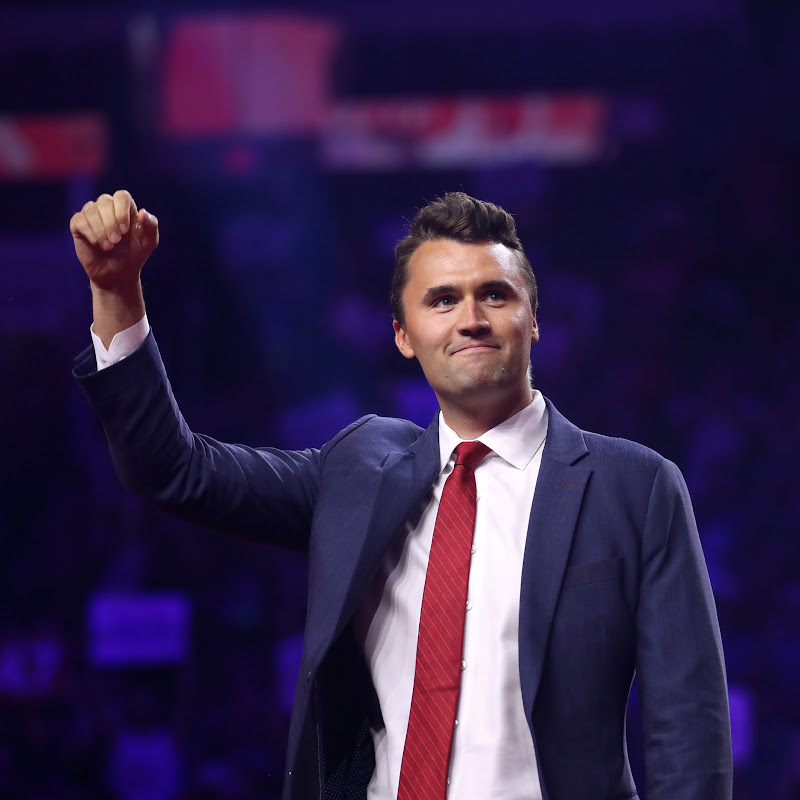
Charlie Kirk is the Founder and President of Turning Point USA, the largest and fastest growing conservative youth activist organization in the country with over 250,000 student members, over 150 full-time staff, and a presence on over 2,000 high school and college campuses nationwide. Charlie is also the Chairman of Students for Trump, which aims to activate one million new college voters on campuses in battleground states in the lead up to the 2020 presidential election. His social media reaches over 100 million people per month and according to Axios, he is one of the "top 10 most engaged" Twitter handles in the world. He is also the host of “The Charlie Kirk Show,” which regularly ranks among the top news shows on Apple podcast charts.
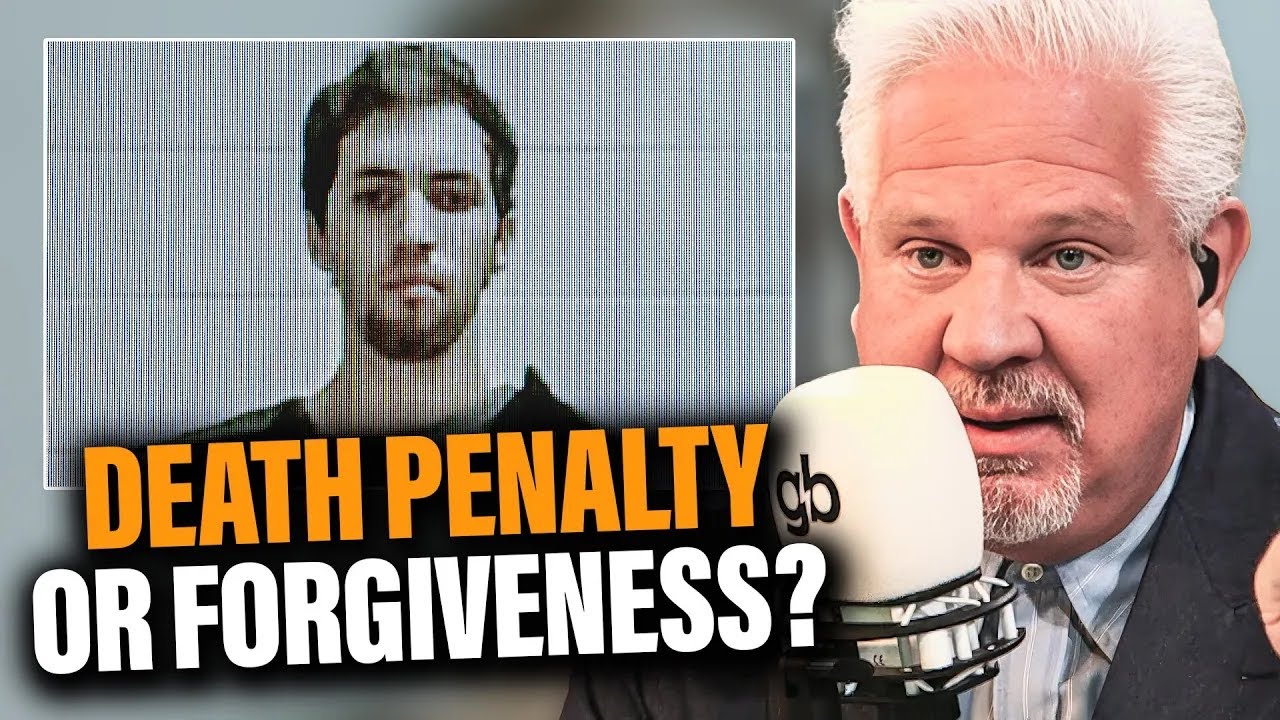
Jeff Metcalf Opens Up About Losing Austin, Forgiveness, and His Message to Erika Kirk
Jeff Metcalf, father of Austin Metcalf, shares his deeply personal journey through unimaginable loss, the power of forgiveness, and navigating grief under intense public scrutiny. Speaking from experience, Jeff offers heartfelt wisdom to Erika Kirk and Charlie Kirk's parents, Rob and Catherine, as they face their own tragedy. He discusses finding purpose in pain, the importance of faith, the destructive nature of social media hate, and his calling to help others through speaking and advocacy. This raw, emotional conversation reveals how one father is transforming grief into a mission to honor his son's memory.
Jeff Metcalf understands grief in a way few people can. As the father of Austin Metcalf, Jeff has walked through the valley of losing a child to violence, enduring not only the heartbreak of his son's death but also the intense media scrutiny and online hatred that followed. In this deeply personal conversation, Jeff shares his experience and offers guidance to Erika Kirk, widow of Charlie Kirk, and Charlie's parents, Rob and Catherine, as they navigate their own devastating loss.
Jeff begins by acknowledging the unique challenge of sitting in a courtroom facing the person accused of murdering your loved one. He describes it as an emotional roller coaster that pulls you in a hundred different directions, requiring immense strength to maintain coherent thought while battling conflicting emotions.
The Power of Forgiveness
One of the most striking moments in Jeff's testimony came when he publicly forgave his son's killer—a decision that shocked many and drew both praise and criticism. Jeff explains that forgiveness wasn't about excusing the action or forgetting what happened. Instead, it was a deeply personal choice rooted in his Christian faith and necessary for his own mental health.
He references an old story about two wolves living inside each person—one filled with hate, anger, and fear, the other with love, compassion, and kindness. The wolf that wins is the one you feed the most. For Jeff, choosing forgiveness meant refusing to feed the wolf of hatred and revenge that would consume him from within.
Jeff makes clear that forgiving the person doesn't mean forgiving the action or diminishing the reality that his son was murdered. He still experiences anger, sadness, and tears. But by releasing the burden of vengeance to God, he protects himself from becoming bitter and allows himself to heal. As he puts it, holding onto unforgiveness would eat him up like cancer, affecting every relationship and aspect of his life.
Navigating Grief and Social Media Hatred
Both Jeff and Erica have faced something uniquely cruel in the modern age—public grief compounded by social media vitriol. Jeff describes receiving death threats, watching hateful memes spread online, and seeing people celebrate his tragedy. He offers straightforward advice to Erica and others in similar situations: stay off social media for your mental health.
The people spreading hate, Jeff explains, represent a small but loud minority. They're soulless individuals without moral compasses who contribute nothing positive to society. Engaging with them only amplifies their voice and damages your own wellbeing. Instead, Jeff recommends finding professional help, joining grief groups, and building a strong support network. Isolation is the enemy; connection is essential.
Jeff also addresses the conspiracy theories and misinformation that inevitably arise in high-profile cases. He urges people on both sides of the political spectrum to stop creating cruel memes and spreading hateful comments about either the victims or the accused. These are real people experiencing real tragedy, and making entertainment out of their pain reveals a profound moral failure.
The Reality of Grief
Jeff speaks candidly about the grief process, explaining that there's no timeline, no instruction manual, and certainly no "getting over it." Loss affects everyone differently, and grief manifests in waves that can hit without warning. A song, a place, a food, any small memory can trigger an overwhelming tsunami of emotion.
He expresses frustration with well-meaning people who ask "How are you?" or "Are you okay?"—questions that, while intended kindly, miss the mark entirely. There are no words that can make things better. What grieving people need most is presence, not platitudes. Sometimes the most comforting thing someone can do is simply sit beside you in silence.
Jeff emphasizes that healing happens within the person who suffered the tragedy. No external words or actions can shortcut the process. You must allow yourself to grieve, to cry, to feel the full range of emotions. Suppressing them will only cause them to resurface in destructive ways.
Becoming Someone Different
Jeff acknowledges that he will never be the person he was before losing Austin. That version of himself is gone. The tragedy has broken him down and reshaped him into someone different. But rather than becoming bitter, he's choosing to become better.
He draws on his own experience surviving stage four cancer ten years ago, when doctors told him he would die if the cancer spread below his neck. With his seven-year-old twin sons hugging his legs and begging him not to die, Jeff made a decision: he would not let this beat him. The same mindset applies to his current situation. He refuses to let grief defeat him. Instead, he's determined to create something meaningful from this tragedy.
Living For Austin
Rather than learning to live without Austin, Jeff has decided to live for him. He's committed to keeping his son's name alive through scholarships, charitable work, and advocacy. He's already established the Austin Metcalf scholarship at his son's high school, which provides an annual award to a student athlete. He plans to expand this work and potentially create a 501(c)(3) nonprofit foundation in Austin's name.
Jeff feels called to speak at high schools, colleges, and anywhere else that will have him. He believes today's youth lack impulse control, deescalation skills, and conflict resolution abilities—deficits he sees contributing to violence. If he can reach even one person and prevent another tragedy, he considers it a success.
Admiration for Charlie Kirk
Jeff expresses deep admiration for Charlie Kirk, describing himself as a longtime fan of both Charlie and Turning Point USA. He rejects the narrative that Charlie was racist, pointing out that people take snippets of anyone's words and twist them to fit their agenda. Jeff particularly appreciates that Charlie "made too much sense"—his arguments were grounded in common sense, which is why they resonated so powerfully and threatened those who disagreed.
While Jeff doesn't compare himself to Charlie, he hopes to achieve even a fraction of what Charlie accomplished. If he could reach a quarter of the people Charlie reached and have meaningful conversations that inspire positive change, he would consider his life well spent.
Concerns About Society's Future
Jeff expresses deep concern about the moral decay of society and where the country is heading. He worries not just about his own remaining years, but about the future his children and grandchildren will inherit. He questions whether America is headed toward increased division, even potential race or civil war.
As someone from the last generation to grow up without cell phones, internet, and social media, Jeff believes his childhood was simpler and healthier. Today's youth face unprecedented scrutiny, mental health challenges, and pressure. He believes removing God from schools has negatively affected society, and he's troubled by a culture where the loudest voices are often mistaken for the truest ones.
Despite these concerns, Jeff maintains that America is the greatest country in the world. However, he believes the nation creates many of its own problems from within. Rather than focusing solely on external threats, America needs to address internal issues: homelessness, veteran care, and mental health.
Guns, People, and Responsibility
Jeff addresses the inevitable gun debate that arises after violent tragedies. As a Second Amendment supporter, he firmly believes that guns don't kill people—people kill people. The problem isn't the tool but the person wielding it. What's needed isn't more gun restrictions but better mental health care and a restoration of personal responsibility.
Jeff taught his sons that they're free to make any decisions they want in life, but they're not free from the consequences. This principle applies universally. When someone breaks the law, especially through an act as heinous as murder, there must be consequences. Society cannot function without accountability.
A Message of Hope
Throughout this conversation, Jeff repeatedly returns to his faith as the foundation that sustains him. He references multiple biblical stories—Jonah and the whale, David and the lion, Peter walking on water, Lazarus rising from the dead, and Jesus weeping—as examples of God working through impossible circumstances.
Jeff describes himself as just a normal guy, a vessel that God chooses to use however He sees fit. He doesn't always agree with or like God's plan, but he trusts it. He believes the phrase, "If God brought you to it, He can bring you through it."
Jeff reminds everyone that tomorrow is never promised. Living with purpose, then, becomes essential. He had a purpose before as a father—he still has that purpose. He has one son in heaven and one about to go to college who has lived through his own trauma, having witnessed his twin brother's murder and held him as he died. Jeff remains committed to both his sons, to honoring Austin's memory and supporting Hunter's future.
Final Words to Erica and Charlie's Parents
Jeff offers his sincere condolences to Erika Kirk and to Rob and Catherine, Charlie's parents. He acknowledges that while words can't make the pain better, knowing someone understands what you're feeling provides some comfort. He emphasizes that their loss is real and valid, even if different from his own—Erica lost a spouse, Jeff lost a child, but both losses are profound and life-altering.
His advice is simple but powerful: lean on your faith, find professional help, build a support network, allow yourself to grieve, stay off social media, and remember that what you're experiencing is only temporary in the eternal scope of things. You will never be the same person you were before, but you can become someone even better. You can find purpose in the pain.
Jeff closes with a promise of prayer and an open invitation for Erica and Charlie's family to reach out anytime. He wants them to know they're not alone in this journey, and that someone who truly understands is standing with them.














Comments
Be the first to comment on this video.