2,422 videos 1,389,747,653 views US Joined Aug 30, 2018
Charlie Kirk is the Founder and President of Turning Point USA, the largest and fastest growing conservative youth activist organization in the country with over 250,000 student members, over 150 full-time staff, and a presence on over 2,000 high school and college campuses nationwide. Charlie is also the Chairman of Students for Trump, which aims to activate one million new college voters on campuses in battleground states in the lead up to the 2020 presidential election. His social media reaches over 100 million people per month and according to Axios, he is one of the "top 10 most engaged" Twitter handles in the world. He is also the host of “The Charlie Kirk Show,” which regularly ranks among the top news shows on Apple podcast charts.
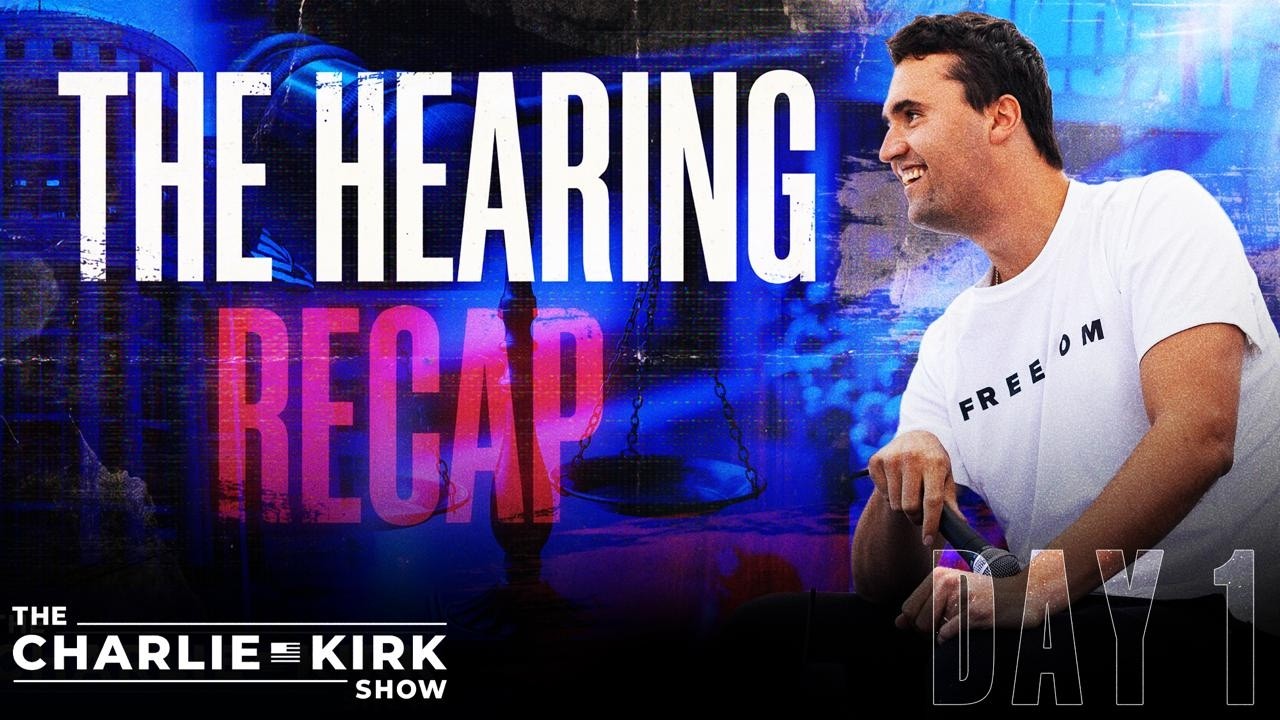
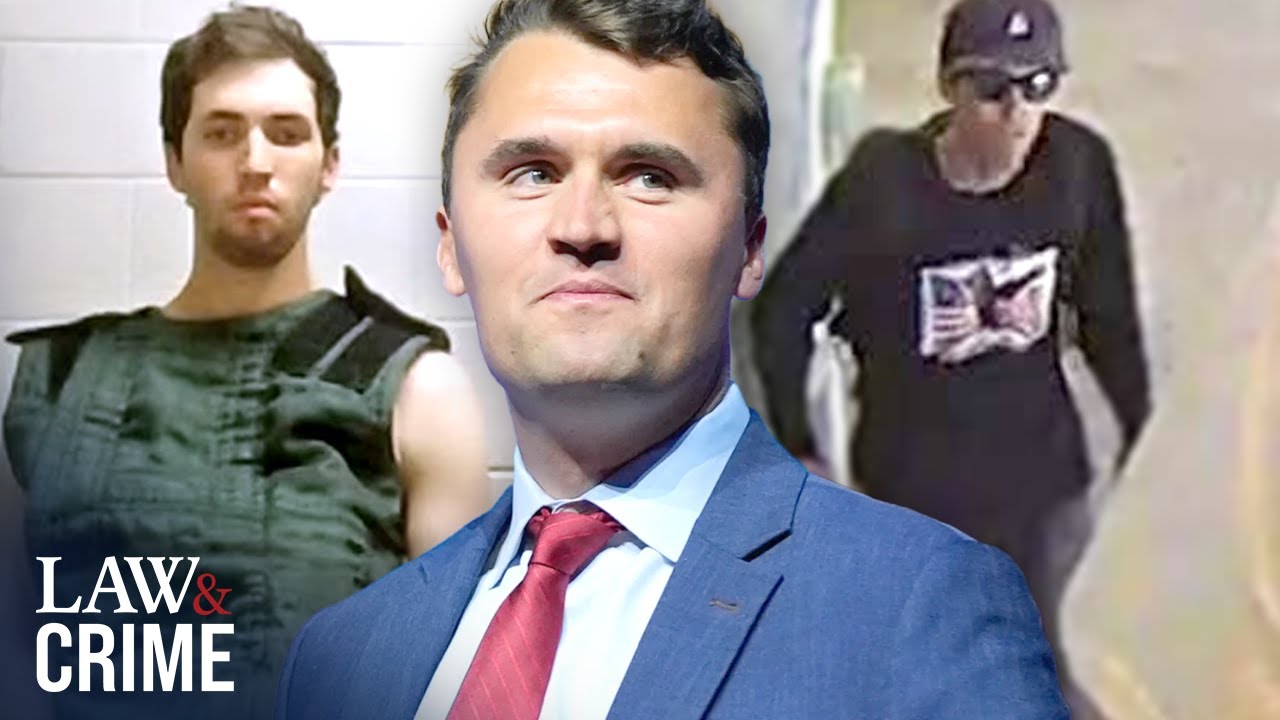
Andrew Kolvet and Blake Neff Break Down the Tyler Robinson Preliminary Hearing and Defense Tactics
Andrew Kolvet and Blake Neff walk through a preliminary hearing in the case against Tyler Robinson, the man charged with killing Charlie Kirk, clarifying that the case is being tried at the state level in Utah County rather than federally. The bulk of the hearing centers on a defense motion to disqualify the entire Utah County Attorney's Office because the eighteen-year-old daughter of one of the prosecutors happened to be among roughly 3,000 people at the shooting. Neff details testimony from an investigating agent covering evidence gathered from Robinson's home, DNA found on the recovered firearm, surveillance and doorbell camera footage tracing Robinson's movements, and text messages in which he allegedly admitted involvement. County Attorney Jeffrey Gray testifies that the prosecutor's daughter had no influence on the decision to pursue the death penalty, calling the evidence sufficient to support an aggravated murder charge.
Andrew Kolvet opens by noting that a preliminary hearing was held the previous day for Tyler Robinson, the man accused of killing Charlie Kirk. He hands the recap over to Blake Neff, who sat through all four hours of the proceedings.
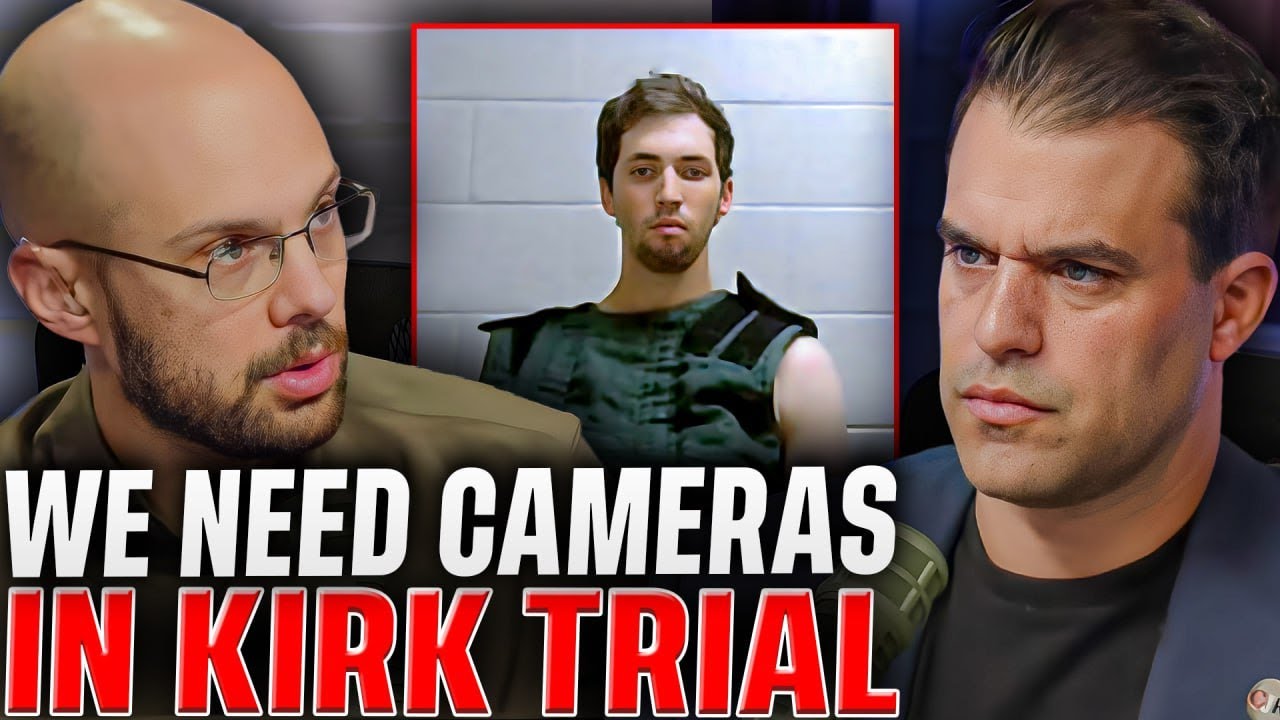
Neff clarifies that this was not the trial itself, which will be covered in full once it begins, but another in a series of preliminary hearings that have dealt with issues like keeping cameras out of the courtroom and how Robinson will be dressed when he appears before the judge.
This Is a State Case, Not a Federal One
Kolvet stops to address a common misconception circulating online that the FBI is leading the prosecution.
"This is not a federal case. This is being tried at the local level," Kolvet says, explaining that while the FBI assisted in the initial investigation and federal charges remain conceivable down the line, the case is currently being handled by the Utah County Attorney's Office, the same county that includes Provo and the site of the shooting.
The Defense's Bid to Disqualify the Entire County Attorney's Office
The central focus of the hearing was a defense motion to disqualify the entire county attorney's office from the case, based on the fact that the eighteen-year-old daughter of one of the prosecutors on the team was among the roughly 3,000 people present at the shooting.
Neff notes that legal experts who have weighed in consider the motion a long shot, since the daughter was one of thousands of attendees rather than a direct witness with unique access to evidence. If successful, the motion would force the case to be handed off to another county or the state, creating significant delay.
What Investigators Found at Robinson's Home
During cross-examination, FBI Agent David Hull detailed evidence recovered through a search warrant executed at Robinson's residence in St. George, including bullet casings with inscriptions, tools believed to have been used to make those inscriptions, targets, recently purchased targets, Ring doorbell footage from nearby residences, and electronic devices including laptops.
DNA Evidence and the Defense's Pushback
Hull confirmed that DNA found on the firearm recovered at the scene was consistent with Robinson's. The defense attempted to complicate this by noting that DNA evidence collected elsewhere at the scene contained a mixture from at least five different individuals, pressing Hull, who is not a DNA expert, on his inability to interpret complex DNA mixtures. Neff and Kolvet note that finding multiple people's DNA at a public event is unremarkable, but that the defense appears to be laying groundwork to challenge the evidence at trial.
Surveillance Footage Tracing the Suspect's Path
Hull also described an extensive trail of video evidence, including rooftop footage cross-referenced with Utah Valley University security cameras, interior footage from the Hall of Flags showing a figure on the rooftop, surveillance tracking a suspect off campus, additional Ring doorbell footage from both Orem and St. George, and security footage from businesses along the route between the two cities.
Text Messages and Social Media Admissions
Investigators also collected text messages and social media communications between Robinson and people he knew. Hull testified that some of these communications, including social media chats, contained admissions that Robinson had been involved in the shooting.
Why the County Attorney Is Seeking the Death Penalty
The defense argued that the personal connection between the case and the prosecutor's family was what pushed the office to pursue the death penalty. Utah County Attorney Jeffrey Gray, who campaigned on pursuing capital punishment in appropriate cases, testified directly on the question.
Asked whether the presence of the prosecutor's child at the shooting affected his decisions in the case or his choice to seek the death penalty, Gray answered, "Zero," both times. Asked why he chose to seek the death penalty, Gray said, "Because the evidence that had been gathered supports the aggravated murder charge, and I believe that the death penalty is entirely appropriate in this particular case."
A Professional Process, According to the Hosts
Kolvet and Neff praise the conduct of the hearing, contrasting it with what they describe as the chaotic prosecution led by Fani Willis against Donald Trump. "Everyone seems very professional. They seem very sober. This is the team you would want handling this," one host says, noting that both sides appear to be proceeding carefully, by the book, aware that any misstep could give the defense grounds for appeal.
Erika Kirk's Push for a Speedy Trial
The hosts note that Erika Kirk, exercising her rights as a victim under Utah law, has formally asked for a speedy trial. They acknowledge the tension between that request and the need for prosecutors to avoid moving so quickly that they create openings for the case to be overturned on appeal.
The Defense's Real Goal: Delay
The defense team openly acknowledged in court that their broader strategy involves slowing the case down to ensure a higher standard of certainty around any potential conflict of interest, even if it requires bringing in an entirely new prosecution team.
"That's an obscene request in my opinion," one host responds. The defense has also raised concerns about photographers using long lenses to capture images of Robinson, arguing it could interfere with his right to a fair trial.
What Comes Next
The judge is expected to issue a written ruling on the disqualification motion, as well as on whether cameras will be allowed in the courtroom, around the 24th. Kolvet and Neff say they will continue covering the case closely and are pushing for cameras to be allowed in the courtroom.