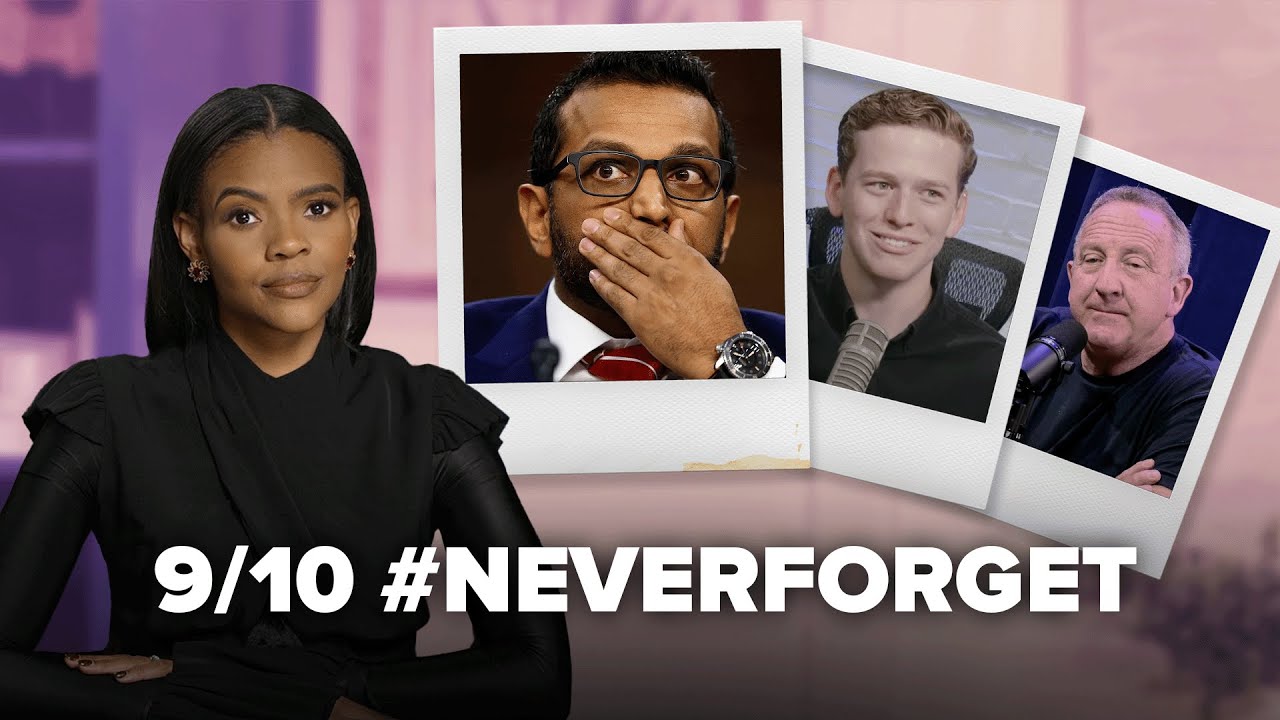
Tucker Carlson Breaks His Three-Month Silence on the Charlie Kirk Murder and the FBI
Enjoying this? Share it with someone who needs to see it.
Up Next
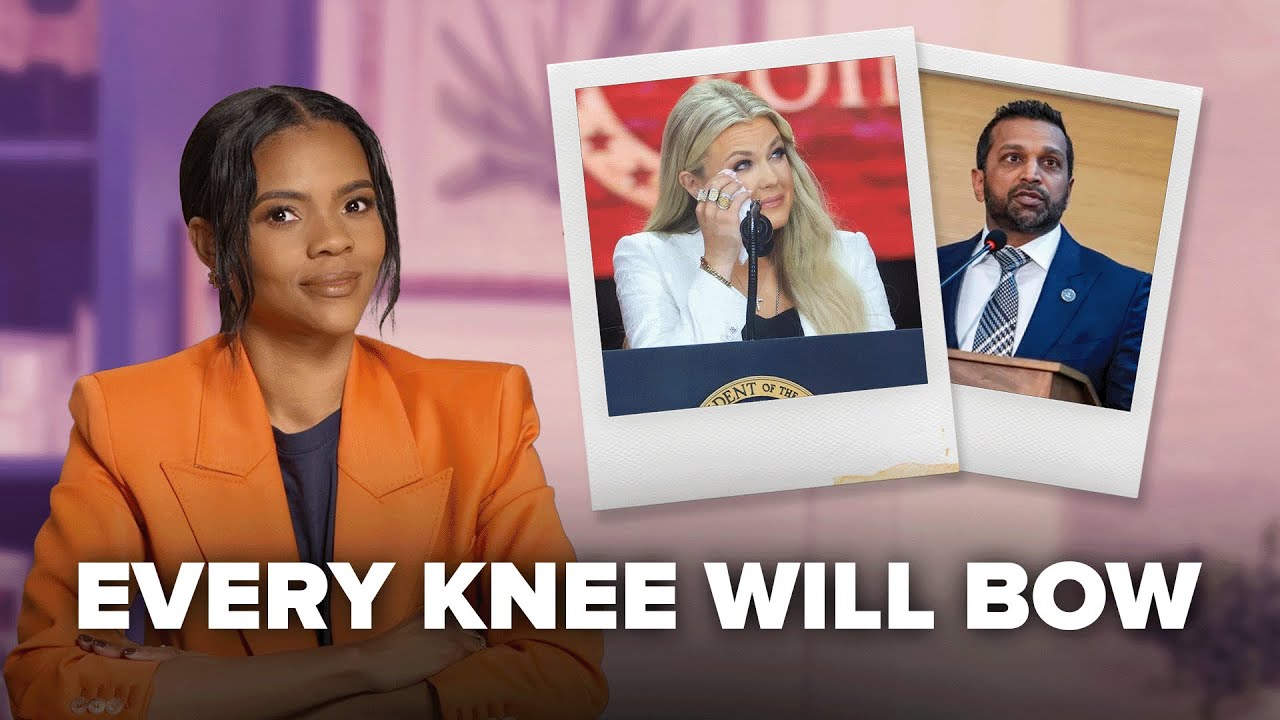
Candace Owens Investigates Charlie Kirk Assassination After Erika Kirk's Powerful Forgiveness Speech and Kash Patel Statement
1:00:21
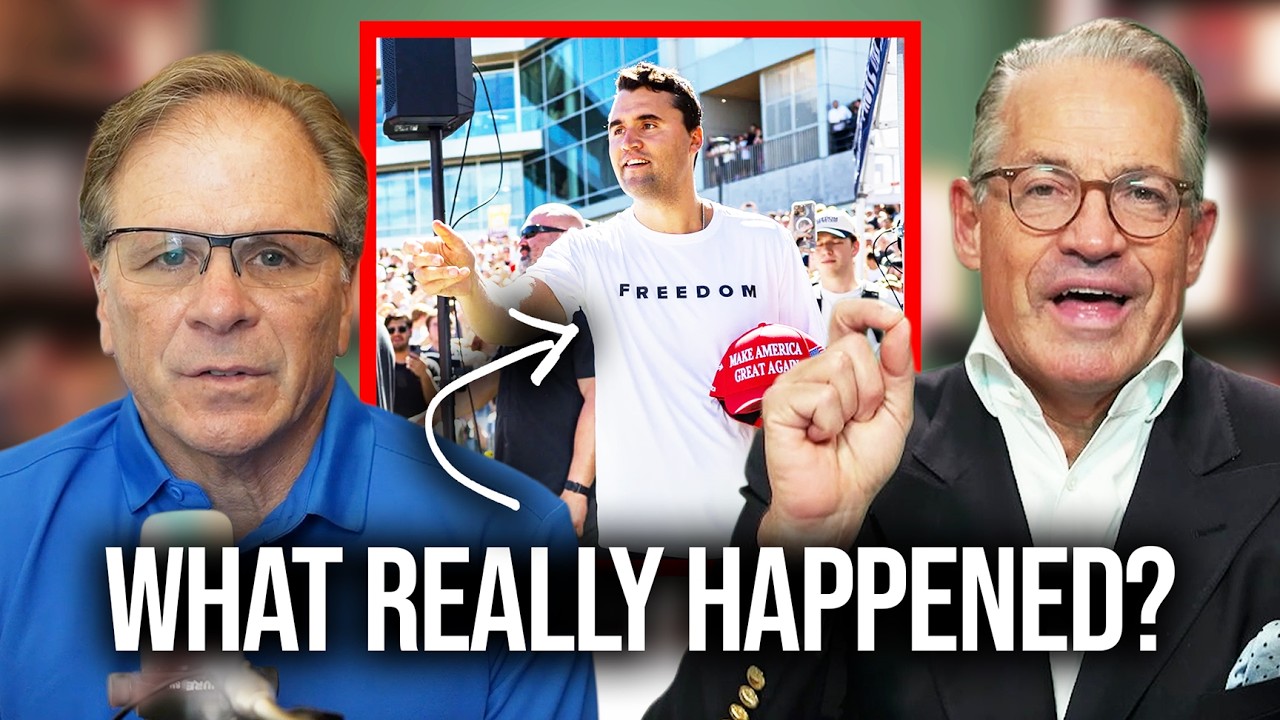
Frank Turek Was There When Charlie Kirk Was Murdered: Death Threats, Candace Owens, and the Truth About That Horrible Day
50:36
Frank Turek Recalls Charlie Kirk's Final Moments and Confronts Three Months of Conspiracy Theories
15:00
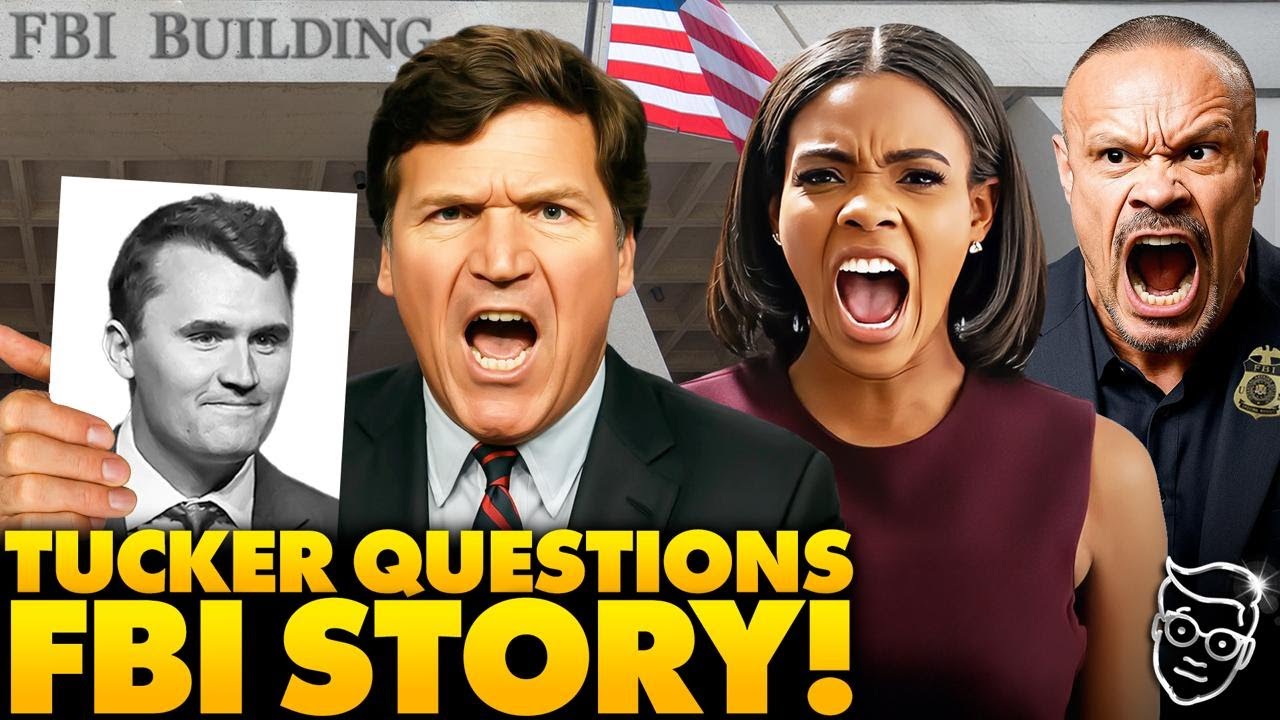
Tucker Carlson Breaks His Three-Month Silence on the Charlie Kirk Murder and the FBI
Tucker Carlson breaks a deliberate three-month silence on the Charlie Kirk assassination, explaining what held him back, what prompted him to speak, and what he actually believes about the investigation. His silence was personal, he has known Kirk since Kirk was a teenager, has known Candace Owens for years, counts Blake Neff, formerly of Turning Point USA, as someone who worked for him at multiple organizations, and has known Erika Kirk since she was dating Charlie. With close relationships on every side of what became an enormous public controversy, he made a conscious choice not to wade in, and he extended good faith to anyone genuinely trying to find the truth regardless of which theory they were following. What ended his silence: a three-hour conversation with Theo Von on an unrelated topic touched briefly on Kirk, and Carlson said he did not trust the FBI. Some interpreted that as an accusation of FBI involvement in the assassination. He says that was not his meaning.
Tucker Carlson opens by explaining why he has said nothing publicly about the Charlie Kirk murder investigation for three months. It was not indifference. He knew Charlie Kirk since Kirk was a teenager. He loves Candace Owens, who he has known for years. Blake Neff, formerly of Turning Point USA, once worked for him at multiple organizations. Erika Kirk he has known since she was dating Charlie. With that many people he genuinely cares about on every side of a story that has grown enormous and contentious, he made a deliberate choice to stay out of it.
He also extended a blanket of good faith to anyone pursuing the truth about what happened, whatever track they were on. Anyone motivated by a sincere desire to find out who killed Charlie Kirk and why — not to score points, not to own a political faction — he says he will not criticize, even if they end up in the wrong place. He has been there himself.
The Theo Von Conversation and the Misunderstanding
What ended the silence was an indirect consequence of a three-hour conversation with Theo Von. The conversation was not primarily about Kirk or the investigation, but the topic came up, and Carlson said he did not trust the FBI. Some people took that as an implication that he believed the FBI was involved in Kirk's assassination. He says that is not what he meant, and the misreading gives him the opportunity now to say what he actually thinks.
Not Trusting the FBI Is Not an Accusation
Carlson draws a distinction he considers important. He names Dan Bongino, whom he has known for a long time and likes, as someone he genuinely does not believe would participate in covering up a murder. He says the same about Kash Patel. But both men sit at the top of an enormous bureaucratic organization. The nature of bureaucracy is that parts of it act independently from leadership. Trusting Dan Bongino personally, he argues, is not the same thing as trusting the FBI institutionally, and he sees no reason why anyone should conflate those two things.
Why Skepticism of the FBI Is the Correct Default
He then makes the broader case. If the 2024 election demonstrated anything, he says, it is that many of the country's largest institutions have rot in them that needs to be reformed. The FBI's history is not a matter of partisan interpretation — it has a factually documented record of manufacturing crimes, setting people up, distorting justice, and participating illegally in the country's political system. Those are not allegations. They are findings. And they are the precise opposite of what the Bureau is supposed to do, which is to arrive at truth through facts and then demonstrate to the public how it got there.
No American, he argues, is under a moral obligation to believe government agencies that have earned distrust. Inventing theories to discredit the FBI is one thing, and he is not calling for that. But requiring government officials to prove what they claim — rather than simply accepting their assertion that something is true — is not paranoia. It is the baseline of informed citizenship.
January 6 as Recent Evidence
He points to January 6 as the most recent case in point. What many people suspected for years, he says, has now been confirmed: January 6 was in effect a setup, and the FBI was central to it. He notes that it is still not clear that everyone at the Bureau who was involved in that operation has been fired or disciplined. He treats this not as a political talking point but as the most current available evidence for why institutional skepticism toward the FBI is warranted.
What the FBI's Job Actually Is
The part of the investigation that bothers him most is what he sees as a failure of obligation. The FBI's job is to find out what happened to Charlie Kirk and to convince the public — not to retreat behind national security classifications or confidential sources, but to show its work. When it fails to do that, the vacuum does not stay empty. New explanations fill it. People the public pays to investigate and explain are effectively handing that function over to anyone else willing to occupy the space.
His position at the close: he intends to stay as quiet as he can on matters he does not understand, and will not state things as known that he does not know. He wants justice for Charlie Kirk and is not going to pretend he has information that would advance that. But the rest of the public should stay skeptical, should feel no shame about that skepticism, and should hold the FBI to its actual job description: not assertion, but proof.