Joe Kent Reflects on Charlie Kirk's Legacy and the Rising Tide of Political Violence in America
Enjoying this? Share it with someone who needs to see it.
Up Next
Dr. Phil McGraw Responds to Charlie Kirk Murder: Are We at an Inflection Point in American Discourse?
11:48
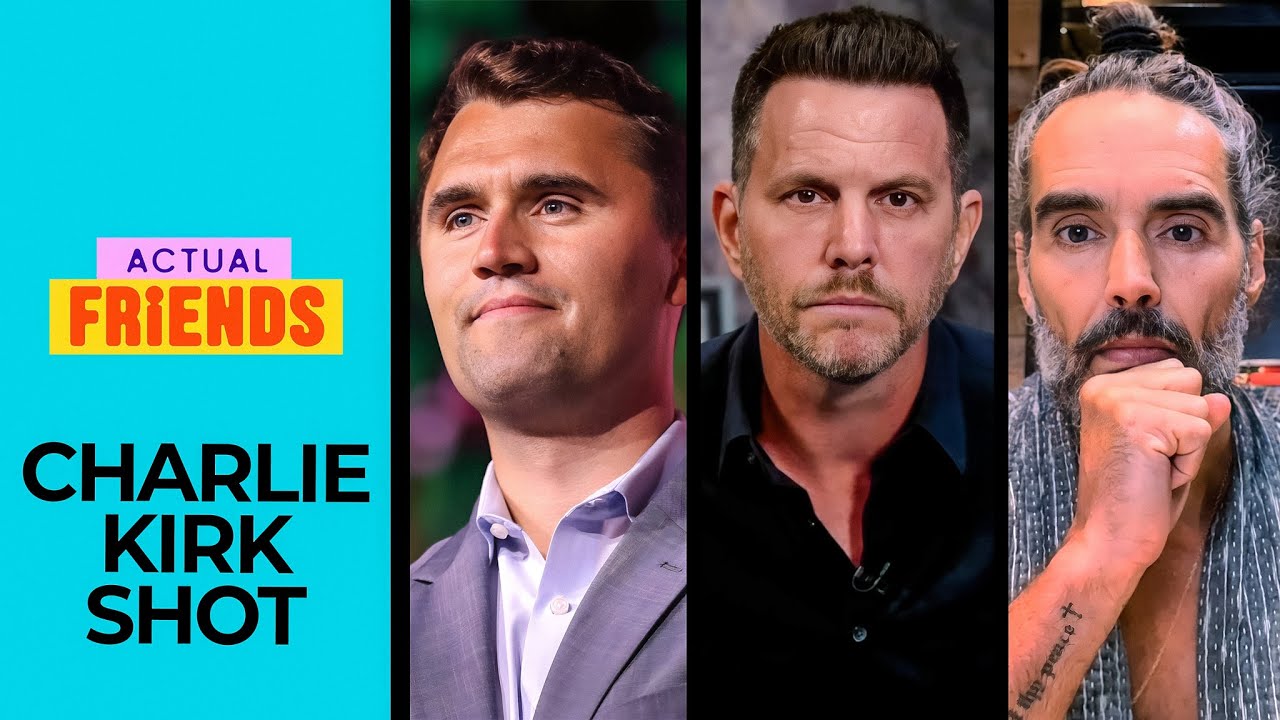
Dave Rubin and Russell Brand React to Breaking News of Charlie Kirk Shooting at Utah Valley University
24:54
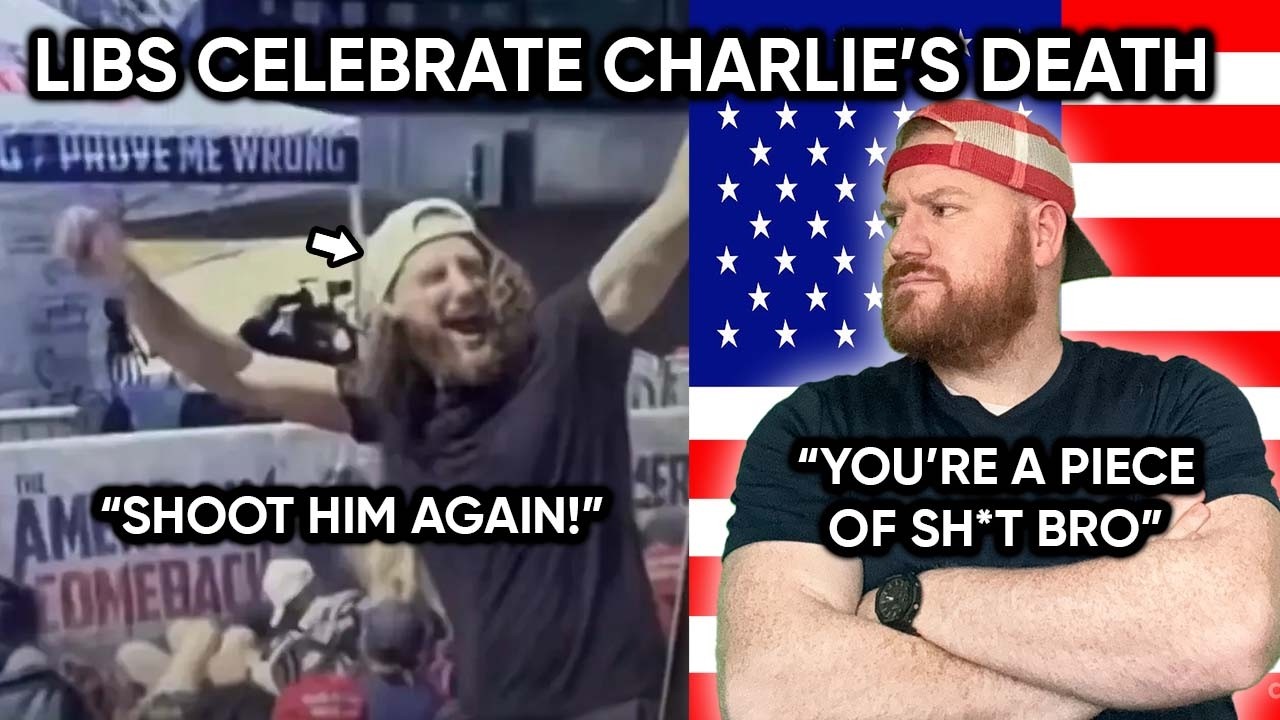
Charlie Kirk Assassinated: America's Response to a Conservative Leader's Murder and the Left's Celebration
52:56
Joe Kent Reflects on Charlie Kirk's Legacy and the Rising Tide of Political Violence in America
Joe Kent shares his heartfelt reflections on the loss of Charlie Kirk, a champion for debate, dialogue, and free speech who he knew for nearly a decade. Kent discusses how Kirk embodied the type of politics America should aspire to—welcoming disagreement and unafraid of conversation—and how his principled advocacy ultimately made him a target. As political assassinations and attempts reach levels unseen since the 1960s, Kent questions whether this tragic moment could serve as an inflection point for healing a divided nation and ending the normalization of political violence that social media has amplified.
September 12, 2025
A Champion for Dialogue Silenced
Joe Kent opens with a profound sense of loss as he reflects on Charlie Kirk's passing. Having known Kirk for approaching a decade, Kent describes him as a good man, highly principled, and a champion for debate, dialogue, and free speech—values he considers the cornerstone of democracy. Kirk's ability to persuade and engage in meaningful conversation ultimately made him a target, Kent believes, and his silencing represents a tragic loss for the kind of politics Americans should aspire to.
Kent emphasizes that Kirk embodied an approach to political discourse where disagreement is welcomed rather than feared. He wasn't afraid to have his opinions changed when confronted with better arguments, and he invited those who disagreed with him into conversation rather than shutting them down. This openness and willingness to engage across divides is precisely what makes Kirk's death so heartbreaking—his tongue and brain were his sword, and he wielded them with exceptional skill.
A Personal Loss for Family and Nation
Kent's sympathy extends deeply to Kirk's family, particularly his beloved wife Erika, whom Kirk loved deeply, and his beautiful children. The personal nature of this loss resonates throughout Kent's comments, as he shares his own father's near-similar experience with political violence. These attacks, Kent argues, simply have to stop, and society cannot tolerate the flippant attitudes that have emerged around political violence.
He points to the aftermath of the United Healthcare CEO shooting, where some people made cavalier comments celebrating the violence because the victim wasn't widely known. Kent makes clear that such responses should never be allowed—celebrating someone getting shot in the back is unconscionable, regardless of who the victim is or what they represent.
Political Violence at a Historic Peak
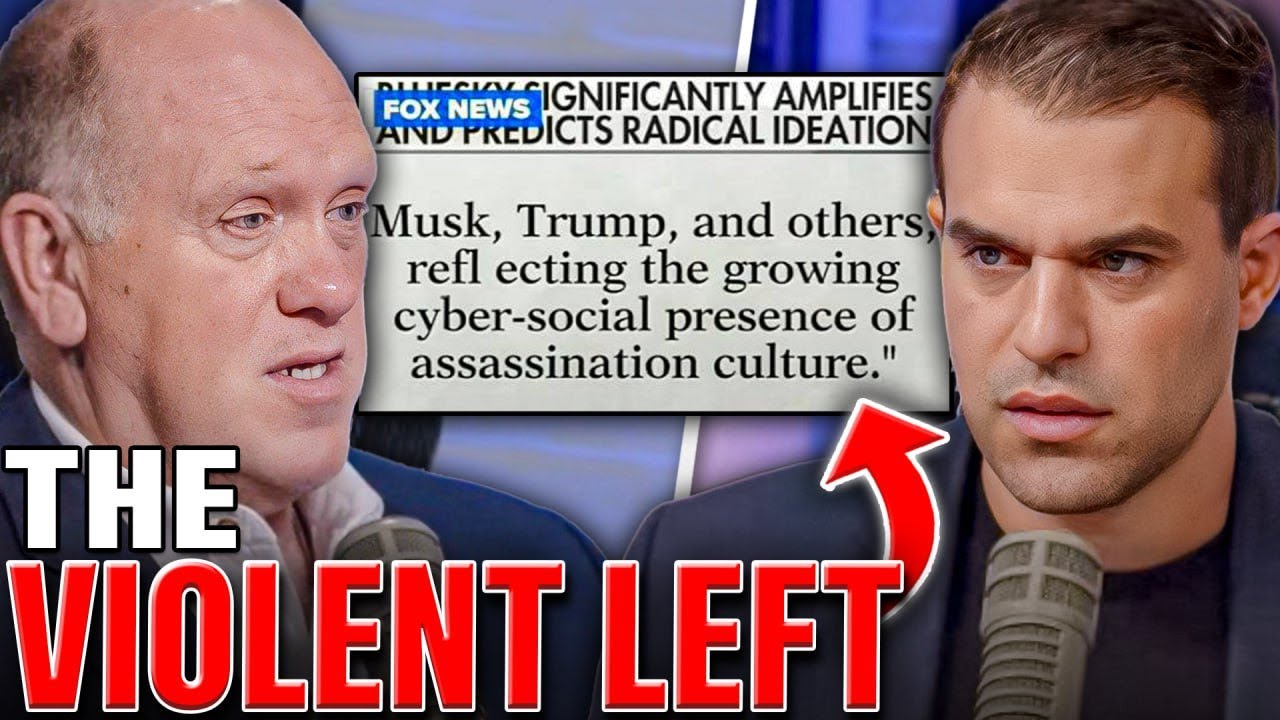
Kent notes that political assassinations and assassination attempts are at their highest level since the 1960s, a disturbing trend that reflects a broader breakdown in American society. Social media has played a role in this crisis, contributing to what Kent describes as a normalization of violence that seems different from past eras. The digital landscape has created an environment where violent rhetoric and celebration of political attacks can spread rapidly and find acceptance in certain corners of the internet.
Once people stop talking to one another, Kent warns, it all breaks down. The fabric of civil society depends on the ability to engage in dialogue, even—and especially—with those we disagree with most strongly. When fear of someone's ability to speak leads to violence, democracy itself is under threat.
Hope for an Inflection Point
Despite the darkness of the moment, Kent holds onto hope that Charlie Kirk's death might serve as an inflection point for the country. He prays that this tragedy might stir the type of conversation Kirk himself would have initiated on the topic of political violence and division. Can America fix what has broken? Can the nation step back from the normalization of violence and return to the principles of debate and dialogue that Kirk championed?
Kent's reflection is both a memorial to his friend and a challenge to the nation. Charlie Kirk represented the best of American political discourse—principled, persuasive, and committed to free speech and open debate. His legacy calls Americans to reject violence, embrace conversation, and remember that once we're afraid of somebody's ability to speak, we've already lost something essential to democracy.