Jonathan Turley Defends Free Speech Legacy After Charlie Kirk Defended Principles Without Retribution
Enjoying this? Share it with someone who needs to see it.
Up Next
Katie Pavlich and Paul Mauro Examine the Assassination of Charlie Kirk and What Comes Next
14:06
Governor Glenn Youngkin and Megyn Kelly Honor Charlie Kirk's Legacy at Virginia Tech Memorial Event
1:46:46
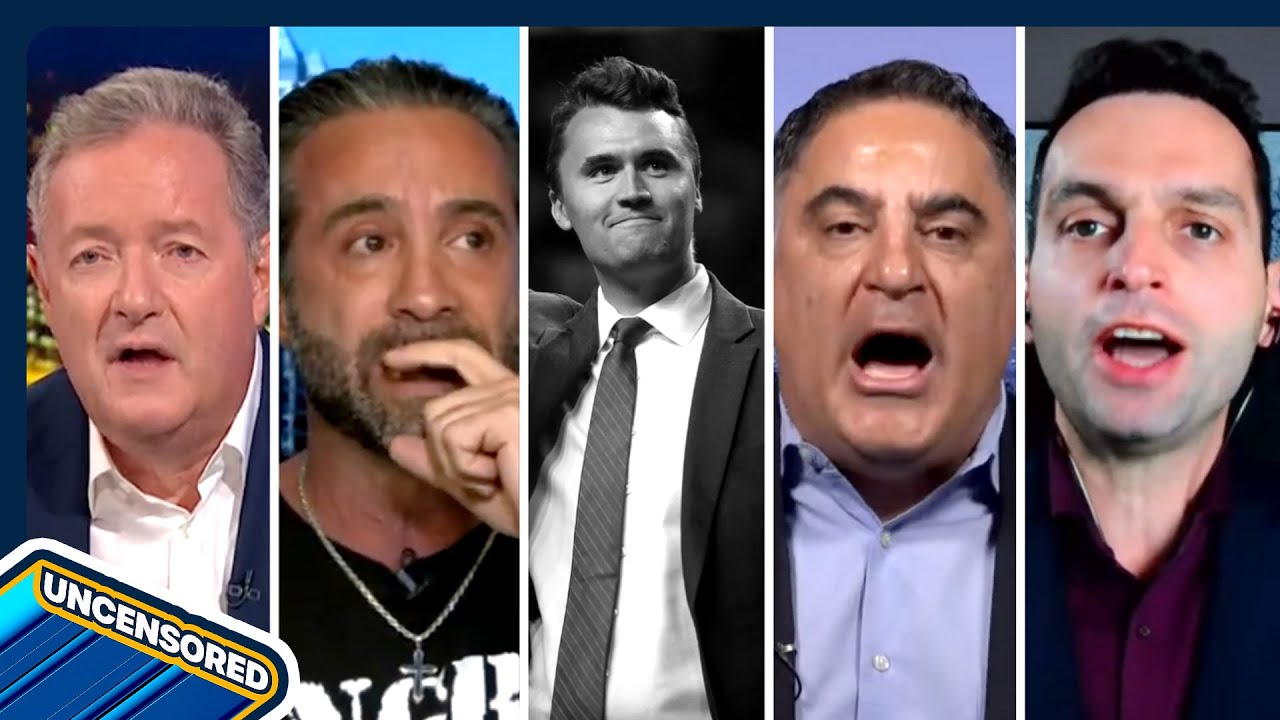
Piers Morgan Uncensored Panel Debates Political Violence After Charlie Kirk Assassination and America's Dangerous Turning Point
1:30:11
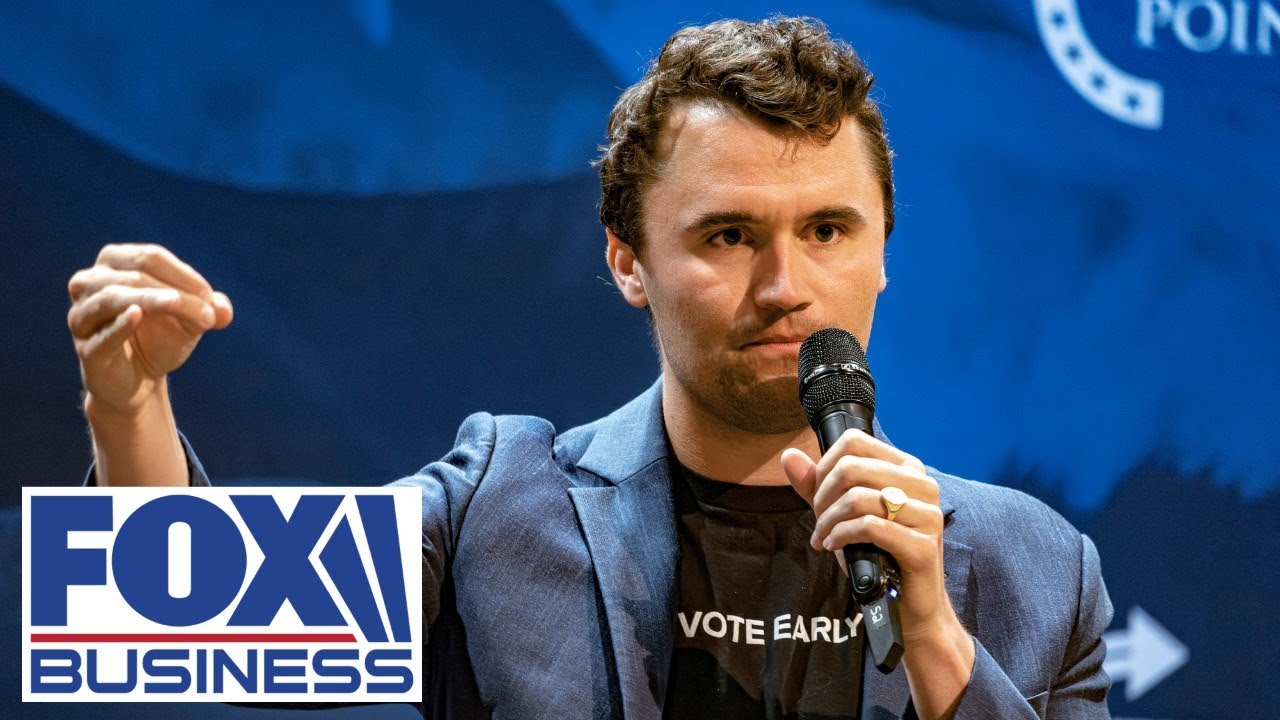
Jonathan Turley Defends Free Speech Legacy After Charlie Kirk Defended Principles Without Retribution
Jonathan Turley reflects on Charlie Kirk's commitment to free speech and warns against using tragedy to undermine the very principles Kirk championed. Following controversial statements from teachers and professors about Kirk, Attorney General Bondi draws a line between protected speech and criminal threats. Turley argues that while some educators crossed into fireable offenses, honoring Kirk's legacy means protecting debate and refusing to silence opposing voices, even when they're hateful. A troubling new study reveals that significant percentages of Americans find political violence partially justified, exposing what Turley calls an "assassination culture" fueled by rage and intolerance.
Charlie Kirk strongly defended and modeled the principles of free speech throughout his career. His belief was simple: a way of life means you speak your mind without retribution, without being kicked off social media by a self-righteous censor in Silicon Valley. Free speech is our birthright as Americans. Kirk's philosophy held that when you have free speech, we get closer to the truth, closer to the best way to govern, closer to the best polity for the country. He believed you should be allowed to say outrageous things and contrarian things.
The Aftermath and Legal Response
Teachers, professors, and even pilots are among those who have been fired or suspended after making inappropriate comments about Kirk's murder online. Attorney General Bondi issued a warning, stating that hate speech that crosses the line into threats of violence is not protected by the First Amendment—it's a crime. She declared that for far too long, we've watched the radical left normalize threats, call for assassinations, and cheer political violence, but that era is over.
Jonathan Turley on Kirk's Legacy
Fox News contributor Jonathan Turley argues that Charlie Kirk wouldn't fire people who hated him—he'd win them over. Turley, who describes himself as a free speech purist, acknowledges that some professors appear to be crossing the line by celebrating and glorifying murder. However, he emphasizes that what Kirk did was hold a mirror to the face of higher education to show the hypocrisy, hate, and intolerance that has taken over our campuses. That's why they hated him, and that's why, in all likelihood, he died—because he was such a figure of clarification to expose all of this.
Turley makes a crucial point: it would be a disservice to Kirk's life and legacy to use this murder to attack the very thing he fought for most, which is free speech. He knew Charlie, liked him a great deal, and respected the fact that he was someone who opposed all cancel campaigns, left and right.
Where the Line Is Drawn
That doesn't mean that you cannot take measures against individuals who do cross the line. There's a teacher who played a video of the assassination and raved about Kirk in a classroom in Canada—of course, that person should be fired. There's a Secret Service agent who glorified or condoned this killing—that's really incompatible with that position. When you have people who are using their positions, their official titles, or doing this during work hours, they can be punished and terminated.
But at the same time, we have to honor Charlie's legacy by saying that he wanted debate. He didn't want to silence people. He wanted them to speak. He wanted them to speak to him. And we do that by protecting free speech.
Bill Maher on the Debate Divide
Bill Maher addresses the issue of which side is open to having a debate. He observes that one side doesn't want to talk—it's his main issue with them. Charlie Kirk was a guy who was always talking, and Maher talked to him on his show. The right-wingers, say what you want about them, but they talk to you. They're not into this leftist thinking that the left really has much more of: "I don't talk to you. I don't want to deal with you. You're deplorable. I can't break bread with you." That attitude is something all the right-wingers don't have.
Turley agrees wholeheartedly, saying Maher was right on the money. He just returned from Europe where he was speaking on free speech, and free speech is in freefall there. They did precisely what some people are arguing today—they used hateful rhetoric and inflammatory rhetoric to silence everyone, to expand censorship, and it has taken them down a road which is truly horrific.
The left has become a culture of speech phobics, Turley argues. They find it intolerable. The thing that drove them crazy about Charlie is he kept on saying "debate me." For people who are intolerant, that is the most infuriating invitation you can give them. They don't want to hear from you. They want to silence you. And these people spend more time silencing other people than they do speaking for themselves.
Alarming Study on Assassination Culture
A new study exploring assassination culture reveals disturbing findings. Respondents were asked whether they believe the murder of Elon Musk or Trump is partially justified or more:
When it came down to Elon Musk: 31% of all respondents said they find the murder partially justified; 50% of left-wing respondents find murder partially justified; 14% of right-of-center respondents found murder partially justified.
When it came down to President Trump: 38% of all respondents found murder was partially justified; 56% of left-wing respondents found murder partially justified; 20% of right-of-center respondents found murder partially justified.
These numbers indicate something fundamentally wrong with the culture when percentages are that high.
The Contagion of Rage
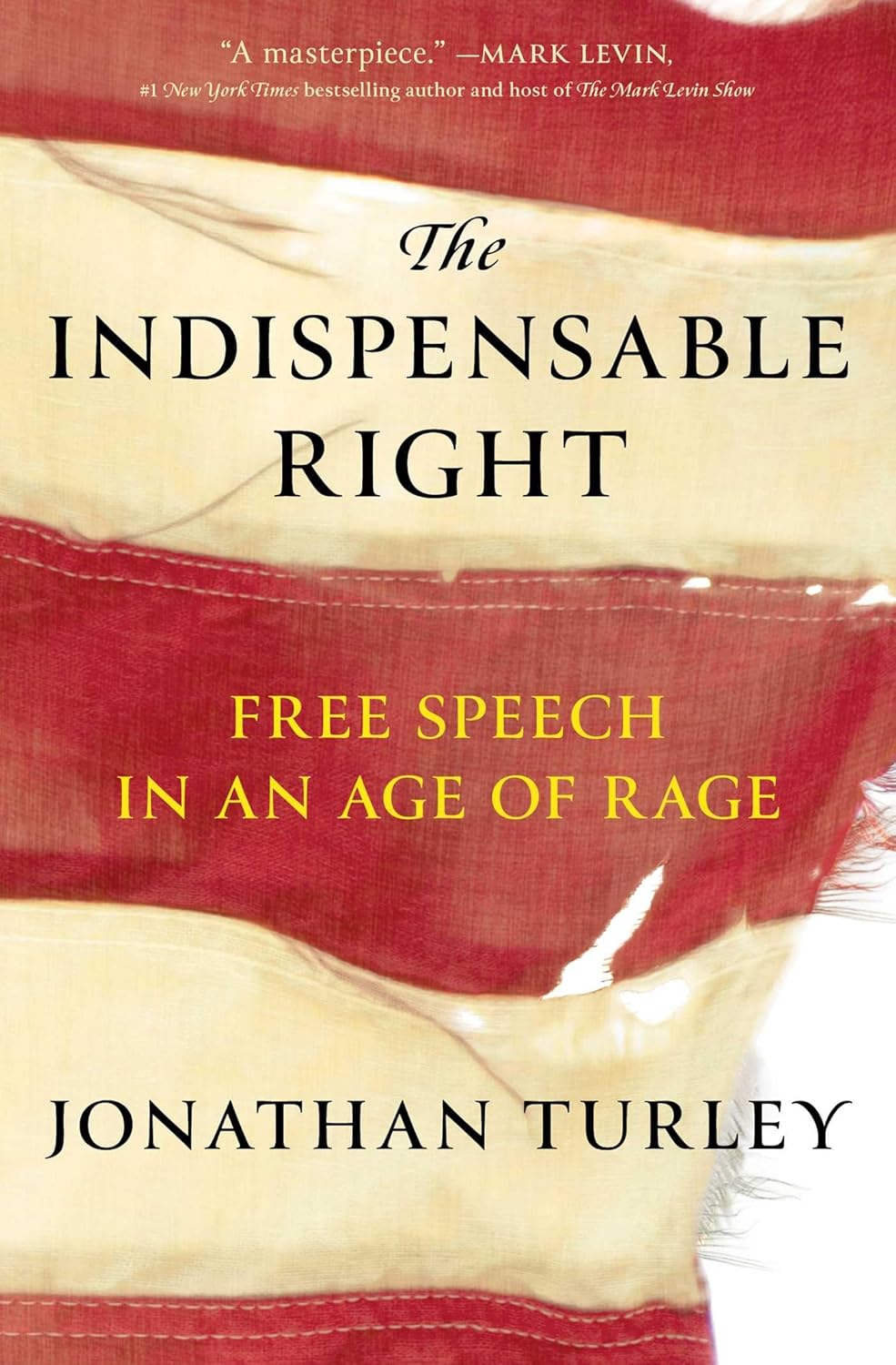
Turley references his book "The Indispensable Right," which is about rage. He explains that rage is a strange thing—it gives a license to people to say and do things they wouldn't otherwise say or do. And what they won't admit is that they like it. It's contagious, and they need it. It gives them excuses to decouple themselves from every form of human decency. That's what we saw in the assassination of Charlie Kirk.