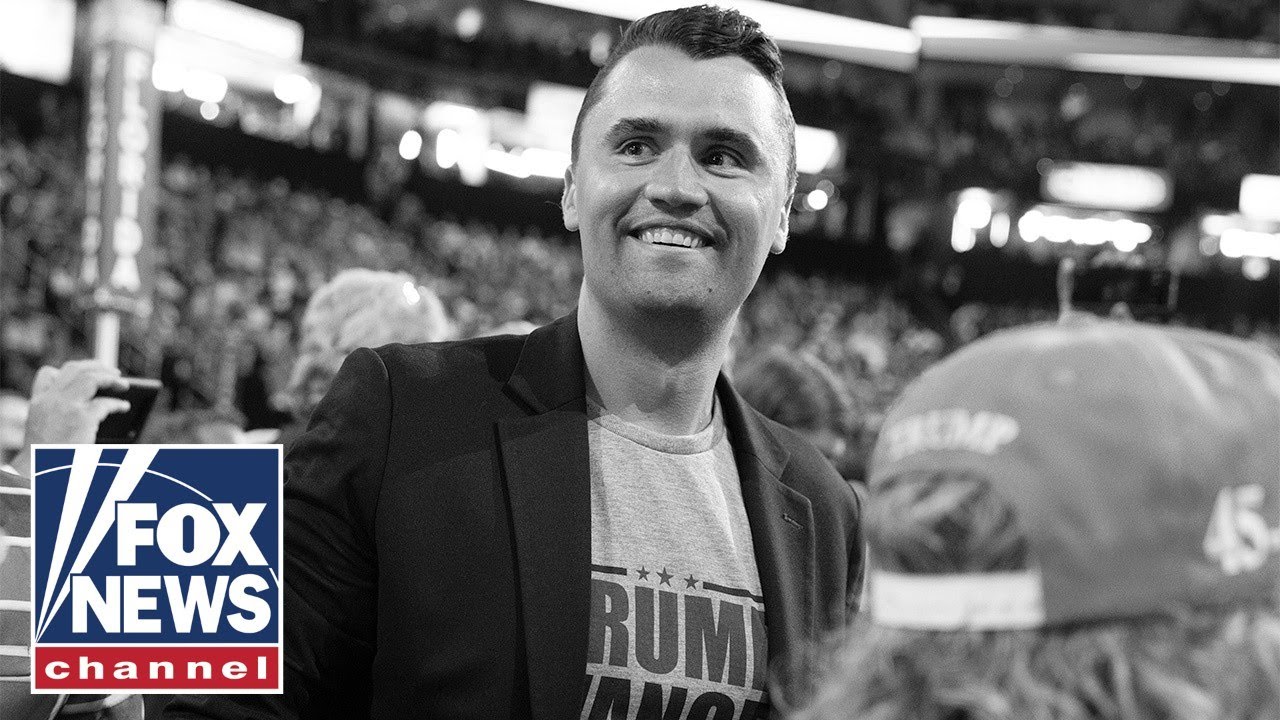
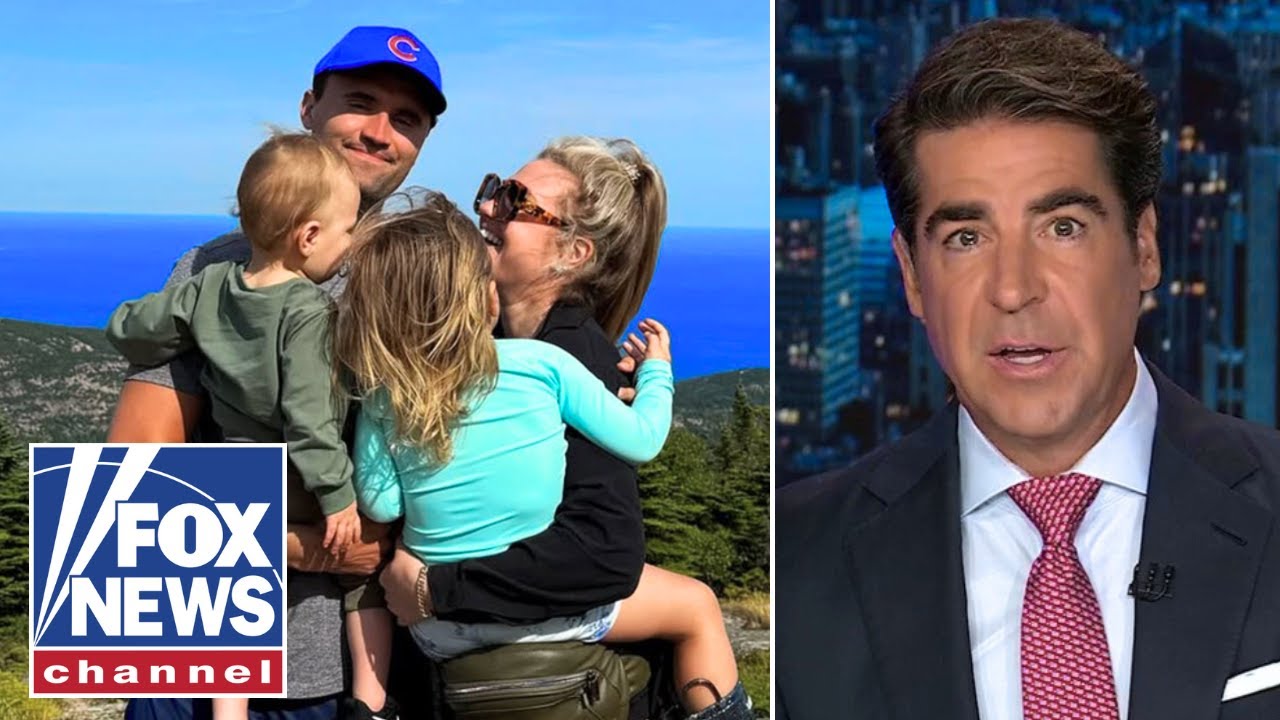
Katie Pavlich Remembers Charlie Kirk After Assassination: A Friend Who United America and Changed Minds
Enjoying this? Share it with someone who needs to see it.
Up Next
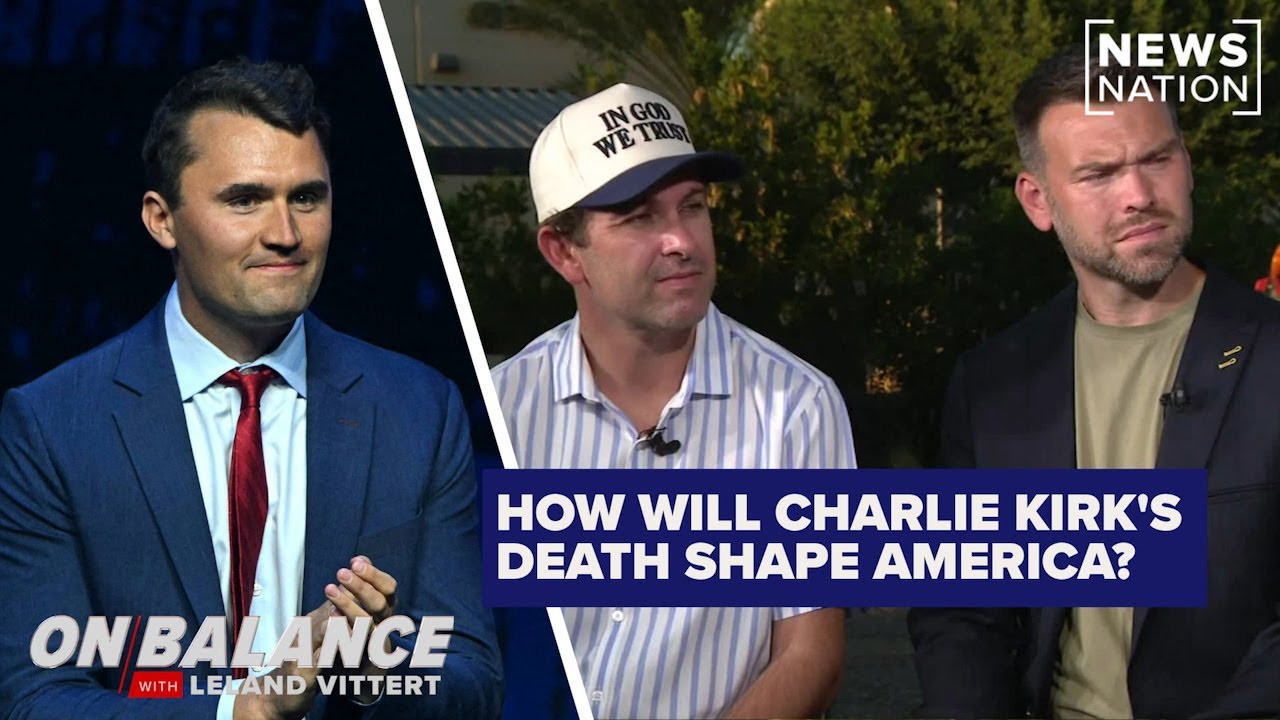
Mikey McCoy Honors Charlie Kirk in First Interview Since Tragic Loss Less Than Week Ago
5:25
Tulsi Gabbard Honors Charlie Kirk After Assassination: A Champion of Freedom Who Lived What He Preached
7:31
Brilyn Hollyhand Remembers Charlie Kirk: The Mentor Who Never Stopped Fighting for America
4:31
Katie Pavlich Remembers Charlie Kirk After Assassination: A Friend Who United America and Changed Minds
Katie Pavlich shares her personal reflections on Charlie Kirk following his tragic assassination. Pavlich, who knew Kirk since 2013, recounts their friendship from his early days launching Turning Point USA to his final months working closely with President Trump. She emphasizes that Kirk didn't die in an accident but was assassinated for changing minds on college campuses and defending American principles. Pavlich calls his death a historic moment and urges Americans to continue his work of countering anti-American ideology among young people, refusing to live in fear.
Katie Pavlich, Fox News contributor, opened up about her friendship with Charlie Kirk following his assassination. The two had known each other since 2013, when Kirk first reached out as he was launching Turning Point USA. Pavlich was also starting her career at the time, and her parents were among Kirk's first grassroots supporters. Throughout their friendship, Kirk consistently asked about Pavlich's parents and maintained those personal connections that defined his character.
"Charlie was my friend, and he was friends with a lot of people," Pavlich said. "And it's difficult to say goodbye to someone who was taken too soon."
The Last Meeting in March
Pavlich last saw Kirk in March at Black Lives Matter Plaza during its dismantling—a moment Kirk considered a great day. He had been at the White House for multiple meetings with President Trump and cabinet members, relationships that proved instrumental in getting Trump reelected. Kirk's close ties to the administration reflected his growing influence in American politics.
Pavlich watched Kirk grow up in the public eye, from a teenager with a vision to a married father of two beautiful children. She noted how he matured into his role as a leading voice for American conservatism while maintaining the passion that first drove him.
A Death That Demands Recognition
Pavlich made a point that many might overlook in their grief: "I think it's really important to point out that Charlie didn't die tragically in a car accident. He was assassinated. This is a huge historical moment in our history as Americans."
Kirk died doing something fundamentally American—exercising his First Amendment rights. He was speaking, teaching, and engaging with people when his life was taken. The fact that President Trump himself announced Kirk's death speaks to the magnitude of his impact and the connections he had built across the highest levels of American leadership.
A Uniter Who Changed Minds
"He was a uniter, not a divider," Pavlich emphasized. Thousands attended his events in person, while millions followed him online from around the world. But Kirk's real threat to those who opposed him wasn't his platform size—it was his effectiveness at changing minds.
Kirk focused his efforts on college campuses, places many conservatives had written off as lost territory. Students had been taught to view America as fundamentally wicked, a country that cannot be redeemed and must be torn down. Kirk challenged this toxic ideology head-on, making the case that America is worth fighting for, that America represents opportunity, and that its God-given principles can provide anyone willing to work for it everything they want in life.
"He was a threat because he changed people's minds," Pavlich explained. "He switched the ideology, a toxic ideology from anti-American to pro-American to young men and young women."
Standing Against Wicked Forces
Throughout his career, Kirk stood against forces attacking the foundation of the country. He defended American principles at a time when doing so made him a target. His work combating anti-American indoctrination on college campuses represented more than political debate—it was a battle for the hearts and minds of the next generation.
Kirk argued consistently that if you accept America's God-given principles, anything you want in life can be achieved through hard work. This message of hope and opportunity stood in stark contrast to the narratives of victimhood and oppression that dominated many educational institutions.
The Path Forward
Pavlich issued a call to action for those mourning Kirk's death: "We have to continue that work for the sake of his family, his legacy and for the sake of our country."
She addressed the fear that naturally follows such a tragedy: "Do we speak publicly? Of course we do. We can't live in fear and we have to do what Donald Trump did when he got up and he said fight, fight, fight. Fight for this country. It's important."
The work Kirk started—changing minds on college campuses, defending American principles, and offering young people an alternative to anti-American ideology—must continue. His assassination, rather than silencing his message, has created a historic moment that demands Americans remember his legacy and refuse to be intimidated into silence.
Pavlich's tribute serves as both a remembrance of a friend taken too soon and a rallying cry for those who shared Kirk's vision of America as a force for good, a land of opportunity, and a nation worth defending.