Up Next

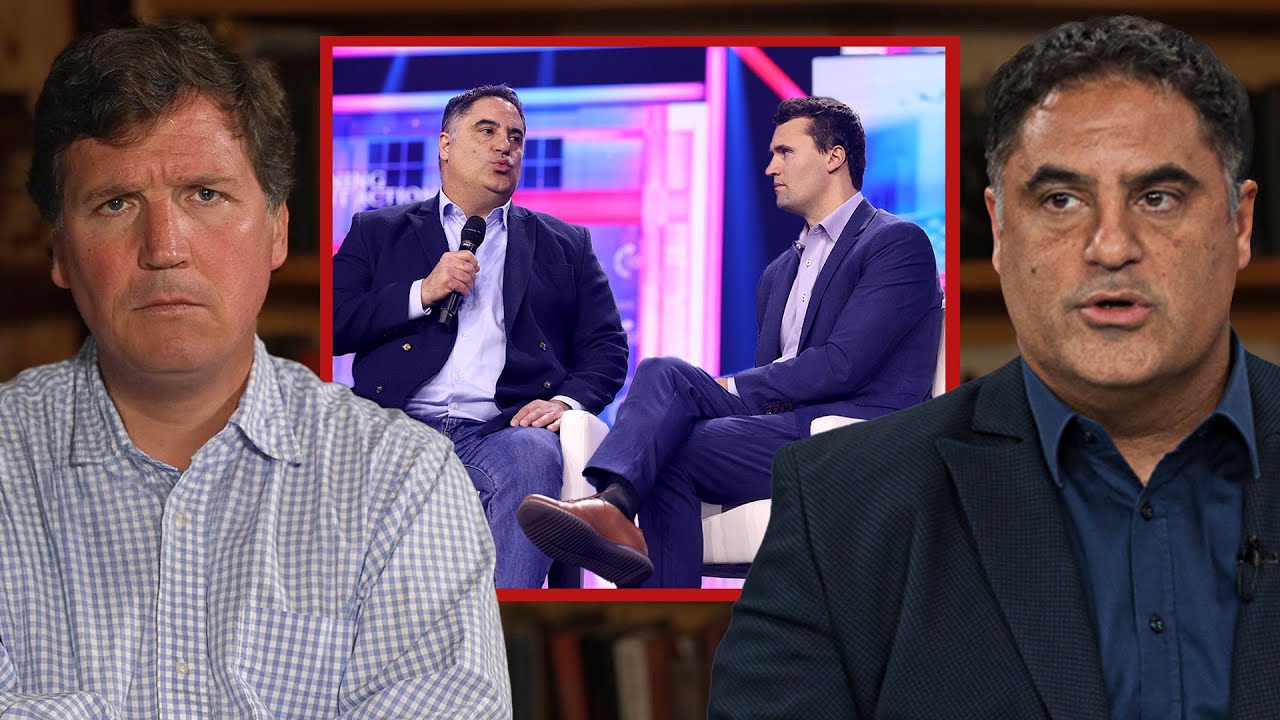
Charlie Kirk Targeted at UC Davis as Campus Protests Escalate and Michael Knowles Faces Cancellation at Pittsburgh
11:43

Steven Crowder Returns Change My Mind After Charlie Kirk Assassination Sparks Leftist Political Violence Crisis
1:26:49
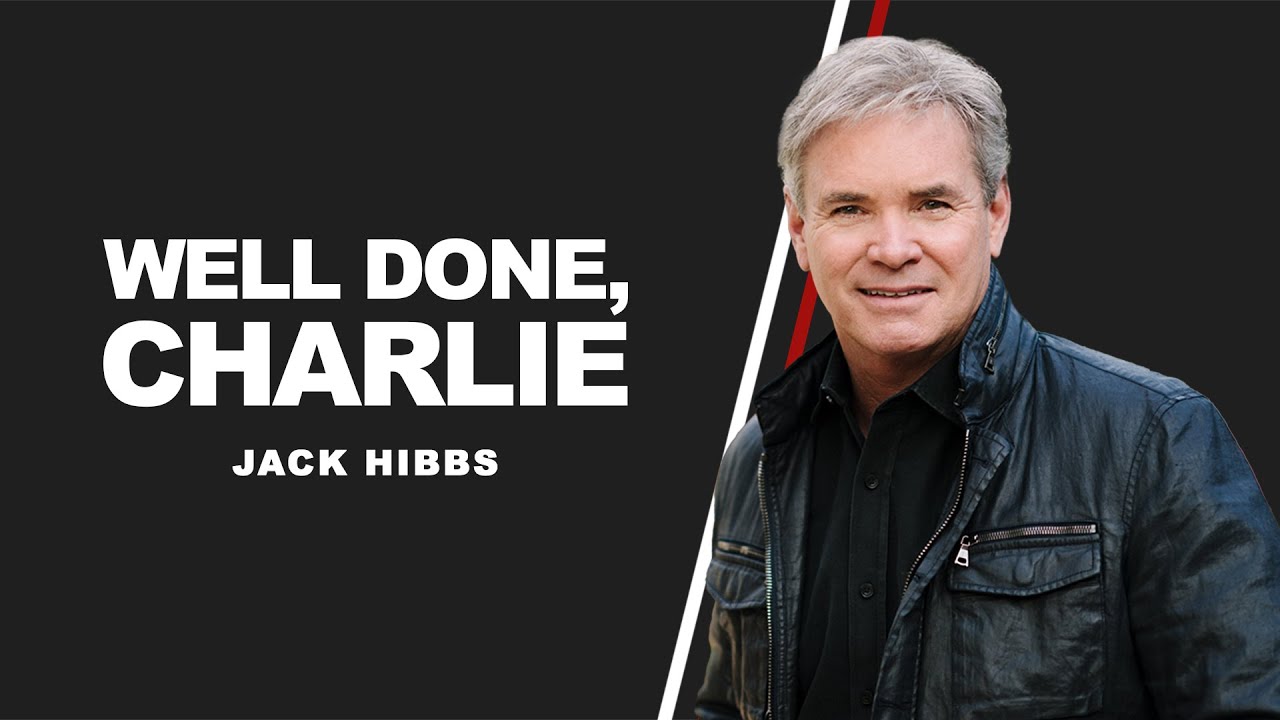
Pastor Jack Hibbs Addresses Charlie Kirk's Assassination and the Legacy of a Modern American Martyr
45:31
Rob Schneider Explains Why He Left Hollywood for Christianity and What He Learned
Rob Schneider sat down with Frank Turek to share his journey from Saturday Night Live and major motion pictures to becoming a Christian in an industry increasingly hostile to the Gospel. Schneider discusses the hollow promises of fame and fortune, the psychological challenges of comedy, how brave voices like Charlie Kirk inspired him to speak up, and why he believes America is the last hope for Western civilization. From his early days in San Francisco comedy clubs to standing alongside Turek at UC Berkeley amid Antifa riots, Schneider pulls back the curtain on what it's like to choose faith over career in Hollywood. He also reveals surprising insights about the Shroud of Turin, the importance of free speech, and how comedy can convey truth better than a straightforward lecture.
From Bay Area Comedy Clubs to Saturday Night Live
Rob Schneider's path to comedy started in an unusual place—his father's comedy album collection and his Filipino mother's beautiful timing, even when she didn't quite understand the jokes. Growing up as the youngest of five children, Schneider discovered early that making people laugh, especially his father, brought pure joy. His father would laugh so hard at his own jokes that everyone around him would laugh too, even if the punchline fell flat.
At fifteen, Schneider heard about the Holy City Zoo in San Francisco, where Robin Williams sometimes performed and where anyone could sign up for five minutes of stage time on Monday nights. When he told his father about it, his dad said two words: "Let's go." That simple encouragement launched Schneider's career. By nineteen, he was performing full-time. By twenty, he was on television. Within a few years, Dennis Miller—who discovered Adam Sandler, David Spade, and Schneider—helped bring him to Saturday Night Live.
Schneider describes the psychological cost of stand-up comedy as comparable to skydiving. An Oxford study he participated in found that the neurological activity of a comedian on stage mirrors that of someone jumping out of an airplane. The potential for humiliation runs deep, and early in his career, Schneider bombed on stage so badly he felt like his ears were melting off his face. He remembered the moment deliberately, turning it into an educational experience: he needed to understand what that felt like without letting audiences destroy him, but also without becoming a robot.
The Hollow Promise of Hollywood Fame
Despite the outward success, Schneider found Hollywood empty. The industry operates on a constant cycle of "if only"—if only I work with this director, if only this movie makes this much money, if only I get to do this kind of movie, then I'll arrive. But there's always something more, and none of it fills the void.
Schneider contrasts this with Christianity: "In Christianity you don't achieve it, you receive it." Christ already achieved it; you just have to accept it, repent, and receive grace. This stands in stark opposition to Hollywood's endless self-congratulation. Schneider points out that Hollywood has so many award shows—Oscars, Golden Globes, SAG awards, Directors Guild awards—that it becomes a bottomless pit of self-glorification. Viewership has collapsed; where once 100 million people watched the Academy Awards, now almost no one does, because the ceremony has turned into a bash-America show.
What Hollywood doesn't offer, Schneider found in Christianity: peacefulness, acceptance, and grace. He met born-again Christians in high school at sixteen and was struck by something unusual—they seemed happier than anyone he knew. They weren't under the worldly pressure that consumed everyone else. They didn't need the acceptance, the flattery, the money, or the big home that Schneider thought would bring happiness. They had already arrived at the greatest thing anyone could achieve: salvation. And it was given to them as a gift.
The Cultural Manipulation and the Rise of Woke Ideology
Schneider argues that what's called "progressive" or "woke" today is repackaged Marxism, dressed up in new language but serving the same purpose: to tear down what works. Communism requires a constant enemy because it doesn't work. When the promised utopia fails to materialize, the blame shifts to some external group. Christianity, by contrast, is built on love, acceptance, and forgiveness.
Drawing on the work of James Lindsay and his New Discourses program, Schneider explains that by the 1970s, academia was captured by French intellectuals who repackaged Stalinism and Marxism. They realized the revolution wouldn't happen through the working class because capitalism actually worked—people saw their lives improve. So, they shifted to grievance and envy, targeting academia first, then K-12 education by the 1990s. If you want to change society, you go after the children, just as the Khmer Rouge did in Cambodia, using teenagers whose brains weren't fully developed and who could be easily radicalized.
Schneider witnessed this manipulation firsthand outside UC Berkeley in November, where Antifa protesters rioted to prevent people from attending an event he headlined with Frank Turek. Schneider addressed the crowd inside, thanking Antifa for the "welcome" and pointing out that the protesters outside weren't acting from a place of rationality—they were acting from emotion, and emotion without reason leads to manipulation.
Charlie Kirk's Assassination and the Cost of Truth
Charlie Kirk was assassinated on September 10, 2025. Schneider first met Kirk years earlier when Kirk called him about a television script Schneider was working on. At the time, Schneider didn't think much of the young organizer, but Kirk's concern about the foul language in the script stuck with him. Over time, Schneider came to deeply respect Kirk's work, particularly his defense of the sanctity of human life and free speech on college campuses.
Schneider compares Kirk's role to that of Dr. Martin Luther King Jr., not because their causes were identical, but because both were essential to their times. King fought for people to be judged by the content of their character, not the color of their skin. Kirk saw that Western civilization itself was at a tipping point—if the United States fell to one-party rule, so would the West. Both men gave their lives for truth.
After Kirk's death, Schneider asked himself what compensation God had given him for the loss. His answer: Frank Turek. Schneider describes Turek as a guide, a big brother in Christ, and a blessing that came directly from Kirk's sacrifice. At a recent memorial event for Kirk with his widow, Erika, Schneider asked her how God had compensated her. Drawing on Exodus 22:22, which speaks of God's protection and vengeance for widows and the fatherless, Schneider helped frame her grief in light of God's promises.
Why Comedy Conveys Truth Better Than Lectures
Schneider believes comedy disarms people and plants seeds in ways straightforward lectures cannot. Father Steven Grenell told him that it's not our job to preach, but to plant seeds—and God makes those seeds grow. Trying to pull on a plant to make it grow doesn't work; neither does forcing truth on people.
Comedy allows Schneider to express universal truths in a way that's non-threatening and often more effective. For example, when United Airlines announced that diversity would be the main focus in hiring new pilots, Schneider responded: "I don't know about you, but I'm sick and tired of flying all the time with these white pilots landing safely and on time. Boring." The joke makes the absurdity of prioritizing diversity over competence instantly clear, more powerfully than any anti-DEI lecture could.
Similarly, Schneider spent a year developing a joke about slave reparations in California: paying reparations to people who were never slaves, paid for by people who never owned slaves, in a state that never had slavery. He finally landed on the perfect analogy: it's like paying child support for a child you never had to a woman you never slept with. The joke cuts through the confusing framing and reveals the absurdity immediately.
The Shroud of Turin: Evidence of Resurrection
Schneider is working on a screenplay about the Shroud of Turin, which he believes is the physical receipt of Christ's resurrection. The shroud was tested forty years ago using carbon dating, but the results were skewed because French nuns had repaired the cloth over centuries using an "invisible French weave." The piece tested was from the repair, not the original cloth, which led to a false conclusion that it was a medieval forgery.
Modern radiology has now confirmed the cloth is 2,000 years old. Pollen found on it dates to first-century Israel. The wounds depicted match biblical descriptions of Christ's crucifixion, including details unknown in medieval times: crucifixion through the wrists (not the palms) and through the heel bone, which is the only way to support the body's weight. These details were only confirmed when archaeologists found a 2,000-year-old Roman nail through a heel bone.
Schneider also points to the "embarrassing testimony" principle: the fact that women were the first witnesses to the resurrection. In a culture of "toxic masculinity 2,000 years ago," no one inventing a story would have made women the primary witnesses. The apostles were hiding for fear of the Jews when the women discovered the empty tomb. This suggests the Gospel writers were describing something factual, not fabricating a narrative.
Schneider connects the burst of light at Christ's resurrection to the flash of light that occurs at conception, when sperm and egg unite. "Let there be light. Let there be life." He believes this flash is what left the image on the shroud, imprinted only on the top fibers. "When you know something, you can't unknow it," Schneider says. The shroud is evidence that can no longer be ignored.
The Price of Speaking Truth in Hollywood
Coming out as a Christian and a conservative cost Schneider his Hollywood career. He's received death threats, faced slander and lies, and been denounced publicly. But he insists these sacrifices pale in comparison to what others have given. Every apostle except one was martyred—beheaded, stoned, or crucified upside down—because they witnessed something so extraordinary they couldn't unsee it. They died for something they knew was true, not something they merely believed.
Schneider took his children to the American military cemetery outside Rome and walked among the graves, reading aloud the ages and ranks of the soldiers buried there: nineteen years old, twenty-six, thirty-two. "These guys died for our freedoms," he told his children. "It was blood that was sacrificed for our freedom, and it was blood that was sacrificed for our salvation." He believes children today don't fully grasp what was sacrificed, and that Americans are called to pay whatever price is required to preserve freedom—not just for the United States, but for the world.
Schneider no longer watches the Academy Awards. He recently completed a special for Angel Studios without any swearing or sex jokes, and he was surprised how much easier it was than he expected. He admits there are crutches comedians lean on, but he's learning to let go of things that don't honor Christ. He's had priests tell him that the occasional F-bomb is forgivable, but there are some things that are simply no-go areas, and he's working to stay on board with that.
America as the Last Hope for Western Civilization
Schneider believes America is the beacon of freedom in the world, and if it falls, Western civilization falls with it. He cites Ayaan Hirsi Ali, the Somalian Islam survivor who became a Christian, who believes England and Europe are already lost. She describes the "red-green alliance"—the coalition of leftist students and Islamists that overthrew the Shah in Iran in 1979 and installed the Ayatollahs, who have held power for forty-seven years.
Schneider argues that American foreign policy has repeatedly replaced secular dictators with something worse: Islamic fundamentalists. Saddam Hussein and Yasser Arafat were bad, but they were secular. The Ayatollahs are worse. And now, with uranium enrichment a mile below ground, Iran is the most dangerous regime in the world. Schneider believes God allowed the current administration to take power because the United States had gone too far, and this was the moment to pull back. "We are the Marines. We are the Marshall Plan. There will be no one to save us if we fall."
He's inspired by voices like Charlie Kirk, Peter Boghossian, and Ayaan Hirsi Ali, who see the danger clearly and speak up regardless of the cost. Boghossian, though an atheist, understands that Europe is in hospice and that only drastic course correction can save it. Schneider calls him his "favorite almost-Christian atheist" because Boghossian gets it—he sees the threat of Sharia law and the failure to assimilate.
Free Will, Grace, and the Path Forward
Schneider emphasizes that free will is essential to holiness. Without the ability to choose, there would be no opportunity for virtue. Jesus lets you go only so far, then pulls you back, but He doesn't force you. Schneider struggled with this early in his Christian walk, thinking he needed to do more, preach more, try harder. But Father Grenell reminded him: it's not our job to make the plant grow. It's our job to plant seeds.
Schneider's journey has been messy. He's used bad language, made mistakes, and struggled with the tension between his career and his faith. But he's found peacefulness in surrendering to God's plan. "I said, 'God, whatever you want me to do,'" Schneider recalls. "And the next thing I know, I'm in a room with Frank Turek." He describes that moment at UC Berkeley, standing where Charlie Kirk should have been, and realizing: "Charlie's not here, but I got Frank. This is what's supposed to be."
Schneider believes the grace God offers is the answer to Hollywood's emptiness, the manipulation of woke ideology, and the global tyranny he witnessed during COVID. He's learned that leading by example is more powerful than preaching, that comedy can disarm and plant seeds, and that the sacrifices required to speak truth are nothing compared to what Christ and the apostles gave. "We are called to pay whatever price is required," Schneider says. "And if it's a show business career, so be it. The blessings God has given me—peacefulness, openness, and purpose—are worth infinitely more."
Video Transcript
Communism doesn't work. So what it has to have is constantly an enemy. And that's the difference being Christianity. Christianity the the the supposition is love and acceptance and forgiveness. >> And so you have uh something truly evil which is this Marxism which is western the most decadent westernism. The idea of you have to have an enemy. The we have a perfect society. We're going to have it all. you're going to have all the land and the food and what you ever you want. It's all there for you. And then when it doesn't come, we go, "Well, we we would have it if it wasn't for these guys over here." It is a wrong philosophy, but it's a philosophy that get keeps getting repackaged. And there's they make it some shiny, it's a a new shiny turd. And you know, whether it's called communism, whether it's called socialism, or whether it's repackaged in the form of uh this thing called woke, it's the same thing. Ladies and gentlemen, how does someone go from starring in Saturday Night Live in major motion pictures to actually becoming a Christian? And by the way, what happens in Hollywood when you become a Christian and you come out as a conservative? Do the folks who say they're fighting for inclusion, tolerance, and diversity include you and tolerate you and say, "Well, this guy's diverse. He's in a minority now." Or do they hammer you? And how can actually comedy help people understand truth better quite often than a straightforward lecture? Well, we have somebody that can answer all those questions with us today. Live from Scottdale, Arizona, it is the great Rob Snyder. >> God bless you, brother. >> He brings his own crowd, ladies and gentlemen. >> It is nice to hear that. It's infectious to hear that applause. >> It is, brother. Well, look, we we got to tell people how we got acquainted and and we're going to unpack some of the things that happened when we went to UC Berserkley a little bit later in the program. >> Yes. >> But I got to start with this, Rob, because people are going to they're going to be upset because, you know, sometimes you you use bad words. >> Well, let's challenge people. Let's challenge our listeners, too. I mean I mean yeah I do use bad language and um >> I just remember you remember because you and I are around the same age >> we are >> um I remember the Poseidon adventure and where Jean Hackman was the priest and upside down and he he was hanging on and about to sacrifice himself and he he swore and used bad language as a priest as a man of the cloth and um I would just you know I I would say that I would just ask people to remember that Jesus didn't come for the good people. >> He didn't need it. He came for the people, the sinners. He came for the people who use bad language. He came for the people who sinned. He came for all of us and we all fall short of the glory of God. And um but yeah, I I have to admit that like there are some things I wouldn't do anymore and some things that I do feel um you know the nudging and that's the thing about being a a follower of of Christ and being saved and being um the grace because it is by grace that we um that that we are given the the greatest gift the world has ever known. >> Amen to that. and and that is uh through through grace and through so uh through grace you don't want to do anything as as you said um we don't want to use words and things that that offend our lord however at the same time I think if I can um use a vernacular that can help people and disarm people because that's what I think comedy really is is a is a um it can be and should be there to entertain but also uh to plant seeds needs and it was really beautiful because I was talking to Father Steven Grenell talking to you of course as my new Christian guide um is is that what it's our job because sometimes as as people who you know as you follow the faith and you you go down the path and you think um you could you want to do more than what you're doing like I need you know I can do it I can do it I can try it >> yeah you So what I what was very nice to hear was saying that it isn't our job to um to preach. However, it is our job to plant seeds. And so that's that's a difference because it's more powerful. So if I can put the ideas out and uh and and then the father Steve Grenell said a very um a very powerful thing that that really exemplifies um a great analogy uh which was you it is up to us to plant it plant the seeds however you know and it is up to the uh it's up to God and it's up to the Lord to to to u make that plant grow to see it grow. >> Yes. And you know, and he said, "You ever try to pull on a plant to make it grow?" >> And that really uh made sense to me because I think what we could do is um the most important thing is we how we exemplify and live our life is is an example. And then how we how we lead, how we guide and make sure that we're we're doing it. It's it's difficult. I will say it isn't easy. However, some things happen that um uh like I think Jesus only lets you go so far and then he comes and grabs you. It's very much like um he's just there and there are times he pulls you back. But also it's very important as you exemplified really beautifully in your lectures about free will and without that free will um it would we wouldn't we wouldn't have an opportunity for holiness. we there wouldn't be that and and that is very important that we have that. Um, so it is a for me working in Hollywood, I I think the whole idea of entertainment and what you're seeing is um a manipulation and an indoctrination to something that is um less than holy. And >> I think it can be I mean the beautiful thing about acting and about the um is you have a chance to to you have a chance to express universal truths and sometimes in a painful beautiful way. If you see the beautiful movie Remains of the Day, you see Anthony Hopkins and I forget the lead actress. Um, but did they just they weren't able to consummate their relationship and and really be together because they were in a society that didn't allow them. The English are very um very conscious of the phrase the man does not know his place >> in a cased society and and that's why the they they couldn't live their dreams. That's what what's so beautiful about America is you really can you can but >> none of that means anything if you don't really have faith if you don't have uh that grace from God because I find and I see a lot of people in show business and I feel it and I felt it myself just I'm trying to get to that place and there's that place and then you if I work with this director and if I do this movie and if this movie makes this much money then I get to do this kind of movie then I go to this studio there's always something and something and something but it's always hollow >> because it doesn't really have what Christ offers which is grace which is you are there but you're not there alone and you're not there for yourself. >> Yeah. In Christianity you don't achieve it you receive it. >> Yeah. That's how it's >> been achieved for you already. Yeah. >> It has been for just you for all you have to do is accept it. >> That's right. >> That's a beautiful >> repent and accept it. Yeah. and accept it and repent. And yeah, >> so I um >> it's it's a you know I have to be careful about one toe in, one toe out and make sure that that I don't do things that um you know I had a discussion with uh um two priests and they ganged up on me and they just wanted to make sure that that I'm on board with uh with Christ and make sure that there's some things that you know there are no go areas that I think and um and I know you may disagree with But they said the occasional fbomb is forgivable. And uh and I said, "Wow, thank you for that one." I said, "Don't quote me." But but there are some things that are just no go, and you have to make sure we're on board with that. >> Well, I I I I want to play for the audience what actually happened in that discussion you had with a priest. Here it is. Check this out. Check this out. Here it is. >> My wife, she she said to me, she said, "You need to go see a priest." I said, "Yeah, I know. You need to tell him what you do for a living." I said, "Okay, father. Um, I perform. I'm a performer and I I have a really Tell him what you do. I have a really dirty act." And he said to me, he said, "Well, Robbie, you've got to think about maybe making some changes. You know, do what you feel is right. If you pray about it, I'm sure you'll have the answer." I said, "Yeah, you're right." But it's pretty funny. >> Yeah. Well, Rob, you're either serving the Lord or you're serving the world, and I think you know what the right choice is. Said, "Yeah, I just don't know if I'm going to be able to give as much money to the church now." You know, >> Robert, you've got to make the people laugh. The Lord will forgive you. I've already forgiven you two seconds ago. >> That's brilliant. >> In humor is is the way to go. And of course, you know, an Irish accent for a priest is just more effective. >> Well, you you have just done a complete show for Angel Studios. >> That's right. Without any swearing or sex jokes or anything. And I got to tell you, it was easier than I thought, Frank. You should have told me this years ago. It was good, but I felt a little bit nervous because there are crutches that you hang on to because I will tell you, Frank, the one thing that you >> uh for people who aren't standup comedians, they have to understand that there there is this >> tremendous potential for psychic damage to put yourself uh on stage with the potential for humiliation on a deep level. It is um it it does come at a at a at psychic cost. >> Oh, yeah. >> And and and that psychic cost. I mean, I'll just tell you there was this Oxford study that they wanted to work with me. This is many years ago with um about stand-up comedians and and I I participated in somewhat of it and then I backed out because I said I don't want to know the depths of this and where the stuff comes from and the damage or whatever. But they the one thing that was very interesting that they discovered was putting you know you know you know the the um the little nodes for the measuring brain is that when someone is on stage performing standup it is the same telepathy the same um neuron neurons firing as jumping out of an airplane >> you know literally skydiving. There's like there's that much stimulation happening and it's like is the shoot going to go up you know. >> Right. Right. Is this is this joke going to land? Are they going to be with me? Are they going to hate me? Are they going to boom me? That's there. And for people who've been on stage, I remember when I was a young man first doing standup and I remember one time bombing on stage. And the only way I could describe it best cuz I said, I want to remember this. This is an educational moment. And I remember it really felt, Frank, like my ears were melting off of my face and I went like, "Wow, this is painful." And I said, "Now, I got to remember this." And and I said, "This has to be informative because I can't let this audience or anybody get to me like this, but they still you still have to let it get to you, otherwise you're a zombie or a robot." But there's a certain amount, you said, I'm not going to put that out there. So in that sense you know um you know the need as a performer to express yourself for whatever reason mommy didn't give you attention or whatever that that maybe gets you into the profession but then you become an artist and then you become and then you you want to express things and tell things and it's your version of the truth that hopefully um because I think what all artists do whether they're writers or performers professional speakers we have the ability to have a little bit more time to focus on an issue that we could perhaps enlighten and bring truth to it or at least look at it a little bit farther or deeper than the average person is. And I think like very I was very much influenced by the Italian absurdist which I like to do absurdist humor taking things you know to a to a a logical progression and then to absurdity >> um from a logical rational uh place of uh of truth hopefully. And uh Dario Fo was the Italian absurdist. He 1997 he won the um the the Nobel Prize for literature and he was an absurdist. He he wrote jokes and he wrote but he was a beautiful um a beautiful wonderful uh fabricator and storyteller. Um and he said this which I never lost me. He said you to be an artist you must be an artist in your time about your time to affect those things. And so that is important because you know the it's it's one thing and I respect guys like Jerry Seinfeld who who are beautiful jokesmiths and masters of the form uh but I like to talk about like you know the fact that there are LGBTQ plus rally for Hamas. >> Yeah. Right. Right. you know, and I said, well, you know, they said it was a rally for Hamas, and I go, uh, it was on the roof, you know, like, thank you for your support. Hey, what's down there? You are it's >> I know it's it's it's hard to explain how something could be so absurd that you'd have gays for Hamas. >> Yeah. Who will murder you in a minute? And as a matter of fact, you see it being played out uh you're being reminded of this with the uh Iranian Iranian war that we're in, which I have some thoughts on. um briefly, but the fact was you had the what Ayan Ayan Hersy Ali, the terrific humanitarian and Somalian Islam survivor who's now a Christian. Um God bless her. She is an incredibly brave, incredibly insightful warrior for Christ. Um and uh you know she she could uh could walk you through that that that that tyranny of what um Islam is and what she went through and how anti- um human uh what it was especially anti-women. Uh so it's um you know we have that that opportunity through this and seeing what she calls the red green alliance and in Iran it was the students the university students which teamed up with people Islam until they were able to throw out the shaw >> and the shaw did have a 26 years there and and started to be more and more uh use more secret police and more paranoid and more you know people captured and stuff and that created the fervor and backlash against him with the Sarak, which was the Savak, which was the secret police. Um, not to his benefit or the society's benefit. Um, >> one thing I will say in his defense, and I don't know all the history, but we had uh Bill Federer on, who's a amazing historian a couple of weeks ago talking about Iran. One of the reasons the Sha had secret police is because there's this fundamentalist group within Iran who wanted him executed. Those were the jihadists. Those were the ones that the Ayatollah, the reason the Ayatollah was kicked out of Iran in 1963 was because he tried to execute the Sha, >> right? >> So, so Jimmy Carter then greenlights the Ayatollah to come back into Iran in 1979 and that's where we get 47 years of hostility from. Well, also I mean the thing that's educated me just even recently because in 1953 we had uh you know I knew about that there was a democratically elected u you know leader named Mosedc >> and and then Mosedc cuz you got to understand this also the United States and England made a made a mess of it because England was giving 16% the the British the crown was uh basically they were they were taking the oil out and giving some royalties to Iran. Iran uh and they were giving 16%. And then the Iranian leader, the Mosedc at the time, was a democratically elected leader, said, "Well, can I see um can we get more than 16%." And the the British, as they were want to do, said, "No, we're not. No, 16%. We're doing all the work." And so, um then he said, "Well, can I at least see receipts so that we're getting 16%." And they refused. And then Dean Aterson who's an American atache a diplomat um said very quote after so that they the Iranians kicked out the Brits and nationalized the oil and that's when Dean Naches said the famous statement uh never before has so few lost so much so quickly and that's when they kicked out British the predecessor to British Petroleum and then after that uh so then um they went to Truman and they said you know the the the Brits and said, "Can we, you know, get money to throw out this MOSEDC and, you know, throw have a coup?" And uh Truman said, "No." And then Eisenhower got in and Eisenhower gave a million dollars. And what they did was they get they got one group to go and protest and paid protesters. 1953. >> Yeah. You'll never see that again, will you? >> Yeah. >> Protesters. It didn't work. And then they got two protesters to and they burned down the presidential palace. And then they that Mosedc jumped over the back fence. And then it was 26 years of the Sha. So, you know, something didn't start right there. But what you had is you had um these people. They're not even Iranian is what I just learned is that they they really are I mean, if you look at the the flag, it's in Arabic. And these are Egyptian Mullas who've hijacked this country for 47 years. Yeah. And and how I feel about that the war is that is this is that you know a lot of foreign American foreign policies you go you know these people are bad like Saddam Hussein but he's secular at least you can say you know Arafat bad you know you know murder but like secular and we replace them with something worse these Islamic fundamentalists and it just keeps happening we keep doing it even Nasser in Egypt so this is a repetitive thing the United States happens but however I can't think in any situation of anybody that could come in and be worse than the Ayatollas and the Mullers in Iran. >> Especially Yeah. Especially when they're they have uranium a mile below the ground. You don't need uranium a mile below the ground if it's for just commercial use. If you're just trying to do a reactor, you need to have it a mile below the ground if you're trying to enrich it and you don't want anybody to know. No, these are the most dangerous people in the world. And and I do think like um >> for anyone who who says, you know, no to this war, I would just say to you that it is untenable to have uh Iran and these mullas to have access >> Oh, absolutely. >> Nuclear weapon that could destroy that could kill a hundred thousand people and poison another million in that area. It's untenable and the United States won't allow it. And I will say this, I mean, I believe that God only let the United States go so far and they said, "This this has to this is it." I mean, this what we've talked about before when we've been together. The United States is the beacon of of freedom in the world. This is it. >> I mean, that's one thing Charlie Kirk and I, and I know you must have spoken to him about this, too, is Charlie said, "There will be no Marines landing on our shores to save our butts. There will be no Marshall plan as what the Marshall plan was the United States financial institutions bailing out Germany, bailing out Europe. Um you know there there'll be no Marshall plan for the United States. We are the Marines. We are the Marshall Plan. So it it is um I I liked why I feel like you know this was a godsend this administration. I really really sincerely believe that is that we were only going to go so far. this is it. And I felt like like some of the people who I really respect missed the importance of Charlie and of course because he's so powerful that they're going to just like anybody who has who's a brother in Christ that is powerful the way that that you so eloquently described it in in biblical terms how Christ and the apostles described Satan a murder. a slander, an accuser. Um, and and that's exactly what happened with Charlie and even people that intellectuals that I really really respect and you know comedians who mostly, you know, friends and people that I know like uh the great comedian Dave Chappelle, great or comedian and and a genius, a true genius of his time. even he missed the boat on on um on Charlie and he said in his last special and it was you know sad for me to see that he didn't understand what it was cuz you know there were comparisons uh to Martin Luther King Jr. Dr. Martin Luther King Jr's assassination in Charlie's and he said that's not a he said he was um almost offended by that and I and I I said you're missing it it's different but like Dr. king was there for his people and for all all people to be treated equally regardless of their race, regardless of their skin color. They need to be all judged all of us on the content of our character and that that made the world and made the United States a different place and we've been better because of Dr. King. Charlie on the other hand saw what the potential tip tipping point was was for Western civilization falling if the United States fell. and and and he saw that. And for those of us who were able to to see after COVID and see what what was happening to the United States and how this could be a forever um blue one party system that that was a threat and a threat not just to the United States but for the world because if the if the US goes so goes the western civilization and if we see what's happening in Europe and if we can if we can glean um what is happening we can see the progression of a truly uh evil uh that is happening in Europe. uh there's a destruction in of of churches that is happening daily uh weekly in France and you see the 100,000 Christians murdered in Nigeria and then then you go back and you realize and you can look it up just go to chat GPT you can go to Gac which I prefer and you go what were what were nations that were formerly Christian nations that have been taken over and you go Egypt >> Jordan >> Syria >> Turkey >> Turkey Keep moving all of them. Yeah. >> And and soon, you know, I can't say that the that the United Kingdom I I I refer to the United Kingdom is of all the Islamic countries, I like the United Kingdom the most. >> Of all the Islamic countries, you know, when we were at when we were at Berkeley together, I'm so glad you brought Peter Beosian with you. And I've had Peter on the show a few times. >> Favorite almost Christian atheist. >> Yeah, he's an atheist, but he gets it. And he puts it this way. He thinks Europe is in hospice, Rob. That he thinks that unless they change course right now and stop importing people who will not assimilate and who will try and impose Sharia law on Europe, all of Europe's going to go that way. And he's probably right. By the way, Mark Stein said this 20 years ago. He wrote a book called America Alone. And ladies and gentlemen, if you're going, "Man, I never knew Rob was so up on history and all this," you need to get his book. His book is called You Can Do It: Speak Your Mind America. I read a lot of that book. I haven't read the whole thing yet, but I was learning a lot about history, Rob. I don't know where you learned all this history from, but you're you're well read. >> Well, thank you. I I think we have to look at history and look at uh to to glean where possibly we could go and and what has happened. We have to pick up on it. I mean like Ayanne Hersy Ali and Peter Begoian are both agree and Ayanne Hersy will tell you that um she believes that England and Europe is lost and that the United States really is the last hope. Um so but where do we go from here and how do we we keep this? I will say that I was just at the State Department yesterday. I spent the day there and um >> we're in a good place. I really feel like they're doing um very >> Marco Rubio and this current state department. >> I didn't meet with Marco, but I met with his staff and his people that work underneath him. And these are American very proud people that are love this country deeply and are doing everything in their power to make sure that this country remains safe and this remains a Christian nation. And it really is. Um, and for people who, it's funny because you even go to chat GPT, even Grock, and they'll say it's a secular nation. It is, you know, it's a, it's not meant to, and it's like, no, it's such a disappointment that the the people who um program I I guess I guess it depends on what you mean by a Christian nation. Is it a Christian nation prescriptively? No. You don't have to be a Christian to be an American, right? No, you don't. But was it a cre a Christian nation descriptively? >> And the answer is yes. That's it. All of the founding fathers. Yeah. And and and our our nation presupposes a a a theism that there's a god out there as a supreme judge of the world. That's what our declaration of independence says. We don't require you to be a Christian. Christianity can't do that anyway. It's Islam that tries to require you to be a Muslim. However, Christian principles are throughout our our our three branch system. Uh the founders quoted Deuteronomy the most from any other source that they ever quoted from when they were writing say the Federalist Papers or these other uh papers or or or books that they were writing at the time. There's no question that our country came out of a Christian worldview. As a matter of fact, it's it's funny because that you you mentioned that it's it's because even atheism has even atheists, they long for the divine and they even in their they whether they know it knowingly or not or choose to ignore it there is in the in in the age of enlightenment when they had when capernicus and Galileo uh you know were heretical in their discovery that it was it wasn't the earth it was the center of the solar system but in fact it was the son and that we'd orbited around it. That was heretical. And um Galileo was sent to a German prison and had to recant. Did I I didn't say that the Did I say the sun? I meant I meant the sun could be, but no, it doesn't have to be. >> He actually was put under house arrest. He was in German prison. But >> well, who's put in German? Was it Capernicus that was sent? Okay. >> Uh I don't know. But Galileo actually had uh uh the Pope as a friend and he mocked the Pope. and you're not supposed to do that. And then he's put under house arrest. It was actually, as I understand it, it was actually not necessarily the church that was the real problem. It was the philosophers of the day that thought that the sun went around the earth more so than the church. And he annoyed both the church and the philosophers. And that got him into trouble. >> But the still the philosophers were Christianbased as all scientists were Christian based. Exactly. A great time. However, the what what had to happen at that time which was was that theology was being at that point um was overpowering science and so science at that point separated and so separated um but but it the the theoretically they just they didn't really separate what they did was there was instead of saying God's laws they went the laws of nature they just they still have laws which are based on Christ and on God and Judeo-Christianity, but they just took out the lawgiver, but they still had laws. And where do the laws come from? >> A lawgiver. >> The lawgiver. So, who is that? So, they just they just ignored that. And so, so what happens was you had this development which was separate from theology, but still theologically based and and and ignored. But so you had somebody so if you had somebody who's like a a sociopath and a killer. Um you know theologically we call him evil and uh you know through science they would say sick but I think you call him sick and evil is one and none of the same. So that that you kind of have that. So for for our friend Peter Begoian I would say he's he is in that category but I would say also >> not sick and not sick. What category? >> The category of science. without the lawgiver. >> Yeah. >> But I would say though that there's a deep religiosity to him and there's a deep morality to him which is God-given. >> I mean, >> oh, absolutely. It's written on his heart. Hey, I want to ask you cuz I want I know that our viewers and listeners are going, Rob Schneider brought up in the Bay Area. How do you go from the Bay Area to being a star on Saturday Night Live? you get into movies and then how do you become a Christian? Just start with how you got to where you became an internationally known comedian. How did that happen? How'd you get on Saturday Night Live? >> Well, my my um my dad had comedy albums and so and I was I was the youngest kid. So, the youngest kid either gets too much attention or none. And I was I was the um I got both. I had way too much attention early and then it's like, you know, I used to joke about like I was the fifth kid and by the time I grow up it's like Rob, here's the car keys, here's where the alcohol is, you just do whatever you have to do. We have other kids if you die. And and I I um and so but I I really loved comedy and arts was was something that made me, you know, to get my dad would had most beautiful laugh, a generous laugh. He'd laugh until he couldn't breathe, you know, and and it was just so fun to see him laugh like that and tell it. He would tell a joke, Frank. It was so beautiful. He'd be laughing so hard at him himself telling a joke that we'd be laughing along and then he get to the punchline and it wasn't funny, but we're laughing because he's so beautiful and laughing at his own. It was it was so great. And um you know, one of his jokes that he said was there's a lady flying from New York to uh to to from New York to Los Angeles. And the pilot comes on and says, "I'm very sorry. We are um uh that one of our engines has gone out, but don't worry, we're still in control of the plane and um we still have three other engines, but we will be 1 hour late arriving in Los Angeles." He said, "Oh, why are we going to be an hour late?" And then um you know a little bit later the pilot comes back and says I want to apologize again. We've lost a second engine. Uh but don't worry we're still we still have two engines. We're still in charge of the plane. We're in control of the plane. Uh I apologize but we will be 2 hours late arriving in Los Angeles. He said oh my two hours late. And then a little while later he comes back on and says I have to apologize. We've uh we've lost our third engine but don't worry we can still fly the plane with one engine. However, we will be three hours late arriving in Los Angeles. And then uh and then she says, "Wow, if we lose another engine, we're going to be 4 hours late arriving in Los Angeles." Mildly funny, but he would tell it and he'd be laughing so hard, Frank. It was just so beautiful that you're laughing and it just it's just this moment of pure joy. >> So, was was it part of you wanting to see him laugh that made you funny that you you looked for jokes? You looked for ways to make him laugh. I tried to make him laugh and I my mother she was Filipino so she didn't understand >> jokes I mean because it's it's a very different it's a different culture different language but she had beautiful timing she would laugh beautifully like what does it mean >> and so it was just and I never really fit in Frank because they got Filipinos on this side beautiful food the nicest people when you go to a Filipino person's house they never talk about themselves they say this to you what can I do for you my dear Robert what are you doing so the most beautiful people and then the Jews was great jokes and then Uncle Norm Applebomb who changed his name to Appel, you know, that wasn't >> and uh though uh you had to stand up and tell a joke. Everybody had to go around. So, you knew when you went to Uncle Norm's, you're going to have to tell a joke. So, you better have a good one cuz you want to get that laugh. And so, it was beautiful. And and then um you know, you know, I I I didn't want to do a normal job. And I though I liked history, I didn't think that there was a way to make money at that. You know, >> there isn't. >> And uh >> and I just, you know, I remember like when I was 15 years old, I'd heard I heard from somewhere like one of the uh friend, one of my friends who also like comedy, he said there's a place in San Francisco called the Holy City Zoo, and uh that's where Robin Williams performs sometimes. They said on Monday nights if you sign up they'll let anybody on stage for five minutes. And I told my dad, you know, there's a place called the Holy City Zoo in San Francisco to let anybody go on stage for five minutes if you sign up on Mondays. And he said to me two words, "Let's go." >> All right. >> That was beautiful. And then if I wouldn't have had success, you know, when you're 15, it's weird, you know, because it's like you're like everyone's embarrassed that they're drinking in front of a child, you know, in the audience. So it's it's not comfortable. But by the time I was like, you know, 16, I did a little more. 17, 18, 19. >> Same place. You'd go there Monday nights. >> Yeah. I would I would just and then start to perform. But by then I start to get little gigs here and there. You make 20, 15, you just show up for nothing and just perform. And then by the time I was 19, I was doing it full-time. And then 20, I was on TV. So, I mean, the thing about it is if the arts are this, if um if you're in if you're really having a good time, it's contagious and it's beautiful. just like my dad laughing hard. If you find something really funny, um, and what I would talk about was like cuz I was always looking for humor and humor is is this this beautiful thing. Um, it's it's it's a great description of like um inspiration, inspir, you know, in in in in Latin. And then uh inspire though comes from the Greek and inspire creativity. Inspire it means God's breath. >> Isn't that beautiful? It's not God's whispering, telling you, "Hey, tell this joke, whatever." It's not even a nudge. It's a It's a And you go, "What is that?" So, it's something there that just gives you that that little idea, that little something. And um >> What TV show were you on? What happened? >> Well, I got on this show. It was called Comedy Tonight and it was uh and that led to me getting on um David Letterman show shortly thereafter and then um HBO Young comedian special and the next thing I know I'm like in my early 20s I'm on Saturday Night Live. It was a >> Did Michaels call you up? Like how did that happen? >> Well, there was um I moved to LA. Dennis Miller was a really He's the guy who's really discovered Adam Sandler, David Spade, and me. >> Miller was super witty. I haven't seen him in a while. He's, you know, he did great. I mean, he was conservative before I was. I I I remember thinking like, I don't understand it. Now I get it because you don't um, you know, that there is a culture that that's constantly under attack. And the idea that, you know, progressive, it sounds like a very good term, but what it is is a manipulation and an attack. It's just another way to degrade um, what is working. And that's what I I find it to be was um tolerance in its at its zenith is intolerance. It is an insistence on on on an order that you must obey as opposed to uh some things that are more more common sense and and that are based in common decency and respect. Uh and I found that the the the liberal intelligencia was um well while it's well-intentioned it got um captured by uh the French intellectuals like Michael Fako and the the people of who used uh repackaged uh you know Stalinism Marxism uh for the Chinese revolution and the the Chinese had had two revolutions. There's one in 1949, but there was one in ISO 19 1967 which was the cultural revolution and that was was to attack and destroy everything to get rid of what they called the four olds, you know, culture, tradition, rituals, uh, and and the society itself. And they wanted to get rid of all of it and start over to attack it and really they that communism doesn't work. So what it has to have is constantly an enemy. And that's the difference being Christianity. Christianity the the the supposition is love and acceptance and forgiveness. And so you have uh something truly evil which is this Marxism which is western the most decadent westernism. The idea of you have to have an enemy. The we have a perfect society. We're going to have it all. You're going to have all the land and the food and whatever you want. It's all there for you. And then when it doesn't come we go well we we would have it if it wasn't for these guys over here. >> Oh yeah. Yeah. And you know what we say about that? >> Wrong. Okay. >> So, you have a >> totally wrong philosophy. Yeah, >> it is a wrong philosophy. But it's a philosophy that get keeps getting repackaged and there's they make it some shiny it's a new shiny turd and you know whether it's called communism, whether it's called socialism or whether it's repackaged in the form of uh this thing called woke. It's the same thing. It's a group of grievances and envy for people who are successful and for a society that's successful. Because one of the things the French intellectuals knew and the the communists knew at in in the late60s was the revolution wasn't going to happen through the worker. Why? Because capitalism works. People saw that their lives got better and that their children's lives got better and that this is working. So they what did they have to do? They had to use grievances and envy in another form to try to take down this amazing uh free culture that we have, this society, this American uh tradition uh of freedom. Uh and that was through academia. So by 1970, academia was infiltrated and then they I I guess according to James Lindseay, his beautiful uh incredibly educational uh program called New Discourses, he'll tell you they work in basically 20 years 20-year increments. So by 1990, from 1970 to 1990, academia was was captured and then they started going after K through 12. I mean, if you're going to manipulate, if you're going to change society, why not go through the children? And it's always the children, whether it's the Cime Rouge. You can see like the people that were most likely to do anything that the government told them to do, including killing their own citizens, whether every educated person, every doctor, every lawyer, anybody who was college educated to murder them all. They they chose 15, 16, and 17 year olds because they just their brains aren't fully developed and they will become easily radicalized. And we're seeing some of that now. >> Hey, by the way, this is exactly what you said in your opening comments when we were at UC Berkeley together. Just for those of you that don't know, friends, I was supposed to go to Berkeley with Charlie on November 10th. And of course, Charlie remained in glory. And so Rob and I went, this is the first time Rob and I got to know one another, be one another, or to be with one another at that event. And you came out and said this. Hang on before we play a clip. Jorge, uh, just to give you context, Antifa was outside and they were protesting and they were trying to keep people from coming in the venue. About a thousand got in, right? >> There was a riot outside. >> There was a riot outside. And here is what the great Rob Schneider said right out of the gate when he got up to the microphone. Here it is. >> Well, thank you. I'd like to thank Antifa for the welcoming that they gave me tonight. It was beautiful. I mean, I they didn't have to bring, you know, fireworks, but I appreciate it, you know, because I know that's spending money and um they didn't have to dye their hair pink either for that, but I appreciate it. I am from proudly from the bear the Bay Area. I'm right from right here. I'm your neighbor. I am your neighbor and I love you and I love this. I I love Berkeley and I mean that. I love the history of Berkeley and I believe that what is happening now I think is a blip and it is a intolerant blip and and I and as hopeful I have this whole speech thing I'm going to talk about and a couple dumb jokes but we are in an age of emotion when historians look back and go what happened and that what was that all about and it was because if we give into our emotions and that desire Then we can if you give into those desires and those passions, if you use that before your sense of reason and rationality and logic, then you can be manipulated like the people outside this building right now. They're coming not from a place of of rationality. They're coming from a place of emotion. Rob, this is the greatest country in the world with the most freedoms, the most prosperity. And yet we had people outside there who were completely emotional. You couldn't reason with them. Why have we come to this point in our culture that you actually have people protesting the greatest country in the world? Sure, it's not perfect. You can protest some things, but they appear to be pro protesting freedom >> without reason. >> It is a manipulation. we have uh and and I don't mean to blame blame women and and when I say the feminization of uh our society it it it seems uh like it's an attack on women and I would just say to like you know how uh where in the Bible you know you have Eve gets blamed for taking the apple from the snake however there was a snake in the garden >> right >> and Adam should have killed it you know why you know why he cuz he was on his phone. He was distracted. He He was busy doing something else, counting. >> And then he immediately threw Eve under the bus. He said, "God, the woman you gave me did this." Look, >> I I was listening. I was listening. I didn't I didn't know of where the came from. So, um I I didn't I didn't know a snake could talk. But we we have is you have a people that can be manipulated through their emotions and then you're seeing it. Uh we're we're seeing a um uh a people who are um who aren't acting from a place of their best interest and also from a place of of logic and ration rationale. When you appeal to them and you appeal you have to take the emotion out of it. You have to have a you have to have the ability to have discourse and debate. What we need is they need to hear all ideas. And if someone is in an emotional state of just trying to silence other people or or feel so they use the word they're threatened. Your speech is violence. Speech isn't violence. Your speech uh unless you're inciting violence, the idea is is is uh is being propagated falsely that ideas themselves are in essence violent because they are in opposition to >> to their ideas to their ideas. We can't continue with society about that, you know. And I just tell this to people like you don't get smooth from smooth. If you want a cabinet and you want to have a smooth cabinet out there and it's a piece of wood, you know, before you you put the, you know, uh, before you put the paint on it, you're going to have to smooth it down. But you don't get smooth from smooth. You get smooth from rough. And you have to get the two rough ideas. And sometimes, you know, when in creative writing when we write movies or something or television shows, you get the to the good ideas. We we say look look this may be a bad idea um but maybe it'll get us to a good one. A lot of the bad ideas help us get to the good ones. I mean imagine the conversations that were had in the Continental Congress. Imagine the conversations. I mean when James Madison went and by himself and took every book that he could find on every form of government that in the world that had existed historically and he went and looked at all of them. I mean this is an incredible we had incredible people who were very young at that time too and he had discovered that you know this was the greatest form of of government was a republic and that republic it was to giving the responsibility to the people to govern themselves and so as we are governing ourselves we must be able to have discourse we must have conversation and that's what you know Charlie died for Charlie died for the the the idea that when the conversations ends, the violence begins. And and he was a a very sad proof of that. And you know, for for us there that day. And there was one thing when I met you that day, Frank, was that you know, we prayed and it was really powerful because I felt a real kinship from you right away because of our friendship with Charlie and the gift that he was and the gift that he gave to us and how temporary that was. And Charlie was was a spectacularly Christian man. And it's it's embarrassing to admit this, but when I I did not see it when I first heard about him, he was like 28 when I first moved to Arizona and I got called by this guy and and he very much uh now I realize he exemplified Christ's words which he said, you know, those who are not with us or against us, but he also Christ said those who are those who are not against us are with us. And he very much wanted people in his team on his team and as many voices that could be heard because he saw the coming storm and he saw what could happen if we had another administration that would just keep borders open and that was really to me uh disrespectful and godless um in its in its application this this the government of the Biden Harris administration. So anyway, I I said I don't know who this kid is, whatever. and and I said, "But I admired his organization and I thought we're in the right way." And I he said, "What are you working on?" I said, "I'm working on this this TV show." And I sent it to him and you know, I thought he's 28, 29. And it had very foul language and that very uh there was a part that was particularly uh I think you could use the word vile, but it was about a guy who a comedian that got cancelled and blah blah blah. And I I remember um he called me and said, 'You know, I have a real problem with the language, you know. >> Uhhuh. >> And now I understand, you know, and I was able to like say sorry to Erica the other night. Erica, his lovely wife. Um, >> yeah, you just did a nice event with Erica out there in Phoenix, uh, with their organization and, uh, she told me personally, I think I sent it to you, that >> you were beautiful. You pulled together both comedy and honor at the same time and uh, it was a great event for people that support Turning Point. So, thanks for doing that. >> Well, thank you. And and I would say the person who helped me the most was you because I mean I do think the question that I asked Erica was a poignant question that um that you led me down that that road beautifully. Thank you, by the way, Frank, cuz I asked you and you you brought me to Exodus 22:22, which is speaks of God's protection of a people that he loves and his people and the and God's vengeance >> because as much as God loves, God also will has vengeance for those who people that get attacked and those particularly those who are widows and for the fatherless and those are beautiful and also Deuteronomy was it Deuteronomy 19. >> Yeah. Deuteronomy 19 basically says that in old the Old Testament economy in ancient Israel, if you were a false witness and it was found out, say you tried to accuse someone of murder falsely, >> Yeah. >> they would murder you, not murder you, they'd give you capital punishment. >> You got the crime >> or you got the penalty of the crime you were falsely accusing someone else of committing. that would end all of this nonsense, demonic nonsense we're hearing online from Candace Owens and others. >> Well, we we Yeah. Well, you have a real demonic evil that is. And it describes I mean, and you describe it, you know, when when you told me and I read Exodus Exodus 22:22, which is really um you describes God's vengeance. But what we really when you talk about we said earlier about the apostles and what Jesus said about um Satan, you can see a direct correlation. first he said he's a murderer first accuser >> slander a liar slanderer so we've gone down the root road now from the murder of Charlie >> to the lies to the accusations and now we're at the slander point and it all points to the same evil and so I was able to ask though in a in a beautiful healing way was I wanted to ask um because how g you know you you mentioned to me which was really beautiful and I mentioned it to Erica was that the only person who suffered more than Jesus was Jesus's mother. And uh but she had faith. He had faith in the Lord that the Lord had a plan. And she kept that faith and she was compensated by seeing her son rise again and be resurrected. And so, but I asked Erica about I said, "How has God compensated you?" And um because God does he compensates us in our pain always. We have to look for it. And she and she has blessings and her beautiful children and the love and support and prayers for all of us who who love Charlie and love Erica. And um I had to ask myself after that the next day I said, "Well, what is my what is my compensation?" And uh I I the answer was you. >> Oh, thanks, brother. >> I came to this this friend in Christ who's been my guide, who was Charlie's guide. And that's like I got to tell you, you've been a blessing to me and been a real big brother to me even though I'm older than you. And uh >> No, I'm older than you. >> I don't think so. You look >> I'm 64, bro. You're like 62. >> I'm a baby. You're a baby. You're just a kid. >> Yeah. Well, it's it's been beautiful. And I and I I've been um I've been blessed by that. And it's it's it's strange because what Hollywood does and you could see it in the you know, I don't watch Academy Awards. I don't think most people do anymore. >> There used to be a 100 million people would watch it and you know Barbara Walters would interview you know Sean Connory and Gwell precisely but now no one watches it because it's turned into a um >> bash America show. >> It is and it's it's a shame but Hollywood is about self- glorification. I mean there there are so many award shows. It's not only a there's the SAG actors not only Oscars then there's the Golden Globes and there's the directors award. It's just self- congratulations and it's empty at the end of it. It's just it's it's there's it's a bottomless pit of self- congratulations. >> How did you become a Christian? Was it part of that was part of that bringing you to Christ uh that it was empty? It was hollow. >> I met some born again Christians in high school when I was 16 years old. >> All right. >> And I walked in there and people came up to me with love and they're like, "How are you? And how are you doing?" Very much like in the Filipino side of my family. and they seemed happier than anyone I knew. And I was like, what is it? What do they have? They don't seem to be under this worldly pressure. And that was very powerful to me. And I never forgot that. >> They weren't under the worldly pressure. I like the way you put that. What do you mean by that? >> They didn't seem to need anything that I needed. this acceptance, this uh, you know, to be flattered, my ego, to have to to make money or to buy a big home or be the things that I thought would bring me some happiness, the things that I thought would was something that I needed, the things that are ultimately empty. >> They had something else. They had this grace. They had this acceptance. They had a peacefulness about them because they had already arrived at the greatest thing that you could achieve >> salvation >> and it was given to them as a gift. >> Right? >> And so this thing at um during co was at the same time was working on the script that still that I I want to make about the the the shroud of Turin the actual receipt of Jesus Christ's greatest gift the gift the greatest gift the world has ever known. M >> uh and the shroud has finally has been proven that because it was tested you know 40 years ago and um they didn't when they did the carbon dating they didn't quantify or put into the analysis that that the French nuns of course would try to repair this cloth and do it with love and take years of it this thing called the a French weave and the they called it invisible French weave and so that's where they cut it the lower leftand corner but they cut it in a little chunk and they cut it in three to four pieces and they took it to different labs and the further it went in the further back in time it went from I believe it was 1390 or uh 1370 to 12 something and then I think the earliest as the deeper the cut went into the cloth I think was 1170 and so they said well this must be a middle ages forgery was how did the middle ages forgery happen with reverse negative before photography was built and so what what I realized ized was that there's this beautiful thing that happens and and you know Charlie Kirk was was really when he went to universities talking about the sanctity of human life and that that is not when as soon as conception happens there's another separate DNA there instantaneously >> y >> it isn't still the mother it isn't the father this is this is a life unique >> in the in the universe this beautiful thing but even more so there's a beautiful thing that happens And you can call it some sort of reaction that happens. But what it really is is a burst of light as soon as the human uh the human being it's it's it's soon as the egg and the sperm come together and is this flash of light. >> I've se I've seen that depicted before. It's amazing. Let there be light. Yeah. >> Let there be light. Let there be life. And then this thing that flash and I I I always remembered it from biology and always thought about it. >> And then that is that flash of light is the flash of light when Christ was resurrected. And that's the thing on the cloth. I'm convinced that's what thing on the cloth is at the very very top only in the very top fibers. And it makes >> you're writing a show about this >> a movie based on this beautiful. I mean it is the receipt. This is the actual if you look at it and the way that we can prove that it is that now that it's finally the radiology they've been able to test it it's a 2,000-y old cloth. >> It is. Yeah. And they've also found pollen on it that goes back to first century Israel. Yeah. Yeah. >> Yeah. And so this is you know so now we have the place and we have the date and now you also have the wounds. You have the 40 different wounds that happened from this the the the thorn uh the crown of thorns and then you have the the real evidence is that um if it was 1170 if it was truly 1170 that's when it was a quote forgery even though they have no way that modern science can even repeat it today. Um there is a painting that shows the burn marks which basically four diamond marks three in a row and one higher. That was a painting from I believe the uh 8th century. So that already predates that that there's a painting of the cloth that was being hung up. >> Ah the king would hang up the cloth and somebody made a painting of that. So this predates that that original marking and then if it was a middle you know middle-aged forgery every painting that you saw every sculpture every fresco of Christ um on the cross was through the hand. through the hand and now and and through the feet. And we know that that's that's not the way we they crucified. Now we know it was through the wrists and um and and also the the there was something that was found finally that was 2,000 years old, a nail from the Roman age, 2,000 years old, and a heel bone because that was the only way to get the body. And that's the the fact of that's how Christ was crucified, through the heelbone. and that heel bone, then you could maintain the weight of it. And um and that's the the real crucifixion. And that that both of those facts are are are displayed with blood uh on on the shroud. So it's it's a um it's it is a an artifact of of proof of resurrection of and of Christ. And so this is something that you can't when you know something you can't unknow it. And this is a uh was really powerful and and beautiful and you um that this this did survive as did the the face covering of of the cloth and they all match up. So, you have this thing that now can be proven um as a 2,000-y old cloth with all the biblical uh descriptions of of the torture of Jesus Christ and his crucifixion. And you go, well, you can't unknow that now. And this is a very powerful moment. And then seeing um the global tyranny that happened over uh during CO and the and that really brought me to to the realization and then knowing Charlie. Um >> Rob, what kind of price have you had to pay um in terms of uh coming out as a Christian, coming out as a conservative uh with your career and threats? What's what's happened? Can you articulate some of that because you and I have talked privately about that and share what you want to share. Don't share what you don't want to don't share what you don't want to share. But >> I mean I will say that you know >> I've gotten death threats. I've gotten um I mean the the the career the Hollywood career had end has ended. uh the um I I would say the you know the slander the lies the uh denunciations but they all pale in comparison to like to what you know of course what the people who've you know as Abraham Lincoln described it the last full measure of devotion for our country >> and our nation under God and when you think about like every apostle all of them except for one was was uh martyed. >> They were all killed whether beheaded, stoned, uh crucified upside down. I mean, these were people that they must have experienced something so extraordinary, something so beautiful, something that they could not unsee and unknow, something that filled them with a spirit, the Holy Spirit, that they were willing to die for it. >> That is a powerful, beautiful, >> very powerful. and that >> and they were dying for something they knew was true. Muslims will die for something they think is true, but they don't have the evidence for it. You know, they haven't witnessed any miraculous activity, whereas the apostles of the New Testament witnessed the resurrected Christ. So, they were in a position to know whether it was true or not, and they went to their deaths anyway. And you you can't get better evidence than that unless you were there yourself. And it's talked about >> which was um to me more >> more evidence to it is the fact that it was women that were first. >> Yes. >> Evidence. >> Embarrassing testimony. Yeah. >> Yeah. What I mean especially can you imagine the you know the toxic masculinity of 2,000 years ago? Like if you were writing a story you certainly wouldn't come up with Yeah. Yeah. My my chick's the one who saw it. I mean I came thereafter. No. I was hiding. I was hiding for fear of the Jews. >> Yeah. So that you have um I mean I I think that that is something that they were trying to describe something factual that they had experienced and that's what happened. Um, so I I think as as far as whatever, you know, I I think we are as Americans, we are gifted with this incredible freedom and um it is our responsibility to continue this and it's not just for our country but for the world and we need to um to step up for it and whatever sacrifices we could make. I mean it it pales in comparison. I took my kids um to a uh out into Italy and we were outside of Rome and we went to the American um military cemetery outside Rome and we walked to as many graves as we could and I said, "This guy's 19 years old. This guy was 26. He was a he was a sergeant. This guy was a colonel. He was 32, a lieutenant colonel." Said, "These guys," I said, "they all died for our freedoms." And that's something that I think um I I don't think that the children today can fully grasp what was sacrificed that it was blood that was sacrificed for our freedom and it was blood that was sacrificed for our salvation. It does come at the ultimate cost and I think for us we cannot deny that and and if whatever it costs us it is a price that we are called to pay >> and if it's a show business career or if it's money if it's not I can't afford to you know uh whatever or if I don't get movies anymore I don't make uh you know deuce big little three four five and six I think it's okay but the blessings that God has given me is a peacefulness that I feel and that I I have a chance to um and I have an openness to it. And I said, "God, I'll I'll whatever you want me to do." And the next thing I know, you know, I'm in a room with you and I I swear when I was with you, Frank, in Berkeley, I was like, "Oh, cuz Charlie's not here, but I got Frank." And I said, "This is this is beautiful and this is what's supposed to be." And and that was a real gift. And that's the compensation that um that Christ has has given me in in uh in Charlie's loss. And I think it's a gift from Charlie as well. >> Well, it's a gift for me to know you as well, brother. And we're going to be together here in Charlotte on April 27th. That's the plan anyway. >> Yeah, we're going to do it. >> We're going to do it here. Uh we normally do uh the Bible you never knew on Monday nights up at Freedom House Church in Cornelius. This time, uh Rob is going to join me and we're going to have a good time that night. We'll talk about some of this and uh we'll get some of uh Rob's great insights into uh into the culture. I I got to play this, Rob, because this is one of my favorite clips of yours. >> Okay. >> Um this shows how good comedy can make a point that maybe a straight lecture cannot. Uh several years ago, United Airlines said that they were going to uh make their col their their cockpits more diverse. And here's Rob's short bid on that. Here it is. >> The CEO of United Airlines last month, the CEO, he announced of all the hiring for all the new pilots that are coming up this year, all the hiring for the new pilots, the main focus is going to be diversity. >> What diversity? Not the best pilots you can find. The ones with the most hours of experience. You've done it before. Nope. Diversity. I don't know about you, but I'm sick and tired of flying all the time with these white pilots landing safely and on time. Boring. Now that makes the point better than any anti-dei lecture could. Rob, >> well I think if you you know the audience can can get behind the if the logic is there then the audience can get behind something absurd and it's absurd to begin with. You just have to get it to them in a way that um that they can get it and it's and it's non-threatening to them and >> yeah. Well, it's beautifully done and that's what humor is. It's it's pointing out absurdity, pointed out inongruity to make people laugh and that's what you do so well. I know my the audience is probably wondering like how do you do that? How do you what process do you go through to analyze something and find the absurdity in it to make it a joke? How do you go about doing that? >> I just sometime I'll just linger on it and go what why is that? Why are they doing that? And then I think about it and I I think like then I get to a silly place like for me it the longest joke that I've ever had it literally took a year but it was the idea of slave reparations in California. And I said what is the how how can I explain how crazy that is? And I said well what is it? They want to pay slave reparations to people who were never slaves to be paid for by people who never owned slaves in a state that never had slaves. And I said, 'Okay, that is what the idea is there. And I said, 'Well, you know what? It's kind of like, and it hit me. I was driving and it hit me. It's like have paying child support for a child you never had to a woman you never slept with. >> That's right. That's what it is. Yeah. >> Oh, God. It's like, yeah, that is crazy. But you have to sometimes they could frame something or or say something in a way that's so confusing that they you know the you know the word reparation it's like it it just you get lost in it but it really is it's like you know these people America also fought to free slaves. Do they get anything? >> Right. Yeah. What about all the people that died trying to free slaves? Do their families get anything? >> Yeah we ended it, didn't we? Didn't we have a war to end it? So I I think what it is also it's just another divisive u idea to to further degrade society and as you said so well u all evil is is a degradation of something good and ending slavery was something good and the idea that somehow we need to be punished for doing something good um is a degragation degradation of something um important and good that we did. So, >> you also um have a a joke that you're developing now and people are going to hear this and go, "How could he get away with that?" Um, but maybe you could tell a little bit of this joke. Uh, you told it on Gutfeld maybe a month ago, Rob, >> and it has to do with women and voting. >> Yes. Well, what the idea is to challenge people and get them to um to a place where they maybe wouldn't get to themselves. And the idea was is that the women are being emotionally manipulated into doing things that are against their that that are not only against their best interest but against their safety and they're being manipulated into it. And I go like and I said like what's happening you know in Minneapolis you see um and you see women being um you know that are using their sense of empathy their beautiful empathy which is requiring for raising children this beautiful to get
Related Books
Browse Conservative Books