Samantha Ponder Faces Vicious Backlash After Honoring Charlie Kirk Following His Tragic Death
Enjoying this? Share it with someone who needs to see it.
Up Next
Emily Compagno Exposes Democrats Denying They Compared Trump to Hitler Despite Years of Evidence
8:24
Greg Farrington Remembers Charlie Kirk as Modern-Day Billy Graham to Younger Generation
4:47
Jasmine Ivan's Mission to Bring Turning Point USA Back to UC Irvine After Charlie Kirk's Death
10:21
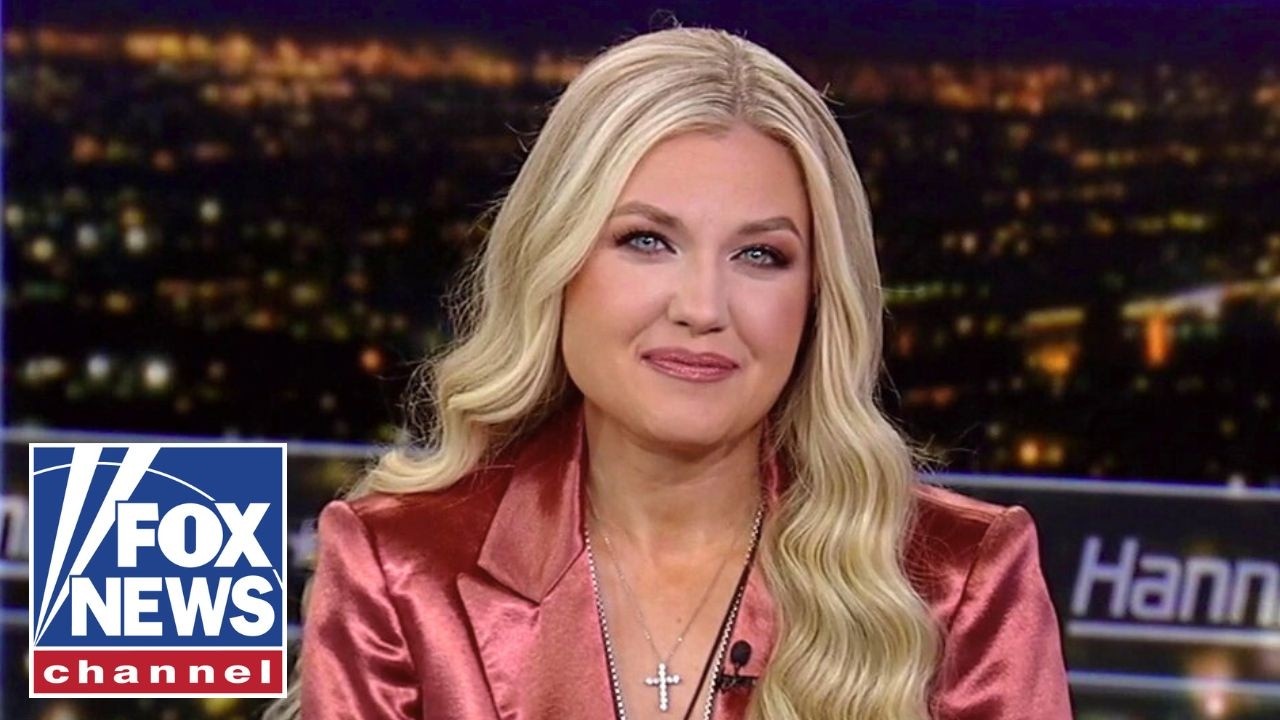
Samantha Ponder Faces Vicious Backlash After Honoring Charlie Kirk Following His Tragic Death
Former ESPN host Samantha Ponder experienced a disturbing wave of hate after posting a heartfelt tribute to Charlie Kirk following his murder. She lost thousands of followers instantly and received vicious messages simply for mourning a husband and father of two. Ponder reveals how social media algorithms are creating two different Americas, with people being fed highly edited clips designed to deceive. She opens up about her own journey from silence to speaking boldly about her faith and values, including her stance on biological men in women's sports that cost her career opportunities. Kirk's assassination has emboldened Ponder to live out her faith more courageously, despite the backlash and risks involved.
Over two weeks after Charlie Kirk's murder, former ESPN sportscaster Samantha Ponder experienced firsthand the disturbing state of public discourse in America. When she posted a heartfelt tribute to Kirk on her social media account, she expected sympathy and understanding. Instead, she received waves of hate for simply mourning a husband, a father of two young children, and a friend who was taken from his family far too soon.
Ponder reposted a video of Kirk's family on vacation, wanting to remind people that behind the television persona was just a dad with little kids. The response was immediate and shocking. She lost thousands of followers within moments, and the messages that flooded in were vicious. While Ponder admits she's used to negative feedback from working in television, this was different. She thought mourning someone who was murdered was something the general public could agree on, but the reaction revealed something deeply troubling about where America stands today.
How Algorithms Create Two Different Americas
The messages Ponder received claimed Kirk was a racist and a bigot, prompting her to do some research. What she discovered was revealing: highly edited video clips taken out of context, designed to make Kirk sound terrible. These short clips were all people were seeing, rather than full debates or complete conversations that would provide proper context.
Ponder doesn't blame the people who felt that way because, as she explains, they are being lied to and tricked by social media algorithms. People aren't sitting down to watch long-form debates with Charlie Kirk. They're only seeing what their algorithm feeds them, creating two entirely different versions of reality. While Ponder saw doctors, nurses, teachers, and mothers laughing about Kirk's murder, those celebrating his death claimed they didn't see anybody mourning. The algorithms had created completely separate information ecosystems.
This phenomenon, Ponder argues, reveals that Americans are living in two different countries, largely because of social media algorithms that keep everyone chronically online and addicted to their feeds.
The Pressure to Stay Silent in Sports Broadcasting
With a 20-year career in sports broadcasting, Ponder understands the intense pressure facing anyone with mainstream conservative viewpoints. There's an unspoken rule: you can't say certain things out loud without facing severe consequences.
Ponder admits she wasn't always bold. In fact, she describes herself as a coward for a long time, keeping her mouth shut despite claiming to be a follower of Christ. She cared too much about public opinion and the money she was making, not wanting to lose her paycheck. Looking back, she can see the cowardice and hypocrisy in how she was living, and she feels genuine shame about that period.
When she finally spoke up about biological men competing in women's sports, the backlash was significant. Yet this should not be a controversial statement in America, especially in sports. Ponder talks to athletes all the time, and she estimates that 99.9% of professional athletes agree that men competing in women's sports is ridiculous. The fact that athletes and broadcasters haven't been able to state this obvious truth boldly, but with kindness and humility, reveals how far public discourse has deteriorated.
It's insane, Ponder argues, that we've reached a point in sports where people can't simply be honest about what's true without being attacked. The basic statement that males shouldn't be in girls' locker rooms should not be career-ending, yet for many in sports broadcasting, it has been.
How Kirk's Assassination Changed Everything
Charlie Kirk's assassination has had a profound impact on Ponder, emboldening her to live more courageously. It serves as a reminder of the legacy of faith she was raised in, where people actually lived out their beliefs and didn't value safety above all else.
Ponder points to the disciples as examples. Their lives didn't end peacefully in old age. Christians are not promised safety, which is a scary reality to confront. But her father, who served as the head coach of the Palestinian National Basketball team, showed her that there will be conflict when you speak the truth.
Living out faith means accepting that there will be backlash and people who disagree. But the conversations must continue. Ponder emphasizes that you don't have to agree with every argument Kirk made—she doesn't even agree with every argument she's made herself. The point is that people need to get out in the public square and have real conversations with real people they disagree with, creating space for understanding.
That approach cannot die with Charlie Kirk. Ponder sees people being emboldened to speak up in the public square, and she believes that is an incredible legacy Kirk has left behind. His willingness to engage, to debate, to speak truth even when it was unpopular, has inspired countless others to do the same, despite the very real risks involved.