Security Breaches and Government Secrecy Raise Questions About Protection of President Trump and National Transparency
Enjoying this? Share it with someone who needs to see it.
Up Next
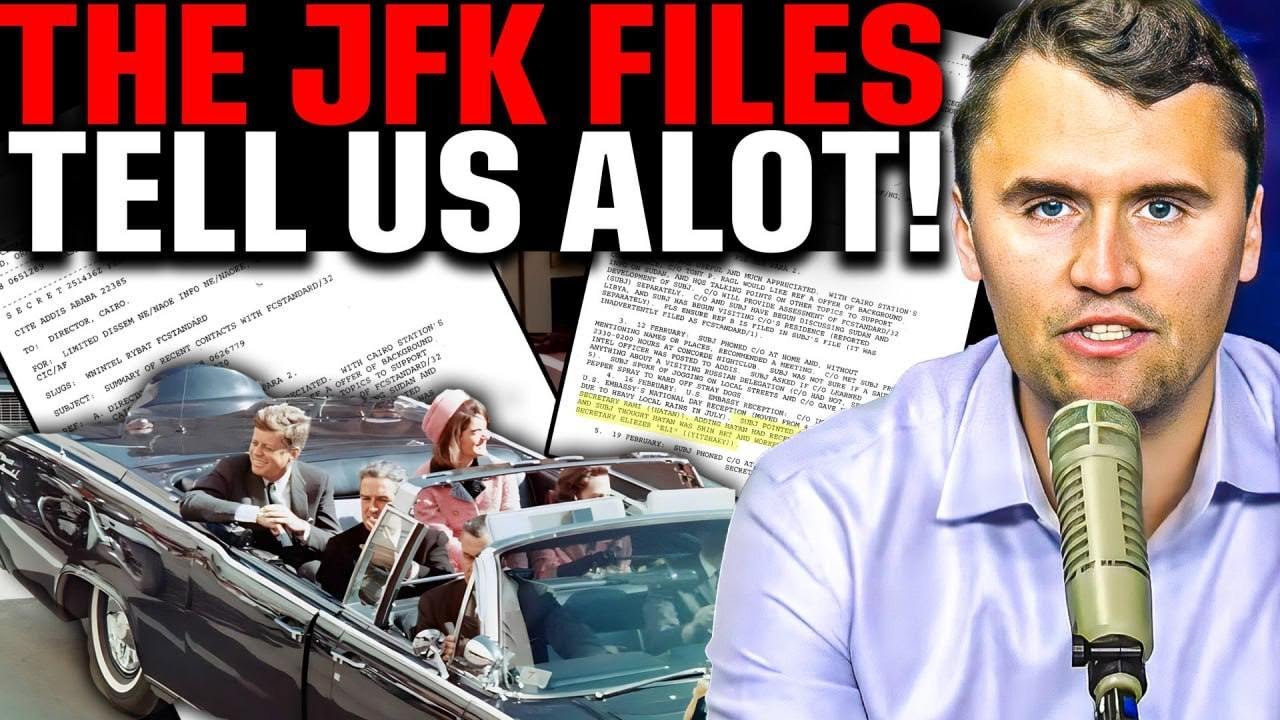
Roger Stone Reveals What JFK Files Really Show About Kennedy Assassination and Deep State Cover-Up
32:39
Inside Job or Incompetence: Analyzing the Inconsistencies in the Trump Assassination Attempt Investigation
22:59
Joe Kent Reveals Disturbing Details About Being Blocked From Investigating Charlie Kirk's Murder
15:29
Security Breaches and Government Secrecy Raise Questions About Protection of President Trump and National Transparency
A discussion examining troubling security incidents involving President Trump, from alleged surveillance devices found on Secret Service vehicles to protesters gaining advance knowledge of presidential movements. Tucker Carlson and Joe Kent explore whether these breaches represent incompetence, coercion, or something more concerning. Drawing on intelligence analysis expertise, the discussion also addresses the government's resistance to transparency, particularly regarding the JFK assassination files and the Butler assassination attempt investigation, revealing how bureaucratic stonewalling perpetuates public distrust and enables conspiracy theories to flourish in the absence of truth.
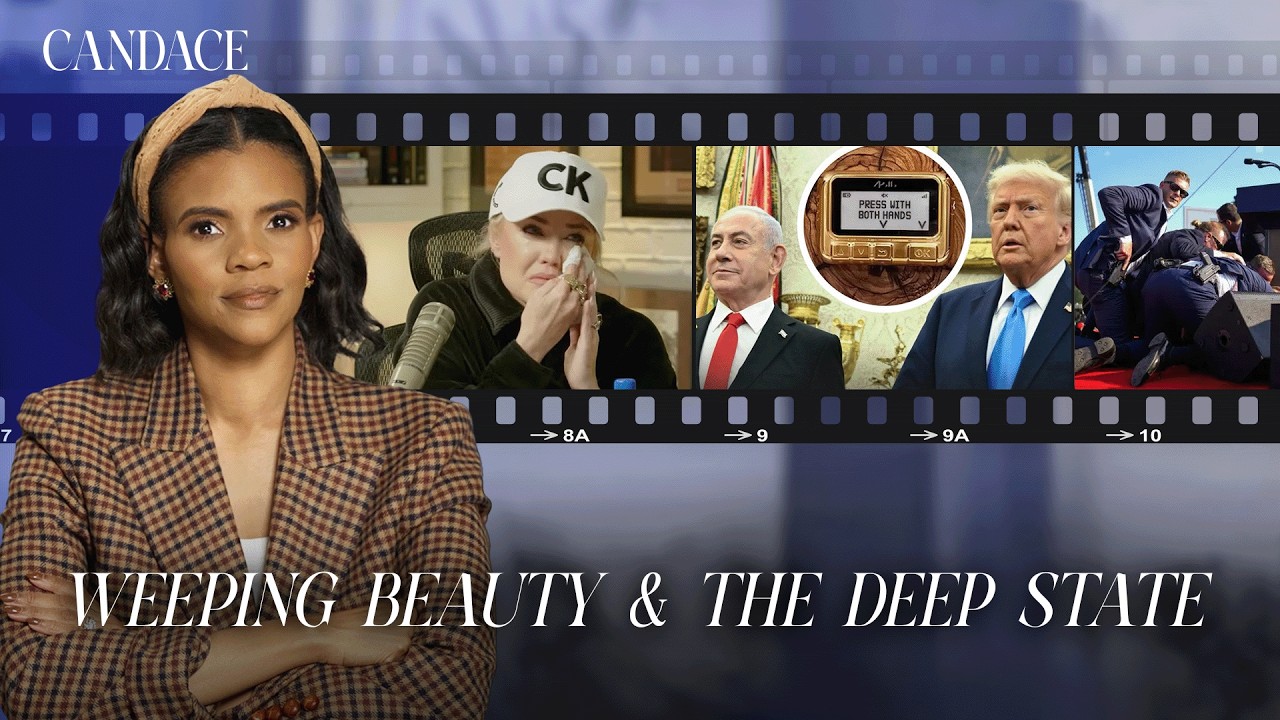
Reports have emerged of Prime Minister Netanyahu's security detail being caught twice by Secret Service allegedly attaching devices to the president's Secret Service emergency response vehicle. While the veracity of these claims remains unconfirmed, the incidents raise serious questions about the integrity of presidential security protocols.
Further concerns arise from an incident where the president, vice president, and several cabinet members went to dinner in Washington D.C., and Code Pink protesters had advance knowledge of the location. The protesters managed to rent a table at the restaurant, requiring them to know the location ahead of time and coordinate with the establishment. While the protesters themselves posed no serious threat, the incident demonstrates a troubling intelligence leak. As one expert noted, this represents a "soft flex" - a demonstration that adversaries can reach the president whenever they choose.
Weeks later, an armed off-duty police officer who was not part of the president's detail walked up and shook the president's hand. While the officer was likely a patriotic American with good intentions, the ease with which he breached security protocols received significant publicity and highlighted ongoing vulnerabilities.
The President's Strategic Intelligence and Family Concerns
President Trump possesses a demonstrated gift for interpreting large sets of data and making strategic decisions based on that analysis. When he observes problems with his security detail, recalls what happened in Butler with previous assassination attempts, and sees what happened with other incidents, it becomes reasonable to consider that he may conclude he has limited options. The concern extends beyond his own safety to the safety of his family members.
While President Trump showed remarkable courage at Butler, demonstrating little concern for his own physical safety, he deeply cares about his large family. If the security apparatus cannot keep him safe, the question naturally arises about the safety of his family members. This creates a potential environment where coercion or intimidation could influence presidential decision-making.
Assessing the Situation Through an Intelligence Lens
When examining this situation as an intelligence professional would analyze events in another country, the data points move from representing a mere possibility to potentially indicating a likelihood of coercion or intimidation. These are not dismissible concerns - they represent something that requires serious investigation. No intelligence analyst presented with this data set would dismiss it altogether.
The question remains whether these concerns are being properly investigated. Evidence suggests they are not receiving the attention they warrant.
The Butler Investigation and FBI Hostility
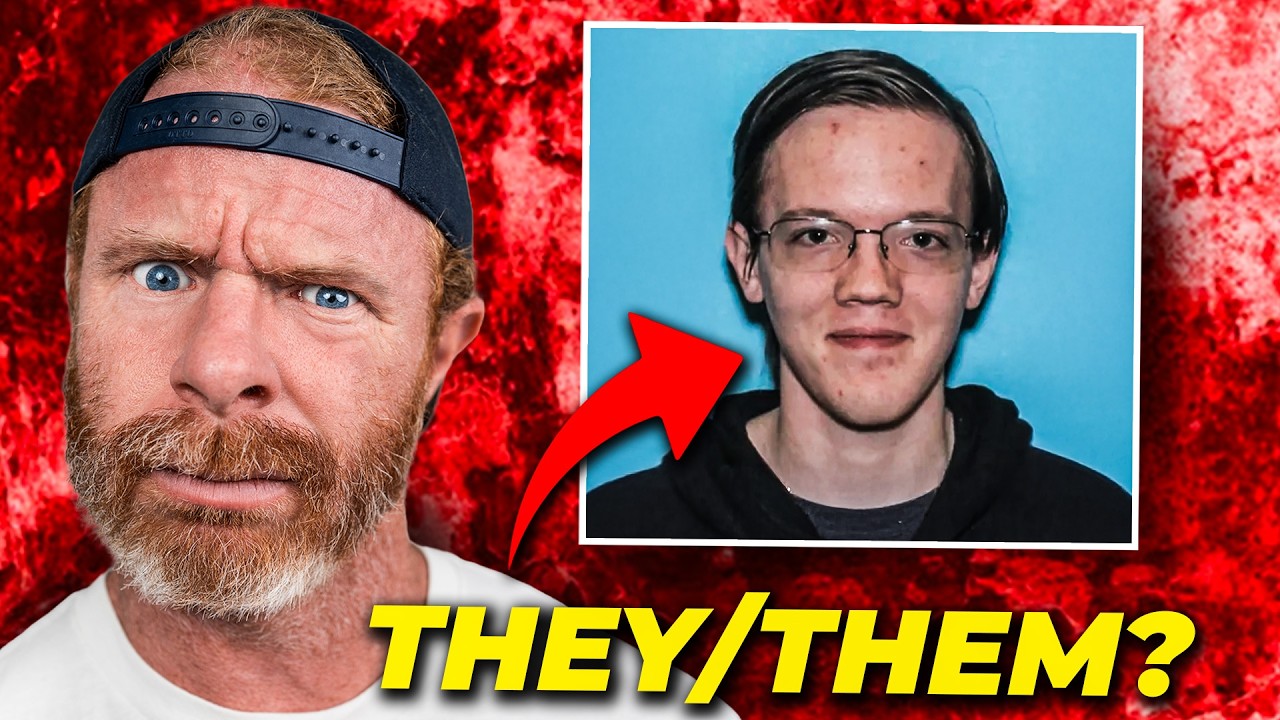
Investigative journalists discovered more information about the Butler shooter, Thomas Crooks, than the entire government apparatus. When journalists released a documentary containing information about Crooks' online activity - activity they were told didn't exist - the response from the FBI was unexpectedly hostile.
This was not a partisan attack. The incident occurred during the previous administration with a different FBI director. The investigation concerned the president of the United States, someone the journalists had campaigned for, voted for, and supported for years. Yet the response received was hysterical - not an overstatement but an accurate characterization of the extreme reaction.
During the investigation, there was aggressive blocking and hostility that exceeded typical bureaucratic rivalry or turf wars. The level of resistance escalated to attempts to have the investigators removed from the case entirely. Even basic questions that any competent investigator would ask were met with stonewalling.
Blocked Lines of Inquiry
When investigators began asking questions about Butler, they expected cooperation, particularly since the incident happened under the Biden administration and would theoretically reflect poorly on that administration's security protocols. Instead, there was no curiosity and no tolerance for pursuing key questions.
Basic investigative questions were shut down: Did the FBI informant who was interacting with Asif Merchant have any communication with anybody in Butler? These are fundamental questions that wouldn't surprise any investigator, yet the response was categorical refusal. Investigators were told the two cases weren't related and couldn't be discussed together. Even when data was found that needed examination, it was blocked.
Officials claimed at the time that the Merchant case was ongoing and they couldn't interfere with it. However, that case has since concluded, yet the information remains withheld.
The Fabricated Rule Against Investigation
A new rule has emerged - or rather, a fake rule - that investigators cannot gather information about anything that might potentially intersect with an ongoing case that's not directly related. When challenged on this, officials claimed cases have been overturned on this basis. However, cases have been overturned on many bases, and this cannot be the new standard because it would make investigating anything impossible.
The current president was the subject of a near-successful assassination attempt. Yet authorities refuse to look into obvious leads or divulge information everyone knows they possess. For example, they have surveillance tape from the shooting range where Thomas Crooks trained. This footage would answer the critical question of whether he was training with somebody, and if so, who. They have that footage and refuse to release it.
How Stonewalling Enables Conspiracy Theories
The result of providing no information on matters where information should obviously exist is that people draw their own conclusions. This is precisely where conspiracy theories originate. These theories are often easy to debunk or make the people proposing them sound irrational, which means the actual question never gets answered.
The tactic works as follows: Authorities remain silent on something obvious that should have information, like footage of Crooks at a shooting range. This is basic police work - obtain the tapes and investigate. When authorities refuse to address the question, people from various corners of the internet start drawing their own conclusions. Given how the internet functions, many of these conclusions will be far off base, made by legitimate conspiracy theorists or bots. Then authorities can dismiss everyone asking questions about the shooting range tape as crazy conspiracy theorists. Attention is diverted away from what is being concealed, everyone focuses on the extreme theories, and anyone asking legitimate questions gets lumped in with the conspiracy theorists.
This represents one of the primary methods that intelligence agencies and federal law enforcement use to influence public opinion, influence elections, shape perception of events, and most importantly, hide their own behavior from the public.
The JFK Files and Executive Authority
On January 23rd, right after the inauguration, the president issued an executive order calling for total declassification and release of all documents relevant to the assassination of President John F. Kennedy in November 1963. The order also covered documents relevant to the assassination investigations of Martin Luther King and Robert F. Kennedy. This wasn't merely a presidential directive - it was law codified in an executive order.
Despite this clear order, the Kennedy documents have not been fully released. Documents from 1963 should not remain classified - the entire situation is an insult to citizens. These events occurred before many Americans were even born, yet they're still told they cannot see the information.
The Bureaucracy's Resistance to Transparency
The justification for keeping classified documents that must under law be released, and that were produced generations ago, likely has little to do with the actual content of the files. The deep state, the system, the machine - whatever term one prefers - isn't hiding something earth-shattering in the Kennedy files. It's not as though assassins wrote down their plans and filed them at the CIA or FBI.
The system doesn't want citizens to become accustomed to rapid declassification. They don't want a president to come in, issue an executive order demanding declassification because the people demand it, and have it happen immediately. They want to condition the public that even when the American people elect a president who lawfully gives an order, there's a process - an interagency process where everyone checks to ensure nothing is still classified or still ongoing, even from 1963 or earlier.
The bureaucracy doesn't want Americans conditioned to expect access to information. While there are times when classification would be appropriate - such as something from last week that might have active security implications - and the American people would understand that, much of this resistance is about power. When the president orders declassification of something from decades ago, the bureaucracy cannot simply comply. Every agency wants their input, their control over the process. This is how career bureaucrats operate. They tell new political appointees that they can't do exactly what was ordered, but they'll work toward something that mostly achieves the goal eventually. Then it all gets killed in process, resulting in no transparency or severely limited transparency.
The game is to prevent conditioning Americans to believe that electing a president can automatically change the bureaucracy.
The Moral Poison of Government Secrecy
The fact that government doesn't have to tell citizens what it's doing, even though citizens pay for it, invalidates the entire concept of consent of the governed. Beyond that, it creates a moral poison at the center of society. Lying is a sin - the core sin. Lies beget more lies, and like cancer, they destroy the body in which they live.
If one cares about the body - this country - if one is from here and hopes to live here and have grandchildren here, this must be fixed. Telling the truth radically is the only path forward. The pain that entails, and it does entail pain, and humiliation, is a much smaller price to pay than the price that will be paid inevitably, and perhaps soon, if action isn't taken. This level of lying is not sustainable in any society.