Up Next

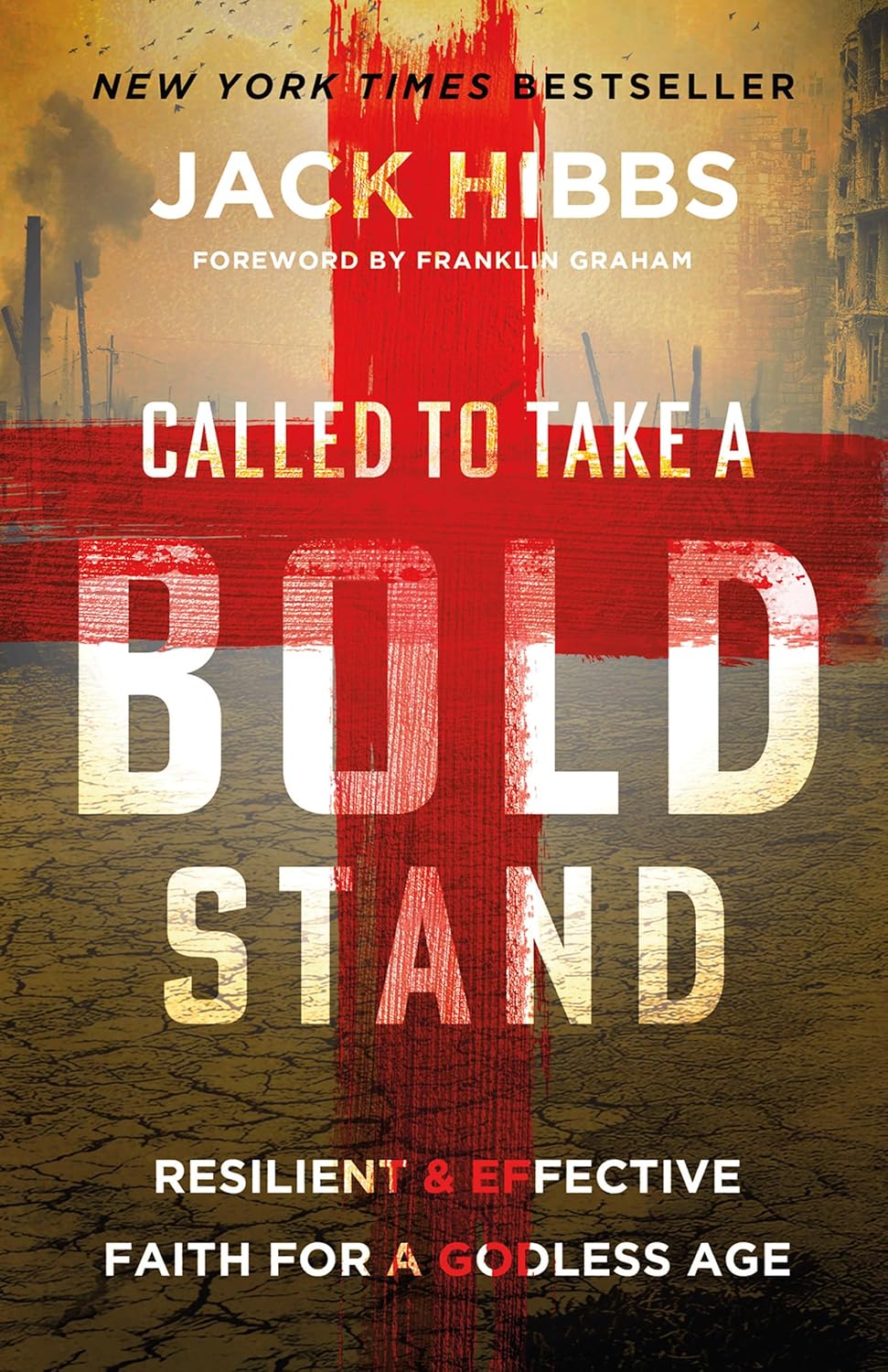
Jack Hibbs Honors Charlie Kirk After Assassination: A Martyr for Truth and Freedom in America
1:04:28

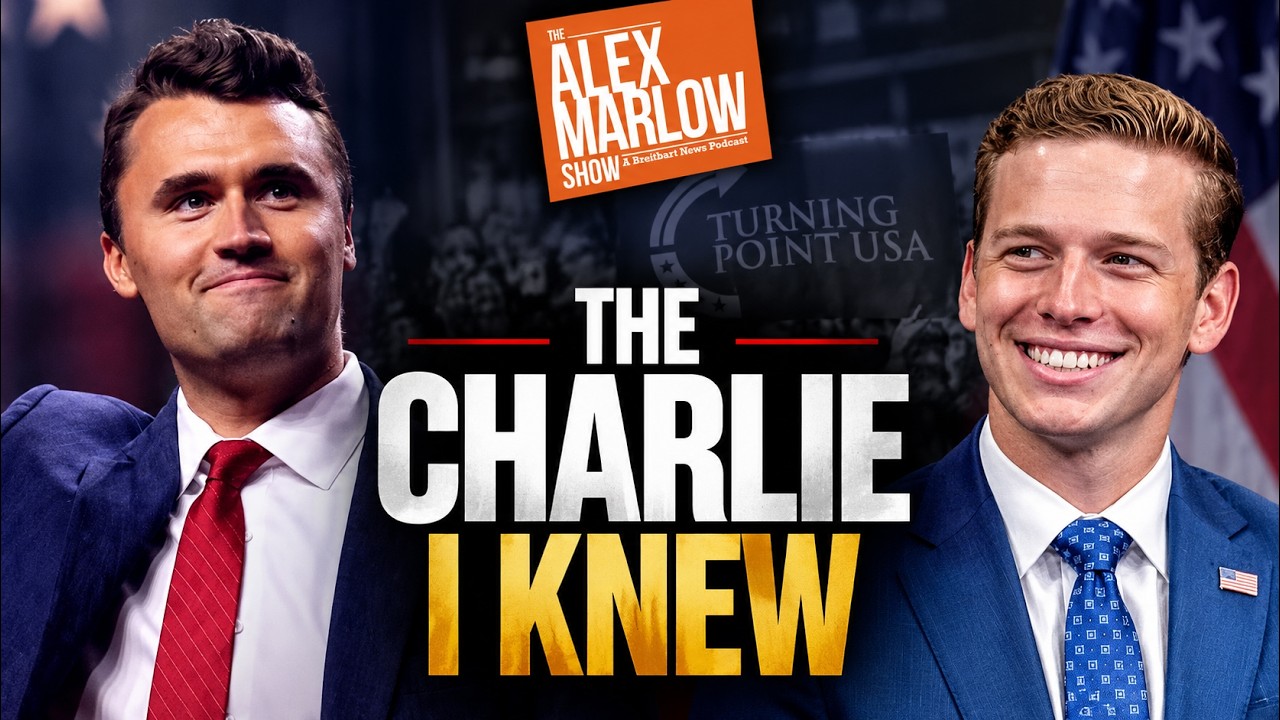
Ben Shapiro and Michael Knowles Share First Impressions of Charlie Kirk and What His Death Means for America
44:02
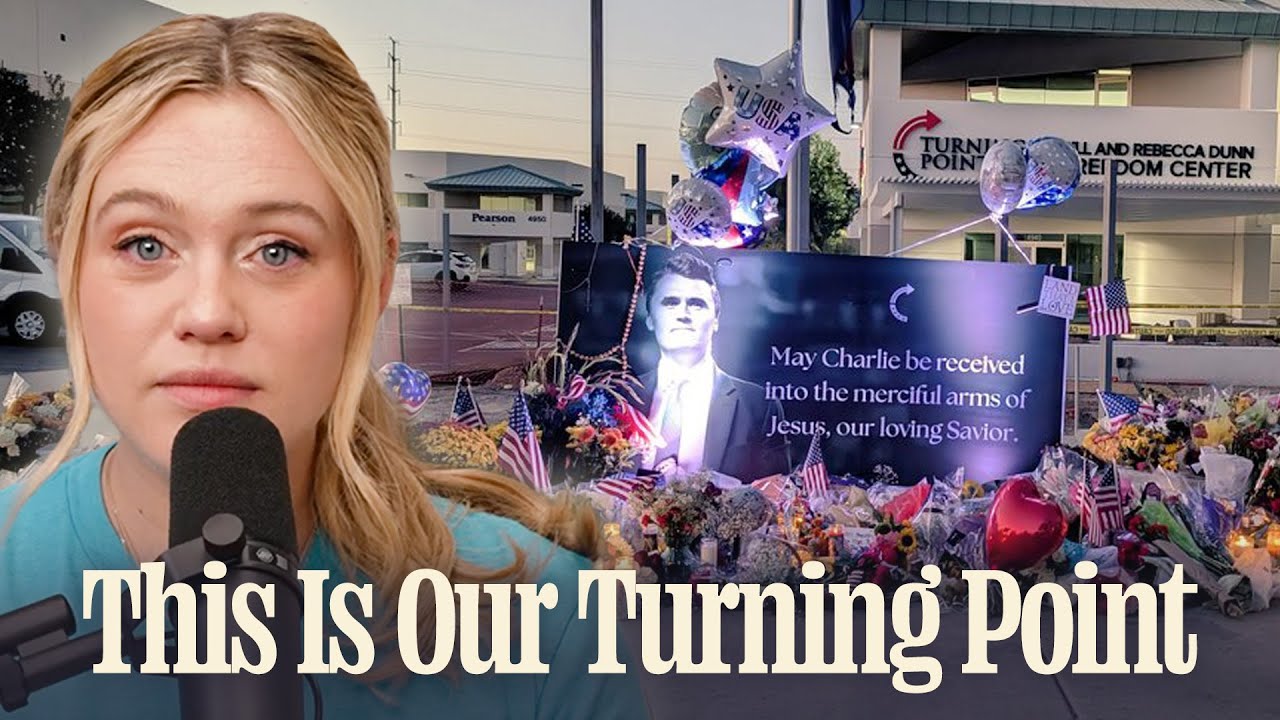
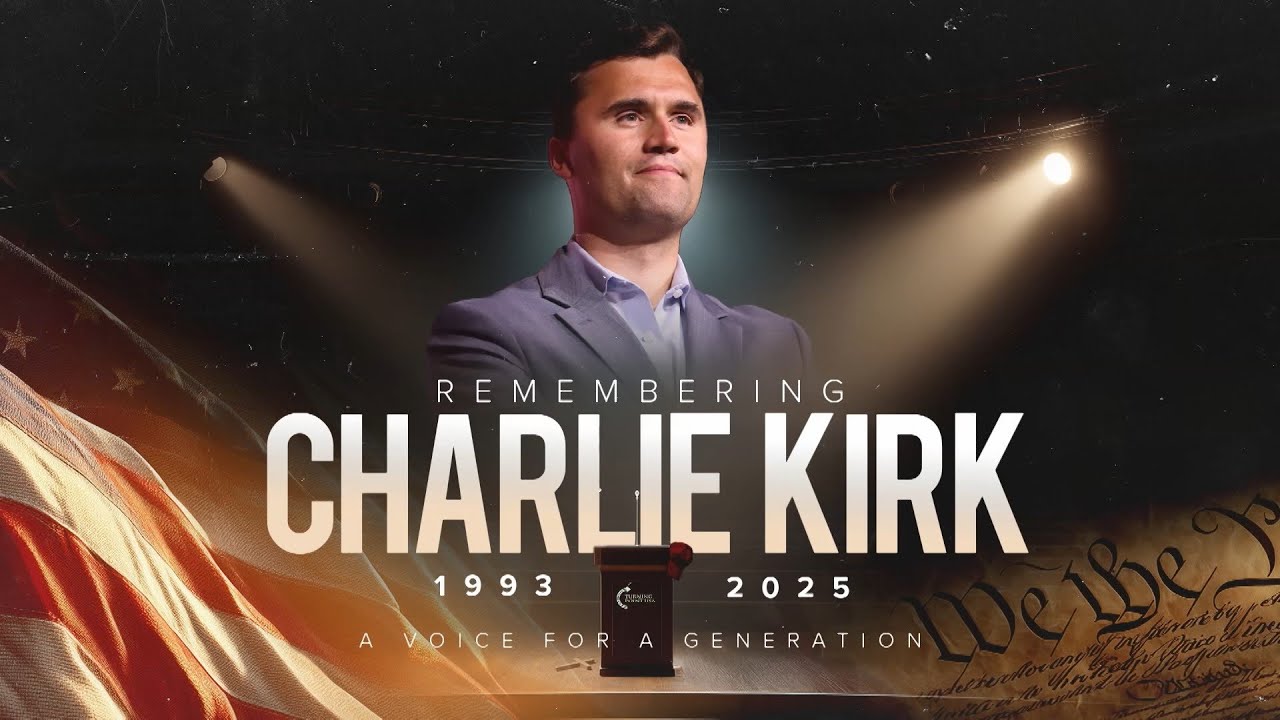
Isabel Brown Honors Charlie Kirk Through Stories of Campus Revival and Global Spiritual Awakening
56:56
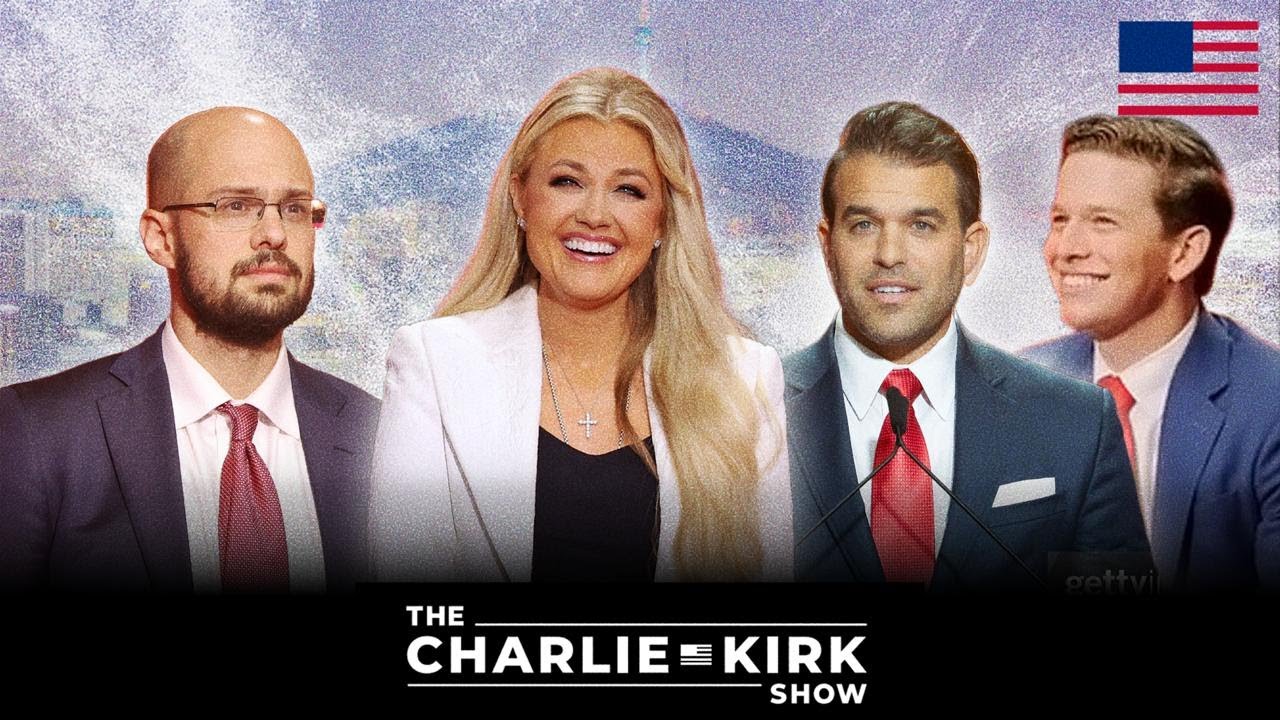
Steve Hilton Honors Charlie Kirk with Pastor Jack Hibbs and Andrew Kolvet After Tragic Assassination
Steve Hilton sits down with Pastor Jack Hibbs and Andrew Kolvet, producer of the Charlie Kirk Show, to remember the life and legacy of Charlie Kirk following his assassination. In deeply personal conversations, they explore Charlie's authentic faith, his entrepreneurial genius in building Turning Point USA, and the movement he inspired. Hibbs reflects on Charlie's unwavering integrity and prophetic voice calling a generation to truth, while Kolvet shares intimate stories from eight years working alongside him. Both believe Charlie's impact will multiply exponentially through the millions he inspired to carry forward his message of freedom, faith, and righteousness.
Remembering Charlie Kirk's Legacy
Steve Hilton opens this special episode by addressing the unthinkable loss of Charlie Kirk, who was assassinated while doing what he loved most—engaging with students on a campus tour. Hilton shares his own process of grieving, describing a moment when he had to retreat to a chair in his bedroom and simply allow himself to cry for hours before continuing his campaign events in Northern California.
What emerges throughout the episode is a portrait of Charlie Kirk that goes far beyond the "conservative commentator" label typically attached to his name. Through conversations with Pastor Jack Hibbs of Calvary Chapel Chino Hills and Andrew Kolvet, the longtime producer of the Charlie Kirk Show, Hilton reveals a man of extraordinary integrity, entrepreneurial brilliance, and authentic faith who touched millions of lives.
Pastor Jack Hibbs on Charlie's Authentic Faith
Pastor Jack Hibbs shares that he's been operating in a state of numbness since Charlie's passing, staying busy with media requests and preparations for the memorial service but knowing he needs time alone to fully process the grief. Despite the pain, Hibbs expresses absolute certainty about where Charlie is now: "Charlie's not resting in peace. Charlie's rejoicing before God."
Hibbs recounts first meeting Charlie around 2018-2019, when mutual friend Rob McCoy suggested Charlie speak at Calvary Chapel Chino Hills instead of McCoy himself. That night marked Charlie's largest Christian audience at the time, and the broadcast resulted in an flood of invitations from pastors across the country asking Charlie to speak at their churches.
What struck Hibbs most about Charlie was his consistency. "From friend to foe, they are all saying the same thing," Hibbs observes. "He was respectful. He was brilliant. He had such an intellect. And yet he was so humble." Hibbs compares Charlie to King George III, who was known for making everyone in his presence feel comfortable, as if they had known each other their entire lives.
Charlie's Daily Practice of Growth and Excellence
Hibbs reveals personal details about Charlie's daily habits that explain his extraordinary productivity. When Hibbs asked how Charlie managed to cover four to five cities per day during the campaign, Charlie responded that he slept "like a rock" for six to eight hours. His secret wasn't superhuman endurance but rather pure joy in his calling.
"When I wake up, I just hit the ground running. I'm so excited to meet the day," Charlie told Hibbs. Even more remarkably, Charlie maintained a daily practice of learning something new that he could record and remember. He also made it a point every single day to move someone a little bit closer to Jesus.
Hibbs emphasizes that Charlie's zeal wasn't seen by Charlie himself as some supernatural achievement. "He was having so much fun in his life doing what he was called to do. And that's the key—to do what you're called to do."
Addressing the Spiritual Questions
As a pastor, Hibbs has been asked repeatedly by media outlets: "How can a good God allow such a thing?" His response redirects the question entirely. "You're asking the wrong question," he tells them. "Why is it that we allow such things in our culture?"
Hibbs explains that the biblical answer begins with the reality that all have sinned and fallen short of God's glory. But God's response to human sin wasn't destruction—it was redemption through Jesus Christ. "He says, 'You're all sinners. Your original mom and dad in the Garden of Eden blew it.' Ever since then, there's been murder and death and war. And yet, I've come back to your world to die on the cross for your sins, to pay the debt that you can't pay so that you can experience the heaven that you could never earn."
Charlie understood this deeply, Hibbs emphasizes. The pastor points to Romans 8:28, one of Charlie's favorite verses: "All things work together for good to those who love God, those who are called according to God's purposes."
The Global Impact Revealed
Hibbs admits he lost sight of just how famous Charlie had become because he knew him so well personally. "I kind of lost the forest because of the trees," he confesses. But after Charlie's death, images poured in from Tel Aviv, the Kennedy Center in Washington DC, London, Sydney, Macau China, Christchurch New Zealand, and around the world.
The numbers tell an astonishing story. One of Charlie's accounts went from 3 million followers to 11 million in just 24 hours, and was still climbing. Turning Point USA received 18,000 chapter applications on the day Charlie was shot. By Sunday morning, there were 35,000 permits pulled to start TPUSA chapters in the United States alone.
"Charlie was big and then Charlie went to heaven and Charlie's bigger now than he ever has been," Hibbs declares. "And I believe that in the next month he's going to be 10 times bigger. This is not about Charlie Kirk. This is about the love of freedom, free speech, about righteousness, about faith, and about the cry of the human heart."
Charlie's Prophetic Voice
Hibbs connects Charlie's message to America's founding principles, particularly the First and Second Amendments. He explains that the founders understood these weren't just legal constructs but reflections of human nature given by God. "You can try to shut man up, but he won't shut up. Man will speak his mind. It's not a law given by man. It is a reality given to us by God. Boom. First Amendment."
Similarly, the Second Amendment recognizes that humans will defend themselves, their families, and their property when threatened. "It's a God-given attribute. Boom. Second Amendment. A right to defend yourself and to bear arms. Charlie understood that."
The California Mission
Both Hilton and Hibbs discuss their shared commitment to transforming California, a mission Charlie was deeply invested in. Hibbs reveals that Charlie had been studying California's voting patterns for the last 30 years and was excited to discover that "California has been turning more conservative" over the last four or five voting cycles.
"Charlie and I were really excited and looking forward to the first of the year to go all out for your campaign, Steve," Hibbs shares, producing text messages where Charlie expressed his enthusiasm for campaigning for Hilton's gubernatorial run. "I love Steve Hilton. I'm going to be campaigning for him."
Hibbs offers a full endorsement of Hilton's campaign, citing his policy understanding on water, fire issues, law enforcement, taxes, and regulations. "You are exactly—you've got the skill set. You've got the policy understanding. You've got the ability to communicate with people across the aisle like I've not seen before."
The pastor believes California will "shock the United States" by turning around in a massive way. He references Erica Kirk's powerful statement at Charlie's memorial: "They have no idea what they've unleashed." Hilton responds that the first evidence of that will be when California flips, and he's determined to "win this for Charlie."
Andrew Kolvet on Eight Years with Charlie
Andrew Kolvet, who produced the Charlie Kirk Show for eight years, shares the intimate perspective of someone who worked alongside Charlie daily. Like Hibbs, Kolvet describes staying busy with preparations for a massive stadium event at Cardinal Stadium in Glendale, Arizona, where the president and vice president will attend Charlie's memorial service.
"We've got a huge stadium event to plan," Kolvet explains. "It's unlike anything we've done before." Yet amid the frantic activity, moments hit him when he can't help but think about the last message he shared with Charlie, the last phone call, and the way it happened.
But Kolvet also experiences "these great moments of just a peace that transcends all understanding." He knows that "God had a plan and I know that God's plan did not end by an assassin's bullet. If anything, for all I know, I'm not God. That was all part of the plan."
Charlie's Uncompromising Integrity
Kolvet shares a powerful story that reveals Charlie's character in private moments. About a week before Charlie's death, they faced an annoying situation with an impediment in their way. Kolvet suggested they could tell a small lie to make the problem disappear—something he's ashamed to admit but was tired and wanted the issue resolved.
Charlie's response came instantly: "We don't lie."
"It was a really powerful thing that I've thought about in the days since," Kolvet reflects, "because we could have. Nobody would have known. Nobody was... It was just me and Charlie. We're a lockbox. I did not share Charlie's secrets. He did not share mine. And it would have made the problem go away. But in the quiet, in the secret, he was a man of integrity that would not lie."
The way Charlie phrased it stuck with Kolvet: "We don't lie. We—if you're on my team, if you're part of this, you—we—I—we don't lie." This wasn't an isolated incident but reflected how Charlie operated with everyone.
Beyond Politics: A Deeper Mission
Kolvet reveals something many people might not know about Charlie: "Truth be told, Charlie was bored by politics." There were months when Kolvet would try to book congressmen on the show and Charlie would respond, "He's good. Like, he's a good guy and all, but like I want to talk about deeper stuff."
Charlie was "infinitely interested and curious about ideas" and wanted guests who could take him two levels deeper—exploring the mysteries of scripture he'd never heard before or new philosophical ways of understanding human nature. "These were the things where he would be like, 'Whoa.' And you know, he could go for hours if he had the right guest."
What really interested Charlie was "what makes humans tick, what makes them happy, what makes them sad, what makes them anxious, and how do you communicate that to a generation."
Charlie as Prophet and Revivalist
Kolvet has come to see Charlie's work in explicitly spiritual terms. "Charlie was a prophet and he was calling on the nation to repent," he tweets. "He was confronting these stubborn lies that had crept so deeply into the culture and he was the one with the courage to say the truth. I mean, it was biblical-style prophecy."
Kolvet draws parallels to Jonah and Nineveh, to Jeremiah, Ezekiel, and Isaiah—prophets who all died for their message. "The analogy is almost perfect," he observes.
Going deeper still, Kolvet realizes: "We called them a campus tour, but it was something more than that. These were tent revivals, Steve. We even had a tent and we put up the tent and the people flocked and they came to hear Charlie dismantle the lies of the zeitgeist of our time."
In the end, Charlie's message was about "how to live, how to be a good person. And he modeled it. He showed us. And that's why I'm finding the—you know, that's the effect that is so powerful and that's why it's just indelible and will be will continue to be so powerful."
The DNA Charlie Passed On
Kolvet emphasizes that Charlie "passed it on to us." The entire Turning Point team absorbed Charlie's DNA day in and day out, learning what Charlie would do in any given situation. When they did the Charlie Kirk Show live on the Friday after his death—less than two days after Charlie passed—Kolvet hosted through tears because "I knew Charlie would have wanted us to do it."
The team joked that if Charlie were the number one news story worldwide, he would have insisted: "We have to stream. We have to stream. Get the stream." So that's what they did.
This same spirit drove the team to plan an unprecedented stadium event in record time. "Everybody's just rising to the occasion because he taught us well," Kolvet explains.
The Andrew Breitbart Connection
A fascinating detail emerges about Charlie's inspiration. Larry Connor once invited Charlie to speak on a CPAC panel honoring Andrew Breitbart, noting that Charlie had never actually met Breitbart, who died in 2012. Charlie's response: "Andrew Breitbart's death inspired me to start Turning Point USA."
Breitbart died in 2012, and Charlie started Turning Point USA in 2012. "It was Andrew's premature death that I think got Charlie to just dive into everything Andrew Breitbart and it just fired him up," Kolvet explains. Charlie absorbed everything about Breitbart and carried his legacy forward.
The parallel is striking. "They say in the church that the blood of the martyrs is the seed of the church," Kolvet observes. "I think it's the same in these types of movements."
Hilton adds a detail: one of the first times Charlie took him to dinner in LA, Charlie brought him to the restaurant Andrew Breitbart used to frequent in Brentwood—in fact, the restaurant Breitbart walked away from the night he died.
Charlie the Entrepreneur
Hilton makes a point of emphasizing an aspect of Charlie's achievement that often gets overlooked: his entrepreneurial genius. "When you see the news and all the rest of it, they describe Charlie as 'conservative commentator' or 'conservative influencer,'" Hilton notes. "Of course he's so much more than that, but there's an aspect that I think is so important which is as an entrepreneur, the fact that he built this incredible organization."
Hilton calls it "one of the great entrepreneurial achievements of our age." Kolvet enthusiastically agrees, revealing it was something he and Charlie had recently discussed. "Charlie's actual best talent, his most natural thing—because Charlie had many talents, he was a five-tool athlete, there's no doubt about it. But three of those tools, he had to work really really hard to become as good as he was. But the natural tool was he was entrepreneurial."
Kolvet believes that if Charlie had wanted to be worth $10 billion at 31, "he would have done it." But Charlie didn't care about personal wealth. "He cared about building a movement and he cared about preaching the truth and building coalitions."
Kolvet witnessed Charlie's business acumen repeatedly: "I watched him on multiple occasions just sit across a table, multiple business people or partners or whatever, and he would draw connections about where the points of leverage were so quickly and he would draw a road map of who should partner with who and how and what the arrangement could be and then he'd be like, 'We can work out the details later.' And they'd be like, 'That's perfect. Agreed.'"
The Investor Presentations
Hilton highlights the investor presentations he attended as evidence of Charlie's extraordinary capabilities. "They're the most impressive presentations I've ever seen," he says, describing two to two-and-a-half-hour sessions where Charlie explained Turning Point's work in detail with accompanying videos.
Kolvet confirms that Charlie "worked really hard at those investor presentations because it was telling our story. It was telling all the things that we were laboring so hard at." The presentations were not only informative but "entertaining" and "a marvel to watch."
"The scope—people probably still don't really understand all the things that Turning Point was doing and the reach," Kolvet adds. "But he was an amazing storyteller, especially in those settings."
The Book Signing Memory
Hilton shares his favorite memory of Charlie, from about a year ago when Charlie was coming to LA for important meetings but had completely lost his voice. Charlie refused to cancel, so Mikey (Charlie's chief of staff) asked Hilton to come speak in Charlie's place so attendees would have something.
Charlie literally couldn't speak, so he communicated by furiously writing on a whiteboard or notepad. The event included a book signing, and Hilton and Charlie sat together at the table. They developed a little banter where Charlie would do the signing and Hilton would pretend to be Charlie's voice, saying things like "Oh, great to see you. Thank you so much."
But what struck Hilton most was watching people approach: "It was just amazing to see in people's eyes as they got nearer what Charlie meant to them. You just feel the magic." Hilton's treasured image is of Charlie sitting right there on his left—"the light in his eyes and that smile. It was just a very special moment."
A Different Kind of Fame
Kolvet shares a story that illustrates Charlie's unique level of fame. Charlie found himself at a dinner with two prominent Fox News personalities—top-tier talent that regular Fox viewers would instantly recognize. Over the course of the evening, about a hundred people approached the table asking for selfies with Charlie.
The punchline? They kept asking the Fox hosts if they would mind taking the picture.
"Charlie meant a lot to people," Kolvet reflects. "It didn't matter if he was in London, didn't matter if he was in Seoul or Tokyo or Iowa."
Charlie's Final Morning
Kolvet reveals that he texted with Charlie just 22 minutes before the assassination. "He was pumped, Steve. The thing he kept talking about all week—he just couldn't wait to get back with the students." It was the first stop of the campus tour, and Charlie was in his element, doing what he loved most.
Kolvet finds comfort in knowing that "Charlie didn't suffer. It was over in an instant." Charlie was simply in his mode, excited and joyful, when he instantly transitioned from this life to the next.
The Movement Multiplied
Both Hibbs and Kolvet believe that Charlie's death, as tragic as it is, will result in his impact multiplying exponentially. Hibbs puts it directly: "Charlie's going to be bigger in death than he would have ever been, I believe, in life."
Kolvet reflects on how many more "Charlies" this event has birthed into the world, just as Andrew Breitbart's death inspired Charlie to start Turning Point USA. The signs are already visible in the massive surge in followers, chapter applications, and the global outpouring of grief and commitment to carry forward Charlie's mission.
"What's happening across the globe is only God—only God could do this," Kolvet says. "And Charlie was God's instrument."
Steve Hilton's Commitment
Throughout his campaign events in Northern California, Hilton has found that all anyone wants to talk about is Charlie. At every meeting, he asks permission to talk about Charlie before his political speech, and "that's really all that anyone wants to hear about actually."
Hilton tells stories about Charlie and finds these gatherings "very difficult but also very strengthening in some ways." Every event ends with everyone in tears, united in grief and admiration for a man who touched so many lives.
Hilton keeps asking himself, "What would Charlie do?" The question guides him as he continues his campaign for California governor—a campaign Charlie was excited to support. Erica Kirk's words at the memorial service resonate with him: "They have no idea what they've unleashed."
"The first evidence of that will be when we flip California," Hilton declares. "That's why I'm so determined to win this for Charlie."
Kolvet offers a blessing to Hilton: "The Bible says that he who receives a prophet receives a prophet's reward, and I just bless you, man. I thank you for always being there for Charlie." He notes that Hilton put Charlie on his Fox show at times when other people wouldn't and always championed what Charlie was building.
As the episode closes, Hilton commits to continuing the fight "for all the good things that we know we want to see in the world"—the very things Charlie lived and died for.
Video Transcript
Here's the deal. Charlie was big and then Charlie went to heaven. And Charlie's bigger now than he ever has been. And I believe that in the next month he's going to be 10 times bigger. This is about the love of freedom, free speech, about righteousness, about faith. Charlie is going to be bigger in death than he would have ever been, I believe, in life. [Music] Hi everyone. Welcome to the Steve Hilton Show. As I um told you last week, uh this is a special about Charlie. And it's very special. Um not much need for an introduction other than to say I'm going to be talking in this show with two people who knew Charlie incredibly well. Um Pastor Jack Hibbs, who's a friend of mine, and Andrew Culver, who's a friend of mine. Andrew, you may have seen the last few days talking about Charlie. He was the producer of the Charlie Kirk show. Um, and here it is, Jack. It's obviously been a nightmare for us, uh, who knew Charlie, but, um, what I've really been inspired by, of course, Erica, um, but you and some of the some of the ways in which you've been, um, guiding our response to this. U I just want to start by asking you right now. This is Monday morning, September the 15th that we're taping this. How are you feeling? Yeah, I was hoping you wouldn't ask me that. I have been so busy, Steve, uh since uh Charlie's passing that I've been able to wrongly, I stress, friends, wrongly mitigate my emotions by how busy my calendar is right now. And Steve, I can honestly tell you that um the first chance I get, I need to I need to get alone. I need to let it out. I haven't had the luxury of letting it all out. And so I'm kind of operating in somewhat of a um I'm realistically, don't get me wrong, I'm a Christian. I and I know exactly where Charlie is, but um I'm I'm kind of numb in a way whereby um I'm reporting on things. I've been asked by outlets, you know, what was my relationship and all. Uh that's what I've been busy about. But Steve, you know very well uh I when we have these times of profound grief, we must always make sure that we get that we get it out. The worst thing we can do is bottle it up. And I'm just waiting for enough. I just I just need like an hour to just kind of vomit out my emotions before God and and and get it out. And I think I'll be okay because again, we know where Charlie is. And um yeah, so we're rejoicing, but we're also very sorrowful because we miss, you know, you and I are missing a friend who has who's who's left a a massive of hole in so many ways. I really appreciate you saying that and I'll just give you my version of that which is it's I completely understand. And um in fact, it was interesting. I I'm I'm trying to recall because of course I'm in very much in the same position. You know, I've been out there and I've been talking and I've been on the road in California doing campaign events and and I can tell you that's been an extraordinary experience because so many people everywhere I'm in the northern part of the state and every single meeting I've asked, you know, before I get into my political speech, I'd like to talk about Charlie if that's okay. And that's really all that anyone wants to hear about actually. Um, and I've just been telling stories about him and and it's and it's been it's been, you know, ve very difficult but also very strengthening in some ways. But I just wanted to to relate to your point about getting it out. It's interesting. I felt that very strongly. Um, I had a I think what day were we talking about? It must be Thursday morning. And uh and I just that's ex I just had to go I had to get out. I went I went to this there's a there's a chair in next to our bedroom. My wife bought me for one of my birthday presents a little armchair to to go and read in um at night if I wanted to read later than she and you know after she'd gone to bed. And so she bought me this chair and I it's a sort of cozy place. Um and I and I just sat in the chair and cried you know. Yeah. And I'd had to just be there for a couple of hours actually. Absolutely. And I got on with it exactly as you said. Yes, it's a must. And and we do we do ourselves no favor by stuffing things away. A lot of people have been conditioned to stuff things away. And spiritually and psychologically, we've got to get stuff out. Grieving is a Listen, grieving is a God-given uh ability to release things. So, we must not shy away from it. So, let's get into um you know, I'd love for you to share with our audience some just some of the things that you've been sharing generally and you know, as as you know, friends just Yeah. I'd love you to talk about how you met Charlie. What you know, just whatever you'd like to say about him, honestly. Yeah. Well, first of all, I'm really delighted to be with you, Steve, because um in most of those uh settings, it's it's not a friendship relationship. It's it's TV or whatever. And here it's you and I, and I love you. And so, um, yeah, you have you noticed, Steve, that when it doesn't matter if you plug into, uh, to any media outlet at this current time, even to podcast, where people are saying, well, this is the Charlie that I knew, or this is the Charlie that I I saw. What I mean by that is there are those who uh didn't like him, like let's say it's a it's a Bill Maher type who had strong criticisms about Charlie, or even some of the pink-haired, purple-haired people. um all the way over to the camp that was very familiar with Charlie. Isn't it amazing, Steve, that everyone has the exact same uh assessment of Charlie, the cons the consistency from friend to foe, they are all saying the same thing. And what a testimony of Charlie's witness and Charlie's stability and Charlie's messaging. He didn't he didn't have to make up the messaging. He lived it. It was organic. It was natural. And everyone's saying the same thing. He was respectful. He was brilliant. He had such a an intellect. And and yet he was so humble. He made you feel a man at 31 years of age. You don't usually get this from from a young kid, but a man who made you feel like when he was speaking to you that he you you've guys known each other all your lives. That's a gift. Very few people I've met in life exude that. And I think I think that ability uh you know King George III which I as an American speaking about our our number one British enemy 250 years ago, it was famous that King George III was reported to be a man who caused all those who met with him to feel comfortable in his presence. This is the monarch of the of the world at the time, King George III. and you could go visit him. Apparently, uh Samuel Johnson talks about how he visited the king and it made him feel like he had always known the king. Charlie was like that. A remarkable trait among so many others. Uh personal uh Charlie did not in any way, shape or form hide his love for this country, his love for Erica and his kids, and his love for God the most. And I've known him a long time, and he was Mr. Consistent, Mr. stable. Yeah, that's right. That's that's right. And one of the things that I've really been struck by exactly as you say, you know, is the same things that are being said by people who knew him and people who didn't know him. Um, and the other thing that's really interesting just watching and I and I'm I'm loving seeing all the tri I can't get get enough of it in a way. I have to tell you, I I really am loving all the tributes. Um and what's really interesting just as you know and the the same things that I feel that you know the things he has done to help me or support me and there are many people he he you know he's much closer to than I am but what was really interesting is so many people the stories that come out of how Charlie helped them encouraged them or did and you think my gosh did he ever sleep because you know like everyone it seems has you know the the encouraging texts or the calls or the help or the practical help or whatever it may be just just the amazing of obviously I don't know just just the scale of of of his love and support um and encouragement for people I love it uh I I'll say something that I don't think has been said yet and you just made me think of it you said something about did he ever asleep I asked Charlie the same thing. How do you cover so much ground? This is during the campaign uh of of Trump. And Charlie was in four to five cities a day on his own. And I said, "Charlie, do you ever sleep?" He said, "I sleep like a baby. I sleep like a rock." And I said, "Um, really? That's amazing." Like what? He goes, "Oh, I'll sleep I'll sleep just six, six, seven, eight hours." I said, "Are you kidding me?" And he said, "No." I go, "How are you how are you doing this?" And he said, "It's actually the the the calling." I said, "I have a calling and I I have it's a joy of my heart." He goes said, "When I wake up," he said, "I I just hit the ground running. I'm so excited to meet the day." Charlie was so enthusiastic to meet every day. Do you you know this, Steve, but maybe your viewers right now have not heard this before, but Charlie always he had a little he had a little regiment every day. And one of those things was not only move someone a little bit closer to Jesus. That was one of his things. But the other thing was that Charlie was passionate about learning something new every single day that he could record down. I learned this today. Steve, what a great way for any of our young people to wake, hey, it's a great thing for me to wake up and think, I want to learn a new thing today. Charlie practiced that. And yeah, his his zeal um it's funny, his zeal, you and I saw his ability to get things done and to cover so much ground, he didn't see it as some supernatural achievement. He was having so much fun in his life doing what he was called to do. And that's the key to do what you're called to do. Exactly. Right. Um can you remember the first time you met him? I did. It was around 2018 2019. uh he was uh coming to uh the church at Calvary Chapel Chino Hills because a friend of his was going to speak uh a friend of mine, a mutual friend. I had not met Char Charlie. I'd heard a little bit about him. Um and my friend Rob McCoy, he said, "Uh, are you sure you want me to speak today tonight? Because I think you might want to have this kid speak, Charlie." I said, "Well, I've heard of Charlie. I don't know much about Charlie. And Rob goes, "Well, you know, think about it." And uh I said, "Okay, yes, let's do that." And so Charlie, "Hi, my name's Jack and I'd like you to come on out there tonight and speak to these people." And Charlie came out and and spoke. And I was told it was it was at the time it was his largest Christian audience that he had been in front of. And Charlie, of course, did what Charlie always did. He just set the bar so high. And from that time on, it was beautiful because our our services are uh broadcast. And Charlie text me the next day, later in that afternoon actually, and he said, "I want you to know since last night, I have been inundated with pastors asking me to come and speak at their church. Thank you very much." And that's how that came about. And so, we were honored and happy to have them. It was on a lark. It it wasn't scheduled, but God had a plan. You know, you mentioned Rob McCoy. Of course, Mikey McCoy was Mikey the mo the most amazing, wonderful person who's um Yes, he is. Charlie's chief of staff, right-hand person, just, you know, in someone I just think I mean I, you know, not a public person, so perhaps we shouldn't say too much, but he's just like Charlie, you know, just a just such a gentle, lovely, incredible, kind, gazing. That's right. 100% agree. And sorry, and I should the son of Rob McCoy. That's that's right. So, let's talk about the meaning of all this. and you've spoken so powerfully. I want to sort of end it on California, but let's start broader than that. Um, your thoughts on where we are now in that sense. Yeah, it's interesting because I happen to be a pastor. All of us, doesn't matter even if we're atheists, when times like these come into our lives, everybody considers God. Even the atheists, their foundation is shaken because they have nowhere to go. Think about that. But according to the Bible, when we read the Bible, as the nation right now looks for answers, um isn't it interesting that we live in a country, Steve, that historically has always gone to God in times of trouble. Um prayer, the Bible, there's vigils that are held, there's there's prayer rallies that are held, all those kinds of things. We have to stop and ask why. Why does man himself when something strikes us and hits us, we we go beyond the physical realm and we search for something greater that's within us? Because we've been created, the Bible says, in the image of God, that means there's a profound spiritual aspect to who we are. If we believe in God or not, we have to ask that question, why? And so, I've been asked by many media outlets the wrong question. This is the question they've been asking me. Pastor, your friend Charlie Kirk was assassinated. How can a good God allow such a thing? And I have been telling them, you're asking the wrong question. Why is it that we allow such things in our culture? We tolerate the wrong things for one thing. But the biblical answer is all have sinned. The Bible says, God says, all have sinned and come short of the glory of God. We all are sinners. And when God tells that to us, he doesn't say, "You're all sinners and so I'm going to flush the cosmic toilet and you're going to go down the drain and I'll recreate everybody." Nope. He says, "You're all sinners. Your original mom and dad in the Garden of Eden blew it." Ever since then, there's been murder and death and war. And yet, I've come back to your world to to die on the cross for your sins, to pay the debt that that you can't pay so that you can experience the heaven that you could never earn. and I want to give it to you as a gift. That's called redemption, salvation. Jesus said, "I'm the way, the truth, and the life to that very, very existence." Charlie knew this. Well, by the way, Charlie knows it now perfectly. And so, people are saying, you know, why did this happen? Well, all of us must die. Nobody wants to talk about this, but listen, we live like it. Hear me out. All of us must die. We know that way in the back of our heads somewhere. But we want to prolong life as long as possible. I get it. I take vitamins. I try to work out to what? To be healthy and to live a good long healthy life. We want to live. And that desire to want to live. The Bible says God has put eternity in our hearts. Isn't that interesting? And so when we want to live, we want to experience a quality of life. Again, that's been given to us by God. We know what's right and we know what's wrong. How do we know what's wrong? You can't know what's wrong unless you know what's right. C. Lewis made this such a great argument. So when people say that's wrong, yes, it is wrong. But the only way that you know that the assassination of Charlie Kirk or this person getting cancer or this child dying at birth is wrong is because we know what's right. And I I've been encouraging people to not focus on that dark end that has no hope or or meaning, but look at at the good end or the good start I should say that leads to a beautiful end in and that is this. If there's death, there must be life. And if we can dream and if we can imagine and if we can write a paper or a song or a poem that doesn't come, Steve, from any bodily part of what you and I possess. It doesn't come from our gray matter. It doesn't come from our spleen or some little fatty tissue behind my liver. That comes from the spirit of who we are. Jesus said, "If a man were to die believing in me, he will live forever." These are the deep spiritual answers that Jesus alone gives us in times of crisis. And so I I've been answering people's questions to how could this happen? Is there life after death? All of these questions are answered in in the Listen, all of the questions, Steve, are answered by Jesus. And I want to stress it that way, not by religion. Listen, being a member of the Baptist church or the Anglican church or Calvary Chapel or the Catholic Church, you think there's a place up in heaven that's the Anglican department and the Catholic department and the Methodist department? No. Those things have been created by man. There's one, and that's Jesus. And he's personal. And Charlie knew that. We talked so many times over the years about that very truth. And so when people get a I think a spiritual perspective and then they interpret what's going on in the world around us through a spiritual lens through what this great book of wisdom gives changes your life. That's what we've been saying. Based on what you've just said, I want to put put something to you and just tell me if I'm where I'm going wrong or whether you agree. as you were talking and as in that sense of trying to make sense of this, here's here's a thing that came to my mind which is one of the things that I've been saying privately um I may have said it publicly as well um certainly thinking is one of the cruelties of this is that point well look what he achieved in those you know in those short years just imagine what he could have achieved in another 31 another 62 and so on and then I was just thinking and that's the cruelty of it that we were and this is some of the language that's been in my head we were robbed of that it's been stolen you know those sorts of words and then I was just wondering well maybe maybe it's true that actually this extraordinary response is better because actually it's going to be bigger and it's not just going to be Charlie it's going to be an army of people. And that maybe is the point. Steve, look, I mean, I can hardly get the smile off my face. And by the way, folks, we did not rehearse this podcast. The Bible says Romans 8:28. Charlie loved this verse. All things work together for good to those who love God, those who are called according to God's purposes. So, couldn't agree with you more, Steve. In fact, I often told my grandkids, "Get a picture with Charlie. Sit down with him. Let's get a picture. He's going to be the president someday." Well, guess what? It's human nature to project into the future what could be. And that's called hope. It's a good thing. But look, I got to tell you, you and I knew him and we knew him well. And I kind of lost the forest because of the trees. I knew Charlie was famous, but I've gotten images from Tel Aviv, from the Kennedy Center in Washington DC, from London, from Sydney, from uh Macau, China, uh from uh Christ Church New Zealand, all around the world. I never Steve, I didn't see this coming. I did not see this coming. And here's the deal. I know this sounds silly, but young people will get this. So, one of Charlie's accounts, I don't know, I don't remember which one it was, but he had three million followers on that one particular account. I don't know if it was X, I don't know if it was Instagram. It's irrelevant, but I was told yesterday it went from 3 million in 24 hours. It went from 3 million to 11 million, and it's still going. They grew 18,000 chapter applications on the day that Charlie was shot. And then by Sunday morning, there was 35,000 permits pulled to start chap uh chapters of TPUSA in in the United States alone. Here's the deal. Charlie was big and then Charlie went to heaven and Charlie's bigger now than he ever has been. And I believe that in the next month he's going to be 10 times bigger. This is not about Charlie Kirk. This is about the love of freedom, free speech, about righteousness, about faith, and about the cry of the human heart, Steve, which you're so articulate to do. And that is to express your first amendment rights. And that, and by the way, our founding fathers made one and two amendments. First amendment, second amendment. And this is their conclusion regarding why these must be one and two. Number one, you can try to shut man up, but he won't shut up. man will speak his mind. It's not a law given by man. It is a reality given to us by God. Boom. First amendment. Second amendment is no matter what you do to a man, if he is threatened of the robbery of his property or the protection of his family or his own body, he will defend himself. It's a God-given attribute. Boom. Second Amendment. A right to defend yourself and to bear arms. Charlie understood that. He spoke that there's that internal part of us. And the the amazing thing about what you just said is Charlie is going to be bigger in death than he would have ever been, I believe, in life. We don't know, Steve. I don't know if if Charlie would have somehow fallen off a curb and hurt his back and become crippled or somehow be as our good friend Dennis Prager I spoke to Dennis Prager this morning by the way um that you know Dennis Prager is laid up in the hospital now being being paralyzed from his shoulders down um but we don't know the we don't know the future apart from what God has given us but this we know all things work together for good to those who love God to those who are called according to God's purposes Charlie loved God and look he's in the safest place there could ever be right now. He's not, by the way, I love saying this. He's not resting in peace. Charlie's rejoicing before God. Okay, let's let's focus on that. But but Steve, yes, what has happened is actually best for the entire world. And time will show that. I believe without a doubt. It's not just comforting to hear you say that. I I I re I actually see that. I believe it's true. However hard for us it is in this mo. It's interesting. Yes. For a very clarifying conversation. Thank you, Jack. Um uh let me ask you about I know you have to go. Um we've we've got, you know, a lot to to do and think about, but um I do want to ask you about California. Um we're both committed to California, but both you and Charlie were there with me on day one of this campaign when I made my announcement in Huntington Beach. Tell us how how you think about that mission in relation to all this. Yeah, I'm Steve. I'm going to run the risk of uh I'm just going to be honest and I'm just going to be straight up because I'm not going to let the criticizers cretail me from saying what I want to say because I'll I'll be marked for politicizing this and yet it's a fact. So Charlie Kirk and I were really excited and looking forward to the first of the year to go all out for your campaign, Steve, from the earliest days when I reached out as you did. And I said, "Hey, Charlie, this is this is who I'm going with. Where are you at? Where am I at?" I have the text, by the way. It's saved. I have the text. Where am I at? Seriously, Jack, I love Steve Hilton. I'm going to be campaigning for him. Now, someone's going to say, "How dare you say that?" Oh, tough. Stick it in your ear. It's a fact. What do you want me to do? Lie to you? It's the truth. And so, California, why would Charlie Why would Charlie be interested? Because Charlie watched our ground game here in California for these last 30 years. He went back to study it and to look at it. California has been turning more conservative. Believe it or not, folks, the last four or five voting cycles have shown that to be true. California is turning more red. And Charlie saw that and he was very excited about joining the comeback California efforts that we're going to be launching uh regarding your campaign, Steve. And California, I believe, is not only going to turn around, it is going to turn around in a massive way. It's going to shock the United States. I told that to President Trump. He didn't believe me. So, I'm really super committed to prove him wrong. And then all of a sudden, God brings Steve Hilton and puts it in Steve Hilton's heart. And that's why you and I connected almost immediately because I had I had to get together with you. I had become very familiar with you on your wonderful program. I'd watch you every Saturday night and um you are an answer to my prayers to be honest with you and so um California needs Steve Hilton. Am I endorsing Steve Hilton? I am endorsing Steve Hilton and I endorse Steve Hilton from the pulpit and I endorse him everywhere I go because listen, you are exactly Look, there's some good people who want to run for governor, but to their credit for stepping up, great. But Steve, you've got the skill set. You've got the policy understanding. You've got the ability to communicate with people across the aisle like I've not seen before. And you are the right fit for governor of California. And that's why I'm going all in. And California, the things that you are saying, Steve, and I encourage everybody to go, I think it's your Instagram, but I follow you on everything. And it's either X or or Instagram. And please everybody listen to Steve's policies on water on the on the on the fire issues on on law enforcement, on uh taxes, on regulations policy. Listen to him. Just I I challenge you. Take all the candidates and match them up against Steve Hilton's answers on policies and nobody comes close. And that's why I believe Steve, you are the most electable and you are the best candidate for governor of California, hands down. Well, thank you, Jack. I really appre that means so much to me as you know. Um and and and the last thing I'll say and and and we'll we'll leave it here. Um, when you say we're going to shock the world, the thing that really brought that home to me and and was a real new spur to do this uh with you and everyone and build this great movement actually was Erica on Friday with that amazing amazing speech and she said they have no idea what they've unleashed. They have no idea. And and the way I've I've actually been saying this on the road and and and I've said, you know what, the first evidence of that will be when we flip California. That's what this and that's why I'm so determined to win this for Charlie. And I'm I have no um embarrassment about saying that. That's how I feel that I want to win this for Charlie. Yeah, I love that too. I I I would say the same thing. And then Charlie, I can hear Charlie right now say back. That's very sweet, Steve, Jack. Very sweet. Thank you. But my my message to all of you guys has always been bigger than Charlie. It's it's for this great republic. Win it for the republic. California sets the standard for the nation. California, good, bad, or ugly, sets the pace for the nation. So set it for good and uh do it for God and for the love of man and for this great republic. You can hear him saying that right now. Absolutely. I literally can. That's very sweet. Like exactly what he would say. Yeah. Yeah. Wonderful. Jack, thank you so much. It's it's I there's no one I I I would rather have had this conversation with to to honor Charlie in this this special episode of the show than you. So, I I'm thrilled that we could do it. Um I'll see you very soon. Thank you, Jack. I'll see you soon. And we'll do many more of these, Steve. I have a feeling. Andrew, um you know, we're friends. We've been uh talking for years. You you've just you're you're right in the middle of it. We're taping this on the evening of Tuesday. You're right in the thick of the preparations. I appreciate so much you took the time just to speak to speak to us a little bit. I'm going to ask I'm going to start with the same question that I asked Jack Hibbs. Um which is just how you feeling right now? Um, you know, uh, we're keeping ourselves busy, so that helps. You know, we've got a huge stadium event to plan and as incredible as so many of the Turning Point events have been throughout the years and the amazing production skills that we have and the uh, capacity and capabilities. It's unlike anything we've done before. And we're doing it at Cardinal Stadium in Glendale, Arizona on Sunday. and the president's going to be there, the vice president's going to be there. So, uh, yeah, I mean, we've got a we've got a lot to do in the in the week ahead, plus all the invites. You wouldn't believe, Steve. Um, but yeah, so that's that's helping. But then in the midst of it, you have these moments where you can't help but start thinking about it again. Think about the way it happened and think about the last message you shared with them. and the last phone call you shared with them and that's really hard and I don't know when that's ever not going to be hard but I'm also, you know, I have these great moments of just a a peace that transcends all understanding and I know God had a plan and I know that God's plan did not end by an assassin's bullet. If anything, for all I know, I'm not God. That was all part of the plan. That through suffering that when the mortal, you know, becomes immortal, sometimes amazing things can happen and sometimes miraculous things can happen. And in so many ways, what's happening across the globe is only God only God could do this. And Charlie was God's instrument. And I have a, you know, if people wonder about the character of Charlie Kirk, if they think it was just, you know, a show that he put on for these debates, I'm here to tell you that that is not the case. Yes. It was not an act for the Charlie Kirk show. Wasn't on stage at AFest or the student action summit. It was real and it was deep. It was authentic, you know. And there was this moment that happened. I want to say about a week before he passed and just something annoying was going on. Somebody was, you know, there was a impediment in our way. Yeah. And I said to him, well, you know, we could just tell him this. And in the moment, I kind of had this check in my spirit because I knew that that was kind of unlike me. I basically suggested, hey, we could just little white lie, right? And it would make the problem go away. And Charlie shot back within an instant. He said, "We don't lie." And it was a really powerful thing that I've thought about in the days since because a we could have. Nobody would have known. Nobody was. It was just me and Charlie. We're a lockbox. I did not share Charlie's secrets. He did not share mine. And it would have made the problem go away. But in the quiet, in the secret, he was a man of integrity that would not lie. and and not just him. He demanded that I didn't lie either. So when you when you've been that close to somebody like that for eight years and I'm a little shamed that by that story, it's not like it happened all the time. It was, you know, it was a very rare thing that I did, but it was just like I was tired. I just want this thing to go. And but Charlie, he wouldn't he wouldn't be bent. And I will forever remember that. and it will forever make me better because I won't lie. And that was what was so powerful, the way he phrased it. We we don't lie. We if you're on my team, if you're part of this, you we I we don't lie. And he did that with everybody, you know, and I think that's what's been so powerful about this moment. And I've been so buoied by this moment. I've I've never had an experience like this where I can feel people's prayers. I mean, I've slept like none. And I don't feel tired. I don't I feel energized to share Charlie's legacy, to establish it, to enshrine it, to make sure that it grows, to make sure that it multiplies and is and is stronger for ever and ever. Yeah. Amaz. So interesting you you you went to that point first up because um it's where I wanted to take it actually because you know I've been um you know I've been on the road actually pre-planned you know tour of Northern California and I you know meetings and doing all the things you have to do as a candidate and busy and then every now and again something happens someone says something even even things like you catch a glimpse on a TV screen and it says Charlie Kirk funeral detail. details announced and you'd think funeral what are you talking you know what I mean just little things whatever people's good wishes sometimes set you off and all the rest of it but as the days have gone you know and I've been make making all and Erica's incredible speech and all these things have happened but as the days have gone on the thing that is I think dawning on me um maybe you were there right at the beginning is that the real point here the legacy the the the the transformative nature of of Charlie is actually yes there's the politics and the arguments he made and all of that stuff incredibly powerfully with his incredible intellect that we all recognize more and more I think it's his example as a man is ex the example of how he lived his life and how he was and is in our hearts and minds now that's certainly where I'm ending up um of course the political stuff but do you know what I mean there's something about that that I I mean he truth be told Charlie was bored by politics You know, there was months where I would try and book congressman on the show and he'd be like, he's good. Like, he's a good guy and all, but like I want to talk about deeper stuff. Yes. You know, so, you know, I try and book people on the show that that were going a level deeper, going two levels deeper, talking about something that Charlie hadn't thought about yet or he hadn't been presented that idea before. I mean, he was infinitely interested and curious about ideas and learning things about the mysteries of scripture that he'd never heard before or learning new philosophical ways of of dissecting the human nature. I mean, these were the things where he would be like, "Whoa." And you know, he could go for hours if he had the right guest, congressman, you know, and uh we have lots of great congressional friends and and so many are wonderful, but it his real interest lied at at what what makes humans tick, what what make what makes them happy, what makes them sad, what makes them anxious, and how do you communicate that to a generation? And I tweeted today, I said said two things because I've been pondering this a lot because so much is becoming clear to me now cuz I was too busy too. I was just surviving, you know. I was like, we're all on Charlie time and it was go go go go go go go go go go go go go go go go go go go go go go go go go more more more go go go go go go go go go go go go go go go go go go go go go go go go go go go go go go go go go go go go go go go go go go go go go go go go go and but it's it things are be coming into focus and I realized you know I tweeted first I said Charlie was a prophet and he was calling on the nation to repent that's what was really happening he was confronting these stubborn lies that had crept so deeply into the culture and he was the one with the courage to say the truth I mean it was biblical ical style prophecy, you know, I think of Jonah and Nineveh. I think of Jeremiah and uh Ezekiel and Isaiah. I mean, these, you know, and they all died basically, you know, and the analogy is almost perfect. And then, yes, then I thought a level deeper as well and I thought, you know, it occurred to me that we called them a campus tour, but it was something more than that. It was These were tent revivals, Steve. Yes, that's what they were. We even had a tent and we put up the tent and the people flocked and they came to hear Charlie dismantle the lies of the zeitgeist of our time. And it was in the end the deep and powerful stuff is, you know, this is how to live. This is how to be a good person. This is and he modeled it. He showed us. And that's why I'm I'm finding the, you know, that's the effect that is so powerful and that's why it's just indelible and will be will be continue to be so powerful. It's it's a it's an it's an incredible thing. Um, Steve, on that note, he passed it on to to us. I mean, I not this is not even first person. I mean, I certainly feel it myself, but I can just point to the rest of the team at Turning Point and on the Charlie Kirk show. We all have this DNA that we were absorbing day in and day out and seeing how, you know, what Charlie would would do in this situation. What Char, you know, we did the show live on that Friday and my goodness, I've never had so many people text me about a show and thank me for doing a show. And we left Charlie C open and it was excruciating. I it was Charlie died at 12:23 on Wednesday and you know that was mountain time so it have been 11. It was basically two days on the mark uh when we started the show. It wasn't even two days. It was less by a couple hours. And here I was hosting his show in tears. But I knew Charlie would have wanted us to do it. And you know, we we were joking, you know, these little moments of of levity that just because you've cried all the tears you can cry. We were joking in Provo. There was our our small group of our team there. We went right to Provo, you know, a bunch of us. Uh I was not there when it happened, but uh I went immediately. I was there within two hours. And um we were there at the hotel and you know, we quickly realized that Charlie was, you know, the number one news story the world over basically. Yes. Complete saturation. And you know, if there was a number one news story across the world, Charlie would have been like, "We have to stream. We have to stream. Get the stream." Right? And you know, and so, you know, I knew that Charlie would have wanted us to do that. And so, we did it. And so, and that's just one small example of how all the team and how we kicked in with this arena. It's not even arena. It's a stadium event that we've never done before. We've everybody's just rising to the the occasion because he he taught us well. Exactly. Um it's incredibly powerful. You know, I feel it's been it's, you know, transformational for me. I mean, actually, you say, "What would Charlie do?" I'm I'm asking I'm I literally say that in my head. I've been saying it ever since. I really It's very very powerful. And and and and I don't know. I I mean, I had a great conversation with Jack Hibbs about it as well. And um and he made the same point you know and I and as he was talking I came to the same view which is that in the sense of well is in the end you know obviously you have the pain the unbearable pain and Erica and you know all all of that but um the the idea that this this is a better outcome because instead of just char you you have now millions of people who are just you know taking it forward whose whose lives are going to be changed who are going to make such a difference who and And it's it's an amazing thought actually. You know what's interesting about that is I and I got this from Lar Connor. Larry said, you know, related a story from uh CPAC where he was on a panel with Charlie about honoring Andrew Breitbart. And Larry was like, you know, well, this panel's full of people that knew Andrew. Charlie, you didn't you never met, you know, Andrew Bart Breitbart. He died in 2012. And Charlie's like, Larry, call me. I want to tell you all about it. I can't wait to do this panel. I'm so excited. You know, and so they call and he's like, well, Charlie, you know, what's what's the what's the story here? He's like, well, Andrew Breitbart's death inspired me to start Turning Point USA. Yeah. And I I just think how many more Charlies did this and just birth into the world. In fact, that reminds me now. God, all these stories come back. It's so funny the memories, you know, just that I I'd forgotten this, but one of the first times Charlie and I went out for dinner in LA, he'd done the show. He took me to the restaurant that he used to go to with Andrew Breitbart in Brentwood. And who did this? Charlie. No, Charlie never met Andrew. No, no, but where he Well, he said it was his favorite place or something. Oh, it could have. Yeah, that Yeah, maybe that was it. He said this is the restaurant that Andrew brought maybe it must have been where he went or something like that. It was I wanted to go here with you because this was the Breitbart place or something like that for dinner. Yes. Well, it was probably So, he Andrew died walking away from I believe maybe that restaurant. So he, you know, closed his tab, walked out and was walking home. And then he Oh, yeah. Okay. That must have been it. Yeah. You know, he died in 2012 and Charlie started Turning Point USA in 2012. And Charlie, it was Andrew's premature death that I think got Charlie to just dive into everything Andrew Breitbart and it just fired him up. Right. Okay. That's right. Well, that's I remember that's why he wanted to go there. It was he loved the legacy and that we spent a long many many shows referencing Andrew Breitbart and it really was his legacy truly did live in Charlie. He he did his best to absorb everything about Andrew Breitbart. And so it's a fascinating thing, you know, just I don't think it's a coincidence. You know, they say they say in the church that the blood of the martyrs is the seed of the church. I think it's the same in these types of movements to in so many ways. The other thing you just mentioned, church, it's a small thing, but I just keep thinking about it. I don't know what your reaction is, is that his name means church, Kirk. Like I don't know what to make of that, but I've been thinking about that all the time. The last There are no coincidences, Steve. There are none. And you know, there's all these everybody's got these little weird prophetic things now. These little drops that are almost I think asurances, you know, uh along the way, and I've got a bunch of them. I think I just feel comforted to know that that God is in this. And despite the fact that we all had to suffer this incredible tragedy, I'm comforted in knowing, and I think it's important for people to know this, that, you know, Charlie didn't suffer. It it was over in an instant. And, you know, I think there was hope that maybe, you know, the doctors and so people I don't know that that they know that, but it was over in an instant. And that that's comforting because he he just he was in his mode and he was so excited that morning. I texted with him like 22 minutes before it happened. He was pumped, Steve. It was the the thing he kept talking about all week. He just couldn't wait to get back with the students. Yes, cuz it was the first one, wasn't it? Yeah, it was the first stop of the tour. I just I don't want to keep you too long. You got so much going on. I've got a couple more things I want to ask you. Just two. First is, you know, a little bit um moving away from the deeper spiritual thing, but it's something I feel very strongly about as someone who's, you know, started companies. I know how hard that is. And I've been making this point on the road in every event, you know, but by the way, you should know I've been doing these events all, you know, for the last, I don't know, five days on the road in Northern California. Basically, all anyone wants to talk about is Charlie, you know. Um, and I I start by saying, you know, I've got my normal political thing. Um, and I just say, "Look, I'd like to talk about Charlie if that's okay." And you can see that's all they want to talk about. And, you know, I tell stories and so on, and it's just very everyone's in tears. It's an amazing thing. It literally every event the same. Um but one point I I always make um you know and it's not as deep as the other things we've been discussing but it matters to me which is that when you see the news and all the rest of it they describe Charlie conservative commentator or conservative influencer and of course he's so much more than that but there's an aspect that I think is so important which is as an entrepreneur the fact that this he built this incredible organization and I've got to know you all not all of you at turning point but many of you and had many encounters with Turning Point in different different guises. It's a such an incredible professional organization from nothing. He built this huge thing and so I the way I put it this is one of the great entrepreneurial achievements of our age. Well, I totally agree and it was actually something I was so proud about him the aspect of his story and his life that we had recently talked about. I, you know, saying, Charlie, I want to kind of beef up people knowing you for this and I want to do media around it. I want to tell stories around it because, and I I've said this before as well, but I don't know that I don't know that it was ever on a podcast or or on the record, but yeah, Charlie Charlie his actual best talent, his most natural thing because Charlie had many talents. He was a five tool athlete. There's no doubt about it. But three of those tools, he had to work really really hard to become as good as he was. But the natural tool was he was entrepreneurial. He was he was he if he wanted to be worth $10 billion at 31, he would have done it. His one goal was I'm going to be obscenely rich, Charlie would have done it. He just didn't care about that. And he cared about building a movement. and he cared about preaching the truth and um building coalitions. So yeah, I completely agree. It I watched him on multiple occasions, Steve, just sit across a table, multiple business people or partners or whatever, and he would draw connections about where the points of leverage were so quickly and he would draw a road map of who should partner with who and how and what the arrangement could be and then he'd be like, "We can work out the details later." And they be like, "That's perfect. Agreed." And he would just do it so quick. Yes. Most efficient person I've ever met. Yeah. It's amazing. I mean, my my encounters with that, obviously, you just see the organization, just the fact of it. But I saw it best in those investor presentations, you know, the the where you had all the the major donors, the people who supported Turning Point financially. I've been to a few of them now. I mean, them the mo they're the most impressive presentations I've ever seen. I know you you've you've you played a big part in it with the, you know, incredible content, the videos, and you know, amazing. Amazing. But he stood there two hours, two and a half hours just and just the scale of what was achieved and the growth. I saw the growth over the years. It's absolutely phenomenal. Yeah. He he worked really hard at those those investor presentations because it was telling our story. It was telling all the things that we were laboring so hard at and uh the people that supported us needed to see what we had been up to. So, they were a real treat if you ever got to sit in one. And it showed so much. Uh it was if you it was imagine to to Steve's point I mean it's two and a half hours of him just explaining in real detail with videos and not only did it ex it showed the professionalism that Charlie had instilled within the whole organization they they were just entertaining and they were marvel to watch and yeah the scope Steve people probably still don't really understand all the things that Turning Point was doing and the reach, but he was an amazing uh storyteller, especially in those in those settings. So, last one for you. I by the way, that reminds me at some point, I don't know when when when we're ready, when the weekend's out of the way. Um I'd love to I'd love to sort of do something with you and maybe others from Turning Point about the future, about what's next, about the range of Turning Point um plans and how people can get involved. But I I just I don't want to do that now. I just want to do one last thing which is and I've been saying it because I think it and I've been saying it on the road in this in a way my the one I go the happy memory I go back to with Charlie um in the middle of all this and it was I don't know if you remember I'm not sure you were there I can't remember it was about a year or so ago when he was coming to LA um for some important meetings and he lost his voice um he couldn't speak at all like literally couldn't speak and um Mikey Charles chief of staff just called like a couple of days before and said, "Look, he's coming. He doesn't he can't let people down. Doesn't want to cancel. Would you come and speak for him so that they have something?" Of course, I would. It' be an honor. Anyway, so we did that and it was so funny because Charlie literally couldn't speak. He had a I don't I can't remember whether it was a little whiteboard or a notepad or something. He's like furiously writing, you know, like it was so funny watching him. He couldn't literally speak. So, he was trying to get it all out on this pad and wiping it, whatever it was. But the thing I remember so much is there was a it was when the book was out um the last book and he did a book signing at one of the events and we were seated together at the table and it was a magical thing because you saw all the people coming and we had a little banter going where he would do the signing and I would like pretend to be Charlie and I'd say, "Oh, great to see you. Thank you so much. Really appre you know the kind of things you do at book signings." We had a little banter going, but it was just amazing to see in people's eyes as they got nearer what Charlie meant to them, you know, just the effect on them as they approached. It was just it was amazing. You just feel the magic. And um I always say I every now and again I'd look he just right there on my left and I'd look and I always what I'm I always recall now just the light in his eyes and that smile and it was just a very special moment. It's beautiful, Steve. What can I add to that? I totally agree. He got I used to joke with them. I I would say you have become like weird famous like it's right and it I had been around famous people a lot. I used to live in LA and no it was something different. It didn't matter if he was in London didn't matter if he was in Seoul or Tokyo or Iowa you know and and I've told this story recently. I'll tell you again. It's it's hilarious. He was, you know, love Fox everything. No, this is not a disparagement to Fox. It's a it's praise of Charlie. But Charlie found himself at this dinner bar situation having this really long talk with two people from Fox. Personalities that if you watch Fox you would think, "Oh my goodness, top talent, you know, like you know." And over the course of this experience, about a hundred people came up to the table where Charlie and two Fox hosts are and ask for a selfie with Charlie and they kept asking the Fox host, would you do you mind to take it? I love it. That's brilliant. That put them in their place. Brilliant. Yeah. But that just I Charlie meant a lot to people and you're right. it when people got a chance to get close to we saw these at these these events like Charlie Charlie can I get a selfie can I so it's you know people love it's m it's something else um anyway look uh that's that's certainly how I'm I'm I literally can see it in my that's what I'm thinking of um when I can I can see it too I know exactly what you're what you're saying well thank you Andrew I really appreciate it it's great to great to see you today I'll see you at at the I don't want to say it I'll see you soon at the celebration yeah exactly Steve, I want I want California to know. I want your listeners to know I want the world to know that you were a dear friend. You put Charlie on your show, your Sunday show on Fox, uh at times when other people wouldn't, you know, we could leave it at that. But you always championed him and you were a dear friend and you always believed in what he was building. And you know, I know I know I keep making it uh preachy, so I I apologize. Uh forgive me. I'm in that headsp space, but there is the Bible says that he who receives a prophet receives a prophet's reward, and I just bless you, man. I thank you for always being there for Charlie. Well, thank you. Thank you so much. Um and I'll see you soon. Thank you. Thanks. All right, that's our show for today. not the show that I ever wanted to make, but I'm very happy that we had those wonderful conversations um that are very special. Um and we'll see you back here next week on the Steve Hilton Show. Fighting um fighting for all the good things that we know we want to see in the world. Make sure you follow us on Apple, Spotify, YouTube, wherever you get your podcasts. See you next week. [Music] [Music]
Related Books
Browse Conservative Books