Tragedy at Utah University: The Assassination of Charlie Kirk and America's Response to Political Violence
Enjoying this? Share it with someone who needs to see it.
Up Next
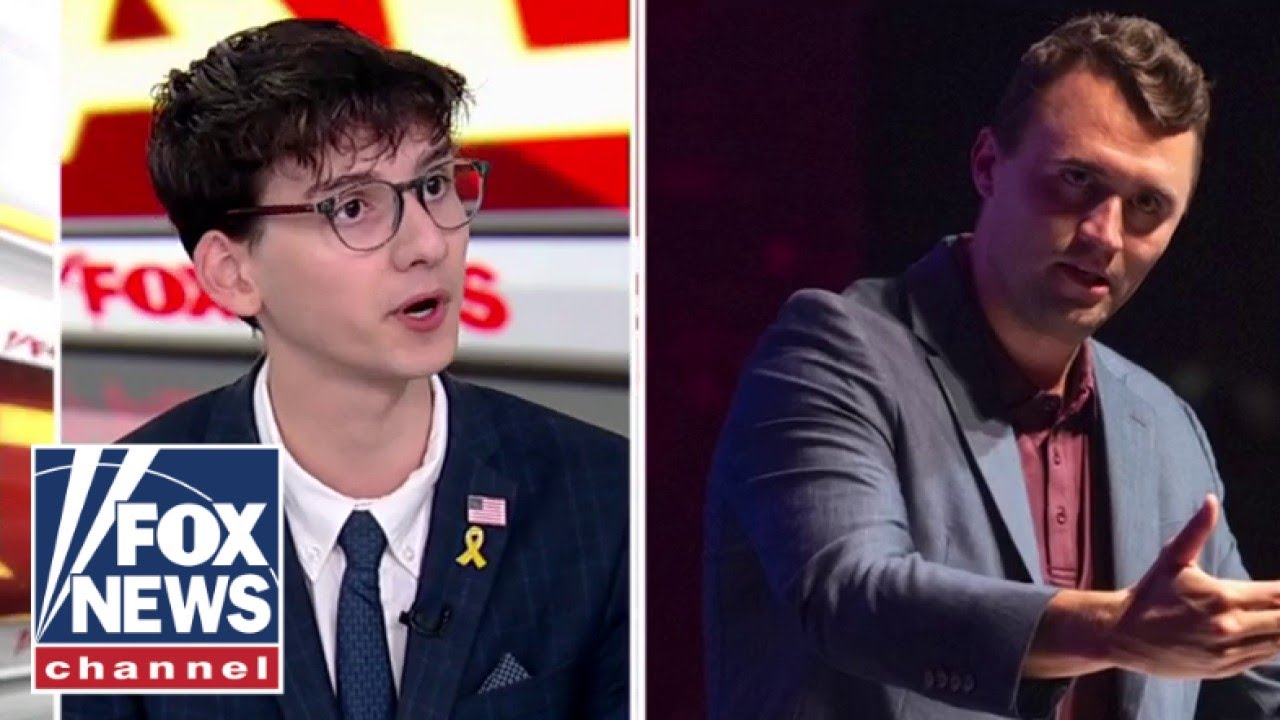
High School Senior Gregory Honors Charlie Kirk's Legacy After Conservative Leader's Tragic Death
6:10
Graham Stephan and Jack Selby Share Their Personal Experience with Charlie Kirk After His Tragic Passing
8:23
Brett Cooper Reveals How Charlie Kirk's Assassination Awakened Generation Z Across America and Beyond
22:31
Tragedy at Utah University: The Assassination of Charlie Kirk and America's Response to Political Violence
Charlie Kirk was assassinated during a Turning Point USA event at a university in Utah, sparking nationwide mourning and urgent conversations about free speech, political violence, and the future of American civil discourse. Eyewitnesses describe the horrific moment when a gunman opened fire during a campus dialogue event, killing Kirk as he engaged with students about mass shootings. The tragedy has united Americans in grief while exposing deep divisions about how the nation should respond to escalating political violence and the silencing of opposing voices.
The sound echoed across the Utah university campus like lightning—loud, sudden, and unmistakable. Eyewitnesses describe the chaos that erupted when gunfire rang out during a Turning Point USA event where Charlie Kirk was engaging students in open dialogue. One attendee, positioned just four people in front of Kirk, recalled the terrifying sequence of events: a second interviewer had approached Kirk asking about mass shootings, specifically how many were caused by trans people. Kirk responded, "way too many." When she asked about shootings by other people, the gunshot rang out.
"I thought the shooter was right there in the crowd," one witness recounted. "Everybody got down and I instantly just started praying for Charlie Kirk." Another attendee described seeing the graphic reality of the assassination—the bullet piercing Kirk's neck. In an instant, one of America's most prominent conservative voices was silenced, not through debate or discourse, but through violence.
Who Was Charlie Kirk
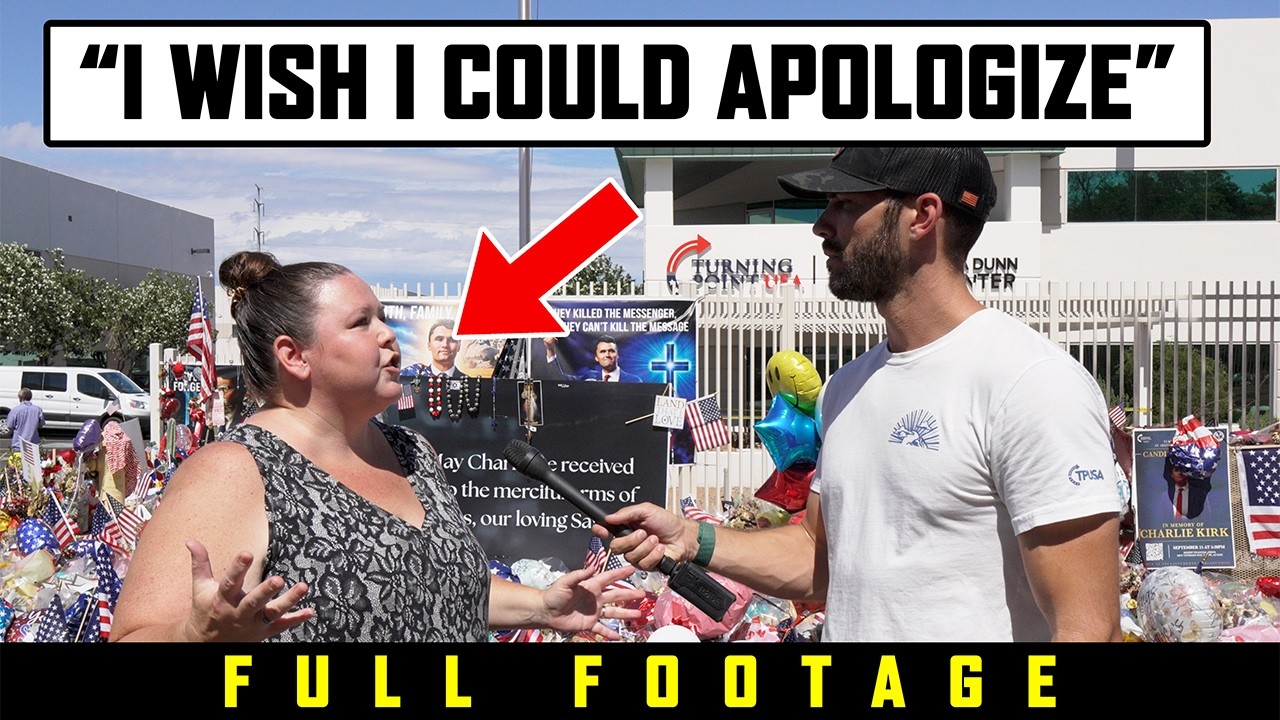
To the thousands who gathered to mourn him and the millions who followed his work, Charlie Kirk represented something fundamental to American values. "Charlie Kirk was a good Christian. He loved Jesus. He wanted dialogue, not civil war," one mourner explained at the vigil that spontaneously formed after his death. Another supporter shared how Kirk's messages had been "so important to me and they've been very educational and just given me a lot of hope in my life."
Kirk's approach to political discourse set him apart in an increasingly polarized landscape. As one admirer noted, "He wasn't so confrontational, you know, as maybe some people say. He worked with people, he talked to people, he was very opinionated, obviously, but I just liked his interviews that he would have with students and talk to them." This commitment to dialogue over division became the defining characteristic of his legacy—and made his violent death all the more tragic.
Freedom of Speech, Silenced by a Bullet
The location and context of Kirk's assassination carry profound significance. He was killed while exercising the very freedoms he spent his career defending—on a college campus, the traditional home of free expression and open debate. "The first things of the constitution is freedom for life, freedom of speech, freedom of religion and both of those were taken from Charlie today," one witness observed. "He was out there expressing his views, his values, what he thought was most important and having a debate about it, trying to get people to talk to him about it and have free an open conversation. That's all it was."
The irony was not lost on those who knew Kirk's work. He had built his reputation on creating spaces for difficult conversations, on college campuses specifically, where students could engage with conservative ideas. "I'm here because free speech shouldn't be violated. Because we shouldn't murder each other as Americans. We should listen to each other," one mourner stated simply.
A Nation Divided in Grief
The response to Kirk's death revealed the deep fractures in American society. While thousands mourned a fallen champion of free speech, others struggled to reconcile their opposition to violence with their disagreement with Kirk's views. "Charlie Kirk's death is terrible, but for the him as a person, I'm not too devastated over because I do think a lot of his rhetoric was very negative towards a lot of different groups," one individual admitted, adding concerns about copycat right-wing media responses.
Some attendees focused on gun violence as the primary issue. "The political discourse about Charlie Kirk being shot is just a very easy way for people to give themselves their kudos about being politically active, but they're just saying guns are bad. We already know guns are bad. We should be working towards more policy to prevent that from happening," one person argued. Others noted that some were "hearkening back to Charlie Kirk's past kind of as someone who's stood by while gun violence has occurred and has endorsed certain events of gun violence."
Yet for many, the assassination transcended political disagreement. "This is a country where freedom was founded where people could come from every nation to be able to be free," one supporter declared. "You can take away his life, you will not stop the movement because God is in charge and freedom and truth will prevail in this nation."
Echoes of Authoritarianism
For some observers, particularly those with experience of oppression in other countries, Kirk's assassination carried chilling implications. "This kind of a brutality reminds me the harshness and the lawlessness I have seen under communism in China," one individual shared. "I hope our country doesn't become another China. And that's why I believe conservatives must stand up against this injustice."
The sentiment was echoed by another mourner who had just returned from France: "I just came back from France yesterday and arrived and read the news, saw the murder in Utah. It's getting really out of hand. I think it's one of those big transition periods and I hope as humans we can figure it out with less violence and come together and maybe try to stop fighting each other so much and find common ground again."
A Personal Loss for Many
Beyond the political implications, Kirk's death represented a deeply personal loss for countless individuals who looked to him as a role model and source of inspiration. "Charlie Kirk was one of my greatest heroes and I looked up to him a lot. A role model. He was a role model of mine," one young attendee shared, his voice breaking with emotion.
One family's connection to Kirk went back years: "My parents actually knew him from Michigan like he during the old tea party and it's terrible, you know. Here we are in America, you know, where people are talking about freedom of speech and talking about real issues and one of our greatest spokesman, whether you agree with him or not, to assassinate him at a university, that's terrible. That goes against everything America stands for."
The personal dimension of the loss was perhaps most poignantly expressed by someone who explained simply: "He is the reason why I'm out here. And I'm just here to pay my respects because I believe 100% what he's doing or what he was doing."
The Question of Forgiveness
In the immediate aftermath of the assassination, some grappled with questions of forgiveness and justice. "We're going to forgive. Christians will forgive whether he does or not. It's up to God. So I will forgive him for this. But that's not acceptable," one mourner stated, adding: "But it is very sad for what happened to Charlie. I feel for his wife and children. It's a terrible, terrible thing for them to have to go through."
This tension between Christian forgiveness and the demand for justice reflected the broader struggle many faced in processing the tragedy. Kirk had built his platform partly on his Christian faith, and his followers sought to honor that legacy even as they mourned his violent death.
What Comes Next
As mourners gathered to sing hymns and patriotic songs, as "USA" chants rang out and prayers were lifted, the question hung heavy in the air: what happens now? "If that can happen to him, what other Americans are going to be attacked?" one family member worried.
Others expressed determination that Kirk's death would not be in vain. "You think it's something that happens somewhere else, but this was very close to home," one witness reflected. The proximity of political violence—not just geographical but ideological—had come into sharp focus.
"He was doing what he loved. He was a proponent of free speech and that's what he was doing," one mourner summarized. In life, Charlie Kirk had championed the marketplace of ideas, believing that through open dialogue and respectful disagreement, Americans could find common ground. In death, he became a symbol of what happens when that marketplace closes, when bullets replace words, and when political opponents become enemies to be eliminated rather than fellow citizens to be persuaded.
The vigil ended with the singing of "Amazing Grace," a hymn about redemption and transformation. Whether America can find redemption from this tragedy, whether it can transform political violence back into political discourse, remains to be seen. But those who gathered in Utah made clear that they would continue Kirk's mission: "God bless you all and fight on."