Tucker Carlson and JD Vance Remember Charlie Kirk's Legacy of Civil Discourse and Faith
Enjoying this? Share it with someone who needs to see it.
Up Next
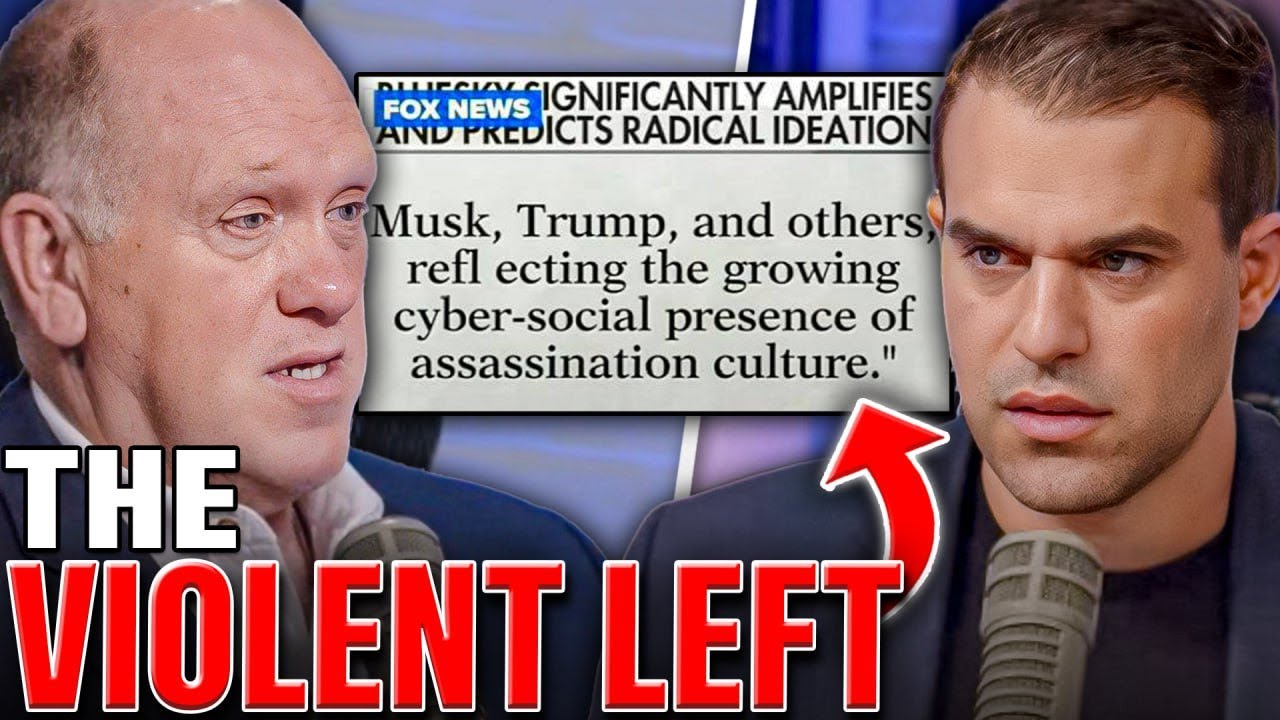
Tom Homan Honors Charlie Kirk's Legacy and Confronts Rising Violence Against ICE Agents in American Cities
16:20
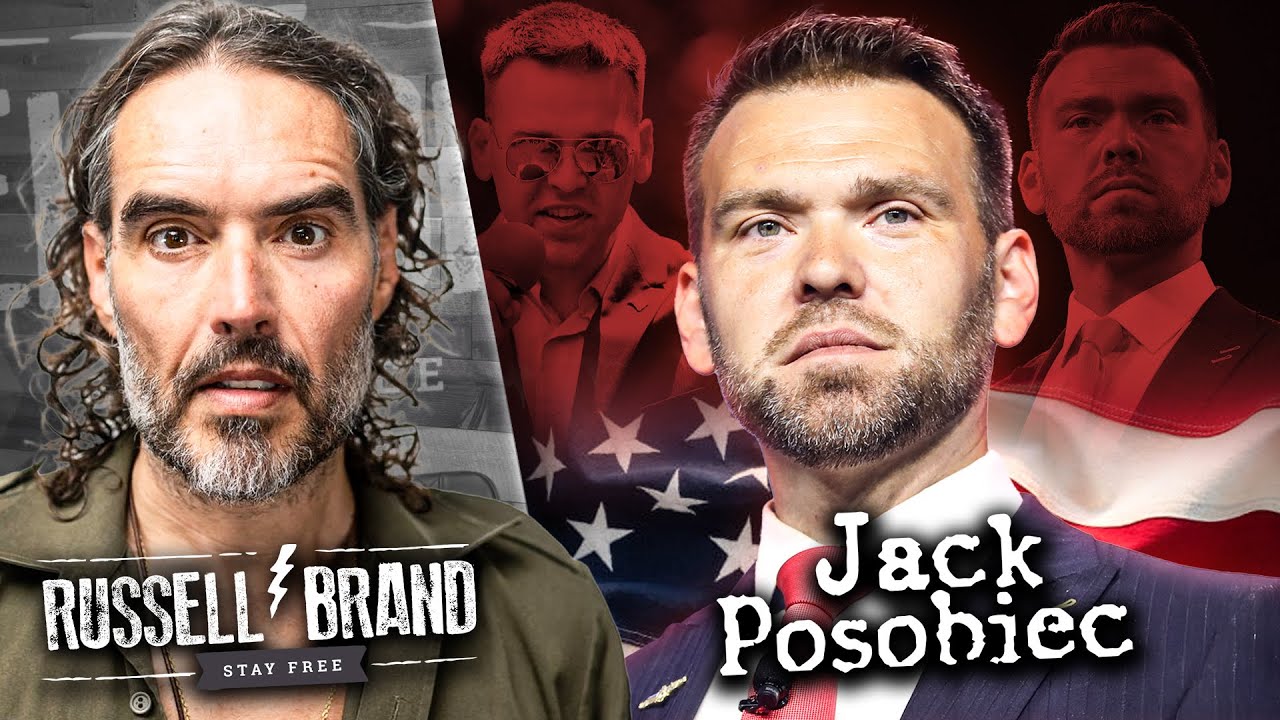
Russell Brand and Jack Posobiec Explore Spiritual Warfare Following Charlie Kirk's Death and America's Fragmentation
29:57
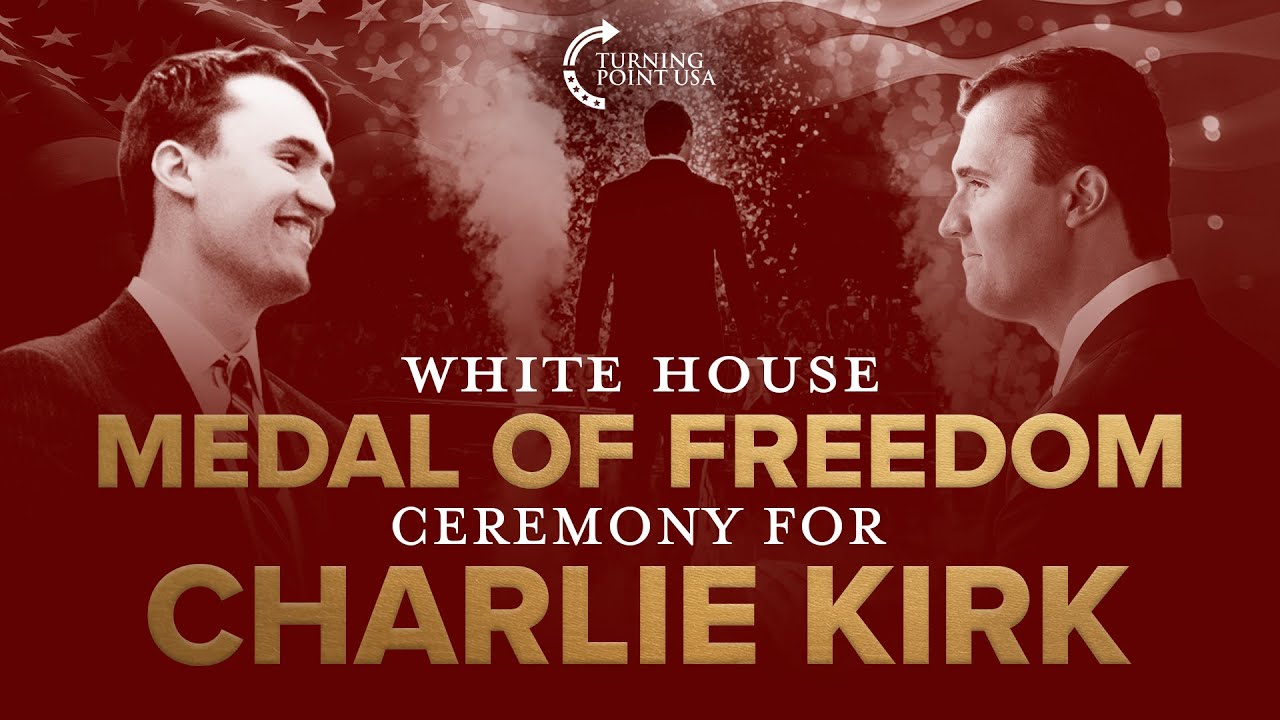
Isabel Brown Honors Charlie Kirk's Legacy at AmericaFest With Andrew Kolvet and Mikey McCoy
1:09:17
Tucker Carlson and JD Vance Remember Charlie Kirk's Legacy of Civil Discourse and Faith
Tucker Carlson and JD Vance share intimate memories of Charlie Kirk, exploring how his sincere Christian faith shaped every aspect of his life and work. From his early days as a teenager to building Turning Point USA, Charlie modeled a rare ability to disagree passionately on issues like foreign policy and immigration while maintaining genuine friendships across ideological divides. Tucker reveals how Charlie faced enormous pressure from donors over his foreign policy positions yet never bent or became bitter, maintaining his integrity until the end. Both men reflect on how Charlie understood that the conservative coalition required good-faith actors who could find common ground on 70-80% of issues, even while disagreeing on the rest.
The first connection between Charlie Kirk and many in the conservative movement often came through simple, genuine outreach. After an appearance on Tucker Carlson Tonight on Fox News, one person received a message from Charlie that said, "You did a great job. I really liked what you said and let's keep in touch." That message marked the beginning of a friendship that would exemplify what civil discourse within the conservative movement could look like.
Charlie understood something fundamental: there were big disagreements on major issues within the right, but everyone was on the same team. He believed people could debate vigorously, yet still have a drink at the end of the day and recognize they were all trying to accomplish the good of the country.
A Faith That Informed Everything
What many people who only knew Charlie Kirk from radio or television didn't fully appreciate was that his Christianity was absolutely sincere. His commitment to Jesus wasn't performative or strategic—it was total and genuine. Unlike some public figures who throw out Bible verses they don't understand, Charlie's faith informed every single part of his life.
That faith shaped his marriage, the way he treated his children, the way he treated his staff, and the way he approached disagreement. Most importantly, it shaped the way he thought of other people—always primarily as people first, not as political opponents or ideological adversaries.
Learning From Someone Younger
Tucker Carlson met Charlie when he was a teenager, literally the age of one of Tucker's own children. At first, it was hard to take him seriously given the age difference. But over more than 10 years of friendship, Tucker ended up learning from Charlie—and he emphasized this wasn't just something said because Charlie had passed, but something he meant sincerely.
The main lesson Tucker learned from Charlie was how to disagree with people on topics that both parties take very seriously without hating them or feeling bitterness. This wasn't performative civility. Charlie genuinely didn't hate the people who disagreed with him. He liked them as people, even when the disagreements were intense and the stakes were high.
The Foreign Policy Divide
The divide on foreign policy questions within the Republican Party is very real—neocons versus realists, however one wants to describe it. Charlie Kirk was firmly on the realist side. But what made him different was that he wasn't mad at the people who disagreed with him. He liked them as people and would always acknowledge areas of agreement.
Tucker Carlson was directly involved in these tensions because people were mad at Charlie for having Tucker at his conferences or for talking to him. They had cause to discuss it frequently, right up until Charlie was assassinated. Tucker recalled using the harsh language he's known for in private conversations, but Charlie would never talk like that. He would say things like, "Well, you know, I agree with him on this, but obviously I'm on your side on that."
Charlie never forgot there was a person behind the views. That inspired Tucker, and he believes it's a real commandment from God that Charlie lived out authentically.
Treating Everyone With Respect
Charlie Kirk treated everybody with respect because he genuinely loved people. He genuinely wanted their salvation, wanted them to have a relationship with God, wanted them to know the truth. He always treated people with respect, perhaps especially when he disagreed with them.
Charlie seemed to understand intuitively that the coalition that made Donald Trump president and JD Vance vice president included both Tucker Carlson and Ben Shapiro. It included people who disagreed vigorously but agreed on 70 or 80% of issues. The fundamental question Charlie would ask was whether someone was a good-faith person trying to do right. If so, they were part of the big tent.
Bringing People Together
This ability to bring people together was demonstrated in tangible ways. When Tucker Carlson put out a donation link to help support Charlie's family—Erica and the kids who were grieving the loss of a husband and father while also facing the practical reality that someone would need to fill the financial gap—Mark Levin shared that link. It was a powerful example of how Charlie was able to bring people together from across the conservative movement, so long as they were operating in good faith.
Good faith was always the measure. If someone operated in good faith, they were on Charlie's team.
Refusing to Appropriate His Memory
Both Tucker and JD Vance emphasized that this moment, filled with intense emotion over Charlie's murder, is exactly the wrong time to appropriate his memory for narrow ends. People claiming "he stood for this" or "he lived for my cause" miss the point entirely and do a disservice to who Charlie actually was.
The reason Charlie was able to bridge gaps, particularly on foreign policy, was because he had genuine affection for multiple perspectives. For example, he had genuine affection for Israel, which he expressed in private many times. He could say "I love Israel" while also saying "I don't think we should have another forever war or regime change war against Iran." This made complete sense and allowed both sides to talk to him because they felt this person doesn't hate them, doesn't harbor some weird bigotry, and isn't trying to make disagreements existential.
Applying Pressure as a Friend
Charlie was willing to disagree with the Trump administration on issues where he felt strongly, but he did so as a friend, not an enemy. Two issues stood out: immigration and foreign policy.
On immigration, Charlie was a hardliner. He wanted maximum border control and ramped-up deportations. JD Vance recalled conversations where Charlie would ask, "Why aren't the deportations higher? Why aren't you doing more?" But it wasn't coming from a place of bad faith or assuming the worst. It was: "I'm a free citizen, I love you guys, I supported you guys, and I'm going to use my platform to try to accomplish as much good as I possibly can."
That approach made Charlie an effective operator. Vance could talk to Charlie and explain the challenges and constraints, and Charlie would understand while continuing to apply pressure. Vance believes part of the administration's success on immigration—ramped up deportation numbers, people self-deporting because they know enforcement is coming—came from people like Charlie applying pressure as a friend, as somebody who cares deeply about the issue.
Standing Firm Under Pressure
On foreign policy, Charlie called JD Vance during the summer when Iran strikes were first being contemplated. He said, "I'm really worried this is going to become another regime change war in the Middle East that we get trapped in." Vance reassured him that President Trump wasn't a believer in perpetual war and knew the mistakes of Iraq and Afghanistan.
Charlie was very clear that he could support Israel and did eventually support the strikes on Iran's nuclear facilities, while simultaneously saying "no more, this can't become a bigger thing, this can't become a broader thing." He modeled a way of applying pressure, of disagreeing when appropriate, but also recognizing that so long as everyone operates in good faith, they're all part of the same team.
Tucker Carlson revealed that Charlie was under enormous pressure for his foreign policy positions. Some of the people who sent money to Turning Point USA—his donors—were very tough on him. So tough that Tucker could feel it in their conversations. They talked a lot in Charlie's final months, and the pressure was immense.
But Charlie never bent. He never became bitter. He kept his integrity to the very end. To the very end.
A Legacy to Carry Forward
The lesson both Tucker Carlson and JD Vance took from Charlie Kirk's life and tragic death is that civil discourse is possible, that disagreement doesn't require bitterness, and that a broad coalition can accomplish tremendous things when people operate in good faith. Charlie modeled this perfectly—not that he was always right, not that criticism was unwelcome, but that everyone should try to work together when they share fundamental goals.
That's the legacy they hope to carry forward: treating people as people first, maintaining integrity under pressure, and never forgetting that behind every political disagreement is a human being made in the image of God.