Tyler Robinson's Gentle Surrender and the Legal Analysis of Charlie Kirk Assassination Case
Enjoying this? Share it with someone who needs to see it.
Up Next
Breaking Down the Charlie Kirk Assassination: What We Know, What We Don't, and the Conspiracies Being Spread
33:42
The Assassination of Charlie Kirk: A Nation's Descent Into Darkness and Desensitization
13:45
Joe Rogan and Media Figures React to MSNBC Coverage of Charlie Kirk Shooting Incident at Utah Valley University
17:31
Tyler Robinson's Gentle Surrender and the Legal Analysis of Charlie Kirk Assassination Case
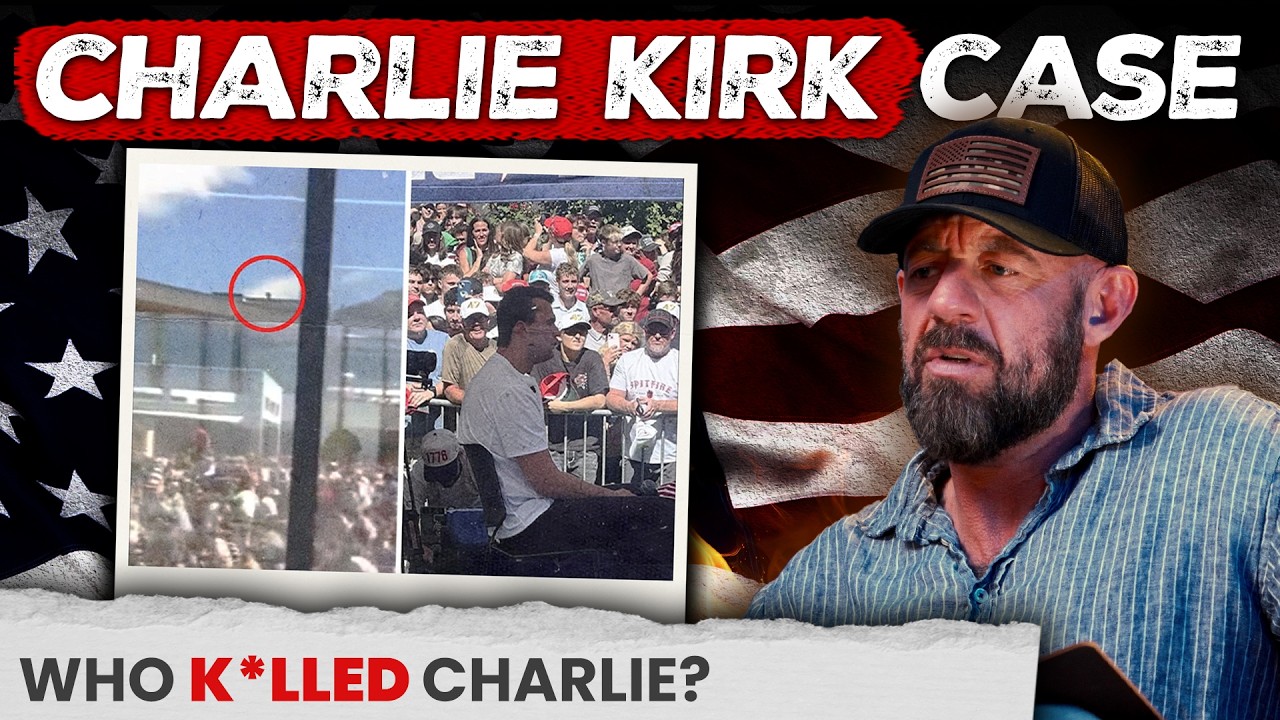
Legal experts Mark Eiglarsh and Dave Aronberg join a former law enforcement officer to dissect the surrender conditions of Tyler Robinson, who demanded a peaceful, comfortable transition before turning himself in for the assassination of Charlie Kirk. The discussion examines whether Robinson's roommate could face conspiracy charges, the bizarre case of a 71-year-old man who falsely confessed to the crime and was found with disturbing material on his phone, and the conspiracy theories already circulating about the shooting. The panel addresses the legal standards for conspiracy, accessories before and after the fact, and makes an urgent call to stop the dangerous spread of conspiracy theories that fuel political violence on both sides of the aisle.
Washington County Sheriff Nate Brooksby revealed the unusual conditions surrounding Tyler Robinson's surrender. Robinson wanted a peaceful, gentle, comfortable transition when turning himself in. He knew he was going to get caught and didn't want a big SWAT team hitting his parents' house or his apartment. Robinson was truly fearful of being shot by law enforcement.
The conditions for his surrender were described as relaxed and comfortable, almost to the point of being inviting. Sheriff Brooksby explained that if accomplishing a peaceful surrender on Robinson's own terms was the end result, he was willing to make some concessions to make that happen.
As a former law enforcement officer noted, there are practical benefits when someone wanted by police turns themselves in. Law enforcement resources aren't wasted on extensive manhunts, the temperature of everything goes down, and everybody is safer. Law enforcement doesn't have to put their lives on the line apprehending dangerous subjects.
However, the sheer irony that Robinson was afraid of being shot, given what this case was all about, was noted as breathtaking.
Legal Expert Analysis on Surrender Terms
Mark, a legal expert, expressed skepticism about the surrender terms. "A gentle surrender. What next? Pink fuzzy handcuffs. Come here, let me give you a hug," he remarked. He noted that defendants rarely dictate the terms in cases like this. They almost never do that because every second they wait for a surrender, someone can flee the jurisdiction. They're a danger to the community. Law enforcement took a risk here and it paid off, but often that's not how defendants are treated.
Dave, a state's attorney, acknowledged that while he hadn't been involved in negotiating surrenders for capital murder, he has heard of similar terms. Defendants will sometimes say they don't want a perp walk in front of the cameras, wanting to turn themselves in late at night when no one's around with their lawyer present, or requesting that contact go through their lawyers rather than having police show up at their door at 5:30 in the morning.
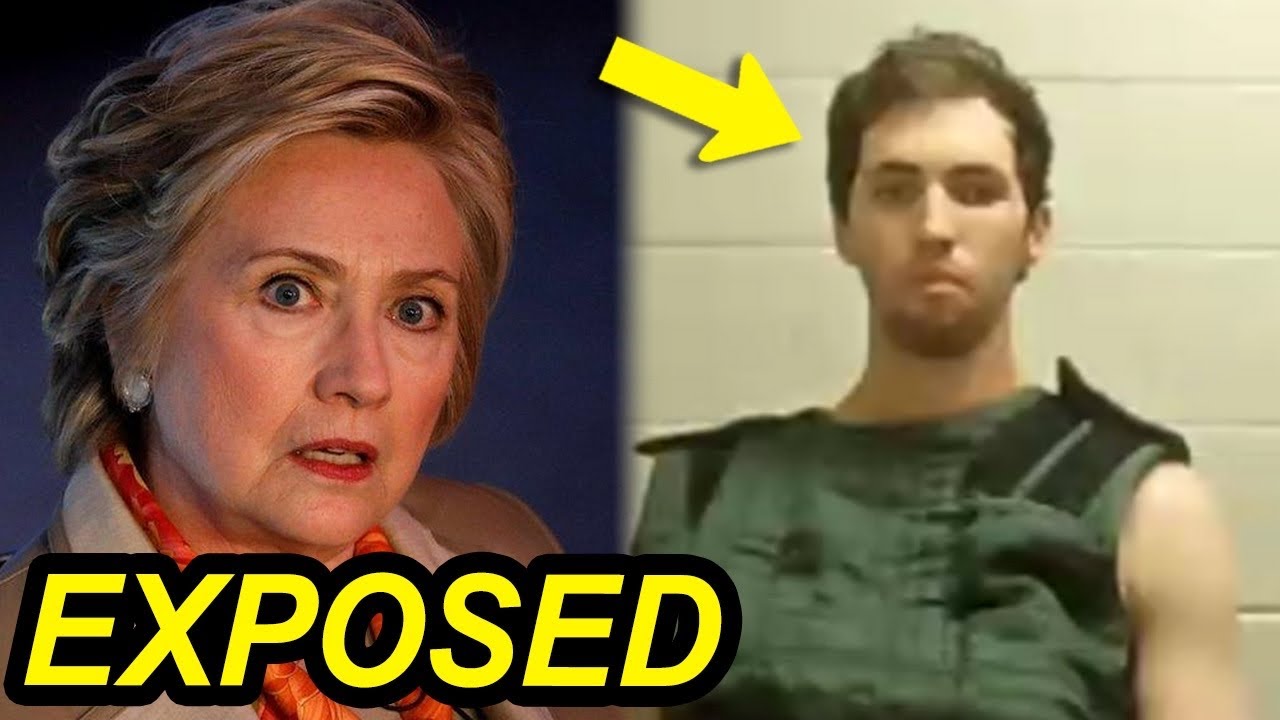
Dave suggested this case is emblematic of Robinson and people like him in his generation who sit around and play video games all day and have become numb to human life. Playing games like Call of Duty where they kill people on screen makes it nothing for someone like him to get a rifle and murder Charlie Kirk, then talk about it in such a casual way afterwards without showing any remorse. Robinson apparently thought that maybe when he's old, he'd talk about it, assuming he would get away with it for so long. Now facing consequences, wearing a suicide smock, he looks shell-shocked and is facing the death penalty.
Examining the Conspiracy Question
The discussion turned to whether there was a conspiracy involved in the case. For a conspiracy to exist, there has to be more than one person and there has to be some agreement. The conversation covered accessories before the fact and accessories after the fact, as well as text messages and other chats being investigated by law enforcement.
The legal standard for charging someone else requires that they knew about the crime, knew about it ahead of time, and participated in some way.
Text exchanges between Tyler Robinson and his roommate were examined:
Robinson: "Drop what you're doing. Look under my keyboard."
Roommate: "What? You're joking, right?"
Robinson: "I'm still okay, my love, but I'm stuck in Orem for a little longer yet. Shouldn't be long until I can come home, but I got to grab my rifle still. To be honest, I'd hoped to keep this secret till I died of old age. I'm sorry to involve you."
Roommate: "You weren't the one who did it, right?"
Robinson: "I am. I'm sorry."
Roommate: "I thought they caught the person."
Based on these messages, if they are to be believed and if there was nothing else, the roommate appears to be someone who didn't know about it until after it was over. At least with respect to these messages, there doesn't appear to be a conspiracy.
Investigating Potential Co-Conspirators
Mark agreed with the assessment but cautioned against taking the messages at face value. The exchange could be a ruse, and the roommate could have known about it. However, on its face, if the messages are to be believed, the roommate/alleged lover did not know until after the fact. He recommended looking through everything—combing through every email, every text, looking at the roommate's phone, looking at everything.
Importantly, there is no duty to report. Someone could know something but not aid and abet before, during, or after, and it would not be a crime. As abhorrent as it is to know about a crime, people are under no duty to proactively assist the government.
Dave was asked how he would investigate to see if anybody else provided Robinson with any kind of encouragement. If someone encourages another person even in a small way to commit a crime, they are on the hook just as if they had pulled the trigger themselves.
Dave explained that investigators would do what Mark said—look through all the messages to see if there's anyone who knew about it in advance. It's not a crime that the roommate knew about it afterwards and didn't report. Investigators would question whether the roommate took any affirmative steps to destroy evidence or lied to police, which apparently he did not do. In fact, police have been very complimentary of the lover roommate and his cooperation.
However, investigators want to see if there's anyone else involved, including examining whether the roommate played any role. For example, Robinson said he had his rifle at a pickup place. Did he leave the rifle there to be picked up later, or did someone else put the rifle there? That's where investigation would focus first. There's still a lot more investigating to go.
The Strange Case of the False Confessor
In a very strange turn of events, an individual falsely claimed that he shot Charlie Kirk. He was then arrested for obstruction, and investigators found child sexual abuse material on his phone and devices.
Mark found it clear that this person wasn't playing with a full deck. He rarely discusses his work with his family, but while preparing for the podcast, he told them about this case. The guy who looked like Captain Stubing from The Love Boat, who they initially thought was the one who did it, turned out not to be the shooter. They already had the actual perpetrator. But this person gave a false confession, saying "I'm the one who did it," which absolutely detracted from the police investigation, at least somewhat. Then he allegedly allowed police access to his phone, and child pornography was found on it. "Karma, man. Wow. What a story," Mark commented.
Once police arrest someone, they're entitled to go through their effects. They're not necessarily entitled to search a phone, but in this case, the suspect gave consent. "They always consent all over themselves," Mark noted.
The individual is 71-year-old George Zinn. During a preliminary review of the phone, investigators viewed over 20 images of children ranging from 5 to 12 years old in various stages of undress.
Addressing Conspiracy Theories
The panel expressed concern that this tragedy will spawn conspiracy theories for all eternity, with people always believing that George Zinn was some kind of plant and was in on it. For the record, the consensus was that this is a mere coincidence and fortunately, if Zen is guilty, the cops got him off the streets and he won't be able to hurt any more children or participate in that type of alleged crime.
Dave was given the final word before moving on to discuss Ryan Routh. He emphasized that conspiracy theories are insidious and happening on both sides. He's already talked to friends who should know better who are saying things like, "Well, there's something that doesn't match up here. You got this kid who was able to kill Charlie Kirk with one bullet from 200 yards away. He must have been trained by who knows."
"We got to stop," Dave urged. "This is what leads us to these problems when you have everyone disbelieving, distrusting just the basic facts in front of their face, and all of a sudden now everything is a conspiracy theory and it just generates this hatred and mistrust on both sides. That's got to end now."
The former law enforcement officer noted that having grown up around firearms and rifles and hunting, a 150-yard shot with that rifle and that kind of optic isn't something that would require a trained Navy SEAL or sniper. It's not the kind of thing someone could do if it was their first time ever handling a weapon, but with any experience whatsoever, it doesn't take specialized training. Unfortunately, anybody with a mere working knowledge of firearms could pull that off.
Dave added one more point about the conspiracy theories, explaining that when he said "trained by" and trailed off, it was because people are saying Robinson was trained by Trump's people or the CIA. He called it absolutely ludicrous to think that somehow the Trump administration was involved with killing one of their very best supporters. "That's why I got to say we got to stop with this stuff and just hopefully this can be a turning point, pun intended, for us to come together and just end the political violence."