Tyler Robinson's Legal Team Fights to Remove Entire Prosecution in Charlie Kirk Shooting Case
Enjoying this? Share it with someone who needs to see it.
Up Next
Death Penalty Case Analysis: When Murder Evidence Is Overwhelming, The Trial Becomes a Referendum on Capital Punishment
4:03
Brian Entin Provides Inside Look at Tyler Robinson Hearing After Charlie Kirk Shooting at Utah Valley University
19:50
Judge Tony Graf Rules on Transcript Release and Press Access in Tyler Robinson Case
1:40
Tyler Robinson's Legal Team Fights to Remove Entire Prosecution in Charlie Kirk Shooting Case
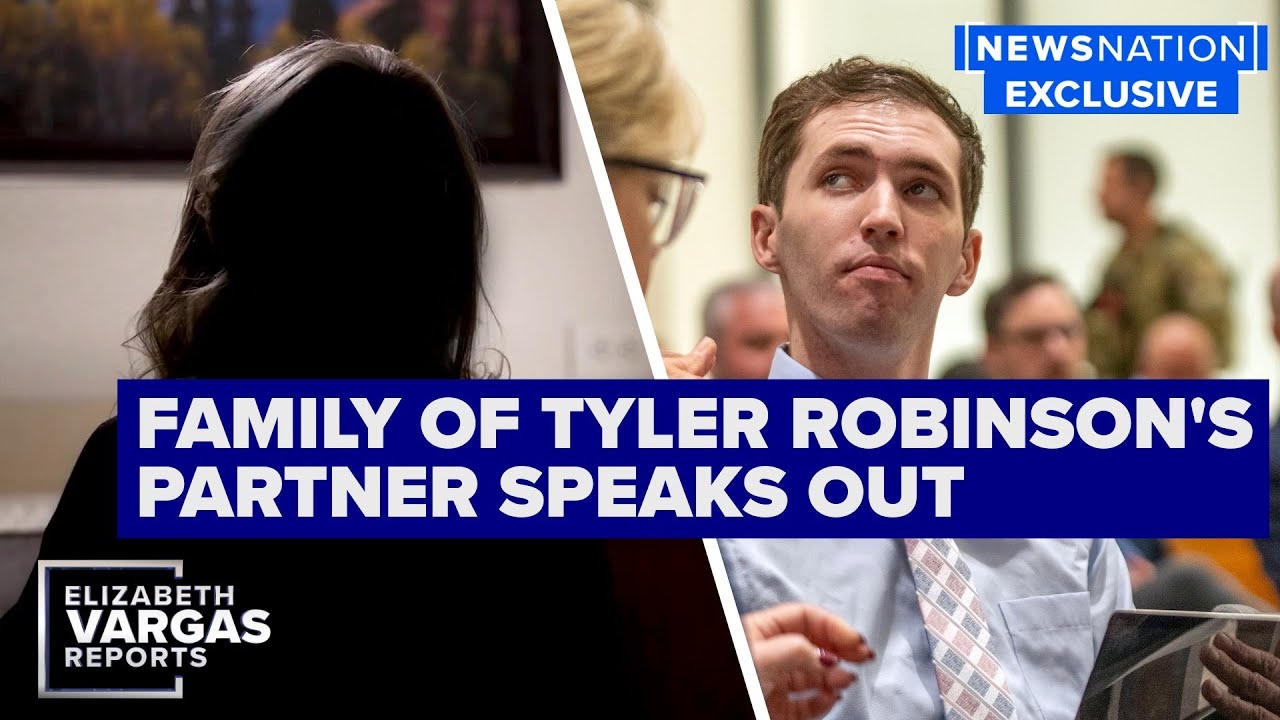
Tyler Robinson appeared in a Utah court where his defense attorneys moved to dismiss the entire prosecution team over alleged conflicts of interest. The defense argues that one prosecutor's child was present at the event where Charlie Kirk was shot, standing just 80 feet away from the incident. They claim this proximity makes the prosecutor both a witness and a victim, creating an unfair conflict that influenced the rapid decision to pursue the death penalty. The judge has yet to rule on the motion, which legal analysts view as an uphill battle given the substantial evidence against Robinson, including ballistics, forensics, and surveillance footage.
Defense Challenges Prosecution Team Over Conflict of Interest
Tyler Robinson returned to a Utah courtroom for a hearing that introduced an unexpected twist in the case surrounding the shooting of Charlie Kirk. Robinson's defense team filed a motion to remove the entire prosecution team, arguing a significant conflict of interest exists because one prosecutor's child was present at the Charlie Kirk event where the shooting occurred.
According to NewsNation correspondent Brian Entin, who attended the hearing, the prosecutor's child was approximately 80 feet away when Charlie Kirk was shot. The defense team argues this proximity makes the prosecutor's family member both a witness and a victim, raising questions about whether the prosecution can remain impartial. The defense is demanding a completely new set of prosecutors to handle the case.
The prosecution itself disclosed this information to the defense, demonstrating transparency, though the defense has seized on the revelation to challenge the legitimacy of the entire prosecution effort. The judge has not yet issued a final ruling on the motion to dismiss the prosecution team.
Death Penalty Decision Under Scrutiny
One of the central arguments from the defense focuses on how quickly prosecutors moved forward with seeking the death penalty in this case. Robinson's attorneys suggest that the speed of this decision may have been influenced by the personal connection one prosecutor has to the event through their child's presence during the shooting.
The defense contends that a prosecutor who has such a personal stake in the case cannot fairly represent the interests of the state, arguing instead that personal emotions may be driving prosecutorial decisions. They point to the rapid death penalty determination as potential evidence of this emotional influence rather than objective legal reasoning.
Legal analyst Jesse Weber, who will premiere his new show on NewsNation, noted that while this is a legitimate legal argument, it faces significant obstacles. The prosecution countered that this may be a tactical delay maneuver by the defense, possibly aimed at getting the case transferred to the Attorney General's office, which might take a different approach to certain aspects of the case, including the death penalty decision.
Courtroom Camera Controversy Emerges
A second unexpected issue arose during the hearing concerning courtroom cameras. The defense team raised concerns about lip readers in the public attempting to decipher what Robinson was saying to his attorneys during breaks in the proceedings when cameras zoomed in on the defendant.
The defense argued that this violated attorney-client privilege and could prejudice their client's right to a fair trial. After hearing these concerns, the judge reprimanded the local cameraman and imposed new restrictions on courtroom photography. Going forward, at least temporarily, cameras can only focus on the judge and the attorneys, not on Robinson himself.
This camera restriction mirrors similar issues that arose in the Bryan Kohberger case, where concerns about prejudicing the defendant led to limitations on courtroom video coverage. Weber explained that while transparency in high-profile cases is important, courts must balance public interest against the defendant's right to a fair trial, particularly when no jury has been seated yet and potential jurors could be influenced by media coverage.
Strong Evidence Against Robinson Remains
Despite the defense team's efforts to challenge the prosecution, legal experts emphasize that the evidence against Tyler Robinson is substantial. Prosecutors have ballistics evidence, forensic analysis, and surveillance footage that they claim connects Robinson to the shooting of Charlie Kirk.
Weber characterized the evidence as "monumental" and described the prosecution's case as "incredibly strong." He suggested that given the overwhelming nature of the evidence, the defense team has limited options and may be grasping at procedural challenges as one of their few available strategies.
The legal analyst noted that when the facts and law are not in a defendant's favor, challenging the prosecution itself becomes one of the remaining tactics available to defense attorneys. Whether this strategy will succeed remains to be seen.
Possible Outcomes and Next Steps
The judge indicated she is willing to entertain arguments about the alleged conflict of interest and spent a considerable portion of the hearing discussing whether the Utah County Attorney's Office should even represent itself in this matter or whether the Attorney General should take over that role.
Another hearing is scheduled for February to continue addressing these issues. Weber believes that while the individual prosecutor with the family connection to the event might potentially be removed from the case, the likelihood of the entire prosecution team being dismissed is remote.
The defense's best-case scenario may be either significantly delaying the proceedings or obtaining a "second bite at the apple" regarding the death penalty decision if a new prosecution team takes over. However, legal observers consider this an uphill battle with a low probability of success.
As the case moves forward, it will continue to balance the demands for transparency in a high-profile shooting case against the defendant's constitutional rights to a fair trial and confidential communications with legal counsel.