Video Evidence Manipulation Exposed in Charlie Kirk Case: Federal Cover-Up Revealed
Enjoying this? Share it with someone who needs to see it.
Up Next
Candace Owens Uncovers Financial Concerns and Unanswered Questions Surrounding Charlie Kirk's Death Investigation
46:11
Candace Owens Reveals Federal Agents Blocked Surgeon Access to Charlie Kirk's Body at Hospital
1:03:09
Brandi and Billie Expose Timeline Inconsistencies and Israeli Connection Theories in Charlie Kirk Assassination Investigation
59:30
Video Evidence Manipulation Exposed in Charlie Kirk Case: Federal Cover-Up Revealed
Breaking down the shocking video manipulation evidence in the Charlie Kirk case that raises serious questions about federal involvement and the prosecution's integrity. Analysis of compressed footage shown in court versus actual unaltered images reveals potential evidence tampering designed to frame Tyler Robinson. The discussion examines why security footage was horizontally compressed to make a suspect appear thinner, matching Tyler Robinson's build, when the original unaltered footage shows a significantly different body type. Community debates erupt as defenders of the official narrative clash with those questioning the FBI's handling of evidence, crime scene preservation, and the suspect's inadequate legal representation.
During court proceedings, prosecutors presented video footage purportedly identifying Tyler Robinson as the shooter in the Charlie Kirk case. When asked to identify the person in the security footage, the lead prosecutor stated with certainty that the individual was Tyler Robinson. However, closer examination of this evidence reveals significant problems with how the footage was presented to the court.
The video shown in court appears to have been horizontally compressed, creating a visual distortion that makes the subject appear considerably thinner than they actually are. This compression is evident when examining vehicles in the background of the footage, which appear unnaturally squished and shortened compared to their actual proportions. No standard vehicle has the compressed dimensions shown in the courtroom footage, providing clear evidence that the video has been altered from its original state.
The Uncompressed Reality
When the same footage is viewed in its uncompressed, original format, the person captured on camera appears significantly different. The unaltered version shows an individual with notably thick shoulders and a stocky build. This person's physical characteristics are markedly different from Tyler Robinson's actual appearance, which is considerably slimmer and more slight in build.
The difference becomes even more apparent when comparing the uncompressed security footage to verified images of Tyler Robinson taken at the police station. In authenticated photos, Robinson appears with a thin frame and form-fitting jeans that emphasize his slender legs. The person in the uncompressed security footage bears little resemblance to these verified images of Robinson.
Pattern of Federal Video Manipulation
The FBI has an established history of video evidence manipulation in high-profile cases. This pattern of behavior raises serious concerns about the integrity of evidence presented in the Charlie Kirk case. The horizontal compression of the security footage serves a specific purpose: making the suspect in the video appear to match Tyler Robinson's physical profile when the original, unaltered footage would clearly show a different body type.
This type of evidence tampering is particularly concerning given the federal government's recent track record with alleged shooters. Multiple cases involving supposed lone gunmen have featured questionable evidence, convenient patsies, and investigations that seem designed to protect certain narratives rather than uncover truth. The pattern includes the Thomas Crooks case, questionable January 6th prosecutions, and other incidents where autistic or vulnerable individuals have been positioned as convenient suspects.
Crime Scene Destruction and Evidence Tampering
Beyond the video manipulation, serious questions surround the handling of the physical crime scene. In an unprecedented move, the location where the shooting occurred was paved over shortly after the incident, permanently destroying potential physical evidence. This action stands in stark contrast to standard investigative procedures, which require thorough documentation and preservation of crime scenes for extended periods.
Witnesses reported that the crime scene was not properly secured immediately following the shooting. People were observed removing SD cards from cameras, and someone was allowed to take the chair that Charlie Kirk had been sitting in—a piece of evidence that would likely contain blood spatter and other crucial forensic material. This chair was then used as a step stool to access and remove surveillance footage, further contaminating and compromising the evidence chain.
Meanwhile, a location where a rifle was allegedly found a week later remained cordoned off with police tape. This selective application of crime scene protocols raises fundamental questions about investigative priorities and suggests deliberate evidence management designed to support a predetermined narrative.
Inadequate Legal Representation
Tyler Robinson's defense has been handled by court-appointed public defenders who observers describe as providing shockingly inadequate representation. Legal experts who have attended pre-trial proceedings report pulling their hair out at the quality of the defense being mounted. Experienced attorneys who have reviewed the case, including Baron Coleman, have publicly stated that the legal representation is egregiously poor.
The defense team has failed to challenge fundamental aspects of the prosecution's case, including the authenticity of text messages allegedly sent by Robinson. These messages, which were supposedly in French, have not been subjected to proper forensic verification despite their questionable nature. Competent counsel would immediately challenge such evidence, but Robinson's appointed attorneys have allowed it to proceed without contest.
Multiple qualified attorneys have reportedly offered to represent Robinson pro bono, recognizing the inadequacy of his current defense. However, these offers have been rejected, and Robinson remains represented by the court-appointed team. This situation creates the appearance of a system designed to ensure conviction rather than provide genuine justice.
The Community Notes Controversy
The public debate over this evidence manipulation reached a flashpoint on social media when discussions about the compressed versus uncompressed footage went viral. Viva Frei, a popular legal commentator and generally credible analyst, challenged the authenticity of the uncompressed images, suggesting they had been AI-enhanced to support a conspiracy theory.
However, Viva Frei's position was promptly community-noted with corrections pointing out that the video shown in court was indeed compressed, as evidenced by the distorted vehicles in the background. The uncompressed version simply shows the original footage without the horizontal compression that made the suspect appear thinner.
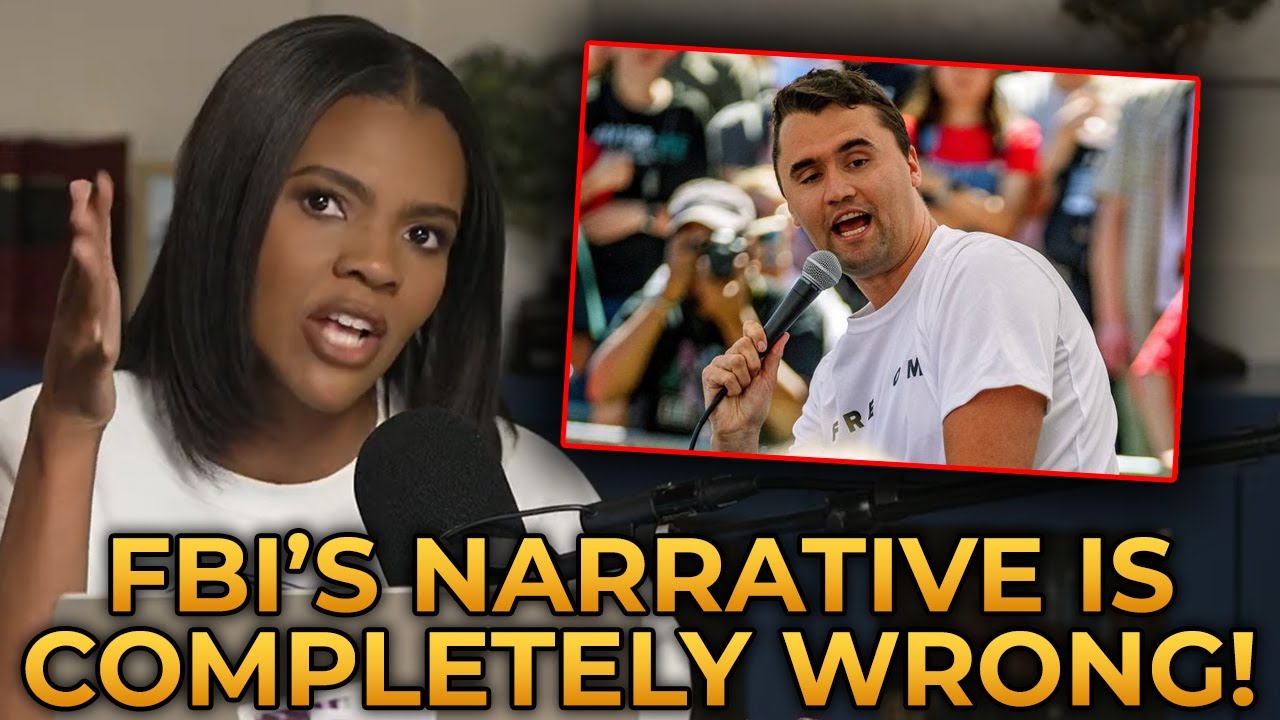
Candace Owens, who had shared analysis of the uncompressed footage, directly responded to critics by stating unequivocally that no AI enhancement, editing, or alteration was performed on the images she shared. She emphasized that her team simply presented the original footage without the compression that prosecutors had applied to the version shown in court.
The Fed Slopper Brigade
A consistent pattern has emerged of online defenders rushing to support the official government narrative despite obvious evidentiary problems. These individuals, often referred to as "fed sloppers," display an inexplicable investment in ensuring Tyler Robinson is convicted regardless of evidence quality or procedural irregularities.
Many of these defenders have connections to pro-Israel advocacy groups or receive funding from Zionist organizations. Their motivation appears to stem from a desire to prevent alternative theories about the shooting from gaining traction, particularly those that might implicate Israeli intelligence or assets. The vehement defense of obviously problematic evidence suggests an agenda beyond simple truth-seeking.
Questions about why these defenders care so intensely about this particular case, and why they reflexively attack anyone questioning the official narrative, remain largely unanswered. The pattern mirrors previous controversies where certain advocacy groups mobilize to control public perception of violent incidents.
The Lance Twiggs Connection
Further complicating the official narrative is the involvement of Lance Twiggs, the only person confirmed to have touched the weapon allegedly used in the shooting. Twiggs, who is not transgender despite early misreporting, appears to have significant connections that raise questions about his potential role as a federal asset.
At minimum, Twiggs's behavior and connections suggest he works in some capacity with federal agencies. More troubling scenarios suggest he may have been the intended perpetrator, with plans to frame him that somehow shifted to Robinson instead. The nature of Twiggs's relationship with Robinson, including allegedly romantic involvement, adds another layer of complexity to understanding the true sequence of events.
Tucker Carlson's Assessment
Tucker Carlson famously commented that Charlie Kirk was "the first casualty of the Iran war," suggesting that the shooting was intended to create a justification for military action against Iran. This framing positions the incident within a broader context of manufactured incidents designed to generate public support for predetermined foreign policy objectives.
The suggestion that Israel may have had involvement in the shooting, whether through intelligence assets or other means, is vehemently rejected by establishment media figures and certain advocacy groups. However, the pattern of evidence manipulation, crime scene destruction, and predetermined narratives mirrors tactics used in previous operations designed to shift public opinion toward supporting military interventions.
The Broader Pattern of Manufactured Patsies
The Charlie Kirk case fits within a disturbing pattern of incidents involving conveniently identified lone gunmen who upon closer examination appear to be patsies rather than actual perpetrators. The Thomas Crooks case, various January 6th prosecutions, and other incidents share common elements: vulnerable or autistic individuals, questionable evidence, rushed narratives, and aggressive suppression of alternative theories.
In each case, federal agencies present a neat package of guilt with accompanying manifestos, social media posts, or other documentation that seems designed to prevent deeper investigation. When citizens raise legitimate questions about evidence quality or procedural irregularities, they face aggressive pushback from media figures and online advocates invested in maintaining official narratives.
The refusal to allow proper forensic examination of evidence, the destruction of crime scenes, and the provision of inadequate legal representation all serve to prevent genuine investigation of what actually occurred. This pattern suggests a systematic approach to managing these incidents rather than genuine attempts to uncover truth and deliver justice.