2,422 videos 1,389,747,653 views US Joined Aug 30, 2018
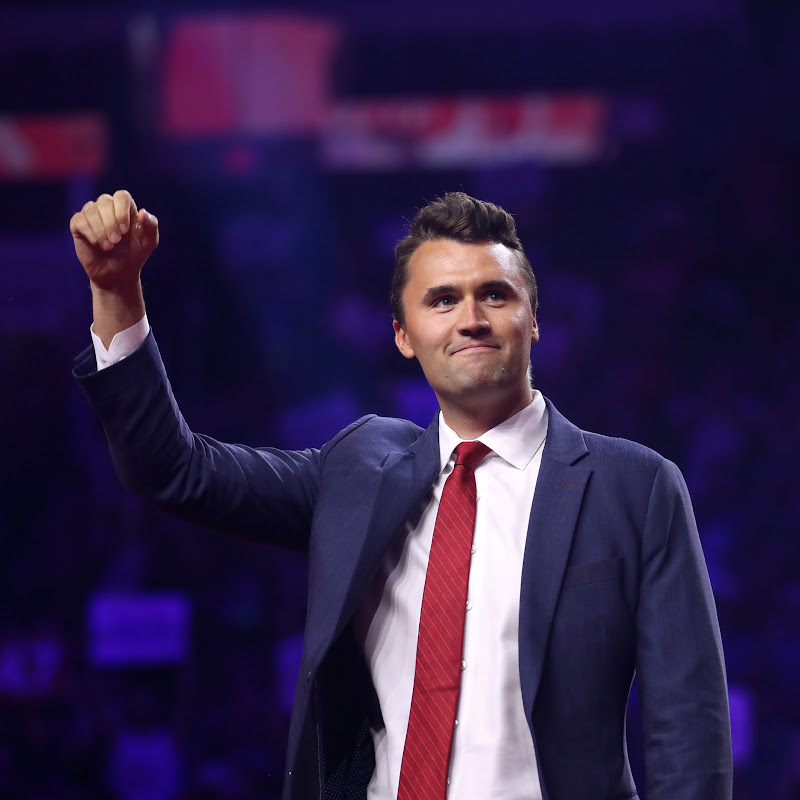
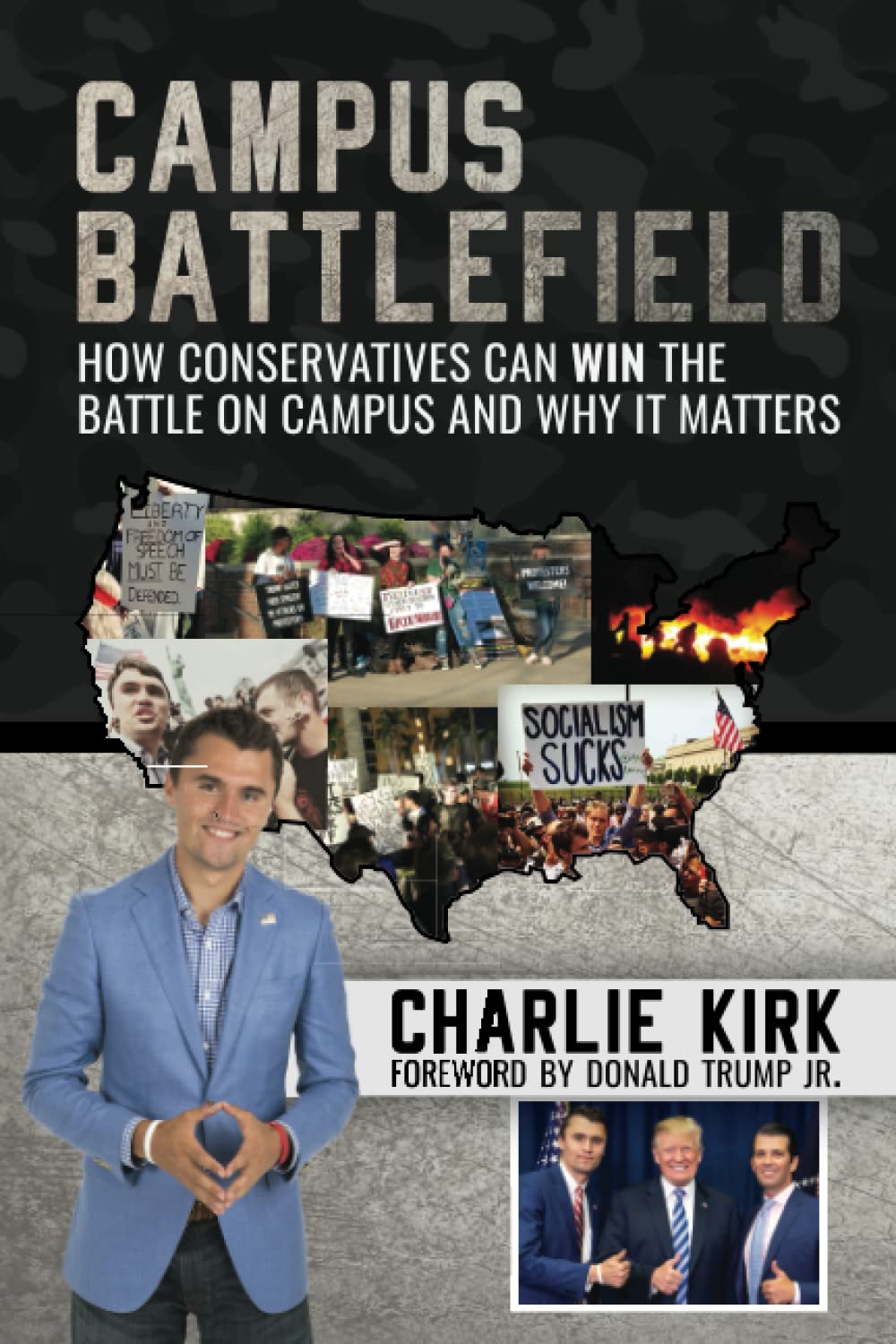
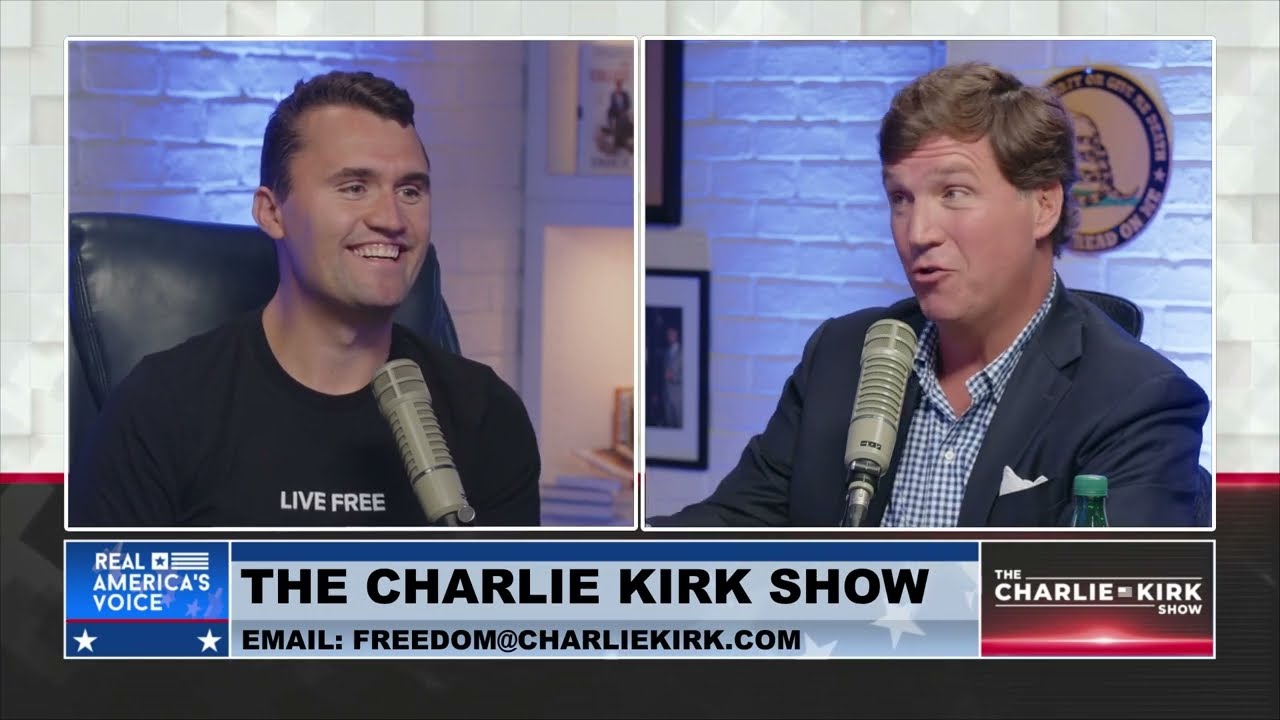
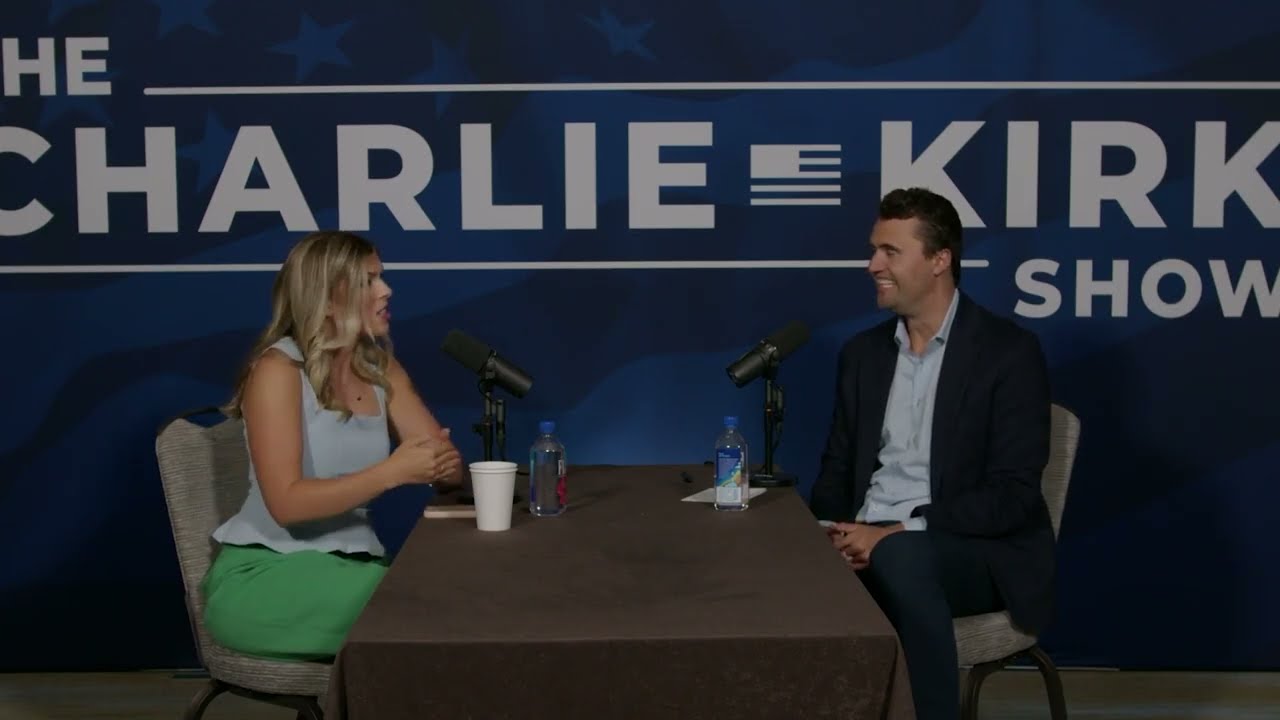
Charlie Kirk is the Founder and President of Turning Point USA, the largest and fastest growing conservative youth activist organization in the country with over 250,000 student members, over 150 full-time staff, and a presence on over 2,000 high school and college campuses nationwide. Charlie is also the Chairman of Students for Trump, which aims to activate one million new college voters on campuses in battleground states in the lead up to the 2020 presidential election. His social media reaches over 100 million people per month and according to Axios, he is one of the "top 10 most engaged" Twitter handles in the world. He is also the host of “The Charlie Kirk Show,” which regularly ranks among the top news shows on Apple podcast charts.
Anson Frericks Exposes How Bud Light Lost Billions and Sparked Corporate America's Awakening
Anson Frericks, former president of Anheuser-Busch, breaks down the catastrophic decision that cost Bud Light billions in shareholder value and sparked a nationwide corporate reckoning. From the Dylan Mulvaney partnership to the 30% sales collapse, Frericks reveals how ESG and DEI policies pushed by BlackRock, State Street, and Vanguard transformed America's most iconic beer brand into a cautionary tale. As the stock plunged 20% while the broader market soared 40%, other companies like Target followed suit, while Walmart thrived by rejecting divisive agendas. Frericks shares the inside story of how corporate America abandoned its customers for stakeholder activism, and why some companies still haven't learned their lesson.
The Cultural Tipping Point That Changed Corporate America
The Bud Light controversy of April 2023 represented more than just a marketing misstep—it marked the cultural bottom, the moment when Americans collectively decided they had enough of corporations injecting themselves into divisive political issues. Anson Frericks, former president of Anheuser-Busch and author of "Last Call for Bud Light," describes it as a red pill moment for the nation.
When Bud Light partnered with Dylan Mulvaney to promote their brand, the backlash was swift and severe. The company lost millions of customers, billions in shareholder value, and saw profits plunge by $2 billion. But the significance extended far beyond one beer brand. This moment forced Corporate America to re-evaluate the controversial DEI and ESG policies that had been implemented across industries, pushed by the Biden Administration, asset managers like BlackRock, State Street, and Vanguard, and consultants like McKinsey.
The Devastating Financial Impact
The numbers tell a stark story. In April 2023, when Anheuser-Busch decided to make Dylan Mulvaney one of the faces of Bud Light, the stock price stood at $65.52 per share. As of the interview, it had fallen to $48.75—a decline of nearly 20%. But the context makes this even more damning: during the same period, the broader stock market rose almost 40%.
Bud Light, which had been the biggest beer brand in America, lost 30% of its sales and 30% of its customers. The damage wasn't contained to just one brand—other Anheuser-Busch products including Budweiser fell deeply, and even growth brands like Michelob Ultra and Busch Light started plunging.
Frericks notes that Bud Light wasn't alone in suffering these consequences. Target experienced a similar fate when they got involved in Pride Month two years prior with their "tuck-friendly bathing suits." Their stock declined double digits over that period. Meanwhile, their biggest competitor Walmart, which ditched divisive DEI policies and focused on customers, saw their stock double during the same timeframe.
How ESG and DEI Infiltrated America's Most Iconic Brand
The transformation of Bud Light from America's beer to a vehicle for social activism didn't happen overnight. Frericks explains both the short and long story of how this came to pass.
The company adopted divisive ESG and DEI policies as part of a broader movement across Corporate America. Large asset managers like BlackRock, State Street, and Vanguard—which collectively manage $20 trillion in capital—became the driving force behind this shift. These institutions receive much of their money from progressive entities like the state of California, the state of New York, and European sovereign wealth funds.
When President Trump was first elected and pulled out of global organizations like the Paris Climate Accord, the UN Human Rights Coalition, and the World Health Organization, these progressive institutions decided corporations needed to solve what they termed "existential crises" like climate change, systemic racism, and police brutality.
As the single largest shareholders in companies like Anheuser-Busch, Target, and Disney, these asset managers wielded enormous power. They voted on shareholder proposals, controlled placement in ESG index funds, and threatened companies that didn't comply. Anheuser-Busch found itself uniquely susceptible to this pressure.
The European Takeover and Cultural Shift
About ten years before the controversy, Anheuser-Busch was bought by a European company called InBev. This acquisition allowed the company's ideology to shift away from American values and focusing on the bottom line toward a European model of being beholden to stakeholders and involvement in programs like ESG and DEI.
The cultural shift was evident in the company's advertising. Anheuser-Busch had previously dominated the Super Bowl ad meter awards, winning more than any other company with their legendary Clydesdales commercials. But they haven't won one since 2011. The company that had been a leader in American culture, known for humor and bringing people together, became a trend follower rather than a leader.
What Made Bud Light Different—And Why It Hurt So Much
The Bud Light controversy stung particularly hard because of what the brand represented. This wasn't Patagonia, a company well-known for left-wing environmental activism. This wasn't Ben & Jerry's, a brand that explicitly tells consumers they use ice cream to advance a socially progressive mission, supporting causes like defunding the police and giving land back to Native Americans.
Bud Light was different. It was heartland America—St Louis, beer-drinking, Midwestern values. The brand had a clear mission: easy to drink, easy to enjoy. It was the most popular beer in America because it was enjoyed by people across the political spectrum. It was about humor, football, and bringing people together. It was authentic. As Frericks notes, using the VP of Marketing's own description, it was "kind of a fratty beer"—fun, the life of the party.
That's what made the Dylan Mulvaney partnership so jarring. When the backlash exploded and Kid Rock used an AR-15 to shoot Bud Light cases, the company found itself trapped. Because they had adopted ESG and DEI policies, they couldn't apologize to their loyal customer base without alienating the progressive stakeholders. But they also couldn't lean into being a Ben & Jerry's-style activist brand without losing even more sales.
The Broader Corporate Reckoning
The Bud Light moment triggered a broader re-evaluation across Corporate America. Some companies learned their lesson and stepped back from controversial positions. Companies like McDonald's, Walmart, and Tractor Supply Company re-evaluated their approach. Other companies doubled down—Costco and JPMorgan reinforced their DEI policies, and DEI officers at various companies filed lawsuits trying to undo some of the Trump administration's legislative agenda.
Frericks argues that the private sector and companies used to be an area where people could come together regardless of whether they were black, white, gay, straight, Democrat, or Republican. People could unite around a company's mission. But over the last several years, workplaces became fragmented environments with companies taking controversial stands on defunding the police, overturning election integrity laws, and Roe v. Wade.
This corporate activism further inflamed division in the country. The message is still being written, and over the next few years, companies will separate themselves based on who continues to get involved in political issues versus those who focus on their mission and customers.
A Clear Market Signal
The market has sent a clear signal about the value of staying focused on customers rather than stakeholder activism. Companies that lean into controversial DEI and ESG agendas continue to shed customers, while businesses that stick to providing great products and services and focus on their mission are thriving.
The divergence is stark: Bud Light down 20-30% while the broader market is up 40%. Target down double digits while Walmart doubled. Companies that are focused on their customers are adding value to their share price and contributing positively to the broader American environment.
The Path to Redemption
When asked if Bud Light has learned its lesson, Frericks is skeptical. He explains that the path to redemption goes through forgiveness, but to be forgiven, you have to admit there was a mistake. Bud Light has not done that.
His book "Last Call for Bud Light" tells the story not only of Bud Light's mistake but of broader Corporate America's adoption of ESG and DEI programs that didn't deliver shareholder value and proved more divisive than unifying. By using Bud Light as the central example—the biggest brand with the most dramatic fall—Frericks makes the story accessible and understandable.
The book serves as both a cautionary tale and a roadmap for what went wrong in Corporate America, what companies need to learn, and what Bud Light must do to win back its customer base. The question remains whether Corporate America will heed the warning or continue down a path that alienates the customers who made these brands iconic in the first place.