
Up Next

John Root and Stephen "MAGA Hulk" Davis Break Down Canadian Trucker Convoy, Biden's Supreme Court Pick, and the Fight Against Mandates
2:29:14

Candace Owens Confronts House Committee on Democrats Using Black America as Political Pawns for Power
45:46

George Farmer Opens Up About Marrying Candace Owens After 18 Days, Converting to Catholicism, and Building a Life Under Fire
1:17:10
Related Books
Browse Conservative Books










Candace Owens on Black Americans Being the Luckiest in All of Human History
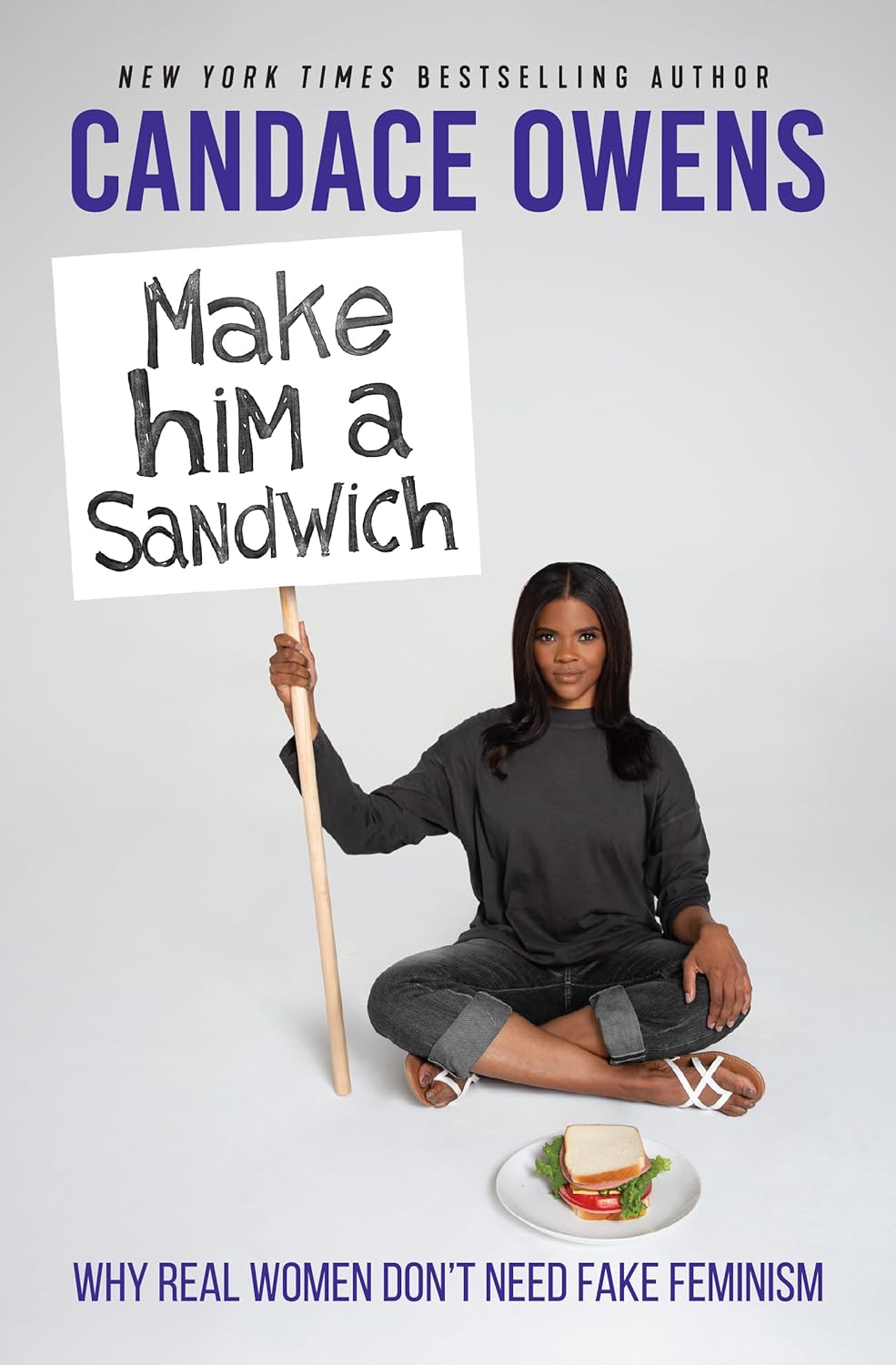
Candace Owens makes a bold statement about Black Americans living today, arguing they are the luckiest Black people in all of human history. She discusses her book 'Blackout,' shares her journey from political indifference to conservative activism, and draws parallels between historical slavery and modern Democratic policies. Owens challenges the victim narrative, advocates for what she calls a 'victor mentality,' and issues a provocative challenge to those who claim America oppresses Black citizens. Her message centers on education, family breakdown, and policy consequences in Black communities.
The Luckiest Black People in Human History
Candace Owens makes one of her most provocative statements about Black Americans living in the United States today: they are the luckiest among the luckiest of Black people that have ever lived anywhere on the face of the planet throughout all of human history. This bold claim serves as the foundation for her perspective on American opportunity versus victimhood narratives.
To support this argument, Owens poses a simple question: where would Black Americans prefer to live instead? She challenges anyone claiming to have been stolen from their ancestors to accept her offer—she will personally book flights to Africa for any Black American willing to renounce their U.S. citizenship and move back. The point, she argues, is that no one takes this offer because deep down, everyone recognizes America as the greatest place they could possibly live.
The Journey Behind 'Blackout'
Owens discusses her book 'Blackout,' which she wrote to address widespread speculation about her political transformation. Many questioned whether she was a legitimate conservative or some kind of plant, not realizing that she had simply been apolitical for most of her life. She had never even voted before becoming politically active and had defaulted to thinking she had to be a Democrat and a liberal without questioning why.
Looking back, Owens recognizes how everything bad that happened in her life was rooted in bad policies and bad politicians. The book's subtitle, 'How Black America Can Make Its Second Escape from the Democrat Plantation,' reflects her central thesis: Black Americans are still enslaved today, just in a different form. According to Owens, the left got smarter and realized they couldn't enslave people's bodies anymore, but they could still have Black Americans doing all the work for the Democratic Party while reaping no benefits.
Historical Parallels Between Slavery and Modern Policy
Owens draws specific parallels between historical slavery and contemporary Democratic policies affecting Black communities. She points to the deliberate breakdown of families during slavery, where enslaved people were constantly traded from one plantation to another to prevent any feelings of kinship or familial love. She references Frederick Douglass's autobiography, where he describes feeling nothing when his mother died or when his sisters were traded—this emotional disconnect was necessary to the institution of slavery.
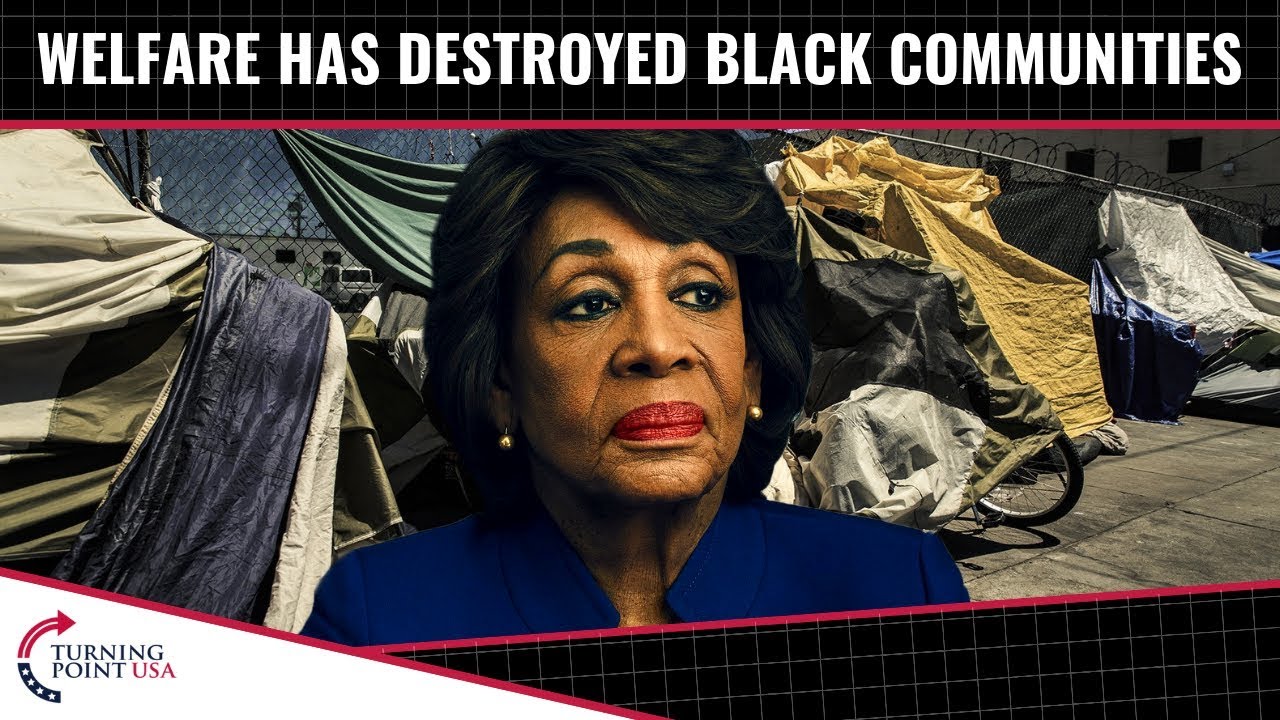
According to Owens, despite the Reconstruction era post-slavery when Black families reunited and began building communities, this progress has been wiped out at a higher rate than during slavery itself. She notes that in the 1950s, Black Americans were outpacing whites in terms of economic growth. However, immediately following the 1960s and the Great Society Act, everything started falling apart due to systemic oppression introduced through the welfare system.
Education as a Tool of Control
One of the most striking parallels Owens draws concerns education. During slavery, it was illegal for Black Americans to learn how to read. If a white person was caught teaching their slave to read, they would be found guilty too. The reason for this prohibition was clear: slave owners didn't want Black people being educated because an educated mind can't be enslaved.
Owens asks what has changed when looking at literacy rates in Black America today. She points to cities like Baltimore and inner cities in California, where 70 percent of Black boys cannot pass a basic literacy exam. Yet politicians claim to care about Black Americans while not addressing the issues actually harming Black communities and recreating the very same plantation conditions their ancestors escaped.
Progressive Policies and Their Consequences
Owens questions why progressive policies consistently lead to regressive results for the Black community first and foremost. She references a statement from Bernie Sanders during a debate where he expressed wanting not only to legalize marijuana but also to have Black business owners owning marijuana shops specifically in Black communities. While Owens acknowledges being generally pro-legalization, she sees this specific policy as incentivizing dysfunction in Black communities.
She expresses conservative concerns about marijuana legalization when it comes to its implementation in Black communities, particularly citing Chicago's recent marijuana laws. Owens admits she isn't smart enough to firmly navigate the debate between alcohol and marijuana, but she questions how conservatives can make a sound argument against legalization while observing what she sees as targeted implementation in struggling communities.
Rejecting Victimhood, Embracing Victory
Rather than making predictions about the future, Owens uses 'Blackout' to give Black Americans a guide and an option—the same option she saw when she started waking up politically. She presents a choice: accept the victim narrative, accept the diagnosis of terminal cancer even though you feel fine and have been living fine, or develop what she calls a 'victor mentality.'
This victor mentality involves looking back at ancestors and grandparents, reflecting on what they did, what they lived through, and the seeds they planted so that current generations can afford to be in the circumstances they are today. Owens emphasizes that perspective matters more than accepting narratives of oppression and limitation.
A Challenge to Critics
Owens stands by her provocative offer: she will book flights for any Black American who says they were stolen from their ancestors and wants to renounce their U.S. citizenship to move back to Africa. She extends this to Europe as well. When asked if she wants to cap this offer at ten people just in case people take her up on it, she confidently states there will be none, comparing it to similar offers made to people who claimed to hate America during the Trump era—nobody took the bait then either.
The point of this challenge is to demonstrate that deep down, people recognize American opportunity for what it is. One supporter even offered to guarantee a first-class upgrade for anyone who takes Owens up on the offer, with the conditions that they must renounce their citizenship and actually move to Africa.
Video Transcript
[00:00] look back at your ancestors look back at
[00:02] your your grandparents look back at what
[00:04] they did
[00:05] what they lived through the seas that
[00:06] they planted that you can afford to be
[00:08] in the circumstance that you are in
[00:09] today
[00:10] if you are a black american and you are
[00:12] breathing in the united states today
[00:14] you are the luckiest among the luckiest
[00:16] of black people that have ever lived
[00:17] anywhere on the face
[00:19] of the planet that is an incredible
[00:21] statement all of human history
[00:22] the luckiest black people that have ever
[00:24] lived on the face of the human planet
[00:25] are the ones that are living and
[00:26] breathing
[00:27] in america today okay if you understand
[00:30] that
[00:30] and you should understand it by simply
[00:32] saying where would you like to live in
[00:33] africa
[00:34] for all that that that that hoopla about
[00:37] they took us from africa find me a a
[00:40] black american that will tell you they
[00:41] want to move back to africa i will
[00:43] listen right now or europe
[00:45] i'll book the flights for them all right
[00:47] for any person that says we were stolen
[00:48] from our ancestors i can of someone's in
[00:50] pledging
[00:51] that i will book the flights if you were
[00:52] announced your u.s citizenship for you
[00:54] to go live back in africa
[01:02] all right so speaking of books i don't
[01:03] have a copy of black out here
[01:05] because the galleys have not arrived yet
[01:07] they have not arrived the galleys are on
[01:08] the way
[01:09] i know that a lot of what we discussed
[01:11] here obviously is what blackout
[01:12] is about but what what maybe did i miss
[01:16] or should we should we hit on or you
[01:19] know so blackout for me
[01:20] it was i really wanted to first and
[01:22] foremost lay out my personal story
[01:23] there's been a lot of conjecture about
[01:25] where i came from how i became
[01:26] conservative is she a fraudulent
[01:28] conservative and
[01:29] all of that craziness because people
[01:31] don't realize that i just was a
[01:32] political if anything else like to be
[01:34] clear you're not some sort of secret
[01:35] agent no
[01:36] remember you really have been there
[01:38] through all of them i've been there
[01:40] i mean the youtubers like digesting my
[01:43] entire life saying like
[01:44] she must be a plant like i mean a soros
[01:46] plant i'm like i've never even voted
[01:47] like i literally prior to getting
[01:50] getting into things i had i
[01:51] genuinely just was not politically
[01:52] inclined um and i just thought i had to
[01:55] be a democrat and thought i had to be a
[01:56] liberal and
[01:57] you know looking in the retrospect i
[01:59] realized how foolish that is um
[02:01] you know that i didn't realize that
[02:02] everything was really that everything
[02:04] that
[02:04] bad happened in my life was really
[02:05] routed to a bad
[02:07] policies and bad politicians um but i
[02:09] wanted to first lay out just my personal
[02:11] story um you know the subtitle of the
[02:12] book is how black america can make its
[02:14] second
[02:15] escape from the democrat plantations um
[02:18] and i do believe
[02:19] um i say this all the time people get
[02:21] upset that black americans are still
[02:23] enslaved today
[02:24] that the left just got smarter and they
[02:25] realize that you you you can enslave
[02:27] people
[02:28] um their bodies you can't have black
[02:30] black americans on the plantation
[02:32] anymore but you can still have black
[02:33] americans doing all the work for you
[02:35] and reaping no benefit and that is a
[02:37] structure that we see today between
[02:38] black america and the democratic party
[02:40] we are doing all the work we get we
[02:41] carry them over the finish line
[02:43] and we benefit not in one single way um
[02:46] and so i really kind of lay out that
[02:48] argument
[02:48] um and then talk about what slave life
[02:50] was really like the breakdown of family
[02:52] why it was necessary for families to be
[02:54] broken down
[02:55] uh to trade constantly be trading um
[02:57] slaves from one plantation to the nut to
[02:59] the next they could they could have no
[03:00] feelings for one another
[03:02] at frederick douglass uh in his
[03:03] autobiography the first couple of pages
[03:06] and he starts talking about his life as
[03:07] a slave
[03:08] uh he talks about the fact when his
[03:09] mother died he felt nothing uh when his
[03:11] sisters were treated
[03:12] he felt nothing he had no sense of
[03:14] kinship no no familial love
[03:17] for his own blood that was necessary to
[03:19] the institution of slavery we still have
[03:21] that kinship and that relationship and
[03:22] that community still broken down
[03:24] all of these years later later despite
[03:26] the reconstruction era post slavery
[03:28] uh which we saw black american families
[03:30] getting back together we were we were
[03:32] doing something um it's all been wiped
[03:34] out at a higher rate by the way
[03:35] until about 72 or so yeah in the 1950s
[03:38] uh black americans were outpacing whites
[03:41] in terms of economic growth
[03:42] and then immediately following you know
[03:44] the the 1960s and the great society act
[03:47] um and the systemic oppression which
[03:49] started via the welfare system
[03:50] everything started falling apart
[03:52] um and uh reading another another topic
[03:55] talking going back to slavery uh black
[03:57] americans it was illegal for black
[03:59] americans to learn how to read
[04:00] in fact it was so illegal that if you
[04:01] were a white person you were taught
[04:03] and you were and you were caught
[04:04] teaching your slave to read you would be
[04:07] found guilty too it was a serious sin
[04:09] the reason for that is uh because they
[04:10] didn't want black people being educated
[04:12] because an educated mind can't be
[04:13] enslaved
[04:14] well what's changed look at the literacy
[04:16] rates in black america today
[04:18] look at baltimore look at the inner
[04:19] cities look at where in california
[04:21] california
[04:22] 70 percent of black boys could not pass
[04:24] a basic literacy exam
[04:26] nobody is talking about that you have
[04:28] politicians that are standing on stage
[04:29] saying that all they care about is black
[04:31] americans they're not talking about
[04:33] everything that is harming black
[04:34] americans today everything that is
[04:36] recreating
[04:37] the very same plantations that we came
[04:39] from did you catch that brilliant line
[04:41] that bernie had in one of the debates
[04:42] which is he wants he's not only so
[04:44] pro-marijuana that he wants it to be
[04:45] legal
[04:46] but he also wants to have uh black
[04:49] community blacks
[04:50] black business owners owning black
[04:52] marijuana shops
[04:54] right in black communities i did not
[04:55] catch that and again i say this i say
[04:56] this as someone that's pro legalizing
[04:58] but like we're going to incentivize
[05:00] black people to own
[05:01] black marijuana right shops in black
[05:04] communities that that
[05:05] right and that's and that's why i don't
[05:07] celebrate by the way why i am
[05:09] conservative on the marijuana front is
[05:10] because when you talk about
[05:11] where this is happening chicago i think
[05:13] just passed you know marijuana laws
[05:15] it is to me i i i know it's it's going
[05:18] to lead to more dysfunction
[05:20] um you know amongst black america first
[05:21] and foremost because that's how it
[05:22] always is
[05:23] you know it's it's what is it about
[05:25] progressive policies that always leads
[05:27] to progressive results for the black
[05:28] community
[05:29] first and foremost and um so i i
[05:32] am loathe uh to to be smart enough to
[05:36] see the debate between
[05:38] alcohol and marijuana so that i can't
[05:40] firmly say
[05:41] marijuana but i have a thinking brain
[05:43] and i just don't see how conservatives
[05:45] can make a sound argument against it at
[05:47] the moment
[05:48] what else has to happen for the black
[05:50] community to break
[05:52] i'm gonna guess although i don't have
[05:53] the book yet that at the end you're
[05:54] gonna you either make some predictions
[05:56] or you
[05:57] tell people what tools they need to
[05:59] really break out of this
[06:00] yeah you know it's it's not even about
[06:02] making predictions and i have my own
[06:04] personal predictions but i definitely am
[06:05] not doing that in the book i'm giving
[06:06] black americans a guide i'm giving
[06:08] giving black americans an option uh the
[06:10] same option
[06:11] that i saw before me when i started
[06:13] waking up and i'm having this
[06:14] conversation with you
[06:16] um you can you can have the option to
[06:17] accept this victim narrative right you
[06:19] can have the
[06:20] option to say i accept this diagnosis of
[06:22] cancer even though i feel fine walk fine
[06:24] and have been living fine my entire life
[06:26] i accept that it's terminal illness and
[06:28] i'm gonna live like i'm gonna die
[06:30] any moment or or you can you can develop
[06:33] a different perspective
[06:34] and you can develop a victor mentality
[06:35] as i say forget the victim mentality
[06:37] develop a victor mentality
[06:38] um look back at your ancestors look back
[06:41] at your your grandparents look back at
[06:43] what they did
[06:44] what they lived through the seas that
[06:45] they planted so that you can afford to
[06:47] be in the circumstance that you are in
[06:48] today
[06:49] if you are a black american and you are
[06:51] breathing in the united states today
[06:53] you are the luckiest among the luckiest
[06:55] of black people that have ever lived
[06:56] anywhere on the face
[06:58] of the planet that is an incredible
[07:00] statement all of human history the
[07:02] luckiest black people that have ever
[07:03] lived on the face of the human planet
[07:04] are the ones that are living and
[07:05] breathing
[07:06] in america today okay if you understand
[07:09] that
[07:09] and you should understand it by simply
[07:11] saying where would you like to live in
[07:12] africa
[07:13] for all that that that that hoopla about
[07:16] they took us from africa find me a a
[07:19] black american that will tell you they
[07:20] want to move back to africa i will
[07:22] listen right now or europe i'll book the
[07:25] flights for them
[07:26] right for any person that says we were
[07:27] stolen from our ancestors i can of
[07:29] course i'm pledging
[07:30] that i will book the flights if you
[07:31] renounce your u.s citizenship for you to
[07:33] go live back in africa you want you want
[07:34] to cap this at maybe 10 people just in
[07:36] case people are punking
[07:37] there's none we did this we did the same
[07:39] craziness with the trump i hate america
[07:41] everyone offered their money in flights
[07:43] i think you might have died
[07:45] nobody took nobody took the bait right
[07:47] because they know
[07:48] america is the greatest place they could
[07:49] possibly live um and
[07:51] you know what if someone takes you up on
[07:52] this i'll guarantee one one first class
[07:55] upgrade
[07:55] that's amazing i will do that there we
[07:57] go right here first class upgrades
[07:59] go to america but you have to renounce
[08:00] your citizenship to america
[08:02] and move to africa that's really what
[08:04] you want to do if you're looking for
[08:05] more honest and thoughtful conversations
[08:07] about politics instead of non-stop
[08:09] yelling check out our politics playlist
[08:11] and if you want to watch full interviews
[08:13] on a variety of topics watch
[08:15] our full episode playlist all right over
[08:17] here
[08:18] and to get notified of all future videos
[08:20] be sure to subscribe and click the
[08:21] notification bell



Comments
Be the first to comment on this video.