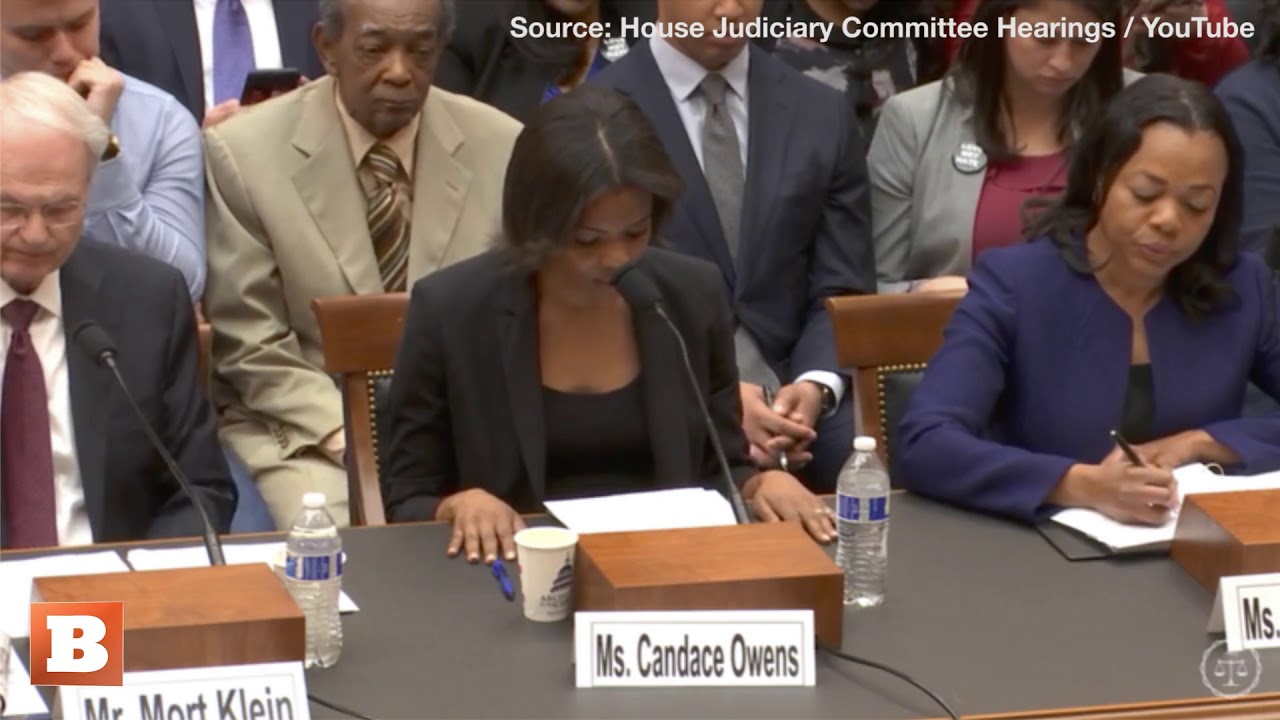
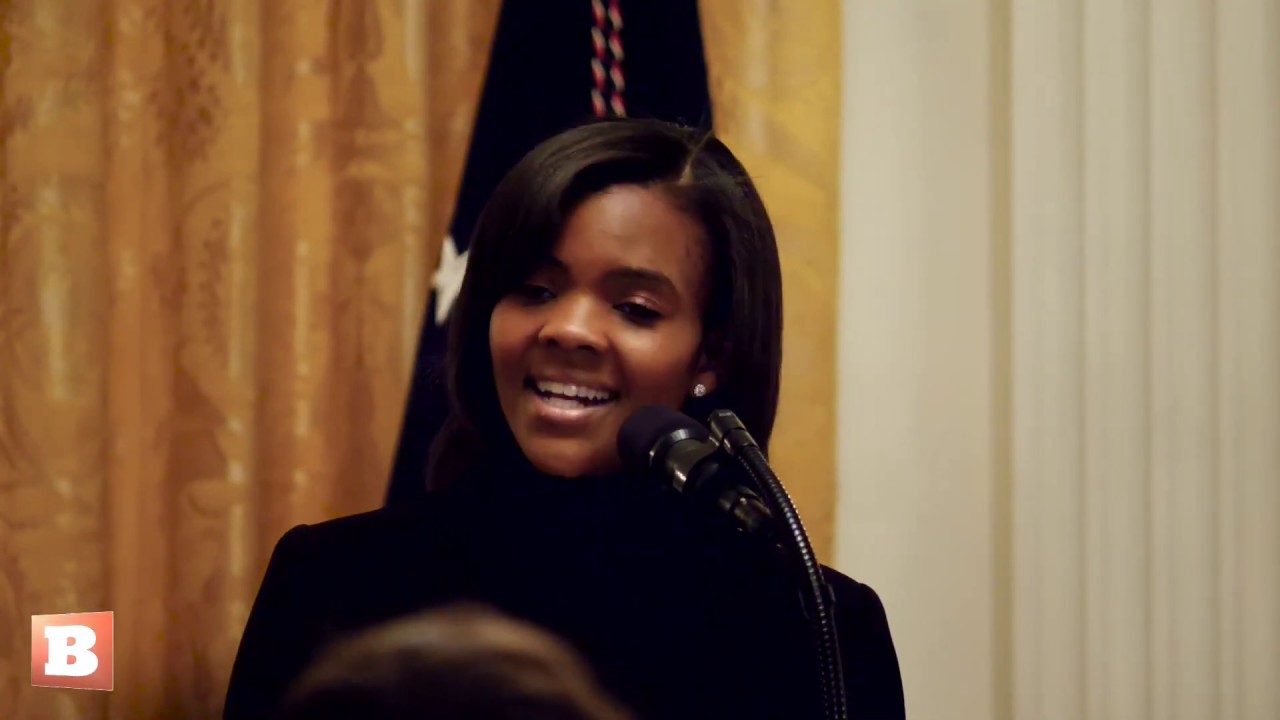
Candace Owens Testifies Against Reparations and Exposes Democrats' Pandering to Black Americans
Enjoying this? Share it with someone who needs to see it.
Up Next
Candace Owens on Victimhood Culture, Big Tech Power, and the Future of Black America
39:44
Joe Biden's Charlottesville Myth and the Reality of His Record on Race and Policy
2:05
Candace Owens Confronts Double Standards After Congresswoman Uses Racial Slur Against Black Conservative
0:35
Candace Owens Testifies Against Reparations and Exposes Democrats' Pandering to Black Americans
Candace Owens testified before Congress against the Democratic push for reparations, calling it an obvious scam and election-year pandering. She challenged the narrative that white supremacy is a major threat facing Black America and argued that 22 trillion dollars spent on welfare programs has left Black Americans worse off than when these programs began. Owens contends that Black communities need better policies, not handouts, and that Democrats rely on emotional manipulation rather than treating Black voters as intelligent citizens who can see through their rhetoric.
Candace Owens appeared before Congress to testify against the Democratic Party's push for reparations. Her testimony focused on challenging the assertion that white supremacy represents a significant burden or threat facing Black America today. Owens characterized this narrative as a joke and used her platform to expose what she views as deliberate political manipulation.
The testimony specifically addressed reparations, which Owens described as one of the most obvious scams currently being presented to the American public. She pointed to the timing of these discussions, noting how Democratic figures like Cory Booker suddenly proposed forming panels to discuss reparations just ahead of election cycles. This pattern, according to Owens, represents classic political pandering.
The Welfare Industry's Failed Promise
Owens presented a striking argument about the effectiveness of government handouts for Black Americans. She noted that approximately 22 trillion dollars has been funneled into the welfare industry, yet Black Americans are actually poorer today than when these programs began. This data point serves as the foundation for her argument that handouts fundamentally fail to address the real needs of Black communities.
Rather than more government assistance programs, Owens argued that Black Americans need better policies that create genuine opportunities for advancement. The decades-long experiment with welfare programs, despite their massive price tag, have failed to deliver wealth or prosperity to the communities they were designed to help.
Challenging Democratic Assumptions About Black Voters
A central theme in Owens' testimony was her assertion that Democrats fundamentally misunderstand and disrespect Black voters. She accused the Democratic Party of believing that Black Americans are stupid and overly emotional, incapable of seeing through transparent political manipulation. This assumption, she argued, underlies their entire approach to Black voter outreach.
Owens positioned herself as someone who speaks out against what she calls the trickery and rhetoric that emerges from the left during every election cycle. She believes Black Americans are intelligent enough to recognize when they're being pandered to and can distinguish between substantive policy proposals and empty gestures designed to secure votes without delivering real change.
The Pattern of Election-Year Pandering
The timing of reparations discussions became a key point in Owens' critique. She highlighted how these conversations conveniently surface ahead of major elections, suggesting they are strategic political moves rather than genuine policy initiatives. This pattern of behavior, repeated across multiple election cycles, demonstrates what Owens sees as a cynical approach to engaging Black voters.
By exposing these tactics, Owens aims to encourage Black Americans to look beyond emotional appeals and symbolic gestures toward the actual policy record and proposals that will impact their daily lives. Her testimony represents a challenge to conventional political narratives about race in America and what Black communities truly need from their elected officials.