2,422 videos 1,389,747,653 views US Joined Aug 30, 2018
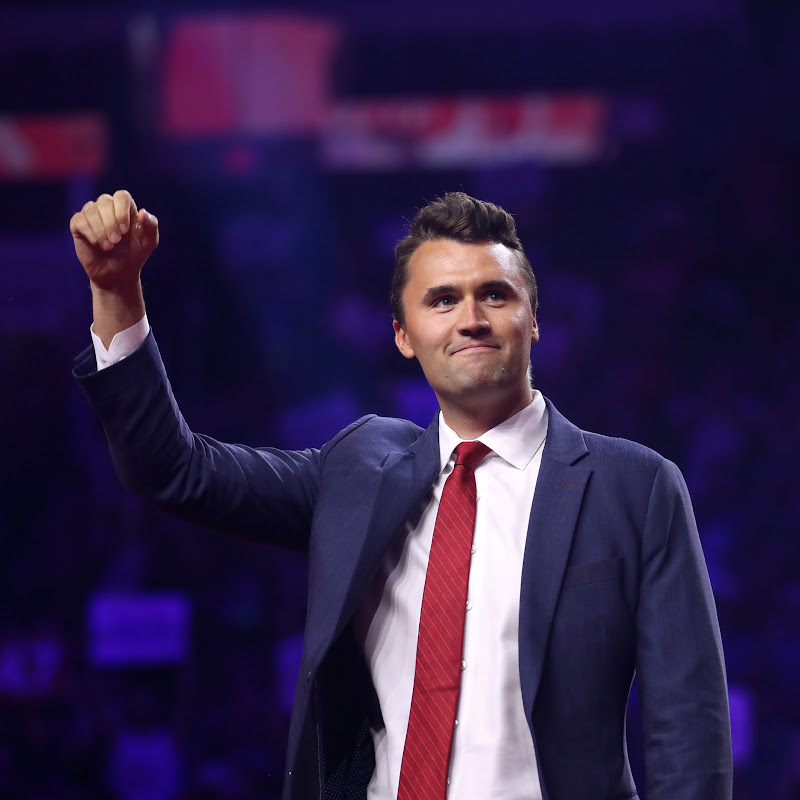
Charlie Kirk is the Founder and President of Turning Point USA, the largest and fastest growing conservative youth activist organization in the country with over 250,000 student members, over 150 full-time staff, and a presence on over 2,000 high school and college campuses nationwide. Charlie is also the Chairman of Students for Trump, which aims to activate one million new college voters on campuses in battleground states in the lead up to the 2020 presidential election. His social media reaches over 100 million people per month and according to Axios, he is one of the "top 10 most engaged" Twitter handles in the world. He is also the host of “The Charlie Kirk Show,” which regularly ranks among the top news shows on Apple podcast charts.
Charlie Kirk and Jason Whitlock Discuss Jay-Z Lawsuit, Cultural Decay, and Bold Faith in Sports
Charlie Kirk and Jason Whitlock examine the civil lawsuit filed against Jay-Z by attorney Tony Busby, exploring connections between the music industry, Hollywood, and cultural influence. The conversation shifts to a powerful display of faith from Boise State's coach after their championship game, highlighting a growing trend of athletes and coaches openly proclaiming their Christian beliefs on national television. Whitlock argues that the level of wickedness in culture is forcing believers to stand more boldly, while Kirk notes this represents a significant shift from just five years ago when such declarations were rare.
Jay-Z Named in Civil Lawsuit by Prominent Attorney
Charlie Kirk opens the discussion by addressing a breaking story involving Jay-Z, who has been named in a civil lawsuit filed by Tony Busby, described as a serious attorney who previously defended Ken Paxton in his impeachment trial. Kirk acknowledges that he typically avoids celebrity news and intentionally tries to know as little as possible about random celebrities, but felt this particular case warranted attention. He turns to Jason Whitlock to provide context and analysis for both himself and the audience.
The Music Industry's Dark Connections
Jason Whitlock provides a stark analysis of what he describes as systemic problems in the music industry, particularly within commercial hip hop. He draws parallels between industry practices and the Epstein scandal, suggesting that sexually compromising influencers and celebrities creates mechanisms of control. According to Whitlock, this explains the monolithic political alignment within the music industry and Hollywood, arguing that these figures lack true freedom due to being controlled.
Whitlock expresses no surprise at Jay-Z being linked to what he describes as the criminality and immorality associated with Sean "Diddy" Combs. He states he has never supported Jay-Z's music, citing what he perceives as occult attachments throughout the artist's work. Whitlock welcomes the exposure of both Jay-Z and Diddy, referencing Diddy's "Vote or Die" campaign in support of the Democratic Party.
Cultural Decay and the Nihilistic Mindset
Whitlock connects the lawsuit to broader cultural issues, arguing that the music produced by Jay-Z, Diddy, and others in hip hop promotes a nihilistic mindset that fuels what he describes as child sacrifice and child abuse. He contends that the exposure of wrongdoing in the music industry and Hollywood speaks to overall cultural decay in America.
He poses a provocative question about how a country reaches a point where a political platform is based on abortion rights, answering his own question by suggesting it happens by bathing the culture in nihilism. Whitlock argues this music plays a central role in creating the mindset where half the country views abortion as a constitutional right and key to freedom.
Details of the Lawsuit
The lawsuit involves accusations against Jay-Z related to the assault of a 13-year-old girl. In response, Jay-Z released a statement threatening the lawyer assisting the alleged victim. Whitlock notes that based on Jay-Z's music and the visual symbols associated with his music videos, this type of behavior would not be surprising.
Kirk identifies Tony Busby as a serious lawyer, and Whitlock provides additional context about Busby's reputation. He mentions that Busby represented the accusers of NFL quarterback Deshaun Watson, who faced allegations from 25-30 massage therapists. Whitlock describes Busby as pretty successful with a well-established reputation in the Houston area, noting that he has not backed down despite Jay-Z's threatening statement.
Whitlock finds Jay-Z's claims of honor laughable, pointing out the contradiction of someone who has bragged for years about being a drug dealer now talking about how honorable he is and claiming there was a code in his community about protecting kids. Whitlock questions this assertion, asking how poisoning parents and selling drugs throughout the community protected children.
Bold Faith Declarations in Sports
Kirk transitions to a more positive topic, discussing his weekend watching football. Despite attending a big event at Mar-a-Lago, he mentions that as soon as the event ended, he had an iPad ready for the Big Ten Championship game. He describes football as cathartic and a way to relax.
Kirk notes he received clips of vocal testimonies from athletes talking about their faith in Jesus, more so than he has seen in quite some time. He highlights one particular example from the coach of Boise State University, which only lost to Oregon and should be watched closely. The coach spoke about baptizing Ashton Jeanty, whom Kirk believes should win the Heisman Trophy.
In the featured clip, the coach proclaims "Thank you Jesus" and states that Jesus deserves all the glory, describing Jesus as a champion who died on the cross but rose again three days later. The coach declares "that's the God I serve" and emphasizes that everything is possible, praising his players for not running from hard work and continuing to persevere.
A Cultural Shift Toward Open Faith
Kirk questions whether such an explicit declaration would have been seen on network TV five years ago. Whitlock agrees, noting that in the past, people might have offered a brief "I just want to thank God" before moving on, but now people are being far more specific and bold in their proclamations.
Whitlock attributes this shift to the current times, arguing that the level of wickedness in culture is forcing people to be clearer about where they stand. He explains that when people see celebrities endorsing what they perceive as wickedness, others want to make it clear they're not with that. The best way to make that distinction, according to Whitlock, is to let everyone know who you are actually with, which is Jesus Christ.
Whitlock expresses gratitude for the level of wickedness that's out in the open because it's forcing believers to stand more boldly and quit apologizing about their Christian faith. He argues that Christians have been closeted, but now many people are boldly coming out about their faith and serving Jesus Christ.
The Culture at Boise State
Whitlock reveals he has a good friend on the coaching staff at Boise State who serves as one of their defensive coordinators. This friend has told him about the culture they've established at the university and how much they lean into their faith. Whitlock credits this faith-centered culture as the reason for their achievements, including those of Ashton Jeanty.
He points to a broader trend in sports, mentioning Harrison Butker and noting that many people are making it crystal clear where they stand. There are more after-game and pregame prayers on the field happening publicly. Whitlock concludes by suggesting that Tim Tebow was ahead of his time, noting that if he were playing now, he would be celebrated rather than vilified.