2,422 videos 1,389,747,653 views US Joined Aug 30, 2018
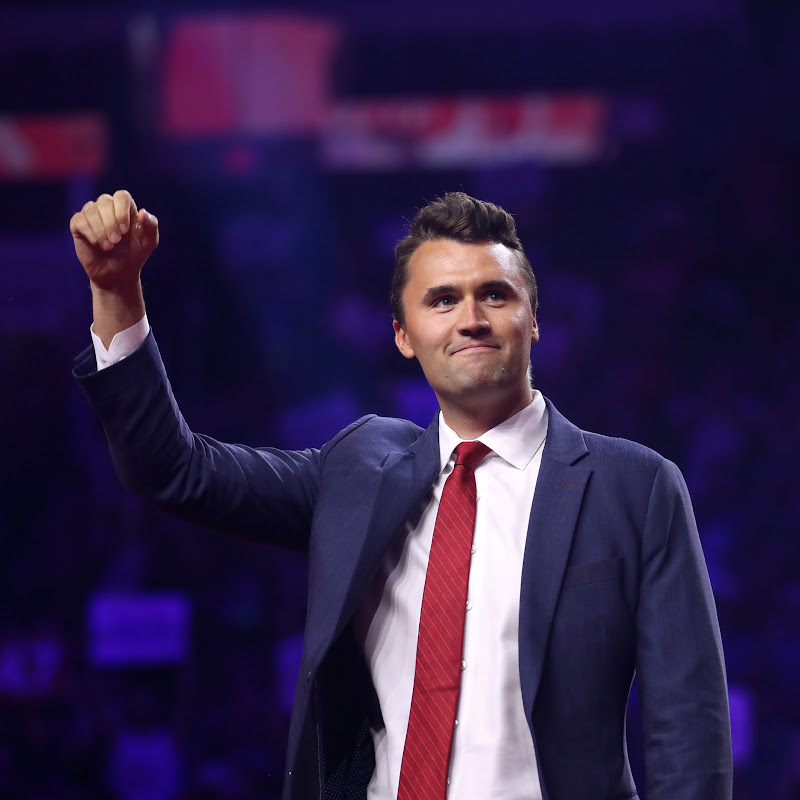
Charlie Kirk is the Founder and President of Turning Point USA, the largest and fastest growing conservative youth activist organization in the country with over 250,000 student members, over 150 full-time staff, and a presence on over 2,000 high school and college campuses nationwide. Charlie is also the Chairman of Students for Trump, which aims to activate one million new college voters on campuses in battleground states in the lead up to the 2020 presidential election. His social media reaches over 100 million people per month and according to Axios, he is one of the "top 10 most engaged" Twitter handles in the world. He is also the host of “The Charlie Kirk Show,” which regularly ranks among the top news shows on Apple podcast charts.
Charlie Kirk and Kane from Citizen Free Press Warn Against Election Overconfidence Six Days Out
Charlie Kirk and Kane from Citizen Free Press deliver a stark reality check on the state of the election just six days before voting concludes. While early voting numbers show promise in Arizona, Nevada, Georgia, and North Carolina, both emphasize that cockiness could hand the White House to Kamala Harris. They dissect the path to 270 electoral votes, warn that winning these four swing states might still result in a 270-268 loss without Nebraska's electoral vote split, and discuss why one Blue Wall state—Michigan, Wisconsin, or Pennsylvania—remains essential. Kane breaks down surprising opportunities in New Mexico, Minnesota, New Hampshire, and Virginia, while highlighting challenges in Pennsylvania's early voting system and the critical need for maximum turnout in the final days.
Charlie Kirk opens with a jarring statement that captures the precarious nature of the election: even winning Georgia, North Carolina, Nevada, and Arizona could result in a 270-268 loss. When someone asks him for inauguration tickets, Kirk screams "what" in disbelief. Kane from Citizen Free Press shares his shock at such confidence, emphasizing that none of these four states are guaranteed wins.
Kirk delivers a blunt warning: "Cockiness is a cancer and cockiness will hand the White House to Kamala Harris." While early voting numbers show positive signs and ground game energy looks strong, both Kirk and Kane stress that the work is far from finished. The conversation shifts from optimism to strategic analysis of what it will actually take to secure victory.
Reading the Tea Leaves Across Swing States
Kane explains the complexity of interpreting early voting data. Different states require different analytical approaches—some states allow examination of actual ballots, others only provide registration data, and still others require looking at demographic breakdowns including ethnicity and gender. He cautions against overconfidence even in Arizona, where Republicans hold a seven-point lead, noting the state is "full of McCain Republicans" and has the highest percentage of independent voters in the country.
In Nevada, Kane identifies an interesting trend: Republicans are benefiting from same-day registration, gaining a net 700 voters over Democrats according to analysts Michael Pruser and Jon Ralston. Despite Ralston being a liberal who runs the Nevada Independent, Kane notes he's honest in his reporting of the numbers.
The Rural Vote Advantage
Kane discusses the importance of "boosting the rurals"—maximizing turnout in rural counties that historically vote Republican. He points to states like Virginia where 75 of 80 counties are red, yet Democrats win through dominance in Richmond, Newport News, and Northern Virginia. The problem, Kane argues, is that rural counties that should be voting 90-10 Republican are only delivering 70-30 or 75-25 margins.
This rural surge appears to be helping in Georgia and definitely in Nevada. North Carolina looks good but remains tight among the early voting states. The rural vote strategy represents a critical piece of the electoral puzzle that could make the difference in multiple battleground states.
Pennsylvania's Unique Challenges
Pennsylvania presents a different situation entirely. Kane explains that Pennsylvania doesn't really have early voting culture—instead, they have a system where voters can request an absentee ballot, fill it out on the spot at county offices, and turn it in immediately. This has created significant problems in the final days before the election.
Long lines have formed at county offices because officials expected people to request ballots and leave, not fill them out on site. Making matters worse, Trump voters who have waited hours in line have been turned away for days. Kane emphasizes that voters have the right to stay in line and fill out their ballots there, especially on the final day of this process.
Blake notes that Pennsylvania doesn't have early voting culture at all—everyone just shows up on Election Day. This makes the state particularly difficult to read compared to states with robust early voting systems.
The Blue Wall Requirement
Kirk frames the central challenge: they need to win at least one of the three Blue Wall states—Wisconsin, Michigan, or Pennsylvania. He describes the situation as a "Shakespearean tragedy," noting that if Nebraska had adopted a winner-take-all system instead of splitting electoral votes by district, this pressure wouldn't exist. Kirk expresses frustration that Nebraska leaders chose not to make this change, with one leader literally telling him "Kamala becoming president is not my problem."
When pressed on which Blue Wall state looks best, Kane chooses Michigan. He cites several factors: Jill Stein and Cornell West pulling votes from Democrats, and a surging Muslim and Arab vote for Trump. He notes this demographic shift isn't limited to Michigan but also appears in Minnesota and Pennsylvania.
However, Kane refuses to express strong confidence about any of the three Blue Wall states, describing himself as "a warrior by nature" who won't relax regardless of positive signs.
Sleeper States in Play
Beyond the traditional battlegrounds, Kane identifies several surprising opportunities:
New Mexico: Within three points in recent polling
Minnesota: Within two points in recent polling, also benefiting from Muslim and Arab vote shifts
New Hampshire: Multiple recent polls within two points, one showing Trump leading
Virginia: Potentially winnable through rural turnout, though Kane worries about excessive turnout in Northern Virginia where federal bureaucrats fear Elon Musk's government efficiency plans
New Jersey: Phil Murphy only won by three points against an unknown Republican, and early voting shows Republicans even with Democrats at 43-43
Maine: The northern district loves Trump (working-class lobstermen from Bangor), though the full state remains unlikely due to Portland's liberal population
Kane urges maximum effort in all these states, emphasizing they are winnable with sufficient turnout.
New Hampshire's Unique Dynamics
Blake provides detailed analysis of New Hampshire, explaining it's a "very swingy state" that over-swings compared to national trends. Trump nearly won it in 2016 by about 3,000 votes—Blake notes that if Dartmouth College were located on the Vermont side of the river instead of New Hampshire, Trump would have won the state.
The state swung hard toward Biden in 2020, going from a half-percent loss to a 10-point loss, but could swing back equally hard. Blake expresses skepticism about Trump's chances there, noting the state is very college-educated with few Hispanic and Black voters (demographics where Trump has made gains), and likely has many voters offended by January 6th. Kane clarifies that Northern Maine is very blue with "granola types" similar to Vermont, concentrated in Grafton County where Dartmouth is located.
Final Call to Action
Kane delivers a passionate closing message about the attitude needed in the final six days. After working for six months—some for six years—six more days is nothing. He urges everyone not to back off, stating he will have no regrets because he worked harder than he's ever worked toward anything.
Kirk echoes this sentiment, calling on supporters to work so hard they "literally brought your entire life to a stall and collapsed." The message is clear: overconfidence is the enemy, and only maximum effort in the final days will secure victory. Every vote in every state matters, and the path to 270 electoral votes remains narrow and challenging despite positive early voting signs.