2,422 videos 1,389,747,653 views US Joined Aug 30, 2018
Charlie Kirk is the Founder and President of Turning Point USA, the largest and fastest growing conservative youth activist organization in the country with over 250,000 student members, over 150 full-time staff, and a presence on over 2,000 high school and college campuses nationwide. Charlie is also the Chairman of Students for Trump, which aims to activate one million new college voters on campuses in battleground states in the lead up to the 2020 presidential election. His social media reaches over 100 million people per month and according to Axios, he is one of the "top 10 most engaged" Twitter handles in the world. He is also the host of “The Charlie Kirk Show,” which regularly ranks among the top news shows on Apple podcast charts.
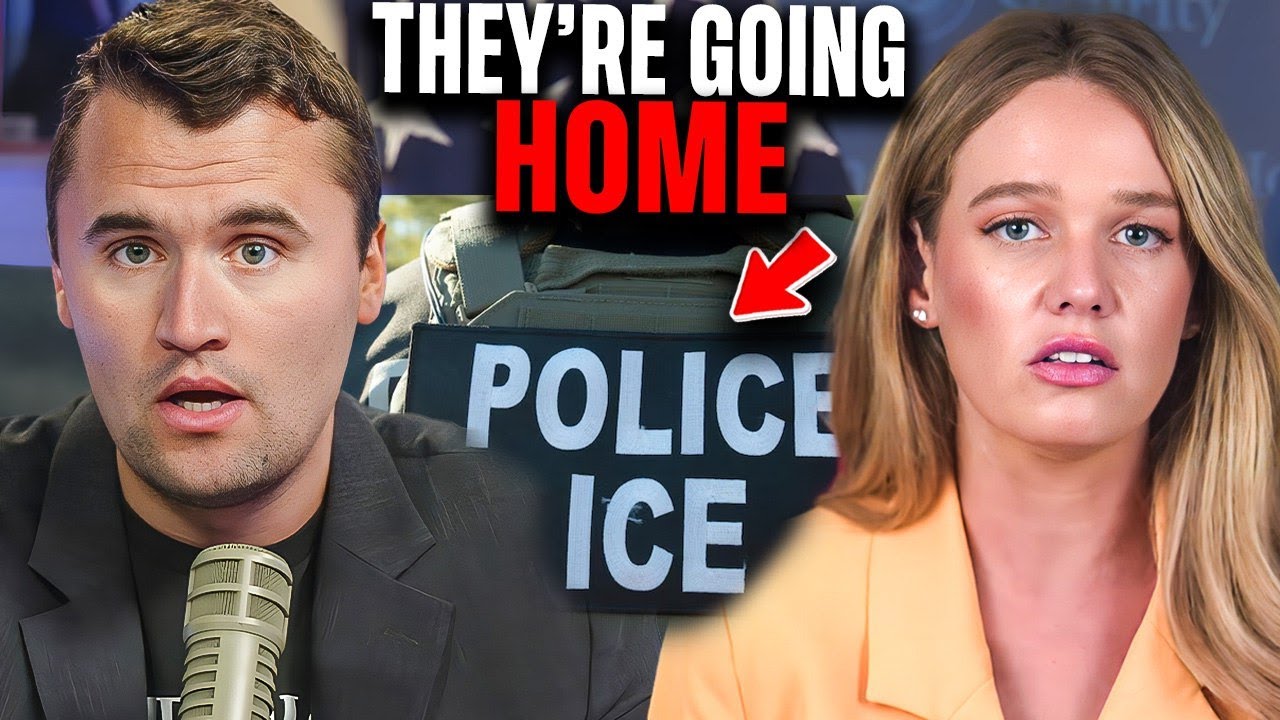
Charlie Kirk and Mark Halperin Analyze Democrat Response to Los Angeles Riots and National Guard Deployment
Charlie Kirk and Mark Halperin discuss the riots that erupted in Los Angeles and spread to other cities, examining the divided Democrat response. While some Democrats like Senator John Fetterman called the violence what it is, riots, others continued labeling them peaceful protests even as LA Mayor Karen Bass imposed a curfew. Halperin identifies a critical split in the Democrat party between those facing reality and those clinging to Trump derangement syndrome. The conversation explores how Democrats' failure to address immigration, crime, and civic order forthrightly is alienating moderate voters and potentially locking the party into minority status for years. Kirk shares how even non-political working-class voters see a pattern of Democrats tolerating urban destruction, creating a lasting negative impression that transcends policy debates.
The riots that began in Los Angeles and spread to cities like Atlanta have exposed a significant divide within the Democrat party. While LA Mayor Karen Bass imposed a curfew to contain the violence, some Democrats continued characterizing the events as peaceful protests. Senator John Fetterman broke from this narrative, plainly stating that what was occurring constituted riots, not peaceful demonstrations.
Political analyst Mark Halperin identifies this as another fault line in the Democrat party, with the larger faction remaining wedded to outdated narratives while a smaller group attempts to confront reality. He argues that Democrats cannot engage in substantive debates about National Guard deployment or immigration enforcement because their positions on these issues are largely out of the mainstream, and confronting that reality is something party leadership wants to avoid.
The Challenge of Addressing National Guard Deployment
Halperin emphasizes that no one should be cavalier about deploying National Guard or active duty military on American streets, and such decisions should be made with thoughtfulness, care, and fidelity to the Constitution. However, he notes that Democrats have positioned themselves poorly to engage in this debate because they would rather focus on conspiracy theories about Trump having secret plans to declare martial law and have military shooting civilians.
The reality on the ground was straightforward: federal law enforcement officers were executing lawful duties in line with presidential campaign promises when they were threatened. State and local officials failed to protect either the federal officers or maintain civic order and protect private property. The president has a constitutional obligation to protect ICE officers and ensure domestic tranquility when state and local officials cannot or will not.
No local police force in the country has the capacity to rapidly deploy the physical infrastructure necessary to restore order, deter civic unrest, and prevent property destruction on the scale witnessed. Yet Democrats struggle to acknowledge these realities because doing so would require admitting they are on the wrong side of the underlying issues.
Gavin Newsom's Rising Profile Among Resistance Democrats
Most Democrats now view California Governor Gavin Newsom with renewed enthusiasm and excitement, not because of effective governance, but because they want a high-profile resistance figure to fight against the president. This represents the dominant faction of the party—those suffering from what Halperin terms Trump derangement syndrome—who prioritize opposition over addressing legitimate policy failures.
The smaller faction, represented by figures like Fetterman and Washington Post columnist David Ignatius, recognizes that Democrats face a decade-long failure. Ignatius plainly stated that Democrats cannot be competitive in debates about military deployment or deportation policy if they do not clarify their positions on issues where they are clearly on the wrong side of public opinion.
The Weakness of Democrat Denunciations
When Democrats do denounce violence, their statements come across as hollow and performative. Halperin compares it to watching a third-ranked local TV anchor reading a teleprompter—there is no genuine emotion or conviction behind the words. They simply know they must say they decry violence of any sort, checking a box rather than expressing authentic moral indignation.
If Democrats were serious about leadership during civil unrest, mayors and governors would not minimize the violence or claim it is limited to just a few neighborhoods. They would express moral indignation and focused determination to stop it immediately. Furthermore, they should be thanking the president for making National Guard and military resources available to restore order, even while voicing policy disagreements on other matters.
The first obligation of any mayor or governor to their constituents is keeping people safe and preventing wanton destruction of property. Instead, Democrat leaders reserve their outrage for the president while remaining cavalier about threats to federal law enforcement officers. This sends a dangerous message about the value placed on those who serve in complicated and dangerous federal positions.
Pattern Recognition Among Working-Class Voters
Charlie Kirk shares an illuminating anecdote about a non-political working-class voter who supported Trump but is not deeply engaged with policy details. This voter approached Kirk with a simple observation: Democrats seem to burn down cities every couple of years. She does not follow legislative debates or impeachment proceedings closely, but she recognizes a pattern of tolerating urban destruction that has created a lasting negative impression.
This kind of pattern recognition matters more politically than complex policy debates for many voters. Something about chaos in the streets is deeply unpopular and creates associations that stick with voters far longer than news cycles about bills or procedural fights. The impression that Democrats tolerate or enable violence becomes tattooed in the public consciousness.
Historical Parallels to the 1960s and 1970s
There are clear parallels between the current Democrat positioning and their struggles in the 1960s and 1970s when the party played footsie with violent elements and faced electoral consequences. Being the party of weakness and tolerance for violence has never been a winning position. The dynamic of Democrats as the mommy party and Republicans as the daddy party remains relevant, and voters consistently prefer strength and order when faced with civic chaos.
Right-Wing Unity and Democrat Strategic Failures
From a purely strategic standpoint, the riots resolved internal Republican divisions that had been bubbling up. Right-wing infighting dissipated as Democrats inadvertently unified the opposition through their handling of the violence. While no one wants to see disorder, arson, or property destruction, the political effect was undeniable—the right has never been more unified.
The violence was not limited to Los Angeles. Atlanta experienced unrest as well, though not to the same degree. The potential for spread to other cities created additional concern and highlighted the inadequacy of the Democrat response across multiple jurisdictions.
Long-Term Electoral Consequences
Political commentator John Podhoretz suggested that he is watching the Democrat party lock in minority status for potentially 20 years because of their failure to speak truthfully about what is happening. While Halperin considers this might be somewhat of an overstatement, he acknowledges that only a minority of Democrats he speaks with seem to grasp the magnitude of the problem.
The ideological positioning on three critical issues—transgender policy, immigration, and crime—presents a potentially insurmountable challenge for Democrats heading toward 2028. Even if economic conditions change or other factors shift in their favor, failing to change their appearance on these core issues creates a steep mountain to climb with moderate voters and middle America.
Gavin Newsom may be resurrecting his standing among the Democrat activist base, but he is simultaneously becoming associated with riots and failed state governance in the minds of moderates and swing voters. This association is particularly damaging because it reinforces existing negative perceptions about Democrat governance in urban areas.
The Price of Avoiding Difficult Truths
The fundamental problem facing Democrats is their unwillingness to come clean about being on the wrong side of numerous underlying factors driving current events. Until that changes, they cannot engage productively in debates about the legitimate use of military resources for domestic order, the appropriate scope of immigration enforcement, or the balance between civil liberties and public safety.
Democrats want to discuss whether the president should deport people who sell fruit in parks or whether military deployment is being handled with appropriate care, but they cannot credibly enter those conversations while appearing indifferent to federal officers being threatened, property being destroyed, and civic order collapsing. The basic table stakes for participating in policy debates include denouncing those who destroy property and threaten law enforcement.
The work of governing includes making difficult decisions about when extraordinary measures are necessary and being willing to acknowledge when those measures are justified, even when implemented by political opponents. The Democrat failure to meet this basic standard of responsible governance creates lasting damage to their credibility on public safety issues that will not easily be repaired.