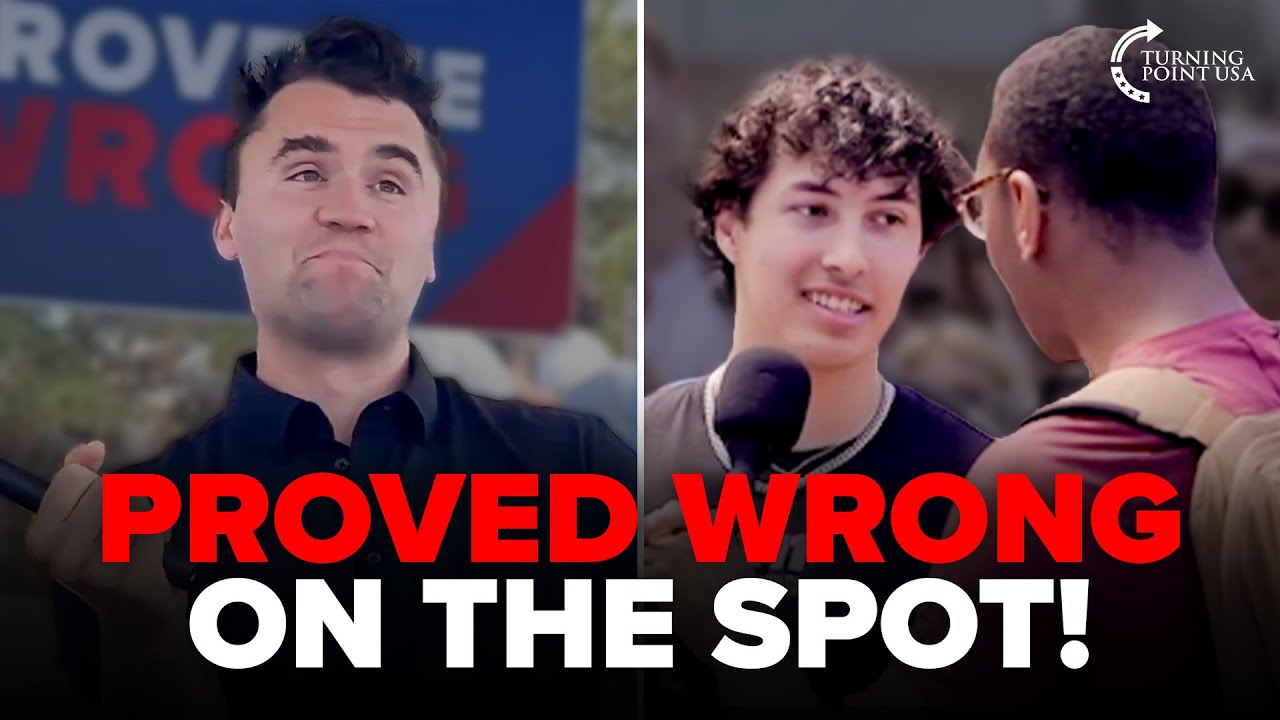
Tilt it up. Yeah. >> Yeah, no problem. I'm going to keep it short and sweet. Uh I'm just curious about your stance on college as a scam because I feel like according to the Hamilton Institute, uh people who get bachelor degrees over a total lifetime earnings will earn over $1 million more than those who don't. And also, I feel like college is an important place for people to like go learn valuable life lessons. And also it's good to have like a balanced society because then you're going to get artists, you're also going to get architectures, you're going to get engineers, you're going to get all sorts of different people that we need in society cuz like what's the point in living if we don't have writers or artists, you know, so I just want to take get your take on that. >> Question is, do the best writers learn to write in college? Probably not. No, the best writers are gifted writing and they learn to write by writing. Uh, and I would just argue that this kind of holistic view you get, for example, what are you studying? Can I can I ask? >> Economics. >> Okay. So, what do you think of Thomas Soul? Um, I actually really like him. I bought his book, Basic Economics. He's one of the first economists ever. >> Do they teach it here? >> Uh, not yet. But also, >> so now you're proving my point. If you're studying economics and they're not teaching Thomas Soul, you're not getting an education. You're getting an indoctrination >> and you're being scammed. >> Okay. >> Milton Freeman. Did they teach Milton Friedman here? >> No, but I'm aware of him. >> Okay. Ludvan Misus, >> I'm aware of him, but no. >> Murray Rothbart, hold on. >> No. >> FA Hayek, >> no. >> Frederick Bastiat, >> no. >> You're not getting economics education. You're getting an indoctrination. You should know every sing it's not your fault, but the what you're paying for or going into debt for is not a real economic education. Those are the people that theorized about free markets and that which is a legitimate school of thinking, monitorism, private property rights. And the fact that you and not I'm not criticizing you. I'm criticizing the institution that's failing you that you don't know what these people believe and you're not being taught that rigorously proves my point that college is a scam. >> Yeah. But again, I've only been here like a semester and a half. So, >> but what do you know who John Maynard Kanes is? >> Heard of him. I actually You did read about him a little bit. >> Okay. So, you read about John Maynard Kanes, but you were >> Canes. >> Yeah, in class I learned in class. >> Right. So, that's my point is that they'll teach you canes, but they won't teach you one out of the seven people that I mentioned of Bastiat, Hayek, Van Misus, Rothbard, Seoul, or Freriedman. And that's that that proves my point, which is that it's all demand side. It's all one picture of an economic argument that is not the complete picture of what now maybe later on you'll get a supply side you know economics teacher here but this idea that you go to college to kind of get your worldview liberated yet you get your worldview altered to be perfectly honest. Secondly to your point of earnings over a period of time it matters completely and solely on what you study. If you study the liberal arts, even after 10 year 10 years, study came out yesterday, 16 lowest paid majors happen to be some of the highest majors that people actually go and study, which is liberal arts, you know, sociology. God bless people that do that stuff, I suppose. Um, but you're also filled with all of the woke rubbish that is infecting our society. >> All right. Uh, I just want to talk to you about that book. Uh, it was a good segue. >> Oh, did you read it? >> No. Okay. >> But I want your thoughts like just face to face. Um, why do you think college is a scam? >> Okay. So, um, half of this audience, if you get a job, will get a job that doesn't require a college degree. 41% of kids that enter college will not graduate. And the vast majority of kids, 60 to 70% that go to college, I believe, study things that are completely worthless, meaningless, and don't enrich society at all. But is that the is that the fault of the student or the college? Because I looked in the stats for this. It's usually because they either don't have the finances to support themselves going to college. they don't um they have mental health problems that lead them to dropping out or stress or their family's not supporting them. So, is that the fault of college that they pick bad degrees? Is that the fault of the college that they can't support themselves? Right? It's like getting a gym membership and then saying, "Well, you know, I don't want to actually go work out. It's the fault of the gym." >> So, a good question. So, first, the 41% of kids that drop out, uh the federal government will fully underwrite any four-year college through FAFSA. you know that through a student loan meaning so if anyone has financial difficulty that's not really a thing the federal government will fully grant you your loan to any four-year university right so you might have you might not want to take on that student loan burden you might not want to take that on but that's number one number two I can't speak to the mental health issues I doubt that 41% of the kids that graduate in that number all have mental health issues but maybe that's the case uh I'm not sure I don't know that number um but let's talk about the institution itself so everyone in the audience here how many of you have had to take classes that are a waste of time, that you wish you didn't have to take, that are a waste of money, and that every single hand goes up. Look around. Look around. Look around. Look, look around. They're scamming every kid in this audience. They are forcing them to take classes that make them poorer, that take up their time in order to get the credential. That is a institutional scam. And and by the way, every other part of life is all about your own customization. your Netflix account, how you get your burrito bowl from how you dress, your Amazon cart is you are in charge. But you come to college and they say you must go take these three, four, five classes that are very expensive, especially for you out of state students to go further into debt, study things that don't matter to find jobs that don't exist. That sounds like a scam. >> At least in my personal experience, right? Like maybe some colleges I would say, >> what are you studying? >> I'm studying economics. >> Great. Okay. Um, and what I would say is that I have a great levity in choices of classes I want to take. Even if like there's a bunch of general education classes, I have a great flexibility in the class I want to take. It's up to the student if they want to take meaningless classes given their um credit limit. >> Okay. But I mean, I would just speculate that this school still has specific criteria of classes, right? Am I correct? >> Diversity. >> Yeah, you have to take a diversity class. That sounds like a scam. >> They are robbing you to take a diversity class. It >> It's actually not what you would typically think. I I think >> I mean I'm taking Is it true? Do you guys have to take a diversity class? >> No. No. This is This is true. This is true. >> All right. So, that's a scam. Like, let's be clear. Diversity class scam. >> Can you define what a scam is? >> Um when you are you are getting ripped off of your with your money, your time, your resources either beyond what is a market rate or against your will. So, I'll give you an example. If you guys want to fly to New York and Spirit Airlines says, "We're going to charge you $2,500 for a one-way ticket." I think we'd all all could agree flying Spirit Airlines for $2,500 is a scam. Like, you know it when you see it. >> I mean, it depends on how you view the worth of college. Like if you the federal the Federal Reserve for San Francisco gave a um released a newsletter discussing the actual finances um behind is college actually worth it and they found that by age 40 you recoup all at the average student recoups all their costs >> if they graduate >> if if they graduate and even accounting for that other economists um also state >> no so that that's an important study if you take out the top 10% that's not the case. >> So top 10% of >> top 10% of graduates and income earners. So the top 10% end up flourishing with a college degree. The other 90% do not. Do you know that there are 11 million job openings in this country that pay $75,000 a year that require 6 weeks of training that require muscular labor or using your hands. 11 million job openings. Now, a lot of you guys are in college cuz you've been pushed into college saying that you must get the piece of paper. You might get the piece of paper when there are very they're good paying jobs, 11 million of them, but either your society, your parents, or your own choices are no, I want to go to college. I want to go after that piece of paper. My contention is that there are way better options out there for a lot of students. Not every student, but almost a lot of other students. Charlie, I think um a part of your core rhetoric there there's actually some real truth there that like I think a lot of there's people are getting really just pressured to go to college even if they make poor choices. I'm just saying that even while you're in college, you can make better choices to make yourself better. >> I totally agree. Do you think most people do? >> I know some that are making great choices. I know some that are making terrible choices. >> So, let's think about this. Why do you think Let's just say most make terrible choices. Would you say that's the case? >> I'll give you 40 to 60. Why do you think that is? Maybe because the institution incentivizes bad choices. It's easy to coast and still graduate. It's easy just to check the boxes, right? It's it's not an institution designed around excellence. It's around let's get you through the mill as quickly as possible. Get the piece of paper, pay your bill. Thank you very much. >> But do you think that the act the culture around students going to college could change instead around their decision-making? I think we need way less kids going to college. The institution itself is so broken. Let's be clear. Force diversity classes, DEI, all that stuff. It's nonsense. If it was really college really should be closer to what Hillsdale College is, which is about wisdom, beauty, truth, goodness, not just about job preparedness, but that we've lost that completely. If if it's about doctors, lawyers, engineers, and the skills, of course. But you know that it's way beyond that. I mean, people going to I'm not to pick on you, but you're studying economics. That's terrific. That's a good reason to go to college. Um, it's not the best reason, I'll be honest, but it's a good reason, right? I mean, economics is a serious discipline. It's a real science. You know, we need people really rigorously studying that. So, >> I'd like to disagree with you about uh college as a scam. >> Okay. >> Just cuz there's 50% of people who you say don't need college to get a job, why would it be a scam? There's a social impact about college about on America. College is You know, good. >> The majority of kids that go to college when they graduate have a lower view of America than when they entered. Do you think that's a troubling thing? >> I think just changing your opinion doesn't really matter too much. >> Do you think that college teaches responsibility and hard work and >> Sure. >> Okay. Well, I I find that hard to believe. Why is it that employers are more and more not wanting to hire college graduates and they actually want to hire people that didn't go to college? What employers? Uh, you can name them out, man. Walmart just got rid of their uh even in their corporate level say you don't need to go to college. Coke Industries, one of the largest employers in the country from Georgia Pacific Railroad to uh Dowo Chemical. They said, "We no longer want kids that have gone to college because they end up causing problems cuz they're super entitled and they're like, "Oh, what are my pronouns?" And they have all this like leftwing nonsense that they've been filled with. >> Well, then you have engineers, doctors, lawyers, people that >> Sure, we need that. But that's less than 20% of the people that go to college. Yeah, but it'd be wrong to say college is a scam. If 25% of people become great people, you know, lawyers, doctors, engineers, >> that's not what college currently is, though. Again, I I'm happy to have you read the book. College is a scam. I wrote it. I can have a more wordy thing, which is the vast majority of people to go to college are receiving a scam for the money that they're borrowing. Vast majority. >> Of course, there's exceptions. You can make whatever you want with your life. I mean, you could, >> but I mean, when you enter into an enterprise, you need to know that you are going to college. Let me prove this to you. How many of you guys have to take classes that are a waste of time that you wish you wouldn't have to take? Every single hand. You're being scammed against your will to take classes that make you go further into debt. Why can't you say, "I don't want to take this class." Why are you as a Why as a customer? You can't >> Can you do a differential equation? >> You what? >> Can you do a differential equation? >> Can I do it? >> Can you explain me the anatomy of a human? >> Uh, like someone off the top, >> you know what psychology is? >> Yes, I do know what psychology and I've read you to me. >> Do you want me to explain psychology? Well, you can't explain it to the depths of a bachelor's degree or a PhD. >> Well, hold on a second. Time out. I've sat here with no notes, no phone, and debated people with PhDs. Study this cuz it's your job. >> Hold on. I didn't go to college, man. That's the point is you could do whatever you want without a college degree. You can listen to podcasts, read books. You don't need to go. >> G wasn't able to go to the University of Gengine. That's literally the reason. >> I can't hear what you said. What did you say? >> You know Gaus, right? >> Competition. >> Yeah. Vaguely. Sure. Okay. >> Vaguely. >> Yes. Vaguely. Yeah. >> Do you know who Bill Freeman is? Do you know who Herbert Marcus is? You know who Thomas Soul is? >> Do you use a phone? >> Do you know who Gumar Morris is? >> Well, that's cuz of G. >> No, you don't. So, I could do gotcha, too. >> Before you try going to university that not he was able to become so proficient in mathematics here, the majority of kids that go to college are more depressed than PhD degree are able to perform much better in their field than someone who doesn't. >> Well, then if that's the question, if that really is true, if college is this amazing accelerant, then why do so many and it accelerate. But if you're looking at a field of science, right, let me finish and you want to communication course or have you not done that yet? >> You need a degree. >> All right, let let me let me make my point. If that's the case, why do half of these kids end up with anywhere between $50 to $100,000 in debt? >> And they end up getting a job that says, "Oh, sorry. You never needed the degree in the first place." Why is that the case? Tell me. >> Uh people on average once going to college make more money. >> Well, not that's not true. They end up getting a job. And that's only if they graduate in the and it depends on the field of study. Do you know the a the average college graduate now is a is is getting a job at $61,000 a year. The average plumber after 18 months $68,000 a year. The average welder $72,000 a year >> with peers. The plumber didn't go to college. The plumber went to trader technical school. There's 11 million job openings that do not require a college degree in this country. 11 million stuff plumbers use. >> I'm sorry. What? >> Who engineered the stuff plumbers use? I I'm sure someone here I mean that it's it's like someone with a degree saying who designed the airplane for the pilot to fly. I mean >> someone with a degree that went to college I think you're misunderstanding what I'm saying. I'm not saying you get rid of all places of higher learning the way it's currently comprised for you guys the amount of debt you have to go into the classes that you have to don't get rid of places of higher learning but then you go into every 15 seconds. You're not debating in in good faith because it is a scam. So let me ask you a question. Can you point to other things of American life the last hundred years that have been scams? For example, when someone they run an advertisement, they say, "Buy these pills because, you know, we're going to make you super muscular." And they don't have all the fine print that it might not work and you have to have a monthly subscription. We shut down that business for being >> That's a little different, though. That's a >> How is it different? Hold on a second. When you show up to college, did they tell you you have to take all these classes that you didn't sign up for? Did they Oh, they they it said that you're going to have to take all these different classes. Did they tell you that half of you guys would not ever use your degree when you go into your career? How many you guys knew that? You guys knew that when you signed up? Well, call You guys are you guys are willingly participating in the scam. Good for you. The point is this is that most kids know deep down they're getting ripped off. The number one thing I hear from people across the country in corporate America, boy, college is a waste of time. Boy, I wish I never would have gone. Now I have $60,000 of debt, $70,000 in debt. I wanted to start a business, but now I don't have the credit to do it. Instead, we are wasting our most prized possession, our 18 to 22 year olds, to go stick them at many universities when they shouldn't be here in the first place. And it is a failed project. It is making us poorer. It is make And by the way, just just look at the actual numbers over a period of time. Has it worked? Is home ownership now going up for young college graduates? >> How are we going to blame that on college though? >> There's a lot of different reasonable It's the most equally applicable thing across the board for a generation. And and if you look at the average, how much debt do you have to go to school, by the way? >> None. >> None. Okay. Wow. Do are you on scholarship or? >> Yeah. >> Okay. So, who's paying for your college then? >> Probably the federal government. >> Okay. So, I'm paying for your college is what you're saying. My taxes are paying for your college. So, wait, do you have a you're on grant or what? >> Uh, I'm not going to discuss my college finances. >> Well, no, this is really important. This is why you're so defensive of college. This is why you're so forceful because you don't have to walk around the rest of your life with $100,000 student loan debt. >> Plenty of people that have part this explains you perfectly. I, the taxpayer, when I write my check to the IRS, I'm subsidizing your ability to go to college. >> Okay? And I think that's to the IRS. I also give money for people to go to college. >> You should have skin in the game. You should and you don't right now. You are doing a freeloading thing. Of course, you should be defensive. >> I pay taxes. I pay federal taxes. I pay state taxes. >> I I I'm sure I pay a little bit more than you, but that's a separate issue. But the point is this is that do do you think you pay anywhere close to the tuition value you get at the school? Probably not. >> Yeah, probably I do. It's like 5,000 a semester. It's a lot of money, but you get a lot out of it. >> Wait, hold on. How much is it to go to school here? It's around 5,000. >> So, instate. >> Instate. Yeah. >> Okay. Five. Does that include room and board and tuition? >> No. >> Okay. How much does it does that cost? >> A room, board, tuition, all of it's around 11,000. >> 11,000 a semester. So, you pay $22,000 a year in taxes. >> Uh, no. >> Okay. Got it. So, you're you're in a tax deficit, which means the US taxpayer is subsidizing your education. That's fine. I'm not faulting you for it, but this is why you're so defensive is you're detached from the price. You're detached from the cost. It's easy to be defensive of something you're not paying for. I just was curious about your stance on like college is a scam. Yeah. And I just was curious uh you know why you say that. >> Let me prove it to you. How many of you have to take classes that are a waste of time that you wish you shouldn't have to take? Well, there you go. >> I rest my case. >> Yeah. No. >> How many of you guys know at least three people that dropped out that went to this college previously and earlier? Okay. The national graduation rate is 41%. Most people that go to college do not graduate. you guys actually go to a school that has a lot of applicability in the job market outside of some of the majors that are offered, but aeronautical engineering, computer engineering, um, which, you know, go go work for Elon. Uh, and but so this this school is actually a little bit more of the exception than it is the rule. Uh, because I think humanities are largely one of the great wastes of time and kind of societal poisons and cancers that are happening in our society. Um, so yeah, I'm happy to continue. >> So yeah. So, what do you recommend an 18-year-old dude or a girl um >> to do after high school? >> Um, turn up the volume. >> Yeah. Can we try? I apologize. Sorry. Yeah. Um, we're going to try and I will come out there and say hi to you guys in a second. So, um, >> yeah. And we're going to go say hi to all of our friends over there. Um, so yeah, what do I what do I recommend? It all depends on what you want to do. That's the most the the worst thing you can do is enter into a four-year um a four-year agreement where you have to borrow a bunch of money, try to find your way, go take a bunch of classes that have very little relevancy, and next thing you know, you end up with a college degree, and you end up getting a job that doesn't require a college degree. Here's a fact. Half of people that graduate college end up getting a job that does not require a college degree 10 years after they graduate. >> That that is the best argument I have. It goes to show the diploma doesn't actually have >> Yeah. I mean I mean you're looking at engineering students, you're looking at, you know, >> well, engineering is different. There's, >> you know, finance students that students like that. For example, I went to community college for two years. And um, you know, a lot of other people go to community college. You get free community college for two years, then you could transfer over uh, and then two years at a at a college like Calpali or, you know, university. And you know the top five paying, you know, jobs out of college are accountants, engineers, uh teachers. >> Try to get closer to the mic so people can hear >> teachers, engineers, stuff like that. >> And it's just, you know, and then the the guys the people that are wearing the shirts are actually in college. So I'm just curious like, you know, >> they know better than I do that it's a scam. Then >> I mean it's just someone like me, you know. I think it just comes down to hard work ethic, you know? Like I I don't understand like not everyone's built for the trades. Not everyone's built to go into construction or, you know, work as a painter or whatever they're doing after college or a mechanic. >> Yeah. Exactly. You know, and I just, you know, a large majority of people going into college out of high school, I think it's a good choice for for kids because they have four years to develop as a human being versus just jumping into the workforce and making making and making what 30 40 grand and you can't live off that right now. I mean, are those folks over there developing as human beings? >> I mean, I'm not I'm not I'm not talking about them, >> but I'm talking about, you know, >> that's what college produces, though. Angry, bitter, resentful activists that hate the country. That's not developing. That's hardening and honestly creating, you know, a mobilization army for the radical left. That's what we've seen. >> You got your your major courses where you're taking, you know, I'm a real estate finance major, so I'm taking classes for real estate finance. I have internships in real estate finance. Great. I'm I'm not going into that field after college, but I'm saying you take classes at college to get a job after college. And there's a most of the universities you get over 75 grand a year out of college. And if you do the route of two years at community college and transfer into a into a university, you're able to pay off that debt, which is around 20k, 30k for a school like this and go to state school and then you're off to the races. So >> 41% don't. So because they shouldn't have gone in the first place. >> Then then what do they do? What do you do after? >> They never should have gone. I mean, yeah, we have 11 million open trade jobs in this country. Here's the here's the thing. People do not want to work with their hands, and parents don't want to send their kids to go work with their hands cuz it's considered to be dirty type labor. 11 million job openings in this country that require just a six-month certification, uh, whether it be auto mechanic, right, HVAC, plumber, so on and so forth. And it's not for everybody, but >> No, I I mean, I get what you're saying. And it's just like >> large majority of people in in America right now don't are just lazy. They're not going to be doing that after after high school. >> Well, we agree. So, does college make you lazier or work make you work harder? >> Makes you work harder. I mean, I worked throughout college. I worked >> You are the exception then. Um because employers are disagreeing. They say we've never seen such lazy, entitled, narcissistic college graduates. In fact, most employers say if you have a college degree, you're put in a different category. They prefer people out of high school. Unless you want to go work for Bank of America in a soulless laptop job for the rest of your life and, you know, go learn about how men can become pregnant at some HR, you know, department survey. >> No. Or or you use your analytical skills that you use in school to get a job that or six figures. >> You don't you can develop analytical skills outside of college. >> I think I think you're just I'm living proof of that. >> I think you're just Yeah. I mean, I almost dropped out, too. and and >> and and I'm not saying it wasn't it wasn't the right choice for you, but more times than not, kids are deceived and lied and they have tons of animosity cuz this school is unique. If you go to UCLA or if you go to UC Berkeley, you're not left with $30,000 in debt. You're left with $130,000 in debt, right? >> No. If you do the two again, I I preface this school's a little different, but appreciate the thought. Thanks, man. If you feel as if there's a massive amount of injustice in the world, um there's a lot of truth to the argument that you as a young person have been lied to and misled and that you have been told to do things that are not in your best interest. One of them being having to go to college to succeed. Um there I do not believe that a majority of young people should be going to college. In fact, I think um that college is largely a scam and I'll prove it to you. How many of you have to take classes that you are forced to take that have no relevancy to your degree or major and you wish you shouldn't have to take? Yeah. Every hand goes up, right? Um and so the the idea that just a piece of paper is going to be able to grant you access in society is a highly questionable one at best. And so how many of you know someone that dropped out of college? Raise your hand. Yeah. Almost every hand goes up. You're being t forced to take classes that really have no relevancy to your future, whatever that might be. and you're also simultaneously then knowing that people are dropping out at a record rate. Ask yourself the question, why is this the case? And so, but this is something I want to try to just hopefully find some common ground on, which is the following, which is that if you feel as if kind of the game has been rigged against you as a young person, you're not totally wrong. there is a understandable anger that begins to set in and I know a lot of you feel this way as if I've done everything I've been told to do and I do not get the same shot at the American dream or at flourishing that my parents did and and I will say that we could talk at length about what to do about that but I think that there is a there's a critique out there by some conservatives that all young people are lazy and all that. I don't I don't believe that. I think there's plenty of lazy young people. There's lazy lazy people in every age group. Um I don't think that millennials in Gen Z are generally lazy. I think that they've been they've done everything they've been told to do and now they're looking at their life when they're 25, 26, and 27 and they're like, "Wait a second. I followed the rules." So my message is it understanding that critique, let's try to turn some of that cynicism into hope into a country that could be, you know, something you could buy into, something you could do in your own life to actually find meaning and purpose because cynical people do really bad things. They do um over time cynical politics is not good for society. You get very radical political movements when you start to be cynical about everything. And guess what? I have to wrestle with this myself. I'm cynical about a lot. But instead, I have to go through the process of stopping the cynicism and saying, "Wait a second. What do I believe? What's the country I want to live in? What can I do to actually hopefully get an optimistic, hopeful message out?" Because the politics of cynicism is bad for everybody. If you think things are always constantly falling apart and there's no resolution, there's no way to try to solve it. Then by definition, what comes next is either going to be an authoritarianism or anarchy. One of the two. And one will lead to authoritarianism, right? Anarchy does not last. It doesn't. Anarchy happens and then an authoritarian person takes over. And you saw this in the French Revolution, the Russian Revolution. When people get hyper cynical about the pro about the political process, they're willing to give their political power to a Napoleon or a Vladimir Lenon or whatever. I don't want that. You don't want that either. Um, and so if you're feeling as if the game has been structured against you, I want to just say there's a lot of truth to that argument. And conservatives don't always talk like this. Conservatives will usually say work harder, study harder, live by the rules. I I agree with all those things, by the way. I think there can be a little bit more grit in this generation and all that, but I think it would be unfair and not true to act as if right now a 20-year-old at UC Berkeley has the same set of circumstances that someone in the year 2004 had here. It's just not true. And the the lack of recognizing that, I think, is um something that creates even more cynicism and more anger. What exactly do you mean by college is a scam? >> Um, good question. I wrote a whole book about it. Uh, largely the value proposition that you are being offered is not worth the time or the money that many of you are forking over. There's exceptions to that generally, but uh, for example, the vast majority of students that graduate from four-year college, uh, they'll end up getting a job, if they get a job at all, in a in a career or a job that doesn't require a college degree. So, henceforth asking the question, why do they go to college in the first place? >> Okay. Now, what do you mean about uh jobs that don't require a college degree? >> Like working at Starbucks as a barista. >> Okay. Uh so, what exactly uh do you mean by uh the value proposition not being sufficient for the uh cost of going to college? >> Yeah. So, I mean, going 30, $40, $50,000 into debt, uh, that's a significant thing. And hopefully, if you're going to do that, uh, you're going to be able to prove and have some value, uh, for that for that reason. So, for example, there was a study that just came out in the last day, the 16 lowest paying job majors. Um, and the vast majority of those are actually what kids study in college, right? Communications, liberal arts, things of that nature. And so the question is why even go to college at all if you're just basically getting a credential that is worth less and less money in the marketplace. Now if you study engineering, if you study finance, terrific. But the scam also is just beyond the financial value proposition. It's um the ideological pollutants that are spread on college campuses and the uh let's just say some of the leftwing indoctrination that occurs here as well. >> Okay. So moving aside from uh that red herring there, uh I myself am a uh communication major and uh I am very well aware of the uh communication majors who just take a 4-year degree and uh go into jobs that either don't require a degree or >> get as close to the mic as you can. Is that okay? Thank you. It's okay. Yeah. But anyways, uh I'm aware of the communication majors who only get a bachelor's degree and if they're lucky, they're only able to get research assistant jobs in communication or not even get a job that requires a uh degree at all. But would not those who uh continue on to get masters and doctorates in communication, who get hundreds uh who get a $100,000 a year or $200,000 a year uh research jobs, would that not counteract uh the total economic uh socioeconomic value of those who just go into college and then end up Starbucks baristas? >> Uh potentially. Yeah. I mean, also master's degrees are expensive, right? PhDs are expensive. So, you're looking at least at $150 to $200,000 in debt minimum. Uh, if you're going to do that, and if that's if that's the path you want to take, so be it. But there are 11 million job openings in the country right now that pay $80,000 or more that don't require a college degree. 11 million job openings. And I don't think we're always telling our young people, you know, the next generation, that these jobs are available to you. It's it's an expectation that you go to four-year college. And in fact, you're treated and almost considered to be dumb if you don't go to four-year university. And I think that's a big mistake. And not to mention the vast majority, 41% of kids that enter college do not graduate. There there's something deeply wrong with the system. So >> So from what you're telling me though, >> final point, >> from what you're telling me though, it sounds more like uh the problem lies not in uh college itself, but rather the individual paths that people choose. who look at a situation, make the wrong decisions, don't stay in school as long as they uh need to in order to get the career that they want >> or they drop out because they don't see the value. They drop out because they don't think it's worth their time. And again, half of this audience after 10 years, if they get a job, they'll end up getting a job that didn't require them going to college in the first place. Half. That sounds like a scam. Why are they here in the first place? Why are they borrowing all this money and spending four years on a university just to go get a job that never would have required them to get the degree or the debt or the four years being spent on campus? Thanks for the time. I appreciate it. Thank you.