2,422 videos 1,389,747,653 views US Joined Aug 30, 2018
Charlie Kirk is the Founder and President of Turning Point USA, the largest and fastest growing conservative youth activist organization in the country with over 250,000 student members, over 150 full-time staff, and a presence on over 2,000 high school and college campuses nationwide. Charlie is also the Chairman of Students for Trump, which aims to activate one million new college voters on campuses in battleground states in the lead up to the 2020 presidential election. His social media reaches over 100 million people per month and according to Axios, he is one of the "top 10 most engaged" Twitter handles in the world. He is also the host of “The Charlie Kirk Show,” which regularly ranks among the top news shows on Apple podcast charts.
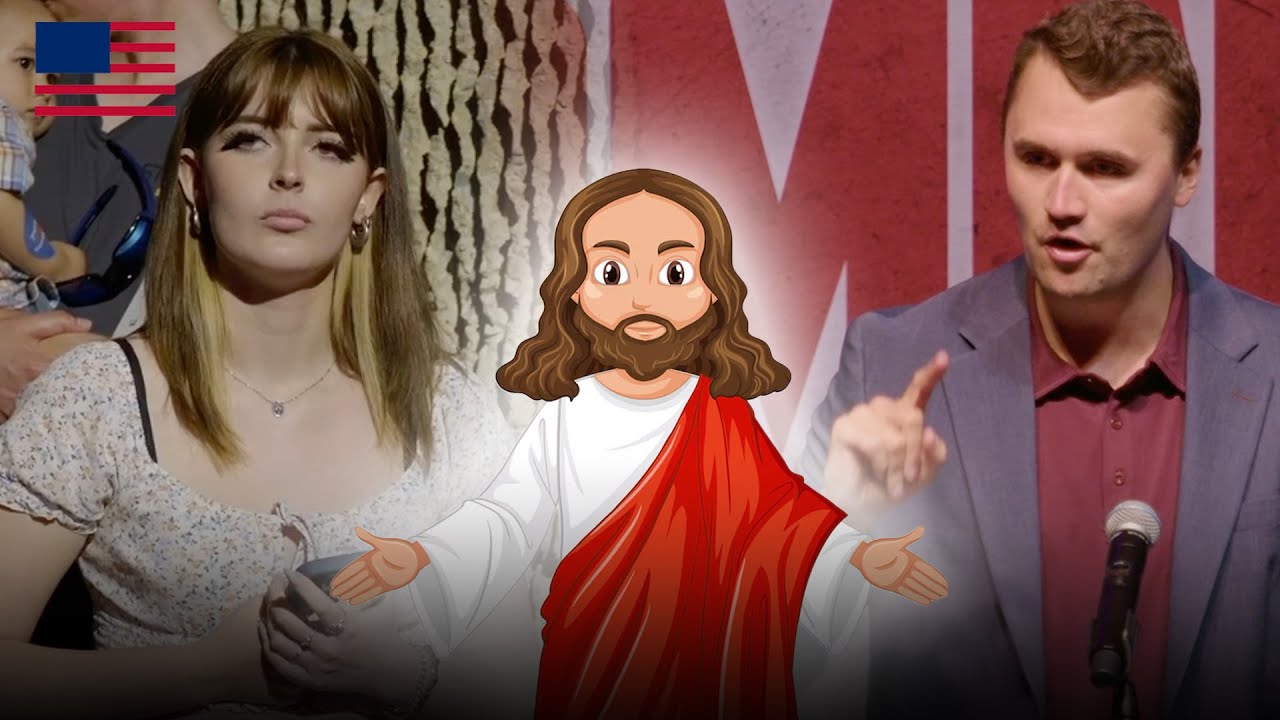
Charlie Kirk Confronts Student on Christian Theocracy, Nationalism, and Religious Society Accusations
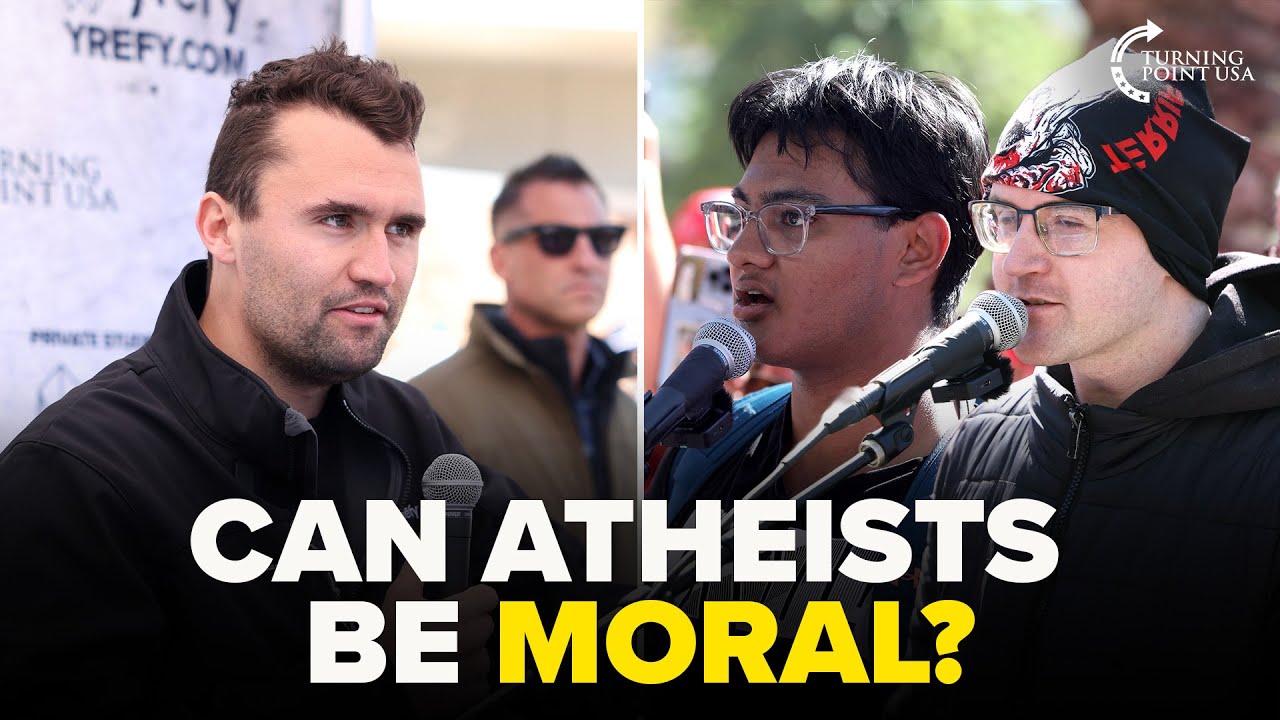
Charlie Kirk engages in a thoughtful campus dialogue with a student who fears Christian nationalism and theocracy in America. The conversation explores the relationship between Christianity and the Constitution, the difference between nationalism and patriotism, and whether religious society benefits everyone. Kirk defends his position that he supports constitutional government rather than theocracy, while advocating for Christian revival. The exchange touches on Nazi Germany comparisons, Trump support, and the role of religion in creating better citizens, culminating in a respectful disagreement about whether America's religious heritage contributed to its greatness.
A student approached Charlie Kirk with a concern that has become increasingly common on college campuses: the fear that conservative Christians, particularly Kirk and JD Vance, are pushing for a Christian theocracy that would violate the First Amendment and harm non-Christians. Kirk immediately pushed back on this characterization, stating clearly that he does not want a theocracy but rather wants the Constitution and a free society.
The student pressed further, suggesting that Kirk supports people who are Christian theocrats and specifically naming JD Vance. Kirk distinguished between wanting a Christian society and wanting a theocracy, explaining that desiring most Americans to be Christian is fundamentally different from wanting a religiously controlled government. He clarified his position: he wants a revival of Christianity in the country with people giving their lives to Jesus in huge numbers, but he wants a government rooted in the Constitution and a republican form of government.
Masculinity, Christianity, and Nazi Germany Comparisons
The conversation shifted to Kirk's statements about the correlation between Christianity and masculinity. Kirk acknowledged that as America has become more secular and feminine, it has become less Christian. He argued that men who understand the gospel and scriptures will take ownership of their life, family, and country.
The student then brought up Kirk's previous statements about persecuting whites leading to situations like Auschwitz. Kirk clarified that he said if you single out a group based on skin color or heritage, that is how you get to Auschwitz, though he acknowledged there are many steps before reaching that point. The student challenged this by suggesting Nazi Germany was a Christian society, arguing that Hitler defended himself using Christian nationalism.
Kirk firmly rejected the characterization of Nazi Germany as a Christian society. He pointed out that Hitler was a nationalist socialist and that the idea of Hitler as a devout Christian using Christian symbology is very flawed. Kirk noted that Hitler imprisoned and killed many Christians and pastors, including Dietrich Bonhoeffer, and that there were many conscientious objectors who resisted Hitler. He argued that the bigger issue in Nazi Germany was churches that sat idly by and did nothing, neither agreeing nor disagreeing with the evil occurring around them.
Nationalism Versus Patriotism and Globalism
The discussion moved to the distinction between nationalism and patriotism. The student expressed comfort with patriotism but fear of nationalism, particularly regarding how it relates to religion. Kirk acknowledged that nationalism can go too far but argued that America is currently experiencing inverse nationalism where symbols and history are portrayed as terrible.
When asked whether a nationalist movement or globalist movement would scare him more in the current world, the student said nationalism frightens him more, particularly regarding abortion rights and immigration policies that might favor Christians. Kirk posed a hypothetical: would a nationalist or globalist movement be more concerning? The student maintained his concern about nationalism within the country.
The Role of Religious Society in American Greatness
Kirk pressed the student on whether he acknowledged that the inheritance of America was largely built by Christians and whether this had anything to do with why the country was great. The student was hesitant to make this connection, though he admitted there might be a link while noting that many immigrants were not Christian.
Kirk reframed the question, asking whether the country was better when most people were religious, attending services, and believing in something higher than themselves that held them accountable. The student responded that it depended on who you were in the country, referencing slaves and persecuted non-Christians. When Kirk specified the 1980s as an example, the student suggested the country was less polarized then, attributing it to polarization rather than religious belief.
Kirk offered his perspective that when a country becomes less religious and more secular, something fills that void. He argued that the current void is being filled by leftism, BLM movements, transgender activism, and Democrat politics. He referenced atheist Richard Dawkins, who has said he likes Christian society, and asked if the student agreed. The student said it depends on what kind of Christian society, expressing comfort with modern Western Christian society but having problems with sects like the KKK.
Media Narratives and Real Christians
Kirk challenged what he characterized as a media-driven narrative that there are hordes of KKK radical people waiting to take over the country. He argued that the average Christian is simply someone who wears a cross, believes in a creator, wants to attend church, and is doing their best while falling short. He suggested that the mechanisms of a religious society are good for everybody because when people believe they were created and are not God themselves, they tend to be better citizens.
The student acknowledged that religion grounds many people but shared his personal experience with anti-Semitism from someone religious in high school. Kirk pointed out that not everyone is pious and that the student's life experience has shaped his view, which is understandable, while Kirk has the opposite perspective. When the student revealed he is Jewish but very secular about it, Kirk warmly welcomed him to the conservative movement, and the conversation ended on a respectful note.