Charlie Kirk Confronts Student on White Privilege, Victim Mentality and Systemic Racism Claims
Enjoying this? Share it with someone who needs to see it.
Up Next
Challenging White Privilege: An Exchange on Race and Opportunity in America
0:50
Charlie Kirk Debates Student on Crime Statistics, White Privilege, and the Crisis of Fatherlessness in America
7:38
Charlie Kirk Debates College Student on Socialism, Racism, and the Failure of Democrat-Run Cities
9:05
Charlie Kirk Confronts Student on White Privilege, Victim Mentality and Systemic Racism Claims
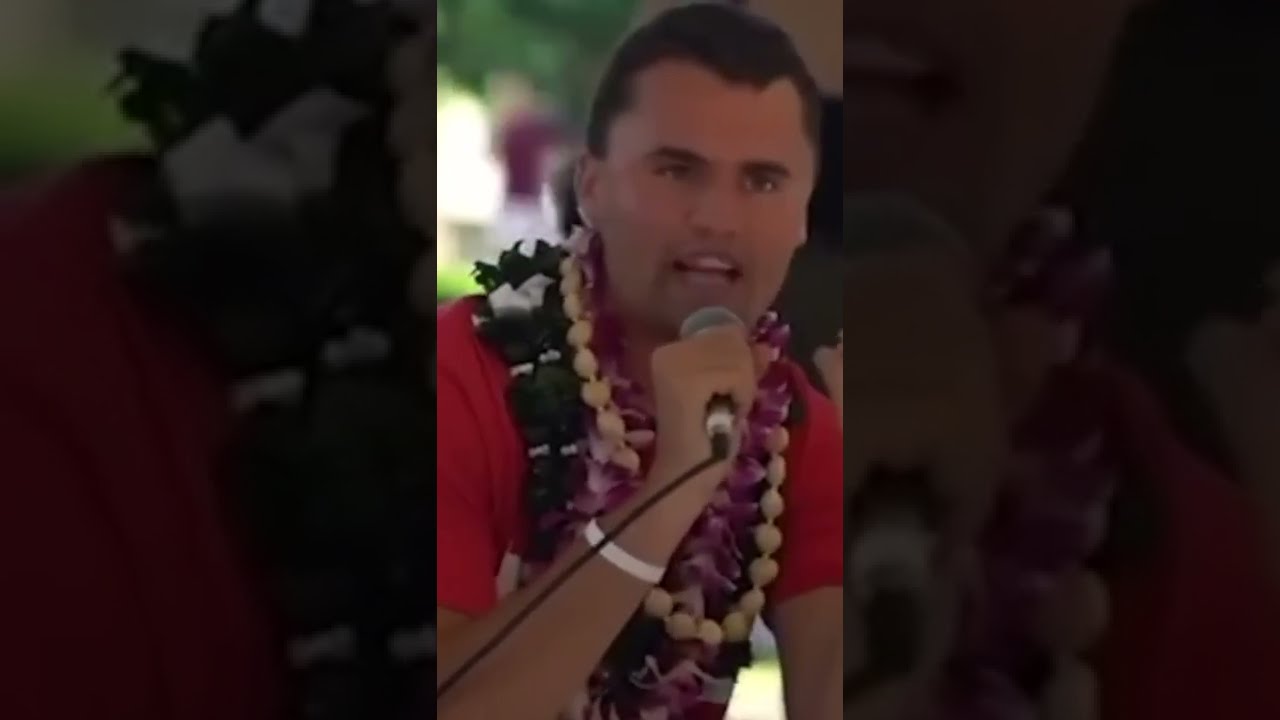
A heated exchange erupts when Charlie Kirk challenges a student's assertion about white privilege and racial profiling. The student claims he faces discrimination when being asked for papers during traffic stops, while Kirk pushes back, arguing that the victim mentality narrative is designed to disempower individuals rather than reflect reality. The conversation touches on immigration enforcement, systemic racism claims, and whether viewing the world through a lens of oppression serves or harms those who adopt that perspective.
A confrontational exchange unfolded when a student challenged Charlie Kirk on the existence of white privilege. The student opened with a direct question: "How can you come here and tell me there's no such thing as white privilege?" This set the stage for a tense debate about race, law enforcement, and perspectives on American society.
The student pointed to his personal experiences with law enforcement, specifically referencing being asked for papers during traffic stops. "Who are they going to ask for their papers, me or you?" the student asked, suggesting that his experience differed from Kirk's based on racial differences. The student claimed, "I get asked for papers all the time when I get pulled over," and stated he could show a pile of documentation to prove his point.
Kirk Challenges the Victim Narrative
Charlie Kirk responded by questioning whether the student was being pulled over solely because of the color of his skin. He then offered what he described as advice: "You're looking at the world as a victim. You're looking at the world as if there's systemic racism and the evil white man that's trying to crush you."
Kirk characterized this worldview as "a lie that is designed to try and disempower you," suggesting that adopting a victim mentality actually harms those who embrace it rather than accurately describing their circumstances. His argument centered on the idea that viewing society through the lens of systemic oppression creates a self-fulfilling prophecy that limits individual potential.
Immigration Enforcement Enters the Conversation
The discussion took a turn toward immigration policy when Kirk stated his position on documentation: "If a non-citizen does not have their papers, they should be deported from this country if they do not have their papers."
This statement appeared to address the underlying question about why law enforcement might ask for identification or documentation during traffic stops, suggesting that such requests serve a legitimate enforcement purpose rather than representing racial discrimination.
Competing Worldviews on Race in America
The exchange highlighted fundamentally different perspectives on the role of race in contemporary American society. The student's position reflected the view that racial disparities in law enforcement interactions demonstrate the existence of white privilege and systemic racism. Kirk's counterargument emphasized individual agency and rejected the framework of systemic oppression as disempowering.
This brief but intense conversation encapsulated larger debates happening across American campuses and in the broader culture about how to understand racial dynamics, the proper role of law enforcement, and whether narratives of victimhood serve to empower or limit those who adopt them.