2,422 videos 1,389,747,653 views US Joined Aug 30, 2018
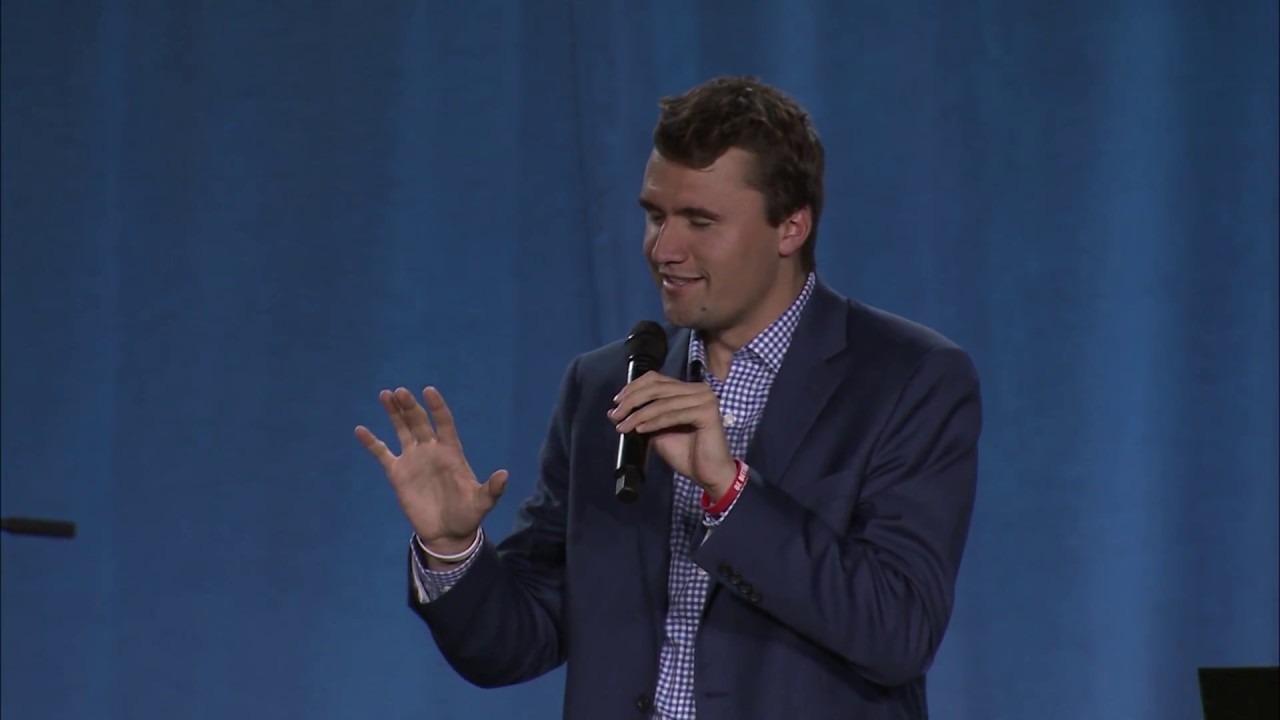
Charlie Kirk is the Founder and President of Turning Point USA, the largest and fastest growing conservative youth activist organization in the country with over 250,000 student members, over 150 full-time staff, and a presence on over 2,000 high school and college campuses nationwide. Charlie is also the Chairman of Students for Trump, which aims to activate one million new college voters on campuses in battleground states in the lead up to the 2020 presidential election. His social media reaches over 100 million people per month and according to Axios, he is one of the "top 10 most engaged" Twitter handles in the world. He is also the host of “The Charlie Kirk Show,” which regularly ranks among the top news shows on Apple podcast charts.
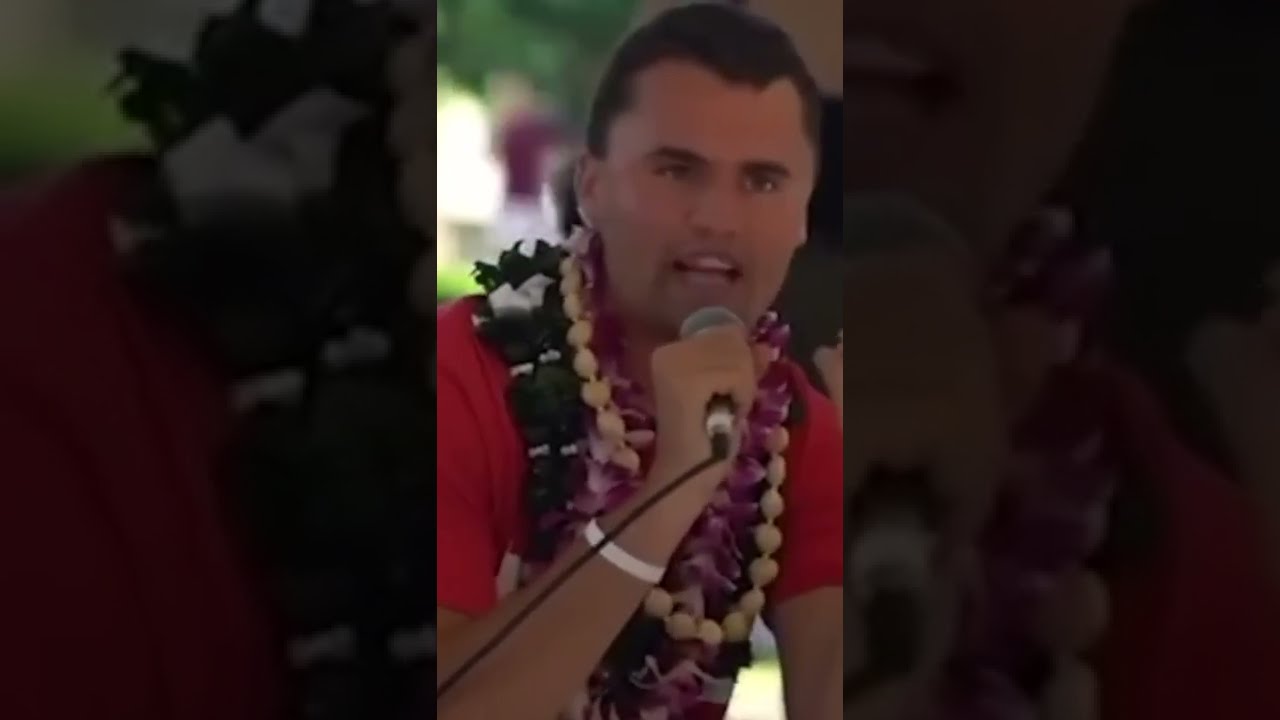
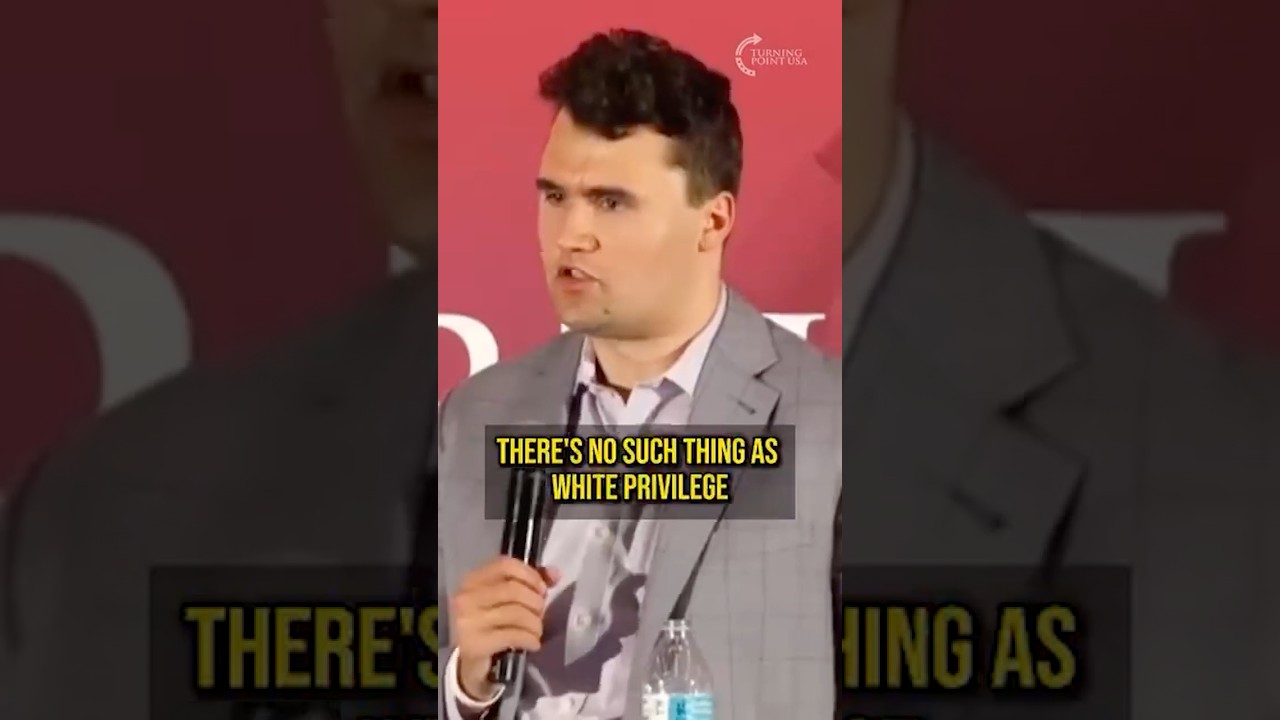
Charlie Kirk Debates Military Veteran on White Privilege, Wage Gap, and the Victim Mentality in America
A military veteran and college student confronts Charlie Kirk about white privilege, generational wealth, and systemic oppression. Kirk challenges her claims point by point, arguing that the victim mentality sold by the Democratic Party holds people back more than any systemic barrier. The exchange becomes heated as they debate the wage gap myth, economic progress during Jim Crow, and whether citing life experience constitutes valid evidence in political discourse.
The Opening Challenge: Credentials and White Privilege
A military veteran, college student, and black woman opened the conversation by asserting her belief in white privilege. Charlie Kirk thanked her for her service before she launched into her central argument: white privilege exists because people refuse to acknowledge the history that created current inequalities. She pointed to 250 years during which white people had an advantage to develop generational wealth, while black people didn't gain voting rights until the 1960s.
Kirk's response immediately reframed the discussion. He noted that during the Jim Crow era, black Americans were actually outpacing whites economically in certain measures. He pointed to the $22 trillion spent on government programs and noted that despite having a black president, these interventions haven't produced the promised results. His argument: selling oppression as an identity holds people back more than any systemic barrier.
The Language of Identity
An interesting sidebar emerged when Kirk referred to "the blacks," prompting the woman to ask why he couldn't simply say "black people" or "African-Americans." When he asked what term she preferred, she responded that anything else would be better than what he was saying. This brief exchange highlighted the sensitivity around language in racial discussions and the importance participants place on how communities are referenced in political debate.
Economic Performance and Government Intervention
Kirk made a controversial claim that black Americans were doing better economically during the Jim Crow era than in subsequent decades, despite $22 trillion in government assistance programs. His argument suggested that government handouts have been less effective than the economic self-sufficiency that existed in earlier black communities. The veteran attempted to counter by noting that Congress was predominantly white during these periods, but Kirk maintained his position that the real obstacle is the victim mentality perpetuated by political forces.
The Core Question: Name One Thing You Cannot Do
Kirk pressed what he considered the decisive question: "What can she not do in America that a white person can do?" He acknowledged her military service and the good choices she's made, predicting she'll live comfortably in the American middle class. He demanded to know what privilege based on skin color—not wealth or socioeconomic status—he possesses that she lacks.
The veteran's response was that Kirk sitting there "with little to no education" discussing white privilege was itself white privilege. Kirk immediately called this an "argument from authority," a logical fallacy where someone claims their position is correct simply because of their credentials rather than the merit of their reasoning. She countered that she was sharing her life experience, but Kirk dismissed this as irrelevant to the factual claims being made.
The Wage Gap Debate
When pressed for specific examples of what she couldn't do, the veteran claimed she "can't make a whole dollar," referencing the gender wage gap. Kirk immediately challenged this claim. The woman pointed to the military, saying women weren't even allowed to do most jobs until two years prior to the conversation. Kirk redirected, insisting she answer whether women in the military get paid less for equal work.
She referenced different military pay structures, but Kirk countered with what he called "feminist lies" about the wage gap. He argued that if women entered career fields like engineering and hard academics instead of fashion, journalism, and similar fields, they would make the exact same money as men. Kirk declared the wage gap "a myth and a lie," emphasizing his point through repetition.
The Victim Versus Victor Mentality
Kirk acknowledged hearing from two black individuals present who "haven't purchased their oppression from the Democrat Party," suggesting the veteran should respect their perspective. His frustration mounted as he pointed out that she had served the country admirably and lived a life of achievement—the life of a victor—yet insisted on presenting herself as a victim without providing concrete evidence.
In his closing statement, Kirk reiterated that she had not cited a single thing she cannot do that he can do. He maintained that making good choices leads to those choices being rewarded in America. He accused her of bringing "zero evidence except an argument from authority and an insult to my lack of a college degree." Kirk concluded by stating he's proud of not having a college degree specifically because it means he's "not indoctrinated."
The Broader Implications
This exchange encapsulates a fundamental divide in American political discourse. On one side stands the argument that historical injustices created lasting systemic barriers that continue to affect opportunities today. On the other side is the contention that America offers equal opportunity to those who make good choices, and that claiming victim status actually prevents people from seizing available opportunities.
The debate also revealed tensions around expertise and credentials. The veteran viewed her military service, education, and lived experience as giving her perspective valuable authority. Kirk viewed these same credentials as potentially compromising clear thinking through institutional indoctrination. This clash over whose voice carries weight in political discussions—the credentialed or the self-educated—reflects deeper cultural battles over trust in institutions.