2,422 videos 1,389,747,653 views US Joined Aug 30, 2018
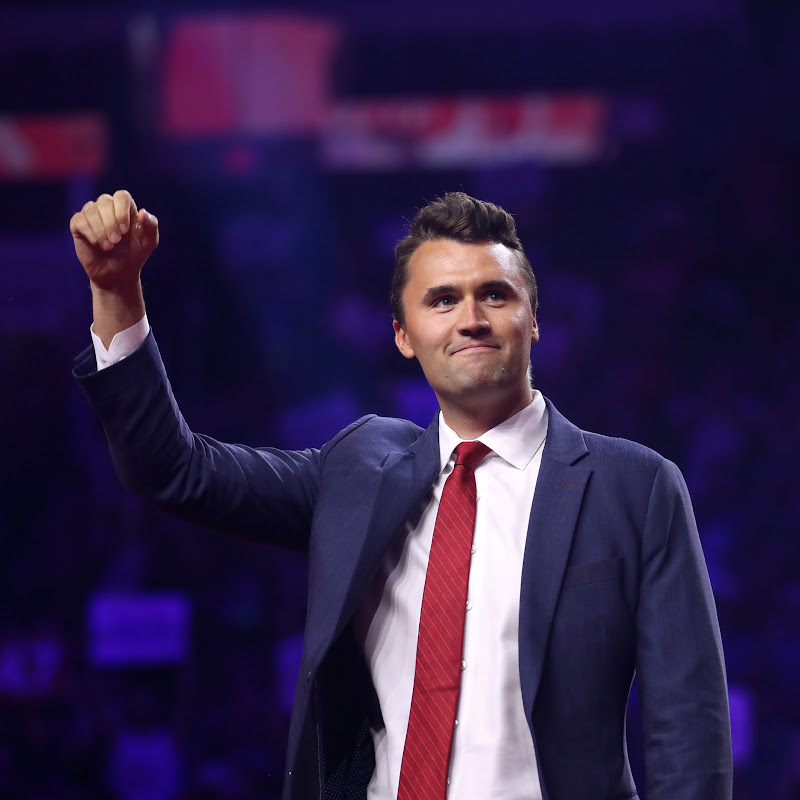
Charlie Kirk is the Founder and President of Turning Point USA, the largest and fastest growing conservative youth activist organization in the country with over 250,000 student members, over 150 full-time staff, and a presence on over 2,000 high school and college campuses nationwide. Charlie is also the Chairman of Students for Trump, which aims to activate one million new college voters on campuses in battleground states in the lead up to the 2020 presidential election. His social media reaches over 100 million people per month and according to Axios, he is one of the "top 10 most engaged" Twitter handles in the world. He is also the host of “The Charlie Kirk Show,” which regularly ranks among the top news shows on Apple podcast charts.
Charlie Kirk Debates College Student at East Carolina University on Higher Education as a Scam
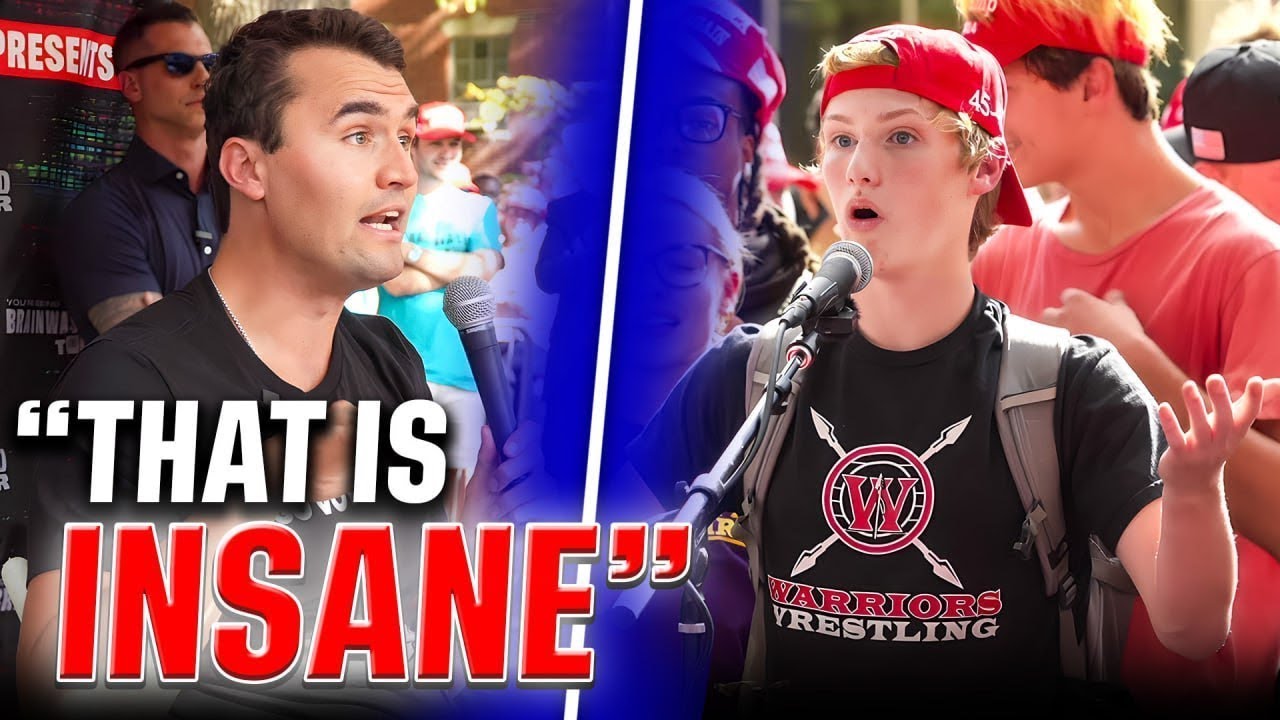
Charlie Kirk engages in a fiery debate with an East Carolina University finance student over whether college is a scam. Kirk argues that 52% of college graduates end up in jobs that don't require degrees, making higher education an overpriced scheme that leaves students poorer with debt and opportunity costs. The student pushes back, defending the value of credentials for certain careers. Kirk maintains that most students would be better off pursuing trades like carpentry or plumbing, where millions can be made without four years of expensive education. The exchange highlights a fundamental disagreement about the purpose and value of higher education in America, with Kirk advocating for entrepreneurship and alternative paths while the student defends college as necessary preparation for specific professions.
The Great College Debate at East Carolina University
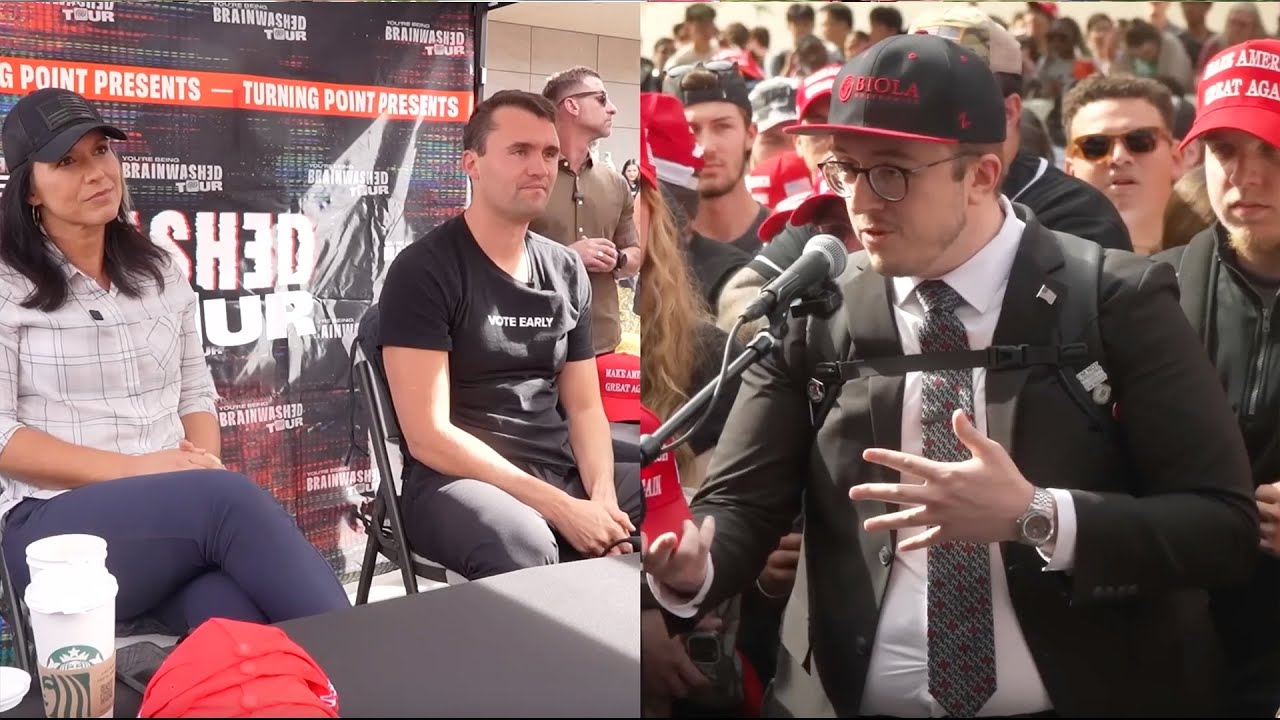
Charlie Kirk found himself in a spirited debate with an East Carolina University student over one of his most controversial positions: that college is a scam for the majority of students. The exchange, which took place during a campus visit, revealed the deep divide between traditional views of higher education and Kirk's alternative vision for young Americans.
The debate began when Kirk challenged the room to define what constitutes a scam. His definition was clear: "A scam is when a majority of people aren't getting the value that they're paying for." The student pushed back, asking Kirk to clarify whether college truly fits this definition, arguing that students who pursue teaching degrees, for example, aren't promised six-figure salaries and therefore aren't being deceived.
The 52% Problem: Graduates Working Jobs That Don't Require Degrees
Kirk delivered what he considers the most damning statistic against higher education: 52% of college graduates end up in jobs that don't require a college degree. This figure, he argued, proves that half of all students are wasting four years and accumulating debt for credentials they'll never use. The opportunity cost, according to Kirk, is massive—not only do these graduates carry student loan debt, but they're also four years behind their peers who entered the workforce immediately after high school.
The finance student acknowledged some validity to Kirk's points, particularly regarding the excessive cost and duration of college education. "I agree with that," the student said when Kirk suggested that students are paying too much and staying too long for what they receive. However, the student maintained that for certain professions, including finance, college credentials remain necessary—not necessarily for the education itself, but for certification requirements.
The Trade School Alternative: Millions in Carpentry and Plumbing
Kirk repeatedly emphasized that young people could become millionaires by pursuing trades like carpentry and plumbing instead of college. He pointed to a cultural problem where parents and society have devalued skilled trades in favor of "laptop class" jobs that require degrees. When he asked the audience how many would face parental disapproval if they chose to become plumbers instead of attending college, nearly every hand went up.
"Your parents think that success is getting some stupid piece of paper when there's millions of dollars waiting for you to be made," Kirk stated. He argued that this cultural bias, reinforced by colleges themselves, keeps young people trapped in an expensive system that doesn't serve their financial interests.
The Dishonesty of the Higher Education System
Kirk outlined several ways he believes colleges operate dishonestly. First, he argued they're "scamming you on the price"—students are paying far too much for what they receive. Second, the four-year timeline is unnecessary; students could acquire the same knowledge in a year and a half. Third, unnecessary general education requirements force students to take classes that don't contribute to their career preparation.
The student countered that the dishonesty lies more with students who attend college despite believing it's a scam, calling that "ignorance." But Kirk maintained that students are being coerced into this system because employers require college degrees for jobs that don't actually need them, creating a vicious cycle that benefits universities at students' expense.
The Internship Myth and Building Connections
One of the common justifications for college that Kirk addressed was the networking and internship opportunities. He dismissed this entirely: "This idea that you need to go to college to meet people is insane." As someone who employs 1,500 people, Kirk revealed his own skepticism toward college graduates: "If I find out you go to college, I'm super skeptical of you. I'm like, what deprogramming do I have to do here?"
Kirk encouraged students who want internships to simply drop out of college and ask for them directly, arguing that the experience and connections can be gained without the credential or the debt.
The Agreement Hidden in the Debate
Despite their disagreement, Kirk and the student found common ground on several points. Both agreed that college is too expensive and takes too long. Both acknowledged that students shouldn't attend if they're pursuing jobs that don't require degrees or won't provide better career outcomes. The student even agreed with Kirk's assertion that 80% of the college shouldn't exist if it's not providing value to students.
Where they differed was on the fundamental question of honesty. The student argued that if college provides the necessary credential for a specific career path, it's not a scam—it's a transaction where both parties understand the terms. Kirk, however, maintained that the system as a whole is dishonest because it pushes the narrative that college is necessary for success when the data shows otherwise for the majority of students.
The Student Debt Crisis and Opportunity Cost
Kirk highlighted the devastating impact of student loan debt on young people, mentioning cases where students have accumulated $100,000 to $200,000 in debt with nothing to show for it. The finance student, who attends as an in-state student with a scholarship and minimal debt, represented the exception rather than the rule. For students without scholarships or family support, the debt burden can be crippling, especially when combined with the four-year delay in entering the workforce and earning income.
The Cultural Shift and Future Outlook
Kirk predicted that students who currently defend their college experience will have a different perspective in five years: "You guys think it's this great thing, it's fine. In five years it'll be like, oh my gosh." He sees himself as fighting against a deeply entrenched cultural narrative that equates college degrees with success and respectability.
The debate concluded without either side conceding, but it highlighted the growing skepticism toward traditional higher education, particularly among conservative thought leaders and their audiences. Kirk's message resonates with students and families struggling with the cost of college and questioning whether the investment will pay off in an increasingly uncertain job market.
Turning Point USA and AmericaFest Announcement
Following the debate, Kirk promoted AmericaFest, Turning Point USA's annual conference at the Phoenix Convention Center, featuring speakers like Tucker Carlson. He also encouraged viewers to become members at members.charliekirk.com to receive a limited edition signed MAGA hat, noting that he now has over 8,000 hats to sign—a task he seemed less than thrilled about.