2,422 videos 1,389,747,653 views US Joined Aug 30, 2018
Charlie Kirk is the Founder and President of Turning Point USA, the largest and fastest growing conservative youth activist organization in the country with over 250,000 student members, over 150 full-time staff, and a presence on over 2,000 high school and college campuses nationwide. Charlie is also the Chairman of Students for Trump, which aims to activate one million new college voters on campuses in battleground states in the lead up to the 2020 presidential election. His social media reaches over 100 million people per month and according to Axios, he is one of the "top 10 most engaged" Twitter handles in the world. He is also the host of “The Charlie Kirk Show,” which regularly ranks among the top news shows on Apple podcast charts.
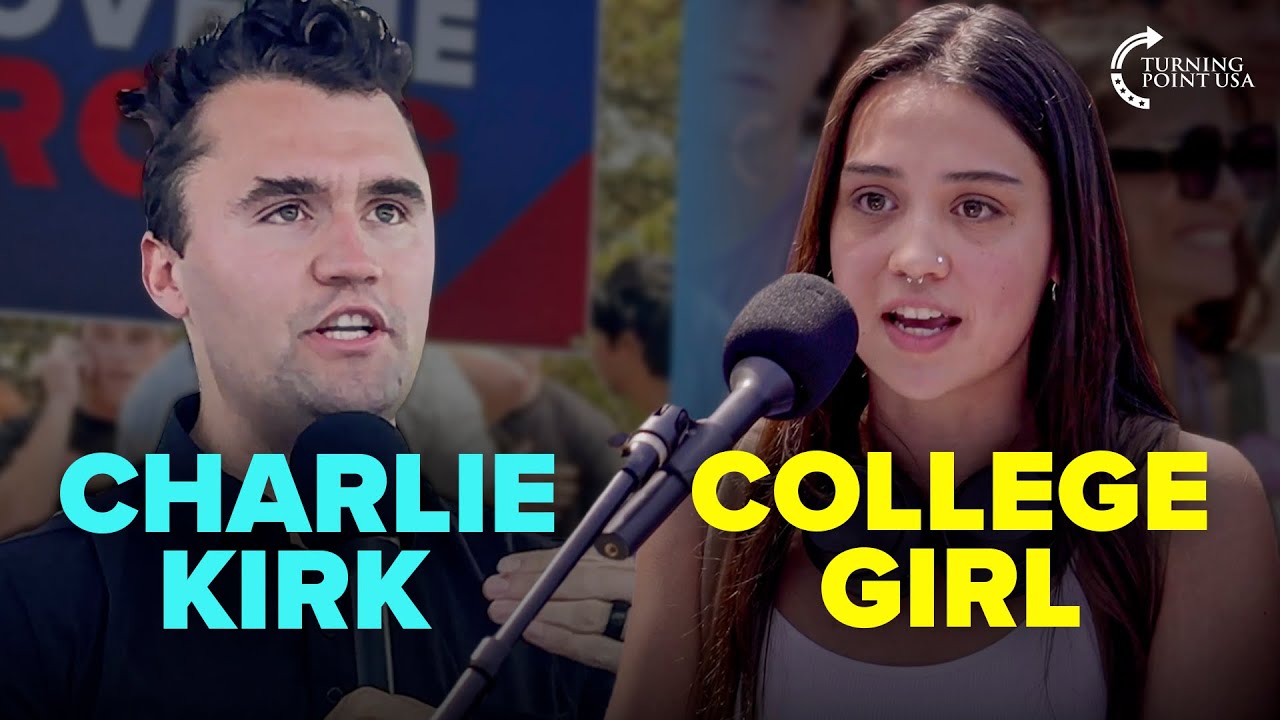
Charlie Kirk Defends Why Democracy Is Not a Fundamental American Value in Fiery College Debate
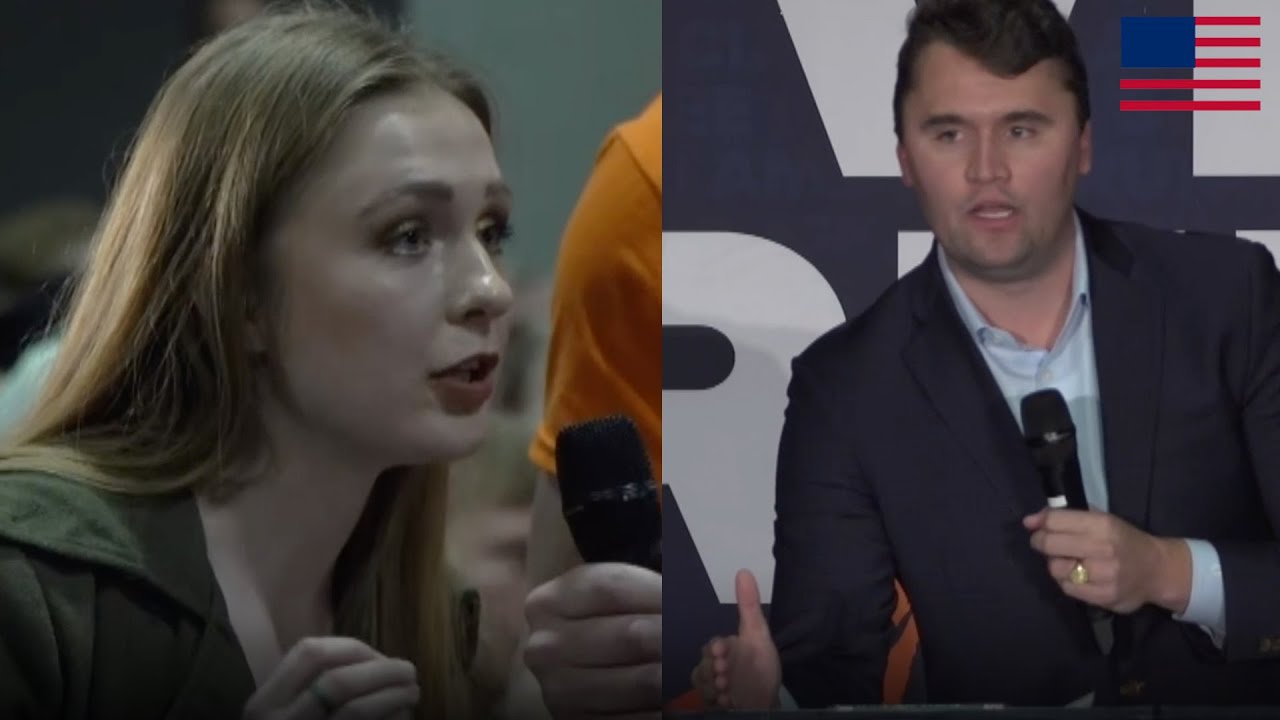
Charlie Kirk faced off with a college student who challenged his stance on democracy, education, and American values. The heated exchange covered whether democracy appears in founding documents, the distinction between a republic and pure democracy, and accusations that conservative rhetoric against higher education reflects anti-intellectualism. Kirk argued that the Founding Fathers warned against democracy, defended representative government over majority rule, and pushed back against claims that limiting education makes people easier to control.
Democracy Versus Republic: A Foundational Distinction
When asked whether democracy is an important American value, Charlie Kirk gave an answer that surprised his questioner: No. Kirk immediately pointed to the absence of the word "democracy" in the U.S. Constitution, the Declaration of Independence, and The Federalist Papers. When the term does appear in The Federalist Papers, Kirk noted, it is mentioned negatively as a problem to avoid.
The student responded by suggesting the country has evolved beyond the elitist views of the Founding Fathers. Kirk countered that figures like Alexander Hamilton, James Madison, and John Jay were explicitly anti-democracy, understanding the dangers of unchecked majority rule. He clarified his position: "I am pro representative government but I'm not pro democracy. That's a big difference and that distinction is important."
What Democracy Actually Means
Kirk explained that democracy, in its pure form, means majority rule without provisions for checks and balances, inalienable rights, or separation of powers. Under pure democracy, if the majority wants something, they get it as quickly as possible. This stands in contrast to a constitutional republic, where representative government operates within a framework designed to protect minority rights and prevent tyranny of the majority.
The student argued that this was splitting hairs, pointing out that citizens vote as part of their civic duty. Kirk agreed that voting matters but insisted the distinction between democracy and republic is not semantic—it reflects fundamentally different systems of governance.
Education, Wisdom, and the Role of College
The conversation shifted to whether citizens need to be educated to participate effectively in representative government. Kirk responded that wisdom matters more than education, and the two are not synonymous. In fact, he argued, college often disincentivizes the cultivation of wisdom.
The student pushed back, asking whether autodidacts—self-taught individuals—can achieve rigorous education in an era of polarized media and echo chambers. Kirk defended alternative forms of learning, saying he meets interesting people, listens carefully during conversations, and learns constantly outside traditional classroom settings. He criticized the college model as paying thousands of dollars per semester to sit through lectures, pretend to read assigned books, and cheat on exams.
While the student acknowledged that college is what you make of it, they emphasized that academia requires peer-reviewed work and rigorous standards that podcasts and informal learning do not.
The Conservative Critique of Higher Education
When asked why the right opposes higher education, the student suggested it reflects anti-intellectualism, a hallmark of fascism, and makes people easier to control when less educated. Kirk rejected this characterization entirely.
He explained that conservatives oppose higher education not because they hate smart people, but because modern universities produce an ungrateful, unprepared generation that rejects core American values: freedom of speech, gratitude for the nation's founding, and consent of the governed. This radical shift, which Kirk described as the "woke mind virus," has created deep divisions in American society.
Kirk pointed to Hillsdale College as an example of rigorous education done right—one of the hardest colleges to get into and graduate from. The problem is not learning itself, but learning "trash and crap" without pursuing truth, beauty, goodness, wisdom, or good character.
Who Controls Whom?
The student argued that there is no oversight on online political commentary to ensure pundits pursue wisdom and goodness, and that Kirk directly profits from polarizing and conspiratorial content. Kirk turned the accusation around, saying the student was insulting his audience, not him. He pointed out that his audience rewards him financially because they find value in his content and learn from it.
The exchange ended cordially, with Kirk thanking the student for their time and the student reciprocating.